Introduction to Cable Solutions in Industrial Automation
Industrial automation relies heavily on specialized cable solutions to ensure efficient and reliable operation. These cables are designed to withstand harsh environmental conditions and provide high-speed data transfer and signal integrity. The complexity of modern industrial automation systems demands cables that can support a wide range of applications, from simple sensor connectivity to complex control systems. For instance, High-Performance Servo Motor Wiring Harness Solutions: Why Longkai is the Trusted Supplier for Industrial Automation highlights the importance of reliable wiring harnesses in servo motor applications.
Cable solutions play a vital role in connecting machinery, sensors, and control systems, facilitating the smooth operation of production lines. As industries adopt more sophisticated automation technologies, such as Industry 4.0 and the Internet of Things (IoT), the demand for high-quality, reliable cables continues to rise. The right cable solutions can significantly impact the overall performance and efficiency of industrial automation systems.
Types of Cable Solutions for Industrial Automation
A variety of cable solutions are available, each tailored to specific applications and requirements. Some common types include:
- Servo Motor Wiring Harnesses: Designed for high-performance servo motor applications, providing reliable power and signal transmission. These harnesses are typically customized to meet the specific needs of the application, ensuring optimal performance and reducing installation time.
- Industrial Camera Cables: Engineered for machine vision applications, ensuring high-speed data transfer and durability. For more information, visit High-Performance Industrial Camera Cable Solutions: Why Longkai is the Trusted Supplier for Machine Vision. These cables are designed to support the high-bandwidth requirements of industrial cameras, enabling accurate and efficient inspection and quality control.
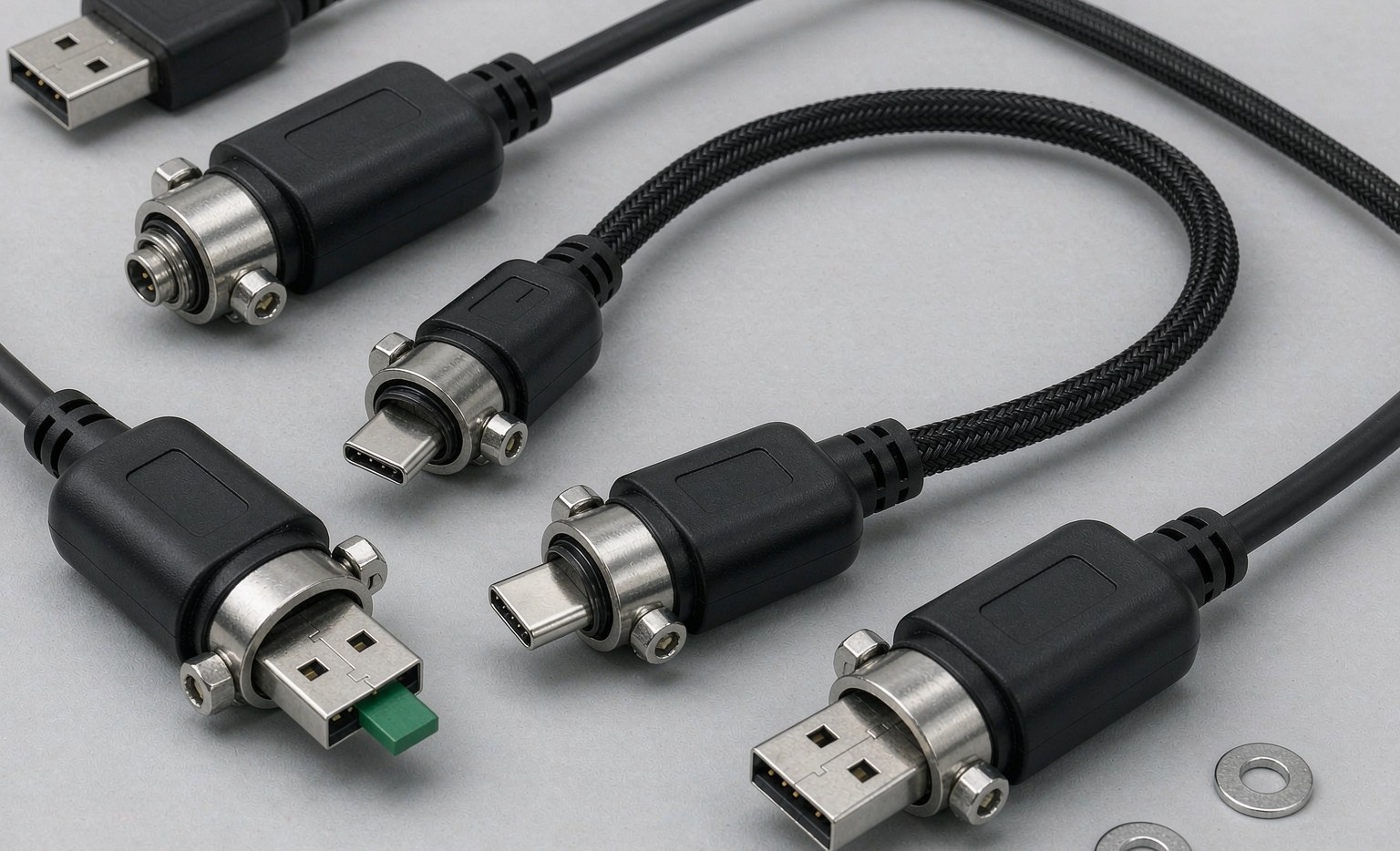
- M12/M16 Cables: Suitable for rugged industrial environments, offering robust connectivity solutions. Precision M12/M16 Cable Solutions: Selecting a Trusted Supplier for Rugged Industrial Connectivity provides insights into selecting the right M12/M16 cables for industrial applications. These cables are designed to withstand harsh conditions, including extreme temperatures, moisture, and mechanical stress.
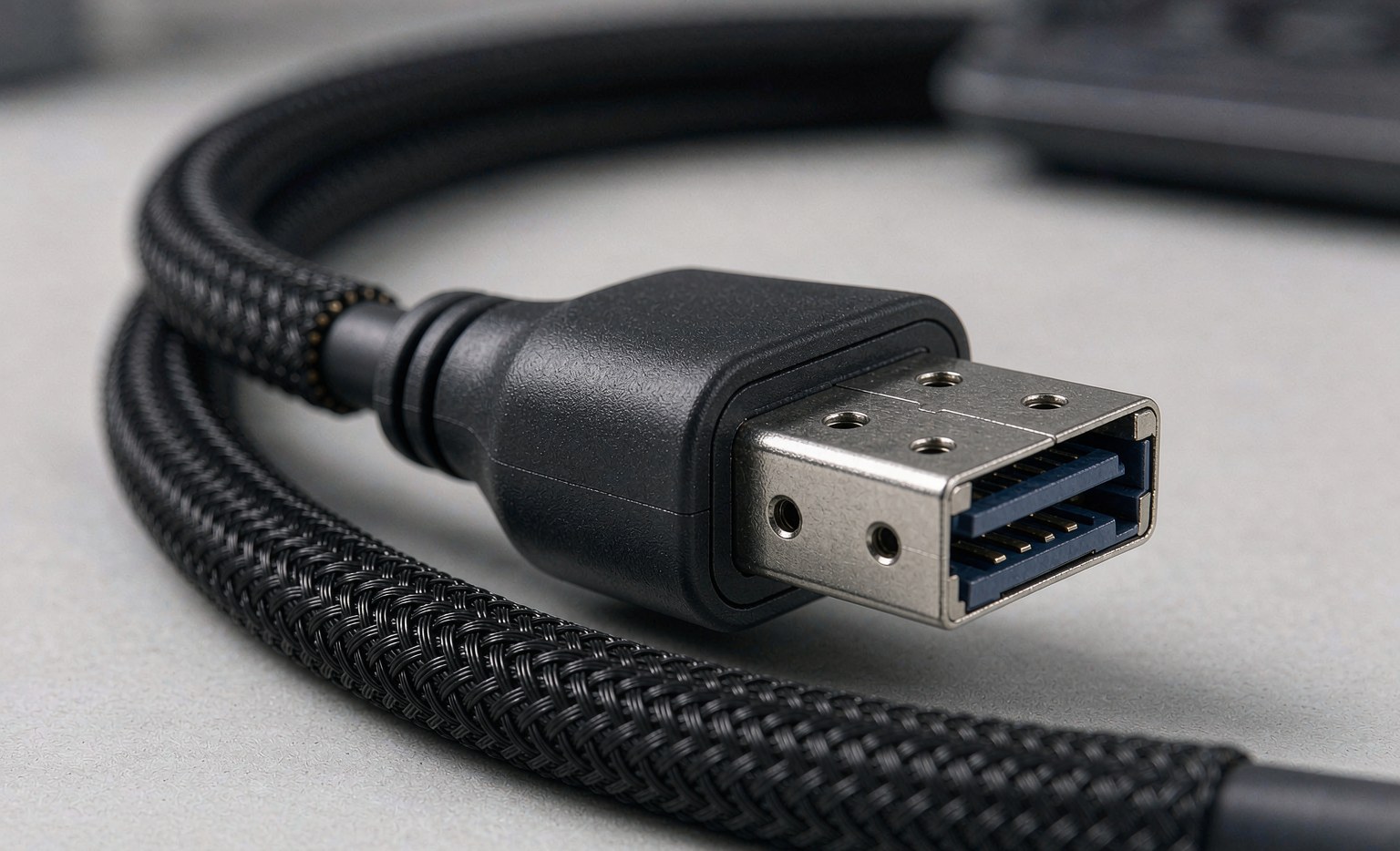
- Type C-Cables: High-performance Type C-Cables for high-speed data transfer and power delivery. These cables are ideal for applications requiring fast data transfer rates, such as data-intensive industrial automation systems.
- Industrial LAN Cables: Designed for mission-critical networking applications, providing reliable and high-speed connectivity. These cables are engineered to support the demanding requirements of industrial Ethernet networks, ensuring stable and efficient data transfer.
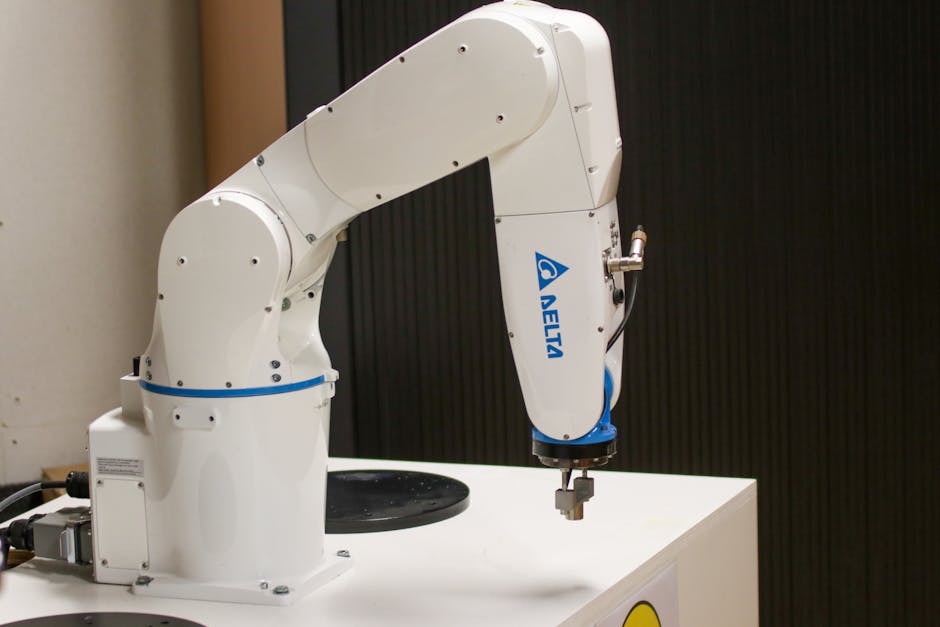
- Drag Chain Cables: Designed for applications where cables are subject to continuous movement and flexing, such as in robotic and machine tool applications.
- High-Temperature Cables: Engineered for use in high-temperature environments, such as in foundries, smelters, and other high-heat industrial applications.
| Cable Type | Application | Key Features |
|---|---|---|
| Servo Motor Wiring Harnesses | Servo motor applications | Reliable power and signal transmission, customized solutions |
| Industrial Camera Cables | Machine vision applications | High-speed data transfer, durability, high-bandwidth support |
| M12/M16 Cables | Rugged industrial environments | Robust connectivity solutions, resistance to harsh conditions |
| Type C-Cables | High-speed data transfer and power delivery | High-performance, fast data transfer rates, reliable power delivery |
| Industrial LAN Cables | Mission-critical networking applications | Reliable and high-speed connectivity, support for industrial Ethernet networks |
Benefits of Advanced Cable Solutions in Industrial Automation
The adoption of advanced cable solutions offers numerous benefits, including:
- Enhanced Efficiency: Reliable and high-speed data transfer contributes to overall efficiency, reducing production downtime and increasing productivity.
- Improved Reliability: Specialized cables withstand harsh industrial environments, reducing downtime and maintenance costs associated with cable failure.
- Increased Performance: High-performance cables enable optimal functioning of industrial equipment and systems, improving overall system performance and accuracy.
- Reduced Maintenance Costs: Durable cables and connectors minimize the need for frequent replacements and repairs, reducing maintenance costs over the system’s lifespan.
- Simplified Installation: Pre-assembled and customized cable solutions simplify installation, reducing the time and labor required for setup.
Challenges and Considerations in Cable Solutions for Industrial Automation
Several challenges and considerations must be addressed when selecting and implementing cable solutions for industrial automation:
- Environmental Factors: Cables must withstand extreme temperatures, moisture, and mechanical stress. Ensuring the cable’s environmental rating matches the application’s conditions is crucial.
- Electromagnetic Interference (EMI): Shielding and insulation are crucial to minimize EMI and ensure signal integrity. Proper grounding and shielding techniques can significantly reduce EMI-related issues.
- Standards and Compliance: Cables must comply with relevant industrial standards and regulations, such as UL, CSA, and CE marking. Ensuring compliance is essential for safety and legal reasons.
- Cable Management: Proper cable management practices, including routing, securing, and labeling, are essential for maintaining a safe and efficient working environment.
- Future-Proofing: Selecting cable solutions that can adapt to future technological advancements and changing application requirements can help extend the system’s lifespan and reduce the need for costly upgrades.
Best Practices for Implementing Cable Solutions in Industrial Automation
To ensure effective implementation, several best practices should be followed:
- Proper Planning and Design: Carefully plan and design cable solutions to meet specific application requirements, considering factors such as cable routing, environmental conditions, and performance needs.
- Selection of High-Quality Cables: Select cables designed for industrial environments and meeting relevant standards. High-quality cables are more likely to provide reliable performance and longevity.
- Correct Installation: Ensure correct installation, following manufacturer guidelines and industry best practices. Proper installation is critical for ensuring the cable solution performs as intended.
- Regular Maintenance: Regularly inspect and maintain cable solutions to identify potential issues before they become major problems. This includes checking for signs of wear, damage, or degradation.
- Documentation and Labeling: Maintain detailed documentation and labeling of cable solutions to facilitate troubleshooting, maintenance, and future upgrades.
Frequently Asked Questions (FAQs)
Some common questions regarding cable solutions for industrial automation include:
- Q: What are the key factors to consider when selecting a cable solution for industrial automation?
A: Key factors include environmental conditions, performance requirements, compliance with relevant standards, and the need for customization or special features. - Q: How can I ensure the cable solution I choose is reliable and durable?
A: Look for cables from reputable manufacturers that are designed for industrial environments and have features such as shielding, insulation, and robust construction. - Q: Can cable solutions be customized for specific industrial automation applications?
A: Yes, many manufacturers offer customization options, including custom lengths, configurations, and connectors, to meet the specific needs of the application.
Conclusion
Cable solutions are a vital component of industrial automation, enabling efficient, reliable, and high-performance operation. By understanding the different types of cable solutions, their benefits, and the challenges associated with their implementation, industries can make informed decisions to enhance their automation processes. By following best practices and considering factors such as environmental conditions, performance requirements, and compliance, industries can ensure the effective implementation of cable solutions that meet their specific needs.