Introduction to Flame-Retardant Jacket Industrial Cables
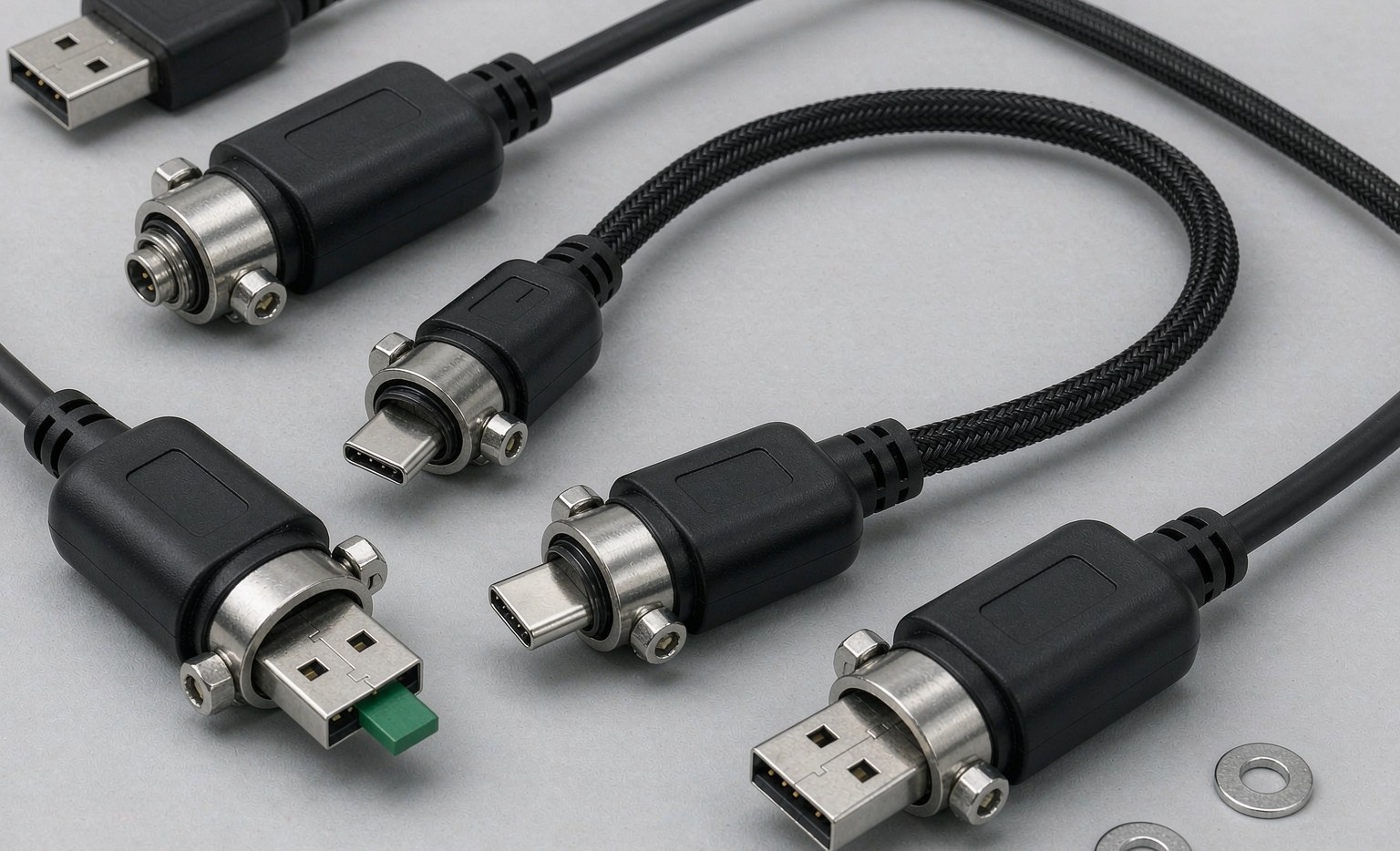
Flame-retardant jacket industrial cables are designed to prevent the spread of fire and minimize damage in the event of an electrical fault. These cables are crucial in industrial environments where the risk of fire can have catastrophic consequences. The construction of flame-retardant jacket industrial cables involves the use of materials that are resistant to ignition and flame propagation. For instance, some cables are made with materials that have a high oxygen index, which indicates their ability to resist burning. The materials used can include thermosetting compounds, polyvinyl chloride (PVC), and cross-linked polyethylene (XLPE), each offering unique benefits such as heat resistance, flexibility, and chemical resistance. More information on the types of cables and their applications can be found in Types of Peripheral Data Cables for Various Applications.
The cables are also designed to be durable, flexible, and resistant to various environmental factors such as temperature, moisture, and chemicals. For example, some flame-retardant cables are designed with a thermosetting jacket that provides excellent resistance to heat and flames. Additionally, some cables have a jacket made from materials like PVC or XLPE, which offer good resistance to chemicals and abrasion. The selection of the jacket material depends on the intended application and the environmental conditions the cable will be exposed to.
To manufacture flame-retardant jacket industrial cables, several steps are involved. First, the selection of raw materials is critical. The materials used must meet the required standards for flame retardancy and durability. The manufacturing process involves extruding the selected materials into the desired shape and size. The cables are then tested to ensure they meet the required standards. Testing includes assessing the cable’s resistance to flame propagation, heat, and chemicals, as well as its electrical performance.
Some of the key factors to consider when manufacturing flame-retardant jacket industrial cables include the type of insulation used, the thickness of the jacket, and the cable’s overall construction. For instance, cables with a thicker jacket may offer greater resistance to flame and heat but may be less flexible. Manufacturers must balance these factors to produce cables that meet the necessary safety standards while also being practical for use in various industrial applications. The importance of cable construction is highlighted in Shielded Cables for Industrial Automation: Ensuring Reliable Data Transmission and Power Supply.
Key Benefits of Flame-Retardant Jacket Industrial Cables
- Enhanced safety for personnel and equipment
- Compliance with stringent safety regulations and standards
- Reduced risk of fire spreading through cable runs
- Minimized downtime and maintenance costs
- Improved reliability and performance in harsh environments
| Benefit | Description |
|---|---|
| Enhanced Safety | Reduced risk of electrical shock and other electrical hazards. For example, in a manufacturing plant, flame-retardant cables can prevent electrical fires that could harm workers or damage equipment. |
| Compliance | Meets international safety standards such as IEC 60332 and UL 1581. Compliance with these standards ensures that the cables have been tested and proven to be safe for use in industrial environments. |
| Reliability | Flame-retardant jacket industrial cables are designed to maintain their performance even in harsh environments. This means that they can continue to function properly even when exposed to high temperatures, moisture, or chemicals. |
One of the significant benefits of flame-retardant jacket industrial cables is their ability to reduce the risk of fire. By preventing the spread of fire, these cables can help minimize damage to equipment and property. Additionally, they can help reduce the risk of injury or death to personnel. In industries where flammable materials are present, the use of flame-retardant cables is particularly crucial. For more details on the benefits, refer to Industrial Automation Equipment Cables: Enhancing Efficiency and Reliability in Modern Manufacturing.
To illustrate the benefits of flame-retardant jacket industrial cables, consider the following case study: A manufacturing plant experienced a significant reduction in downtime and maintenance costs after switching to flame-retardant cables. The cables helped prevent electrical fires that had previously caused significant disruptions to production. The plant also reported an improvement in overall safety, as the risk of electrical shock and other hazards was reduced.
Applications of Flame-Retardant Jacket Industrial Cables
These cables are used in a variety of industrial settings, including manufacturing plants, power generation facilities, chemical processing plants, and oil refineries. They are particularly important in areas where flammable materials are present or where the consequences of a fire could be severe. For instance, in an oil refinery, flame-retardant cables can help prevent fires from spreading through the facility.
Some specific examples of applications include:
- Power distribution systems
- Control and instrumentation systems
- Communication systems
- Lighting systems
- Data transmission systems
- Process control systems
Flame-retardant jacket industrial cables are also used in other industries, such as:
- Aerospace
- Automotive
- Mining
- Marine
In the aerospace industry, for example, flame-retardant cables are used in aircraft to minimize the risk of fire. In the automotive industry, they are used in vehicles to enhance safety and comply with safety regulations. In mining and marine applications, flame-retardant cables are used to prevent fires in hazardous environments.
Standards and Certifications for Flame-Retardant Jacket Industrial Cables
To ensure their effectiveness, flame-retardant jacket industrial cables must comply with various international standards and certifications. Some of the key standards include:
- IEC 60332: This standard tests the flame retardancy of cables.
- UL 1581: This standard tests the electrical and physical properties of cables.
- BS 6387: This standard tests the resistance of cables to fire and heat.
- CSA C22.2: This standard tests the electrical and physical properties of cables in Canada.
Cables that meet these standards have been tested and proven to be safe for use in industrial environments. When selecting flame-retardant jacket industrial cables, it is essential to look for certifications from reputable testing organizations. This ensures that the cables have undergone rigorous testing and meet the necessary safety standards.
Best Practices for Installing and Maintaining Flame-Retardant Jacket Industrial Cables
- Proper cable routing and installation to minimize the risk of damage. This includes avoiding sharp bends, using cable management systems, and securing cables properly.
- Regular inspection and maintenance to detect any signs of wear or damage. This includes checking for signs of overheating, damage to the jacket, or other forms of degradation.
- Using cable management systems to keep cables organized and secure. This includes using cable ties, cable clips, and other forms of cable management.
- Following manufacturer instructions for installation and maintenance.
Some common mistakes to avoid when installing and maintaining flame-retardant jacket industrial cables include:
- Failing to follow manufacturer instructions
- Using cables in applications for which they are not rated
- Failing to inspect cables regularly
- Not using proper cable management systems
To ensure the longevity and effectiveness of flame-retardant jacket industrial cables, regular testing and inspection are crucial. This includes performing routine checks on the cables and their connections to identify any potential issues before they become major problems. It is also important to keep records of maintenance and inspections to track the condition of the cables over time.
Frequently Asked Questions (FAQs)
Q: What is the difference between flame-retardant and fire-resistant cables?
A: Flame-retardant cables are designed to prevent the spread of fire, while fire-resistant cables are designed to maintain their functionality even in the presence of fire. Flame-retardant cables are typically used to prevent fires from spreading, while fire-resistant cables are used in critical applications where maintaining circuit integrity is essential.
Q: Can flame-retardant jacket industrial cables be used outdoors?
A: Yes, some flame-retardant jacket industrial cables are designed for outdoor use. However, it is essential to select cables that are rated for outdoor use and can withstand the environmental conditions to which they will be exposed. This includes considering factors such as UV resistance, moisture resistance, and temperature range.
Q: How do I choose the right flame-retardant jacket industrial cable for my application?
A: To choose the right cable, consider factors such as the operating temperature, environmental conditions, and the required level of flame retardancy. It is also essential to consult with a qualified professional to ensure that the selected cable meets the necessary standards and regulations. Additionally, consider the cable’s construction, including the type of insulation and jacket material, to ensure it is suitable for the intended application.
Case Studies: Real-World Applications of Flame-Retardant Jacket Industrial Cables
Several industries have successfully implemented flame-retardant jacket industrial cables to enhance safety and reliability. For example, a chemical processing plant used flame-retardant cables to prevent electrical fires in a hazardous environment. The cables were installed in areas where flammable materials were present, significantly reducing the risk of fire.
Another example is a power generation facility that upgraded its electrical infrastructure with flame-retardant cables. The cables helped prevent electrical fires and ensured compliance with safety regulations. The facility reported a reduction in maintenance costs and improved overall safety.
Conclusion
The benefits of flame-retardant jacket industrial cables are clear. They offer enhanced safety, compliance with safety regulations, and improved reliability in industrial environments. By understanding the benefits, applications, and best practices for installing and maintaining these cables, industries can minimize the risk of fire and ensure a safe working environment. It is crucial to select cables that meet international safety standards and to follow proper installation and maintenance procedures to maximize their effectiveness.