Industrial Automation Equipment Cables in Modern Manufacturing
Understanding Industrial Automation Equipment Cables
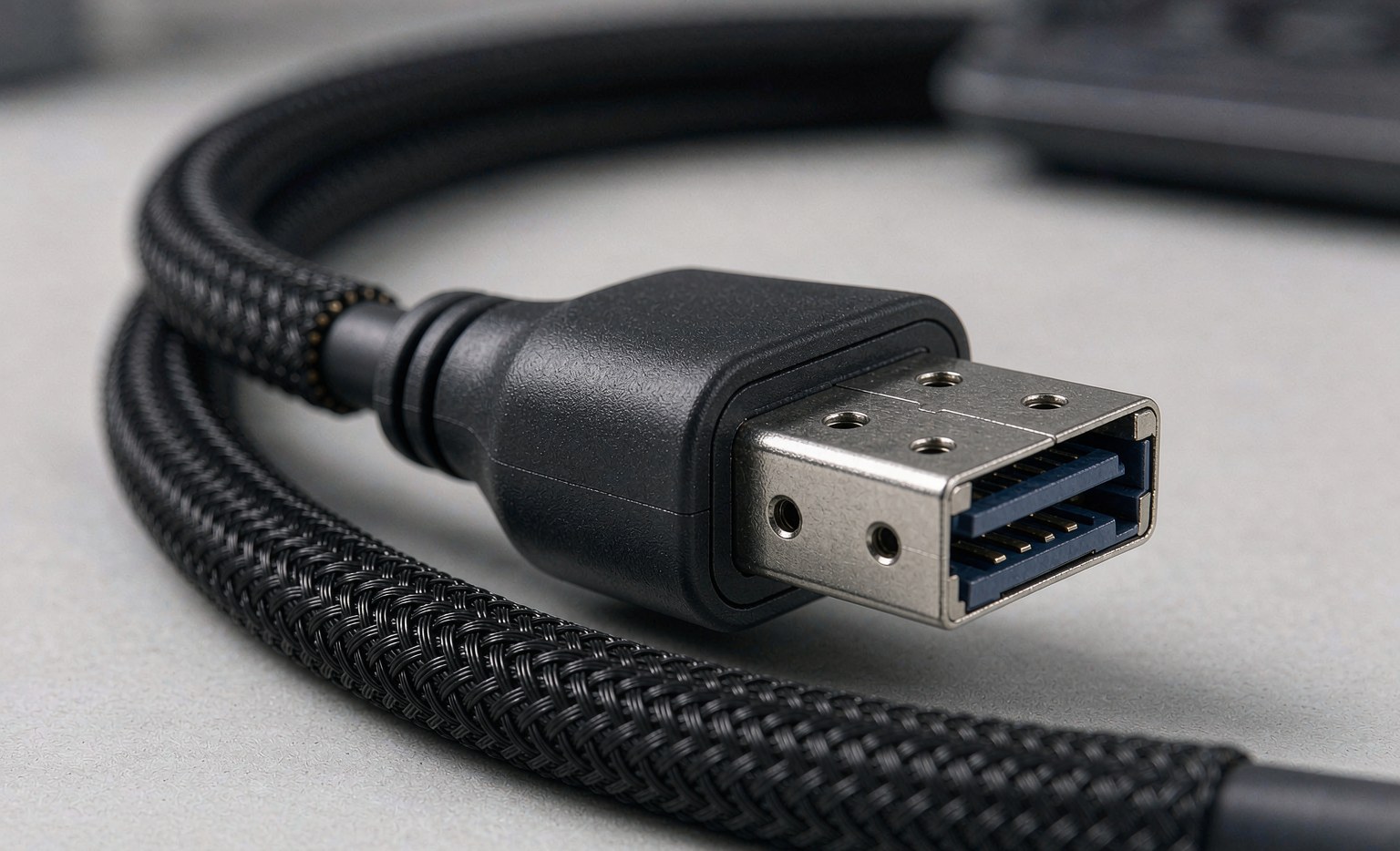
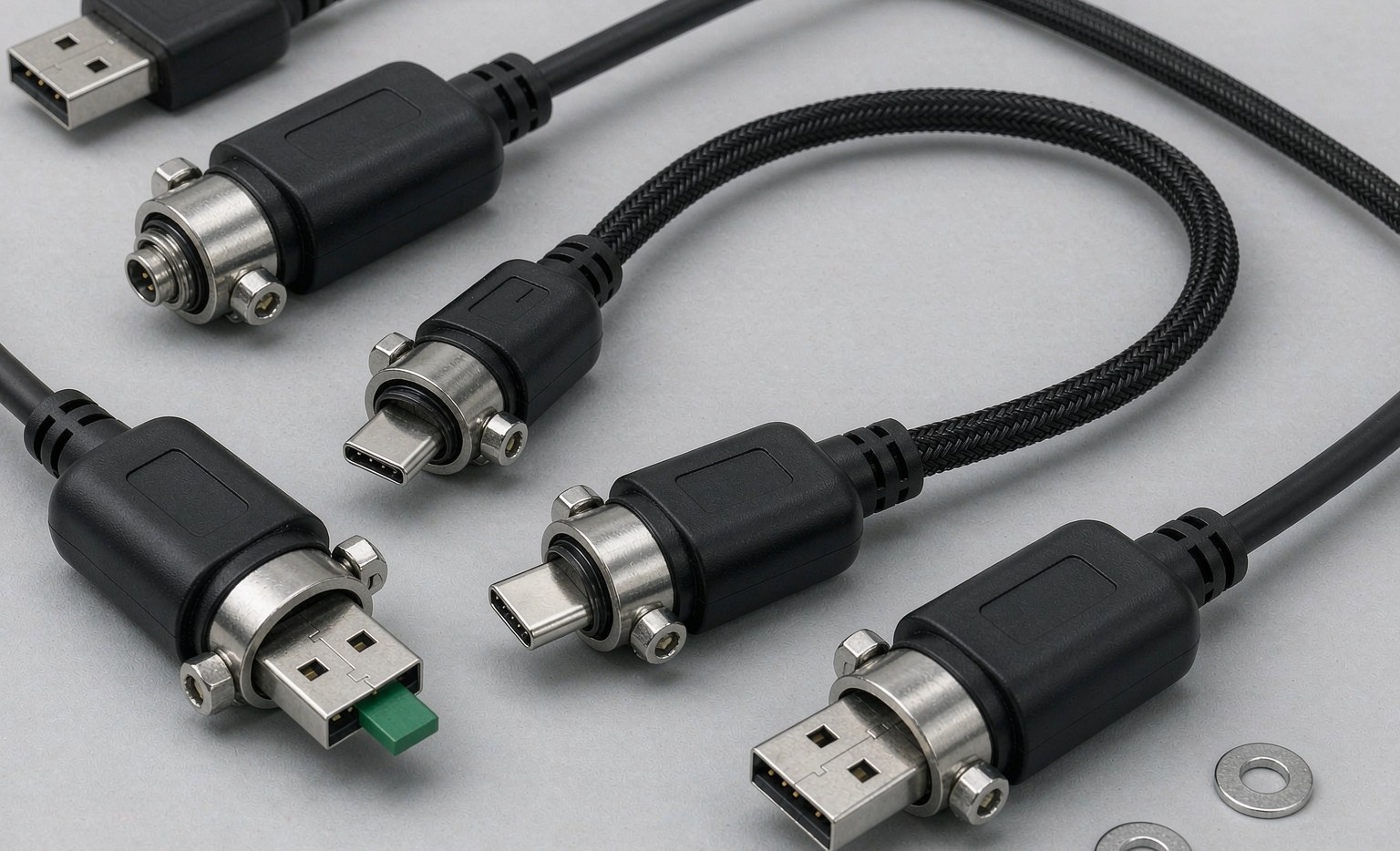
Industrial automation equipment cables are designed for industrial environments, connecting devices like sensors, actuators, and control systems. They withstand harsh conditions, including extreme temperatures, vibrations, and chemical exposure. These cables are crucial for the smooth operation of manufacturing processes, as they enable reliable data transmission and power supply to various equipment and machinery.
- High-performance cables for harsh environments, such as those found in automotive, aerospace, and food processing industries
- Reliable data transmission and power supply, ensuring minimal downtime and optimal production efficiency
- Compatibility with industrial protocols like EtherCAT, PROFINET, and Modbus, facilitating seamless integration with various control systems
- Durable and long-lasting, reducing the need for frequent replacements and minimizing downtime
- Resistant to electromagnetic interference (EMI), ensuring reliable data transmission in environments with high electrical noise
- Flexible and resistant to bending, torsion, and abrasion, making them suitable for applications with moving parts or high-flex requirements, as discussed in High-Performance Servo Motor Wiring Harness Solutions: Why Longkai is the Trusted Supplier for Industrial Automation
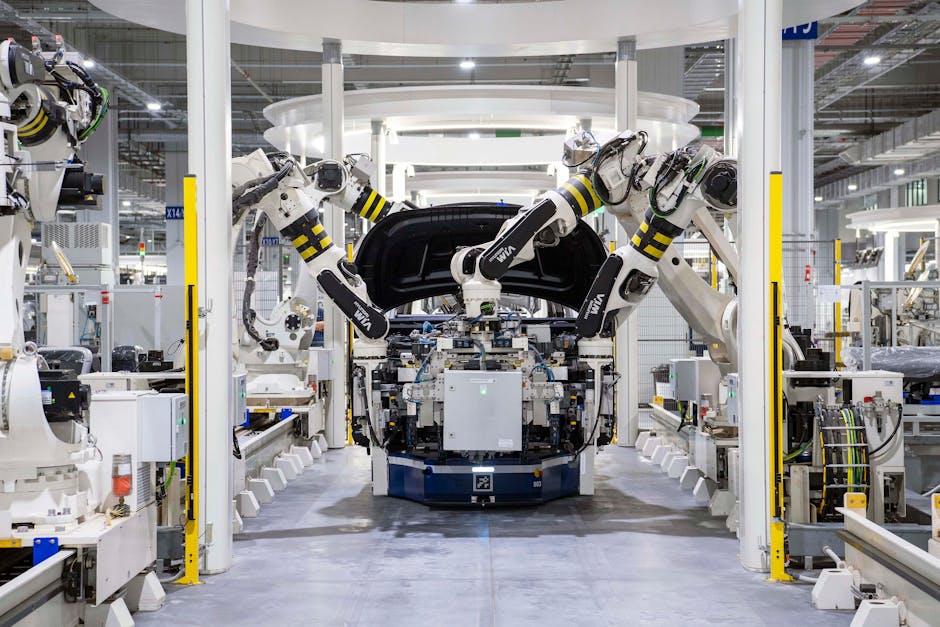
In manufacturing plants, these cables connect sensors and actuators to control systems, enabling process monitoring and control. They must withstand factory floor conditions, including exposure to chemicals, dust, and extreme temperatures, while transmitting data reliably. For instance, in the automotive industry, industrial automation equipment cables are used to connect robots and machine tools to control systems, ensuring precise and efficient production processes. A notable example is the use of industrial automation equipment cables in the production of electric vehicles, where they play a critical role in connecting battery management systems to control systems.
| Cable Type | Application | Environmental Resistance |
|---|---|---|
| Shielded Cable | Control Systems, Servo Motors | High EMI Resistance, suitable for environments with high electromagnetic interference |
| Unshielded Cable | Low-Speed Applications, such as limit switches and pushbuttons | Cost-Effective, suitable for applications where EMI is not a significant concern |
| Robot Cable | Robotic Applications, such as welding and assembly | High Flexibility, resistant to torsion and bending |
| High-Temperature Cable | High-Temperature Applications, such as foundries and heat treatment | Resistant to extreme temperatures, up to 200°C or more |
| Chemical-Resistant Cable | Chemical Processing and Handling | Resistant to chemicals and cleaning agents |
| Hybrid Cable | Applications requiring multiple signal and power transmission | Combines multiple cable types, such as power, signal, and control cables |
When selecting industrial automation equipment cables, it is essential to consider the specific application requirements and environmental conditions. For example, in the food processing industry, cables must be resistant to chemicals and cleaning agents, while in the aerospace industry, cables must withstand extreme temperatures and vibrations. It is also crucial to consider factors such as cable material, shielding, and compatibility with industrial protocols, as highlighted in High-Performance Industrial LAN Cable: Selecting a Trusted Supplier for Mission-Critical Networking.
Key Considerations for Selecting Industrial Automation Equipment Cables
When selecting cables, consider material, shielding, compatibility with industrial protocols, and environmental factors. The right cable selection ensures reliable data transmission, minimizes downtime, and reduces maintenance costs.
- Cable material and construction, such as copper or fiber optic, and the type of insulation used
- Shielding and insulation for EMI resistance, including foil shielding, braided shielding, and insulation materials like PVC or Teflon
- Compatibility with Industry 4.0 and IIoT standards, such as EtherCAT, PROFINET, and Modbus TCP
- Environmental factors like temperature, humidity, and exposure to chemicals and dust
- Cable flexibility and durability, including resistance to bending, torsion, and abrasion
- Certifications and compliance with industry standards, such as UL, CSA, and CE, as discussed in Engineered for Resilience: Why Longkai is the Trusted Supplier for Waterproof D-Sub Connectors and Rugged Industrial Interfaces
To ensure optimal cable performance, it is essential to follow a step-by-step selection process:
- Step 1: Identify the application requirements, including the type of devices being connected and the environmental conditions.
- Step 2: Determine the required cable specifications, including material, shielding, and insulation.
- Step 3: Evaluate the cable’s compatibility with industrial protocols and Industry 4.0 standards.
- Step 4: Assess the cable’s environmental resistance, including temperature, humidity, and chemical resistance.
- Step 5: Verify the cable’s flexibility and durability, including resistance to bending, torsion, and abrasion.
- Step 6: Validate the cable’s certifications and compliance with industry standards.
Benefits of Customized Industrial Automation Equipment Cables
Customized cables offer improved performance, reliability, and flexibility, tailored to specific application requirements. By working with a cable manufacturer to design and produce customized cables, manufacturers can optimize their production processes and reduce costs.
- Optimized performance and reliability, as customized cables are designed to meet specific application requirements
- Flexibility in design and configuration, allowing for the integration of various cable types and connectors
- Reduced inventory costs, as customized cables can be designed to meet specific application requirements, reducing the need for multiple cable types
- Improved cable management, as customized cables can be designed with specific labeling and color-coding
- Faster time-to-market, as customized cables can be designed and produced quickly to meet specific application requirements
- Enhanced safety, as customized cables can be designed to meet specific safety requirements, such as flame retardancy or chemical resistance
For instance, a manufacturer of automotive parts may require customized cables with specific connectors and shielding to meet the requirements of their production processes. By working with a cable manufacturer to design and produce customized cables, they can ensure reliable data transmission and power supply, while minimizing downtime and reducing maintenance costs.
Best Practices for Installing and Maintaining Industrial Automation Equipment Cables
Follow manufacturer instructions, use proper cable routing, and regularly inspect cables to ensure optimal performance and reliability. Proper installation and maintenance of industrial automation equipment cables are crucial for minimizing downtime and reducing maintenance costs.
- Proper installation, including following manufacturer instructions and using proper cable routing and securing techniques
- Regular inspection and replacement, including checking for signs of wear and damage, and replacing cables as needed
- Cable management techniques, such as using cable ties and labels, to keep cables organized and easily identifiable
- Training personnel on cable installation and maintenance, to ensure that cables are handled and maintained properly
- Using cable protection products, such as cable trays and conduit, to protect cables from damage and environmental stress
- Documenting cable installation and maintenance, to ensure that records are kept and cables can be easily identified and maintained
To ensure optimal cable performance, it is also essential to follow proper cable storage and handling procedures. This includes storing cables in a dry, clean environment, away from direct sunlight and extreme temperatures, and handling cables with care to avoid damage.
Frequently Asked Questions about Industrial Automation Equipment Cables
- Q: What are the most common types of industrial automation equipment cables?
- A: The most common types of industrial automation equipment cables include shielded cables, unshielded cables, and robot cables.
- Q: How do I select the right industrial automation equipment cable for my application?
- A: To select the right cable, consider factors such as cable material, shielding, compatibility with industrial protocols, and environmental factors.
- Q: Can industrial automation equipment cables be customized?
- A: Yes, industrial automation equipment cables can be customized to meet specific application requirements.
- Q: How often should I inspect and replace industrial automation equipment cables?
- A: The frequency of inspection and replacement depends on the specific application and environmental conditions. Regular inspections should be performed to identify signs of wear and damage.
- Q: What are the benefits of using customized industrial automation equipment cables?
- A: Customized cables offer improved performance, reliability, and flexibility, tailored to specific application requirements.
- Q: How can I ensure proper installation and maintenance of industrial automation equipment cables?
- A: Follow manufacturer instructions, use proper cable routing, and regularly inspect cables to ensure optimal performance and reliability.
- Q: What are the key considerations for selecting industrial automation equipment cables for use in hazardous environments?
- A: When selecting cables for hazardous environments, consider factors such as chemical resistance, flame retardancy, and compliance with relevant safety standards.
- Q: Can industrial automation equipment cables be used in applications with high-flex requirements?
- A: Yes, industrial automation equipment cables can be designed to meet high-flex requirements, such as those found in robotic or machine tool applications.