Understanding EMI Shielded Industrial Cables
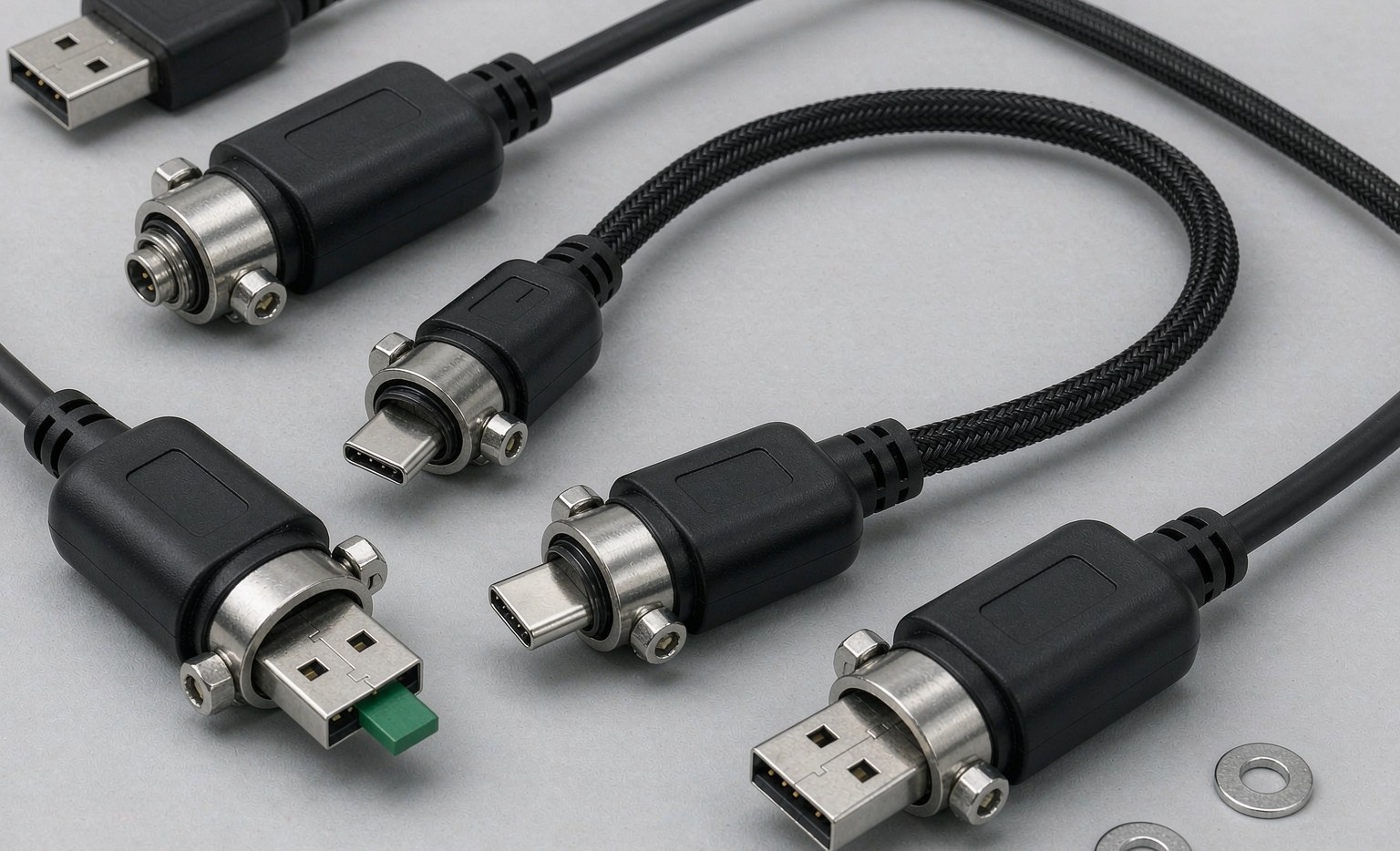
EMI shielded industrial cables protect against electromagnetic interference (EMI), ensuring reliable data transmission and power supply in industrial environments. The shielding acts as a barrier to EMI, preventing it from affecting signal quality. This is particularly important in industrial settings where high-voltage equipment and machinery can generate significant EMI. For example, in a manufacturing plant, the presence of high-power machinery can create EMI that interferes with the operation of control systems and sensors. EMI shielded cables mitigate this risk by providing a shielded pathway for data and power transmission. For more information on Shielded Cables for Industrial Automation: Ensuring Reliable Data Transmission and Power Supply, visit our website.
These cables are crucial for maintaining the integrity of industrial automation systems. For instance, in manufacturing plants, EMI shielded cables connect sensors and actuators to control systems, ensuring accurate data transmission. A notable example is in the automotive manufacturing industry, where EMI shielded cables are used to connect robotic welding machines to control systems, ensuring precise and reliable operation. Additionally, EMI shielded cables are used in process control systems to monitor and control industrial processes, such as temperature, pressure, and flow rate.
To ensure optimal performance, EMI shielded industrial cables should be designed with consideration for the specific application and environment. This includes selecting the appropriate shielding material, insulation, and jacketing, as well as ensuring connector compatibility and quality. More information on the design considerations can be found in our article on Cable Selection for Industrial Automation Systems: Key Considerations and Best Practices.
Key Applications of EMI Shielded Industrial Cables
- Industrial Automation Systems
- Control Panel Cabling
- Power Distribution Systems
- Data Transmission Networks
- Robotics and Machinery
- Process Control Systems
- SCADA Systems
- Industrial IoT Applications
- Medical Equipment and Devices
- Aerospace and Defense Systems
- Oil and Gas Industry
- Pharmaceutical Industry
- Food Processing Industry
| Application | Description |
|---|---|
| Industrial Automation Systems | Connecting devices such as sensors, actuators, and controllers to ensure precise control and monitoring of industrial processes. |
| Control Panel Cabling | Connecting devices within control panels, such as PLCs, HMIs, and other control devices, to ensure reliable data transmission and control. For more details, see Understanding Industrial Control Panel Cable Requirements for Enhanced Automation Efficiency. |
| Power Distribution Systems | Distributing power in industrial environments, such as manufacturing plants and processing facilities, while minimizing the risk of EMI-related issues. |
| Data Transmission Networks | Enabling reliable data transmission between devices and systems, such as between sensors, controllers, and data acquisition systems. |
| Robotics and Machinery | Connecting robotic machinery and equipment to control systems, ensuring precise and reliable operation. |
| Process Control Systems | Monitoring and controlling industrial processes, such as temperature, pressure, and flow rate, using EMI shielded cables to ensure accurate data transmission. |
| SCADA Systems | Enabling supervisory control and data acquisition in industrial environments, using EMI shielded cables to ensure reliable data transmission and control. |
| Industrial IoT Applications | Connecting industrial devices and equipment to the Internet of Things (IoT), enabling real-time monitoring and control, and predictive maintenance. |
| Medical Equipment and Devices | Ensuring reliable operation of medical equipment and devices, such as MRI machines and patient monitoring systems, by minimizing EMI-related issues. |
| Aerospace and Defense Systems | Providing reliable data transmission and power supply in aerospace and defense applications, such as in aircraft and military equipment. |
| Oil and Gas Industry | Connecting control systems and sensors in hazardous environments, ensuring reliable operation and minimizing the risk of accidents. |
| Pharmaceutical Industry | Connecting equipment and control systems, ensuring precise control and monitoring of manufacturing processes. |
| Food Processing Industry | Connecting equipment and control systems, ensuring reliable operation and minimizing the risk of contamination. |
Benefits of EMI Shielded Industrial Cables
- Enhanced reliability and performance
- Reduced risk of data corruption and transmission errors
- Improved safety and compliance with regulatory standards
- Increased durability and resistance to environmental factors
- Flexibility and adaptability in various industrial applications
- Reduced downtime and maintenance costs
- Improved product quality and consistency
The benefits of EMI shielded industrial cables can be seen in various industries, such as:
- Oil and gas industry: EMI shielded cables are used to connect control systems and sensors in hazardous environments, ensuring reliable operation and minimizing the risk of accidents.
- Pharmaceutical industry: EMI shielded cables are used to connect equipment and control systems, ensuring precise control and monitoring of manufacturing processes.
- Food processing industry: EMI shielded cables are used to connect equipment and control systems, ensuring reliable operation and minimizing the risk of contamination.
- Automotive industry: EMI shielded cables are used to connect robotic machinery and equipment to control systems, ensuring precise and reliable operation.
- Aerospace industry: EMI shielded cables are used to provide reliable data transmission and power supply in aircraft and other aerospace applications.
Design Considerations for EMI Shielded Industrial Cables
When designing EMI shielded industrial cables, consider factors such as:
- Cable material and construction: The choice of materials and construction methods can significantly impact the shielding effectiveness and durability of the cable.
- Shielding effectiveness and type: The type and effectiveness of the shielding can vary depending on the application and environment.
- Insulation and jacketing: The insulation and jacketing materials should be chosen based on the environmental conditions and application requirements.
- Connector compatibility and quality: The connectors used with EMI shielded cables should be compatible with the cable and of high quality to ensure reliable connections.
- Flexibility and bend radius: The cable should be designed to accommodate the required bend radius and flexibility for the specific application.
- Environmental factors: The cable design should take into account environmental factors such as temperature, humidity, and exposure to chemicals or abrasion.
To ensure optimal performance, follow these steps when designing EMI shielded industrial cables:
- Determine the application requirements and environmental conditions.
- Choose the appropriate cable material and construction.
- Select the suitable shielding type and effectiveness.
- Specify the insulation and jacketing materials.
- Ensure connector compatibility and quality.
- Test and validate the cable design to ensure it meets performance requirements.
- Consider factors such as cable routing, installation, and maintenance when designing the cable. For best practices on cable routing, refer to Optimizing Industrial Automation Cable Routing for Efficiency and Reliability.
Best Practices for Implementing EMI Shielded Industrial Cables
To maximize the benefits of EMI shielded industrial cables, follow best practices for installation, maintenance, and testing, including:
- Proper cable routing: Route cables to minimize exposure to EMI sources and ensure reliable data transmission.
- Regular inspection: Regularly inspect cables and connections to ensure they remain in good condition.
- Performance testing: Test cables and connections to ensure they meet performance requirements.
- Maintenance and repair: Perform regular maintenance and repair cables and connections as needed.
- Documentation and record-keeping: Maintain accurate records of cable installation, maintenance, and testing to ensure compliance and facilitate troubleshooting.
- Training and personnel competency: Ensure that personnel responsible for installing, maintaining, and testing EMI shielded industrial cables have the necessary training and competency.
Frequently Asked Questions (FAQs)
- Q: What is EMI shielding, and why is it important in industrial applications?
- A: EMI shielding is a protective barrier that prevents electromagnetic interference from affecting signal quality. It is crucial in industrial applications where high-voltage equipment and machinery can generate significant EMI.
- Q: How do I choose the right EMI shielded industrial cable for my application?
- A: Consider factors such as cable material and construction, shielding effectiveness, insulation, and connector compatibility when selecting an EMI shielded industrial cable.
- Q: Can EMI shielded industrial cables be used in hazardous environments?
- A: Yes, EMI shielded industrial cables can be designed for use in hazardous environments, such as those with explosive gases or dust.
- Q: What are the benefits of using EMI shielded industrial cables in industrial IoT applications?
- A: EMI shielded industrial cables provide reliable data transmission and power supply, enabling real-time monitoring and control, and predictive maintenance in industrial IoT applications.
- Q: How do I ensure the optimal performance of EMI shielded industrial cables?
- A: Follow best practices for installation, maintenance, and testing, and ensure that the cable design meets the specific application requirements.
- Q: What are the common types of EMI shielding used in industrial cables?
- A: Common types of EMI shielding include foil shielding, braided shielding, and spiral shielding.
- Q: Can EMI shielded industrial cables be used in high-temperature environments?
- A: Yes, EMI shielded industrial cables can be designed for use in high-temperature environments, using materials such as Teflon or ceramic insulation.