
Introduction to Industrial Control Panel Cable Requirements
Industrial control panels are the backbone of modern industrial automation, housing critical components that control machinery and processes. The cables used within these panels play a vital role in ensuring the reliability and efficiency of the automation system. Understanding the specific cable requirements for industrial control panels is essential for optimal performance and safety. For instance, a manufacturing plant that produces automotive parts relies heavily on its industrial control panels to manage production lines. Any failure in the cables used within these panels can lead to costly downtime and affect production schedules. A real-world example is a car manufacturing plant that experienced a significant production halt due to a cable failure in one of its control panels, resulting in substantial financial losses.
Key Considerations for Industrial Control Panel Cables
When selecting cables for industrial control panels, several factors must be considered to ensure they meet the necessary standards and requirements. These include:
- Environmental conditions such as temperature, humidity, and exposure to chemicals or abrasive materials. For example, cables used in environments with high temperatures may require special insulation to prevent degradation. In environments with high chemical exposure, cables with chemical-resistant sheathing are necessary.
- The type of signals being transmitted, whether it’s power, control signals, or data. Different types of signals have different cable requirements to ensure signal integrity. For instance, data cables require shielding to prevent electromagnetic interference (EMI).
- Compliance with relevant industry standards and regulations. This is crucial for ensuring safety and avoiding legal issues. Standards such as UL (Underwriters Laboratories) and IEC (International Electrotechnical Commission) provide guidelines for cable safety and performance.
- The need for flexibility and durability to withstand the rigors of industrial environments. Cables that are not durable may fail prematurely, leading to maintenance issues. Flexible cables are easier to route and manage within control panels.
- Shielding requirements to prevent electromagnetic interference (EMI). EMI can disrupt signal transmission and affect the performance of the automation system. Shielded cables can mitigate this issue.
To select the right cables, follow these steps:
- Assess the environmental conditions where the cables will be used. This includes evaluating temperature ranges, humidity levels, and exposure to chemicals or abrasive materials.
- Determine the type of signals to be transmitted. This will help in choosing the appropriate cable type, such as power, control, or data cables.
- Research relevant industry standards and regulations. Ensure that the selected cables comply with these standards to avoid safety and legal issues.
- Evaluate the need for flexibility and durability. Consider the mechanical stresses the cables will be subjected to and choose cables that can withstand these conditions.
- Consider the shielding requirements. If the cables will be transmitting sensitive signals, shielding may be necessary to prevent EMI.
For more detailed information on cable selection, refer to Cable Selection for Industrial Automation Systems: Key Considerations and Best Practices. Some frequently asked questions about cable selection include:
- Q: What are the most common types of cables used in industrial control panels?
- A: The most common types include power cables, control cables, and data cables. Each type has specific characteristics and applications.
- Q: How do I determine the appropriate cable size for my application?
- A: Cable size is determined based on the current-carrying capacity required for the application. It’s essential to calculate the required current-carrying capacity to select a cable that can handle the load.
- Q: What are the benefits of using shielded cables?
- A: Shielded cables provide protection against electromagnetic interference (EMI), ensuring signal integrity and reducing the risk of data corruption or signal loss.
Best Practices for Managing Industrial Control Panel Cables
Effective cable management is crucial for maintaining the integrity and reliability of industrial control panels. Best practices include:
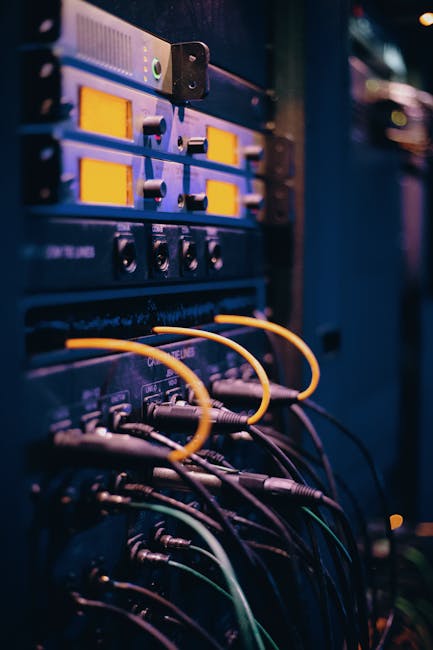
- Proper routing and organization to minimize interference and facilitate maintenance. This involves planning the cable layout carefully to avoid crossing power and signal cables.
- Using cable protection and management accessories such as cable ties, conduits, and trays. These accessories help keep cables organized and protected from damage.
- Implementing a regular inspection and maintenance schedule to identify and address potential issues before they become critical. Regular checks can help prevent cable failures.
- Labeling cables for easy identification. This makes it easier to trace cables during maintenance or troubleshooting.
- Securing cables to prevent movement or vibration that could cause damage. Cable ties and clamps can be used to secure cables in place.
Optimizing cable routing is also vital for efficiency and reliability. For further insights, see Optimizing Industrial Automation Cable Routing for Efficiency and Reliability. When managing cables, it’s essential to avoid common mistakes such as:
- Overcrowding cable trays, which can lead to overheating and damage. Leaving sufficient space between cables can help mitigate this issue.
- Failing to secure cables properly, which can cause vibration damage. Using cable ties and clamps can help secure cables.
- Not labeling cables, making it difficult to identify them during maintenance. Labeling cables can save time and reduce errors during troubleshooting.
Cable Specifications and Standards for Industrial Control Panels
Adhering to standard industrial cable specifications is essential for ensuring the quality and reliability of cables used in control panels. This includes compliance with international standards and regulations that govern cable manufacturing and performance. For a comprehensive guide, refer to Standard Industrial Cable Specifications: A Technical Guide. Some key standards to consider include:
- UL (Underwriters Laboratories) standards for cable safety. UL standards ensure that cables meet specific safety requirements.
- CSA (Canadian Standards Association) standards for cable performance. CSA standards provide guidelines for cable performance and safety.
- IEC (International Electrotechnical Commission) standards for global compliance. IEC standards are widely adopted internationally and ensure that cables meet global safety and performance requirements.
To ensure compliance, follow these steps:
- Research the relevant standards for your region and application. Different regions may have different standards, so it’s essential to identify the applicable standards.
- Verify that the cables you select comply with these standards. Check for certifications and compliance documentation from the cable manufacturer.
- Maintain documentation of compliance for future reference. This can be useful during audits or when troubleshooting issues.
Advanced Cable Solutions for Industrial Automation
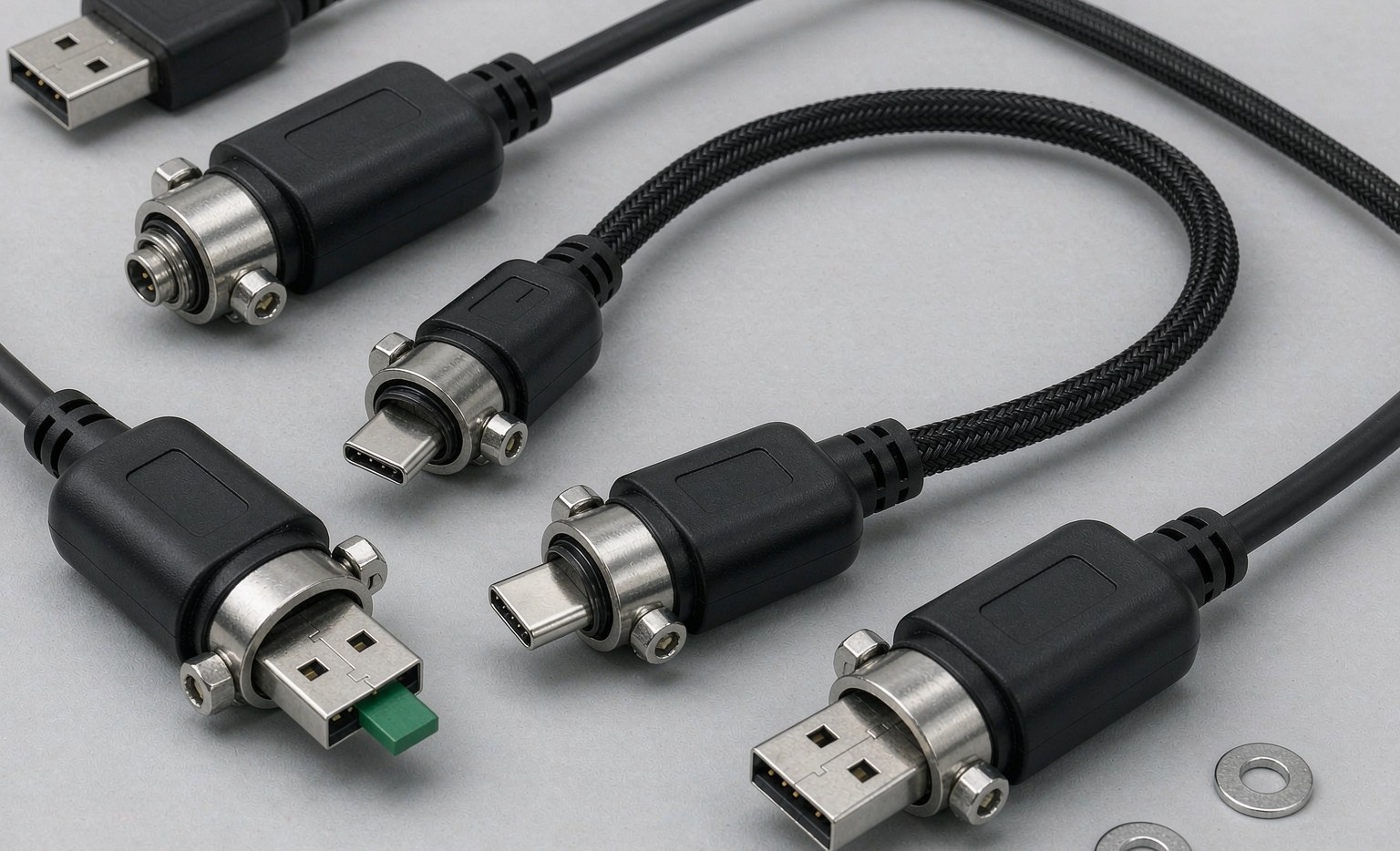
The industrial automation sector is continually evolving, with advancements in cable technology playing a significant role in enhancing efficiency and reliability. High-speed cable assemblies, custom-designed cable interconnects, and advanced cable production techniques are some of the innovations driving this progress. For more information on these developments, visit High-Speed Cable Assemblies for Industrial Automation: Enhancing Efficiency and Reliability and Custom-Designed Cable Interconnects for Industrial Automation. Some benefits of advanced cable solutions include:
- Improved signal integrity for high-speed data transmission. Advanced cables can support higher data transfer rates without compromising signal integrity.
- Enhanced durability and resistance to environmental factors. Advanced materials and designs can improve cable durability and resistance to environmental stresses.
- Customization options to meet specific application needs. Custom-designed cables can be tailored to meet the specific requirements of an application.
When considering advanced cable solutions, it’s essential to:
- Assess your current cable infrastructure and identify areas for improvement. This can involve evaluating cable performance, identifying bottlenecks, and determining upgrade requirements.
- Research available advanced cable technologies. Stay informed about the latest developments in cable technology and assess their potential benefits for your application.
- Consult with cable manufacturers or experts to determine the best solutions for your needs. Experts can provide valuable insights and recommendations based on their knowledge and experience.