
Introduction to Industrial Cable Specifications
Industrial cables facilitate communication, power transmission, and data exchange in modern industrial operations. Standard industrial cable specifications ensure reliability, efficiency, and safety. With the increasing demand for high-speed data transmission and power delivery, understanding these specifications is crucial for manufacturers and industries.
Industrial cables are used in various sectors, including manufacturing, oil and gas, and construction. Understanding specific application requirements is crucial for selecting the right cables. For instance, cables used in the oil and gas industry must withstand extreme temperatures and corrosive environments. In addition, cables used in manufacturing environments may require high-flex life and resistance to abrasion.
To ensure the correct selection of industrial cables, it’s essential to consider factors such as operating temperature, chemical exposure, and mechanical stress. For example, cables used in high-temperature applications may require specialized insulation materials, such as XLPE or Teflon. For more information on selecting the right industrial network cables, refer to High-Performance Industrial LAN Cable: Selecting a Trusted Supplier for Mission-Critical Networking.
Types of Industrial Cables
- Industrial Network Cables: Designed for high-speed data transmission, these cables withstand harsh conditions. Examples include Industrial network cable: 4-core industrial network cable of Category 7 standard and Gigabit Industrial Network Cables. They are used in applications such as industrial automation and robotics. Industrial network cables often require high-bandwidth and low-latency to support real-time data transmission.
- Industrial Camera Cables: Used for machine vision applications, these cables ensure reliable image transmission. They are designed to withstand vibrations and harsh environments. For more information on industrial camera cables, refer to High-Performance Industrial Camera Cable Solutions: Why Longkai is the Trusted Supplier for Machine Vision. Industrial camera cables often require high-resolution and high-frame-rate capabilities to support accurate image processing.
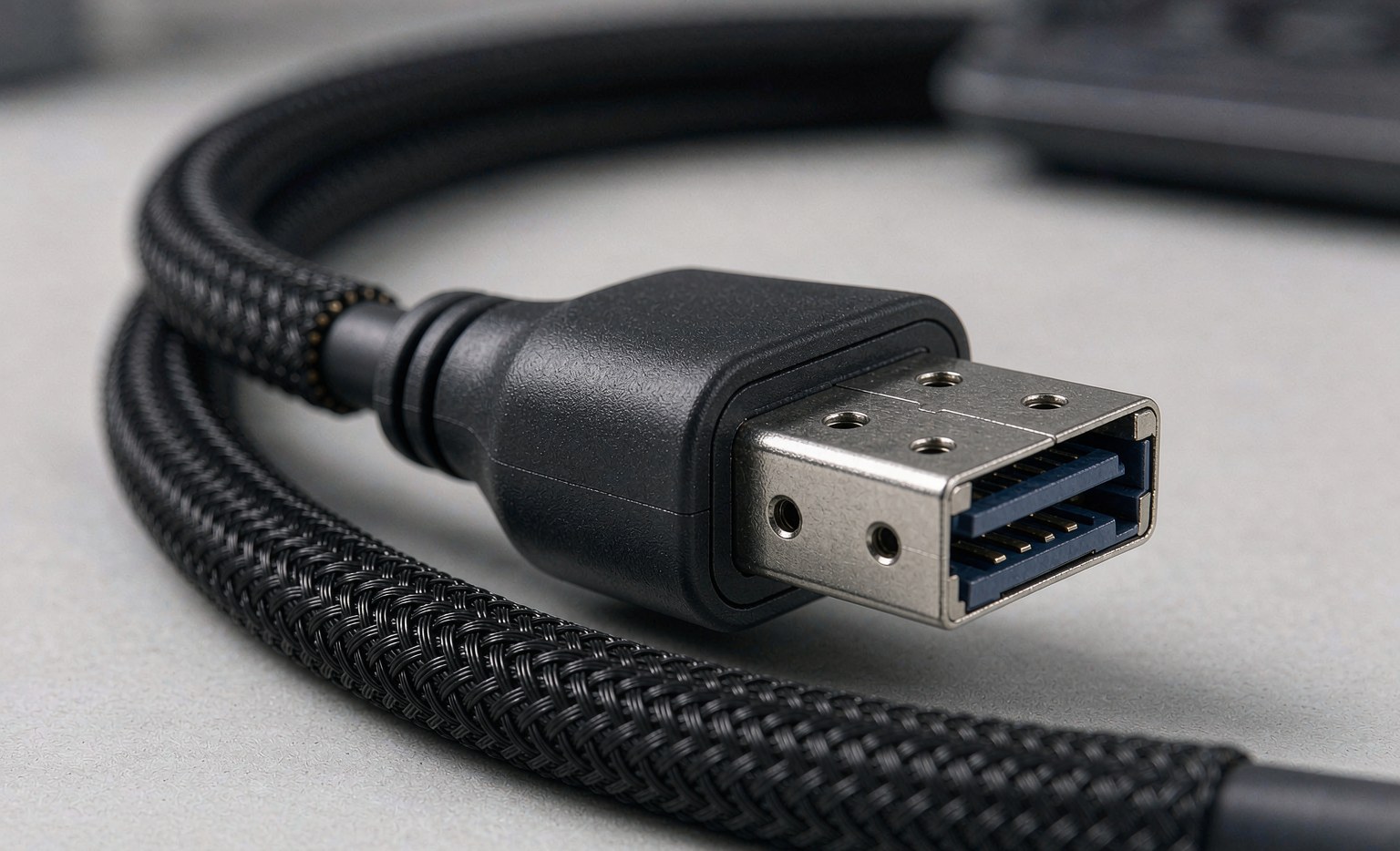
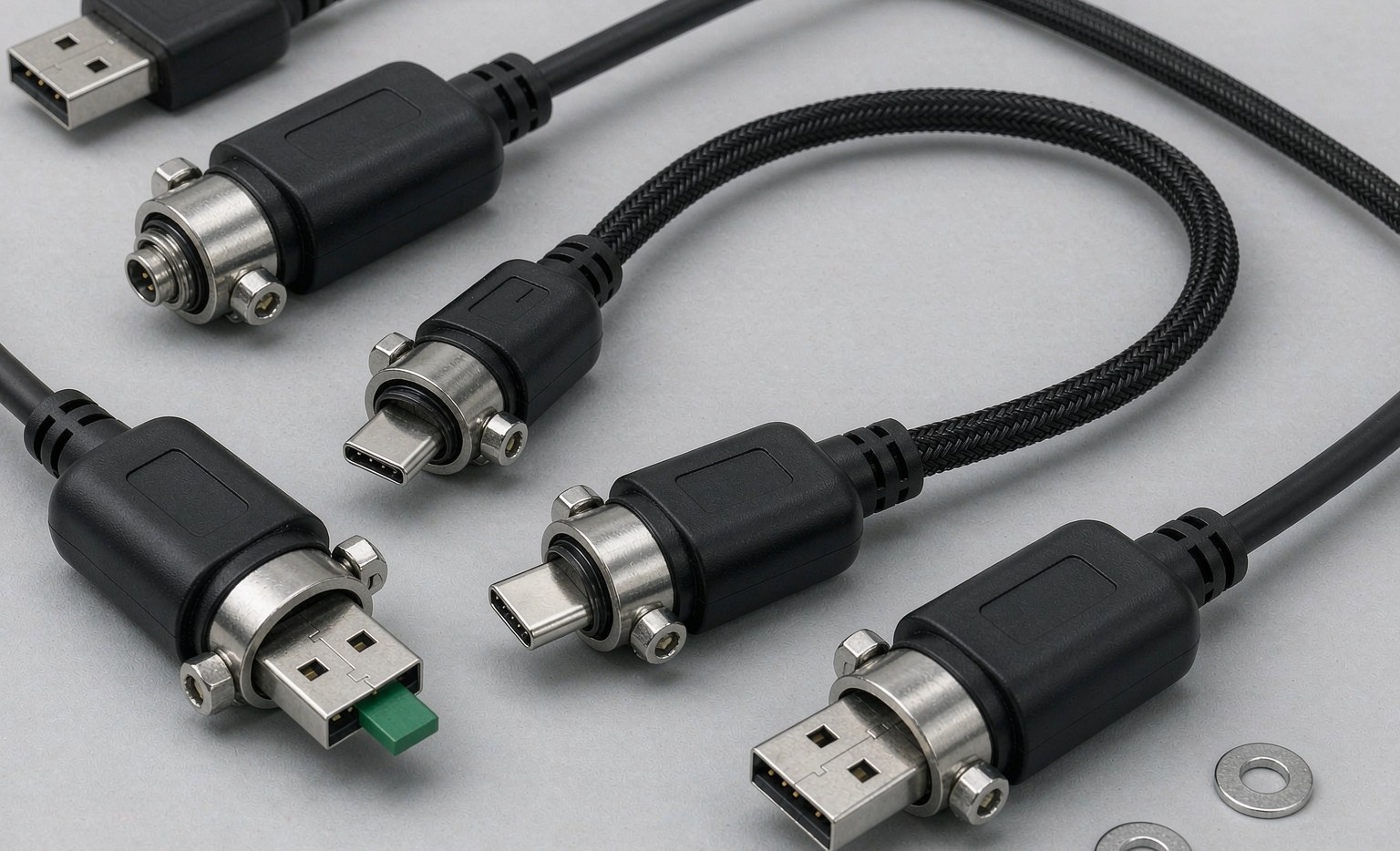
- Industrial Type C-Cable Solutions: Enable high-speed data transmission and power delivery in industrial applications. They are used in applications such as industrial automation and robotics. Industrial Type C-Cable Solutions often require high-speed data transmission protocols, such as USB 3.2 or Thunderbolt 3.
- Power Cables: Transmit power to equipment and machinery, designed for harsh environments. They are used in applications such as industrial machinery and construction equipment. Power cables often require high-current carrying capacity and voltage ratings to support demanding applications.
- Servo Motor Cables: Connect servo motors to control systems, enabling precise motion control. They are used in applications such as robotics and CNC machines. Servo motor cables often require high-flex life and resistance to abrasion to support precise motion control.
When selecting industrial cables, it’s essential to consider the specific application requirements. For example, cables used in high-speed data transmission applications require high-bandwidth and low-latency. In addition, cables used in harsh environments may require specialized materials and constructions, such as PUR or TPE jackets.
Key Specifications for Industrial Cables
Standard industrial cable specifications include:
- Material and Construction: Impact durability, flexibility, and performance. Common materials include PVC, PUR, and TPE. The choice of material depends on the application requirements, such as temperature range and chemical resistance. For example, PVC is often used in general-purpose applications, while PUR is used in applications requiring high-flex life and abrasion resistance.
- Shielding and Screening: Minimize electromagnetic interference (EMI) and ensure signal integrity. Shielding and screening techniques include braiding, foil shielding, and twisted pair. The type and effectiveness of shielding depend on the application requirements, such as frequency range and noise reduction.
- Data Transmission Speed: Support required data transmission speeds for specific applications. For example, Gigabit Industrial Network Cables support data transmission speeds of up to 1 Gbps. The data transmission speed depends on the application requirements, such as real-time data transmission or high-speed data transfer.
- Environmental Resistance: Withstand harsh environments, including extreme temperatures and chemicals. Cables used in outdoor applications must be resistant to UV radiation and moisture. Environmental resistance is critical in ensuring the reliability and longevity of industrial cables.
- Certifications and Compliance: Comply with international standards, such as IEC and UL. Certifications ensure that cables meet specific safety and performance requirements. Compliance with international standards is essential for manufacturers to ensure the quality and reliability of their products.
| Specification | Description |
|---|---|
| IEC 61156 | Specifies requirements for cables used in industrial applications |
| UL 2556 | Specifies requirements for cables used in industrial applications |
| IEC 60228 | Specifies requirements for conductors in cables |
| UL 1581 | Specifies requirements for electrical wires and cables |
| IEC 60332 | Specifies requirements for flame retardancy of cables |
| UL 224 | Specifies requirements for extruded insulated tubing |
Importance of Standardization
Standardization ensures interoperability, reliability, and safety. Compliance with international standards is essential for manufacturers. Standardization also facilitates the comparison of different cables and ensures that they meet specific performance requirements. Non-compliance with standard industrial cable specifications can result in reduced performance, increased downtime, and safety risks.
For example, cables that do not meet EMI shielding requirements can cause data transmission errors and equipment malfunction. In addition, cables that do not meet safety standards can pose a risk to personnel and equipment.
Best Practices for Selecting Industrial Cables
- Application Requirements: Understand specific application requirements. Consider factors such as temperature range, chemical exposure, and data transmission speed. For example, cables used in high-temperature applications may require specialized insulation materials.
- Cable Specifications: Verify necessary specifications, including material and performance characteristics. Check for certifications and compliance with international standards. For example, cables used in industrial automation applications may require high-speed data transmission protocols.
- Supplier Reliability: Partner with a trusted supplier. Consider factors such as product quality, delivery time, and customer support. A reliable supplier can provide technical support and ensure the quality of their products.
- Testing and Certification: Ensure compliance with relevant international standards. Testing and certification ensure that cables meet specific safety and performance requirements. For example, cables used in hazardous environments may require specialized testing and certification.
Frequently Asked Questions
- Q: What are the most common materials used in industrial cables? A: PVC, PUR, and TPE are common materials used in industrial cables.
- Q: What is the importance of shielding in industrial cables? A: Shielding minimizes electromagnetic interference (EMI) and ensures signal integrity.
- Q: How do I ensure that my industrial cables comply with international standards? A: Check for certifications and compliance with international standards, such as IEC and UL.
- Q: What are the key considerations when selecting industrial cables? A: Consider factors such as application requirements, cable specifications, supplier reliability, and testing and certification.
- Q: What are the benefits of using industrial cables with high-flex life? A: Industrial cables with high-flex life can withstand repeated bending and twisting, reducing the risk of cable failure and downtime.
- Q: How do I determine the required data transmission speed for my application? A: Consider factors such as the type of data being transmitted, the required data transfer rate, and the distance between devices.
Case Study: Industrial Cable Selection for Robotics Application
A robotics manufacturer required industrial cables that could withstand harsh environments and support high-speed data transmission. The cables were used to connect servo motors to control systems.
The manufacturer selected industrial cables that met the following specifications:
- Material: PUR
- Shielding: Braiding and foil shielding
- Data transmission speed: 1 Gbps
- Environmental resistance: Temperature range -20°C to 80°C, chemical resistance
- Certifications: IEC 61156 and UL 2556
The selected cables ensured reliable performance and met the required safety and performance standards. The manufacturer also considered factors such as cable flexibility, bend radius, and connector compatibility to ensure seamless integration with their robotics system.
Additional Considerations for Industrial Cable Selection
In addition to the key specifications and best practices outlined above, there are several additional considerations to keep in mind when selecting industrial cables. These include:
- Cable Management: Proper cable management is critical in ensuring the reliability and longevity of industrial cables. Consider factors such as cable routing, securing, and protection.
- Connector Compatibility: Ensure that the connectors used on the cables are compatible with the devices and systems being connected.
- Cable Maintenance: Regular cable maintenance is essential in ensuring the continued reliability and performance of industrial cables. Consider factors such as cleaning, inspection, and replacement.
By considering these additional factors and following the best practices outlined above, manufacturers can ensure the reliable and efficient operation of their industrial systems.