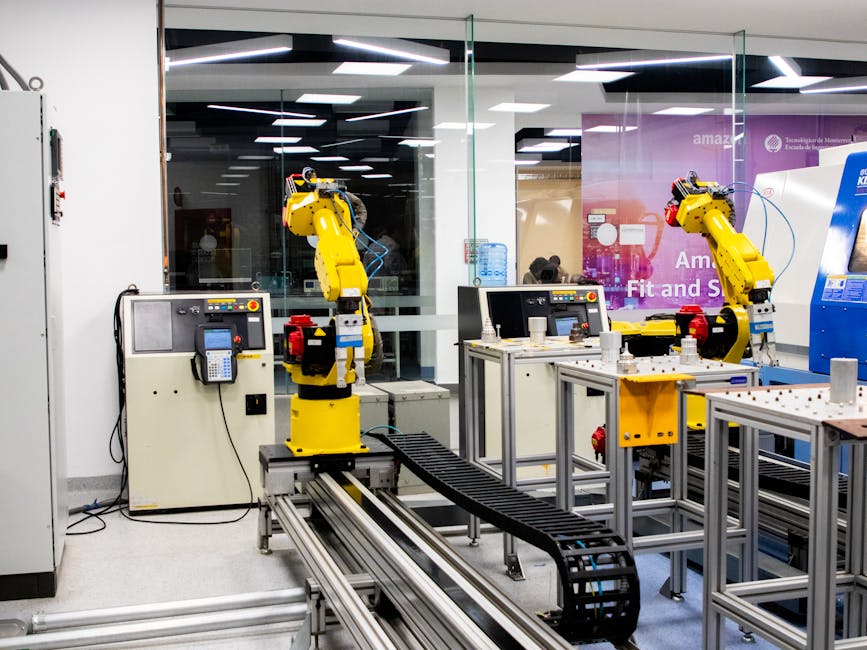
In industrial automation, reliable and efficient cable interconnects are crucial. As industries evolve and adopt complex automation systems, the demand for custom-designed cable interconnects has increased significantly. The complexity of modern industrial automation systems, including robotics, manufacturing lines, and process control systems, necessitates the use of high-performance cables that can withstand harsh environments and ensure precise data and power transmission. For instance, a leading automotive manufacturer implemented custom-designed cable interconnects in their robotic assembly line, resulting in a 30% reduction in downtime and a 25% increase in production efficiency.
Benefits of Custom Cable Interconnects
Custom-designed cable interconnects offer improved signal integrity, enhanced flexibility, and increased resistance to environmental stressors. They reduce downtime and maintenance costs associated with standard cables. By tailoring cable solutions to specific application needs, industries can achieve higher operational efficiency and reliability. For example, in the food processing industry, custom cables can be designed to withstand the humid and corrosive environments often found in production facilities.
- Enhanced Performance: Custom cables meet precise requirements, ensuring high-speed data transmission and reliable power supply. For instance, in industrial robotics, custom cables can be designed to handle high-speed data transfer for precise motion control and real-time monitoring. This can involve using specialized materials and configurations, such as fiber optic cables for high-speed data transmission.
- Increased Flexibility: Tailored solutions fit complex system configurations, reducing installation challenges. Custom cables can be designed to navigate through tight spaces or around complex machinery, simplifying installation and maintenance. For example, in manufacturing lines, custom cables can be designed with flexible materials that can withstand repeated bending and twisting.
- Improved Durability: Custom cables withstand harsh environments, including extreme temperatures, chemical exposure, and mechanical stress. For example, in manufacturing lines, custom cables can be designed with materials that resist abrasion and chemical corrosion, extending their lifespan. In the oil and gas industry, custom cables can be designed to withstand the extreme temperatures and corrosive environments found in drilling and extraction operations.
| Application | Benefits of Custom Cable Interconnects |
|---|---|
| Industrial Robotics | Reliable data and power transmission, enhancing precision and operational efficiency. Custom cables can be designed for high-speed data transfer and to withstand the mechanical stresses associated with robotic movements. For instance, a robotics manufacturer used custom cables to improve the precision of their robotic arms, resulting in a 20% increase in production accuracy. |
| Manufacturing Lines | High-speed data transfer for real-time monitoring and control, enabling predictive maintenance and reducing downtime. Custom cables can also be designed to fit within the constrained spaces often found in manufacturing line setups. For example, a leading electronics manufacturer used custom cables to simplify the installation of their production line monitoring systems, reducing installation time by 40%. |
| Process Control Systems | Accurate signal transmission and system reliability, critical for maintaining process integrity and safety. Custom cables can be designed to minimize signal interference and ensure reliable data transmission. In the chemical processing industry, custom cables can be designed to withstand the corrosive environments and extreme temperatures found in process control systems. |
Design Considerations
Designing custom cable interconnects involves a thorough understanding of application requirements, including environmental conditions, performance needs, and regulatory compliance. Key considerations include material selection, cable configuration, and connector selection. The design process typically involves several steps, including application analysis, material selection, cable configuration design, prototype development and testing, and production planning.
- Material Selection: Choosing materials that offer the required durability and performance. This includes selecting insulation materials that can withstand extreme temperatures and chemical exposure, as well as conductors that provide low signal attenuation. For example, in high-temperature applications, materials such as Teflon or ceramic insulation may be used.
- Cable Configuration: Designing layouts to minimize signal interference and ensure reliable data transmission. This may involve shielding, twisted pair configurations, or other techniques to reduce electromagnetic interference (EMI). For instance, in applications where EMI is a significant concern, custom cables can be designed with shielding materials to minimize interference.
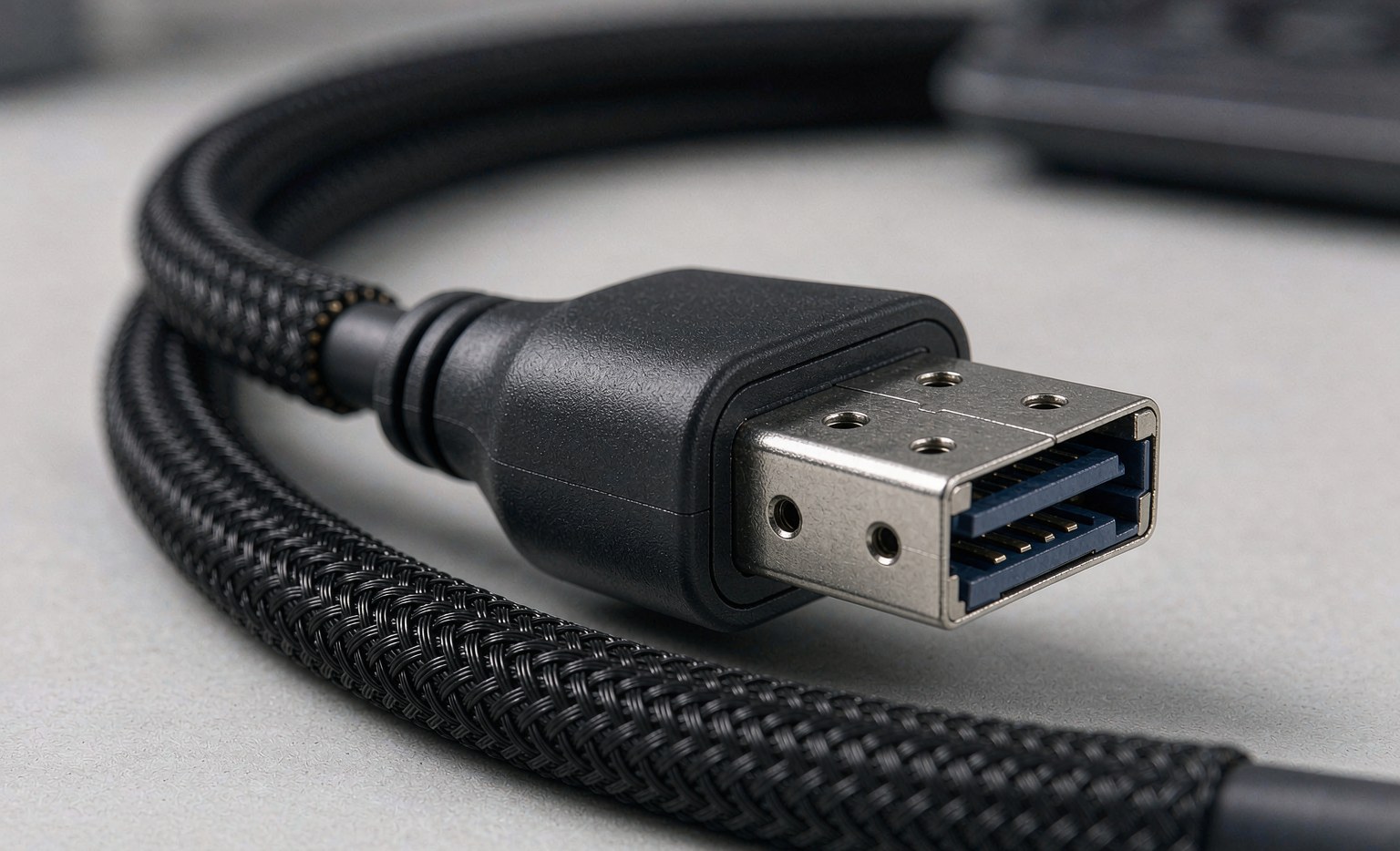
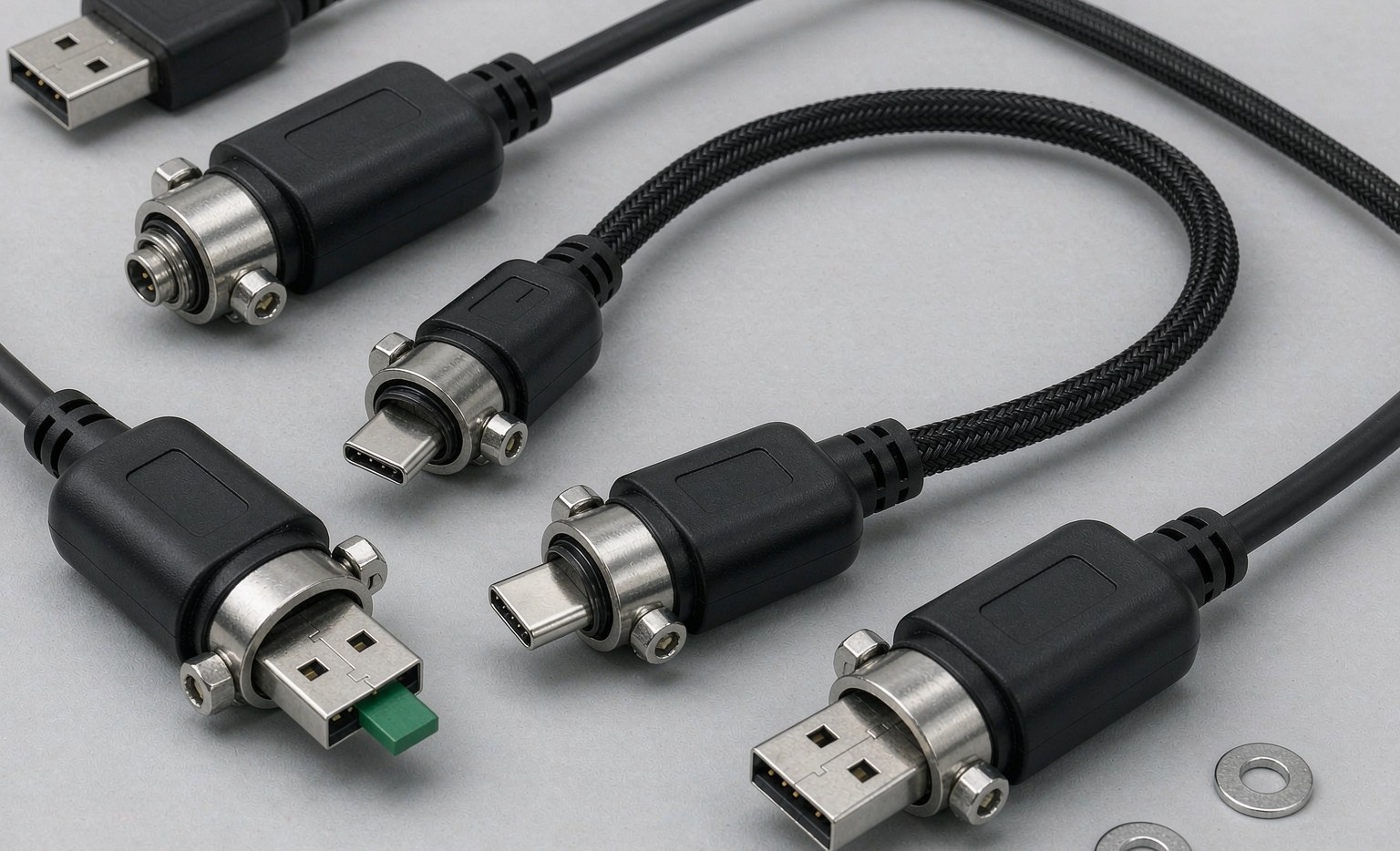
- Connector Selection: Selecting connectors that provide secure connections and meet application requirements. This includes considering factors such as connector durability, ease of installation, and compatibility with existing systems. For example, in applications where connectors are exposed to harsh environments, custom connectors can be designed with materials that resist corrosion and wear.
The design process for custom cable interconnects typically involves:
- Application analysis to understand specific requirements and challenges.
- Material selection based on environmental and performance needs.
- Cable configuration design to minimize signal interference and ensure reliable data transmission.
- Prototype development and testing to validate design choices.
- Production planning to ensure scalability and consistency.
To illustrate the design process, consider the example of a custom cable designed for a robotic welding application. The design process would involve analyzing the application’s requirements, selecting materials that can withstand the high temperatures and mechanical stresses associated with welding, designing a cable configuration that minimizes signal interference, and testing prototypes to validate the design.
Applications and FAQs
Custom-designed cable interconnects are used in various industrial automation sectors, enabling reliable operation of complex machinery and equipment. Their applications range from industrial robotics and manufacturing lines to process control systems and beyond. For instance, in the aerospace industry, custom cables are used in aircraft manufacturing and maintenance to ensure reliable data transmission and power supply.
- Q: What are the benefits of custom-designed cable interconnects?
A: Improved signal integrity, enhanced flexibility, and increased resistance to environmental stressors. Custom cables can be designed to meet the specific needs of an application, enhancing overall system performance and reliability.
- Q: How do I determine the right custom cable solution?
A: Conduct a thorough analysis of application requirements, including environmental conditions, performance needs, and regulatory compliance. This involves understanding the specific challenges of the application and identifying the key factors that will influence cable design.
- Q: What factors should be considered when designing custom cable interconnects?
A: Material selection, cable configuration, and connector selection are key considerations. Additionally, factors such as environmental conditions, performance requirements, and regulatory compliance must be taken into account.
- Q: Can custom cable interconnects be designed for harsh environments?
A: Yes, custom cables can be designed to withstand harsh environments, including extreme temperatures, chemical exposure, and mechanical stress. By selecting appropriate materials and designing the cable configuration to meet specific challenges, custom cables can enhance system reliability in demanding applications.
- Q: How can I ensure the quality and reliability of custom cable interconnects?
A: Work with a reputable manufacturer that has experience in designing and producing custom cables for industrial automation applications. Ensure that the manufacturer follows a rigorous design and testing process, and that the cables are produced to meet relevant industry standards.
By understanding the benefits and design considerations of custom cable interconnects, industries can harness their potential to enhance operational efficiency, reliability, and performance in industrial automation applications.

For more information on custom-designed cable interconnects and their applications in industrial automation, please refer to the following resources:
- Industry report on the use of custom cables in industrial automation
- Case study on the implementation of custom cables in a manufacturing line
- Technical guide to designing custom cables for harsh environments