Introduction: Sourcing Rugged Connectors in Electronics
In industrial control systems, CNC machining centers, and heavy-duty manufacturing environments, electrical connections are continuously subjected to mechanical stress, high vibrations, dust, moisture, and extreme temperatures. Standard consumer-grade electronics cable connectors will quickly fail under these demanding conditions. Therefore, knowing how to specify and evaluate rugged interfaces—such as classic D-SUB (D-Subminiature) connectors—is a critical skill for procurement managers and hardware engineers alike.
As of May 2026, factory automation standards are increasingly calling for more durable shielding and signal isolation due to the proliferation of smart sensors and high-speed industrial IoT devices. This step-by-step sourcing guide is designed to help you navigate the process of selecting, auditing, and purchasing high-durability D-SUB connectors and specialized cable assemblies for the most challenging operating environments.
What You Will Learn in This Sourcing Guide
- The physical anatomy of a rugged sub connector and how to choose the right shell types.
- How to evaluate contact types (stamped vs. machined pins) and gold-plating thickness.
- Critical factors when choosing a d sub cable to usb adapter for industrial programming.
- Standards and specifications that guarantee long-term field reliability.
Prerequisites: Sourcing Information Checklist
Before contacting a manufacturer, compile the following specifications to ensure accurate quoting and avoid compatibility issues:
- Pin Configuration: Standard density (e.g., DB9, DB15, DB25) or high-density (e.g., HD15, HD26, HD44).
- Mounting & Termination Style: Solder cup, PCB through-hole, right-angle, or IDC ribbon mount.
- Environmental Factors: Maximum expected exposure to fluids, oil, chemicals, and physical impact.
- Voltage and Current Load: Maximum amperage per contact pin.
Step-by-Step Sourcing Guide for Industrial Connectors
Step 1: Understand D-SUB and Electronic Cable Connector Architectures
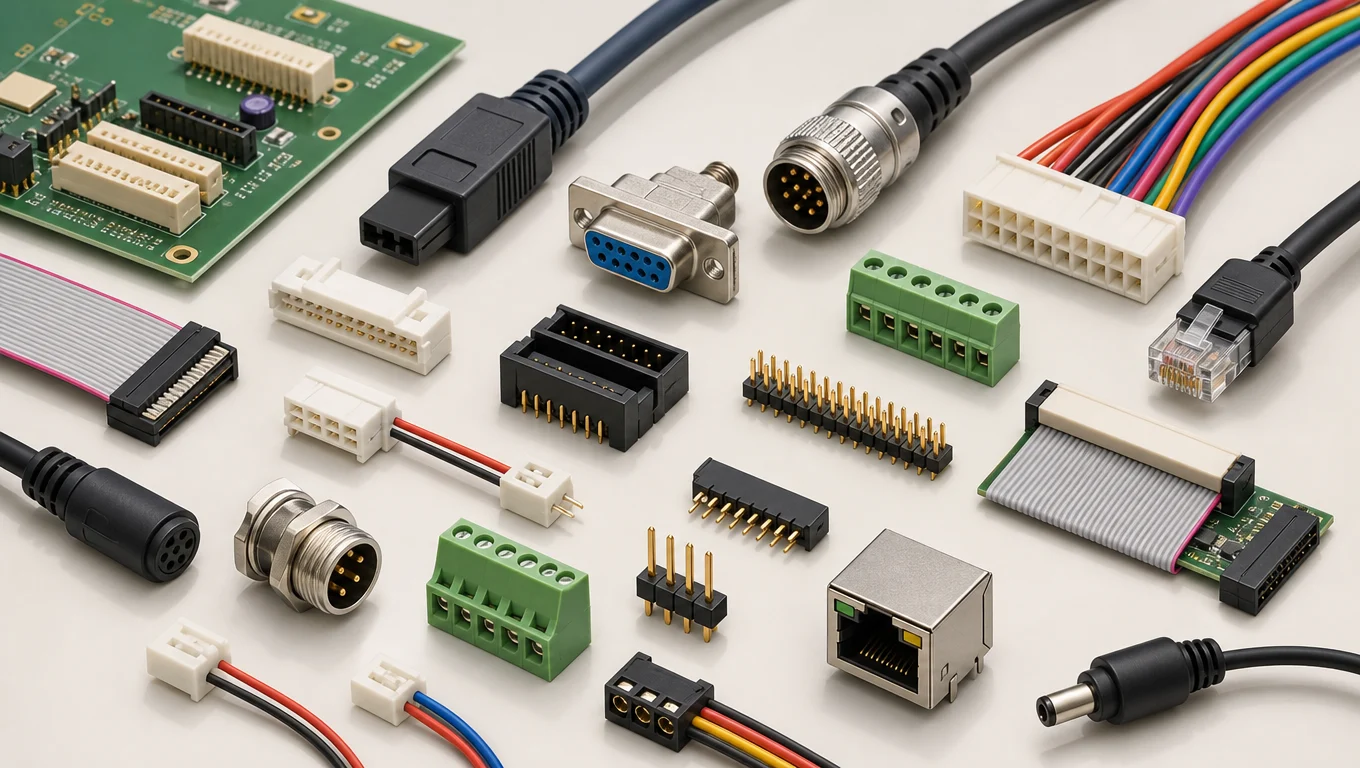
The D-SUB family remains one of the most reliable multi-pin interconnect systems in the industry, largely due to its rugged D-shaped metal shell that protects pins from physical damage and guarantees correct polarization during mating.
In standard automation networks, serial links (RS-232, RS-422, or RS-485) are the standard choice for controller communications. When routing standard serial control signals, engineers often deploy a durable D-Sub 9P Male to Female Connector to link together industrial components and terminal boards. For fast, solder-free field installations, ribbon-style connectors are preferred. For dense multi-signal channels, legacy SCSI ribbon interfaces such as SCSI 68-Pin Male IDC assemblies are utilized to route high-density IO connections inside tight electrical panels.
To integrate serial controllers with modern networking hardware, custom breakout configurations are required. A highly reliable way to convert serial lines directly into structural structured cabling runs is by using a custom DB-9P Female to RJ45 8P8C Male Cable, allowing long-distance diagnostics to be run through standard Cat5e/Cat6 patch networks.
Step 2: Evaluate Shells, Backshells, and IP Ratings
The backshell (or hood) of a sub connector is your primary defense against physical strain and electrical noise. Standard plastic hoods offer no EMI shielding and can easily crack under impact. For industrial applications, specify die-cast zinc alloy or aluminum backshells. These metal hoods provide:
- 360-Degree Shielding: Prevents industrial electrical noise from corrupting data signals.
- Integrated Strain Relief: Heavy-duty screw clamps secure the cable jacket to the connector body, preventing physical tension from pulling on the internal solder joints or crimp terminals.
- Environmental Ingress Protection: For wet, dusty, or oil-prone environments, specify IP67 or IP68 rated assemblies. These utilize silicone sealing o-rings and waterproof plastic or metal boots to seal the mating interface completely.
Step 3: Specify High-Quality Contact Pins (Machined vs. Stamped)
The quality of your signal depends entirely on the connector pins. Most low-cost electronics cable connectors use stamped contacts (formed from sheet metal). Stamped contacts are acceptable for consumer electronics but have low mechanical strength and a high failure rate under vibration.
For industrial control systems, always insist on solid machined contacts. Machined pins are turned from solid brass or copper alloys, offering much higher current carrying capacity and mechanical strength. Furthermore, ensure you specify proper gold plating thickness:
- Gold Flash (Thin Coating): Suitable only for low-cost, low-mating-cycle devices. Wear-through can occur in as few as 10 to 50 mating cycles, exposing the underlying copper to corrosion.
- 15μ” to 30μ” Gold Plating: The industry standard for industrial and aerospace equipment. Provides reliable corrosion resistance and stable signal transfer over hundreds of mating cycles.
Step 4: Understand the Electronics of D-SUB to USB Converters
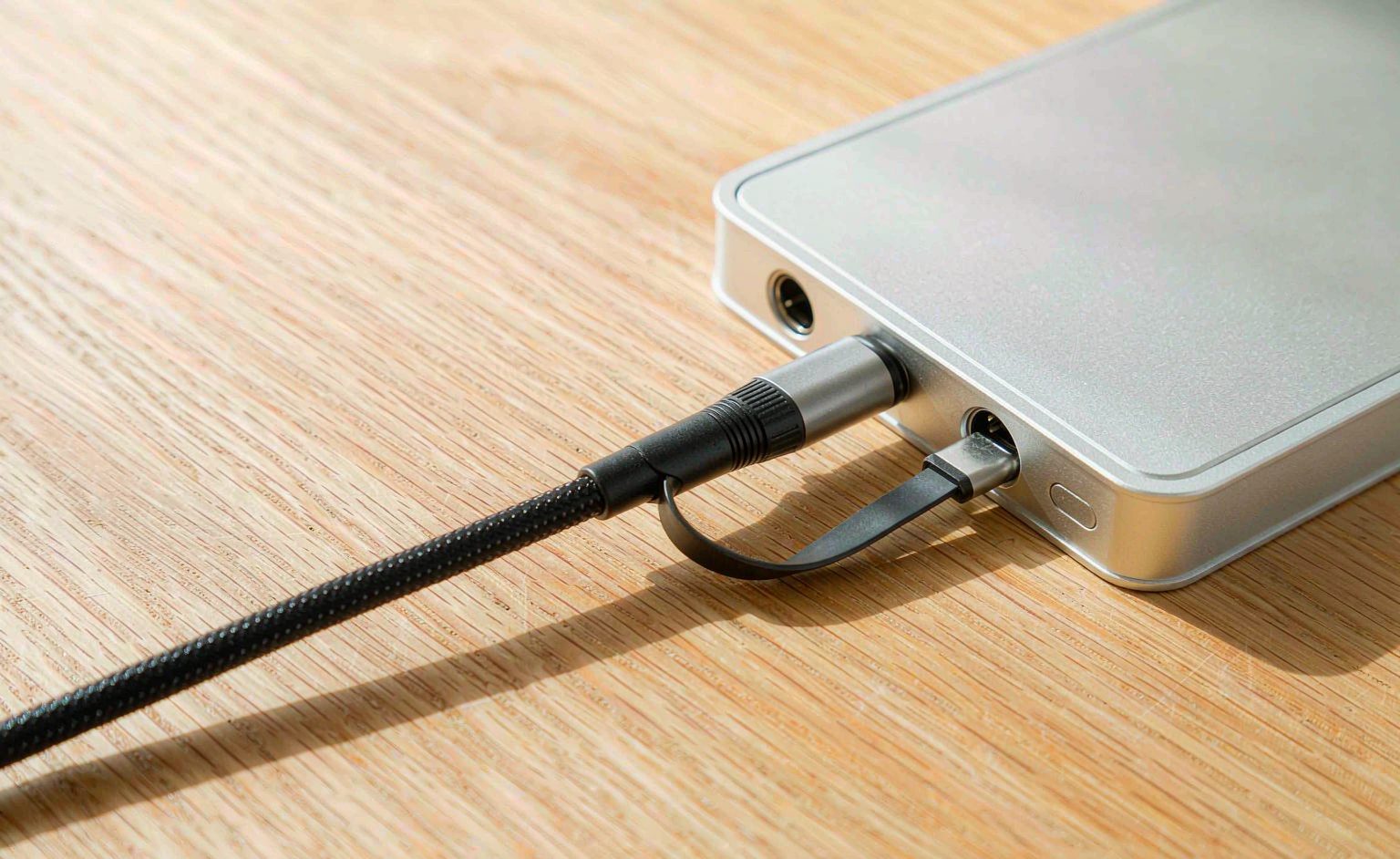
Modern laptops and industrial controllers no longer feature native DB9 serial ports. To interface older PLCs, CNC machines, or sensor hubs, technicians must use a d sub cable to usb converter. When sourcing these conversion cables, the internal electronics are far more important than the physical cable jacket:
- Avoid Cheap Consumer Chipsets: Many cheap consumer-grade conversion cables use low-cost chipsets that lack driver updates, causing frequent system crashes (blue screens) and connection drops on modern industrial operating systems.
- Insist on FTDI or Prolific Chipsets: Industrial-grade converters use high-end chipsets (like FTDI FT232R or Prolific PL2303). These chips offer durable driver support, integrated electrostatic discharge (ESD) protection up to 15kV, and precise baud rate generation.
Sourcing Pitfalls: Stamped vs. Machined Pin Comparison
During the RFQ process, suppliers may present highly varied price options. Use this comparison table to identify where costs are being cut:
| Feature / Specification | Budget / Low-Cost Version | Industrial-Grade Version |
|---|---|---|
| Contact Pin Style | Stamped and formed sheet metal (hollow) | Solid machined brass/copper alloy |
| Plating Thickness | Gold flash (< 3 microinches) | 15μ” to 30μ” heavy gold plating |
| Backshell / Hood Material | ABS plastic or thin metalized plastic | Die-cast zinc alloy or nickel-plated aluminum |
| Mating Cycle Lifespan | ~50 cycles before signal degradation | >500 cycles (meets IPC Class 3 specs) |
| USB Converter Chipset | Generic CH340 / Unbranded copy | Genuine FTDI / Prolific industrial chipsets |
Summary: Partner with an Industrial Interconnect Expert
Sourcing reliable electronic connectors for harsh environments is not about finding the lowest-cost option; it is about ensuring your equipment operates continuously without failure. By specifying die-cast metal backshells, solid machined contacts, and proper gold plating, you protect your critical data channels and avoid expensive unscheduled maintenance.
At LUNG KAY, we build and test a wide variety of custom D-SUB assemblies, industrial network cables, and ruggedized electronic connectors. We source only certified raw materials and subject every custom cable run to strict continuity, insulation, and physical strain testing to guarantee peak performance in the field. To learn more about our hardware capabilities, explore our Product Center, review our quality control guidelines on our About Us page, or contact our engineering support desk directly to discuss custom layouts and technical specifications for your next system design.
Frequently Asked Questions
Q: What is the main advantage of choosing a machined pin over a stamped pin D-SUB connector?
A: Machined pins are turned from solid metal alloys, making them much stronger and less likely to bend or break under heavy physical vibration. They also provide better conductivity, lower contact resistance, and can support higher electrical currents than hollow, stamped sheet-metal pins.
Q: Why do cheap D-SUB to USB adapter cables experience driver issues on modern computers?
A: Cheap adapters often utilize clone or counterfeit USB-to-serial chips to save costs. Operating systems like Windows 11 and recent Linux kernels actively block these counterfeit devices in their official driver updates, causing the converter to stop working. Industrial-grade cables utilize genuine FTDI or Prolific chipsets with fully signed, continuously updated drivers.
Q: How do IP67-rated D-SUB connectors maintain their waterproof seal?
A: IP67 D-SUB connectors utilize integrated rubber or silicone gaskets around the mating flange and epoxy-sealed contact pins at the rear of the connector body. This prevents water, oil, and dust from entering the electrical contact area even when submerged in shallow water.