Testing EMI Shielded Industrial Cables for Reliable Industrial Automation
Understanding EMI Shielded Industrial Cables
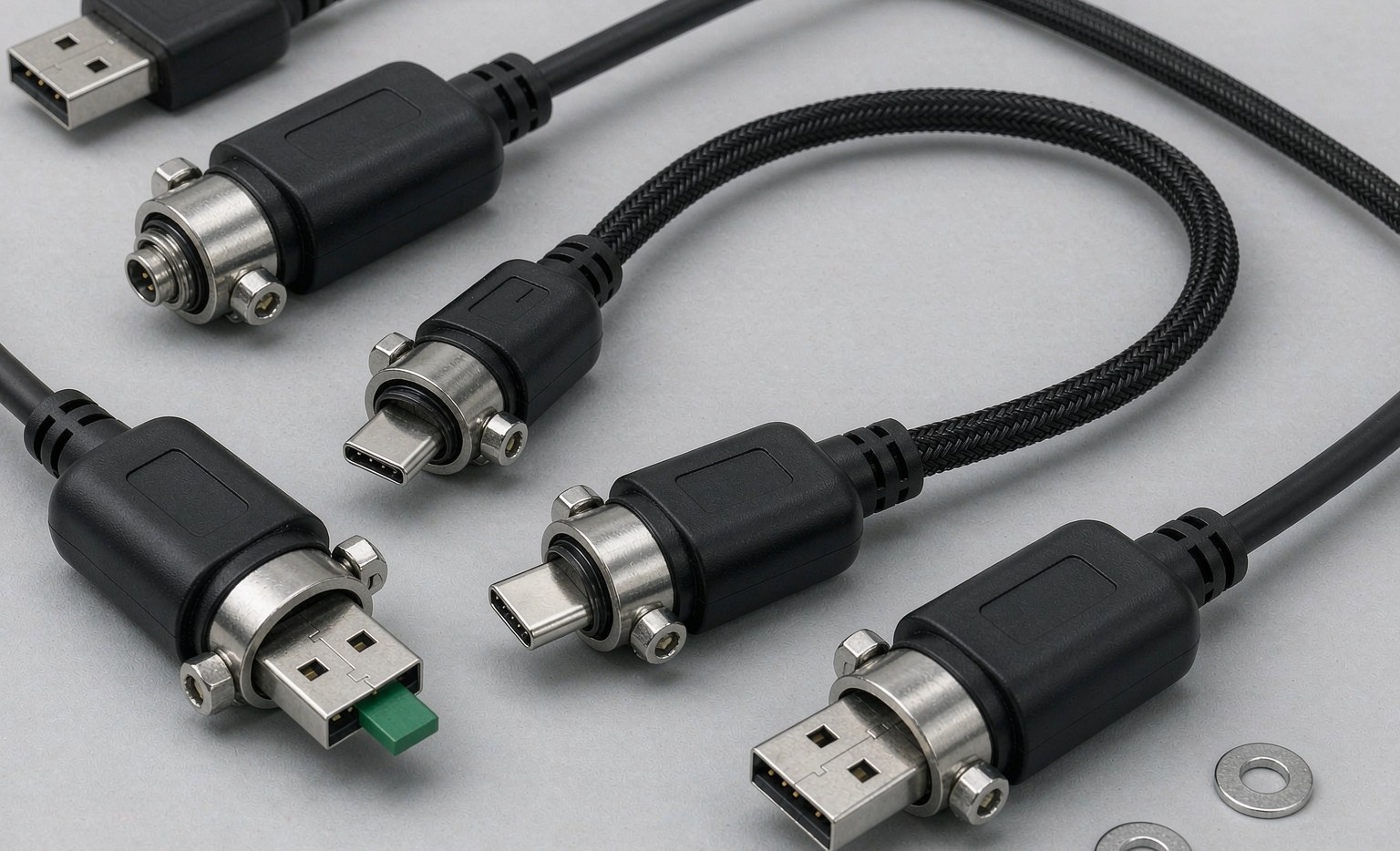
EMI shielded industrial cables are designed to protect against electromagnetic interference (EMI), ensuring reliable data transmission and power supply in industrial automation applications. Shielding materials like copper, aluminum, or silver provide excellent electromagnetic shielding properties. These cables are used in a variety of industrial settings, including manufacturing plants, processing facilities, and power generation plants. For more information on the importance of shielded cables in industrial automation, see Shielded Cables for Industrial Automation: Ensuring Reliable Data Transmission and Power Supply.
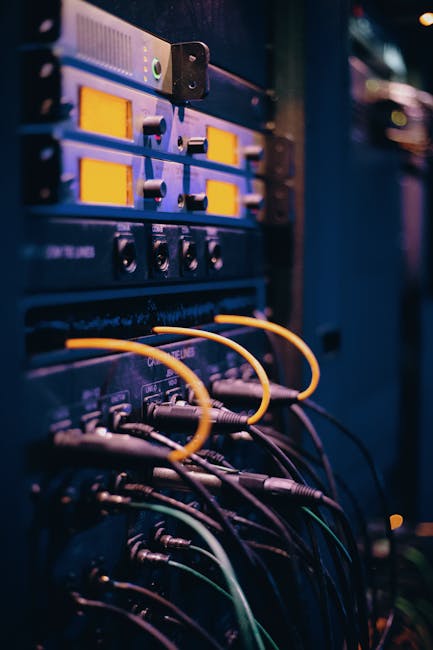
These cables are crucial for maintaining the integrity of industrial control systems, robotics, and automated equipment. In manufacturing plants, EMI shielded cables connect sensors and actuators to control systems, ensuring reliable signal transmission. For example, in a factory setting, EMI shielded cables are used to connect sensors on the production line to the control room, allowing for real-time monitoring and control of the production process. Additionally, they are used in robotic assembly lines to transmit data between robots and control systems, ensuring precise and efficient assembly.
To further illustrate their importance, consider a power generation plant where EMI shielded cables are used to connect monitoring equipment to control systems. In this environment, the cables are exposed to high levels of electromagnetic interference from generators and other equipment. EMI shielded cables ensure that the monitoring equipment can transmit accurate data to the control system, allowing for reliable monitoring and control of the power generation process.
Moreover, EMI shielded industrial cables are also used in other industrial applications such as in the oil and gas industry, where they are used to connect sensors and monitoring equipment on offshore platforms to control systems onshore. They are also used in the chemical processing industry to connect control systems to equipment such as pumps and valves.
Why Testing EMI Shielded Industrial Cables is Crucial
Testing ensures cables meet required industrial automation standards, such as those set by the International Electrotechnical Commission (IEC) or the Institute of Electrical and Electronics Engineers (IEEE). The process involves evaluating shielding effectiveness, signal integrity, and durability. For more information on cable performance testing, see Cable Performance Testing Best Practices for Industrial and Commercial Applications.
- Shielding effectiveness testing assesses the cable’s ability to prevent EMI penetration using methods such as the IEC 62153-4-3 standard. This involves measuring the cable’s shielding effectiveness in a test setup that simulates real-world EMI exposure.
- Signal integrity testing evaluates signal transmission without distortion or loss, using techniques such as time-domain reflectometry (TDR) or frequency-domain analysis. This testing helps ensure that the cable can transmit data accurately and reliably.
- Durability testing assesses resistance to environmental factors like temperature, mechanical stress, and chemical exposure. This testing is critical to ensuring that the cable can withstand the harsh conditions often found in industrial environments.
| Test Type | Description |
|---|---|
| Shielding Effectiveness | Assesses EMI prevention using methods such as IEC 62153-4-3 |
| Signal Integrity | Evaluates signal transmission quality using techniques like TDR or frequency-domain analysis |
| Durability | Assesses resistance to environmental factors like temperature, mechanical stress, and chemical exposure |
The testing process typically involves several steps:
- Preparation: The cable is prepared for testing by cleaning and preparing the connectors. This step is crucial to ensuring accurate test results.
- Shielding effectiveness testing: The cable is tested for shielding effectiveness using a test setup such as a shielded enclosure or a test fixture. The test setup is designed to simulate real-world EMI exposure.
- Signal integrity testing: The cable is tested for signal integrity using a signal generator and a measurement device such as an oscilloscope or a spectrum analyzer. This testing evaluates the cable’s ability to transmit data accurately.
- Durability testing: The cable is subjected to environmental stressors such as temperature, mechanical stress, or chemical exposure, and its performance is evaluated. This testing helps ensure that the cable can withstand harsh industrial environments.
For example, a manufacturer of EMI shielded industrial cables may perform shielding effectiveness testing using a shielded enclosure. The test involves measuring the cable’s shielding effectiveness at various frequencies to ensure it meets the required standards.
Additionally, testing can also involve other types of tests such as:
- Insertion loss testing: This test measures the loss of signal power as it travels through the cable.
- Return loss testing: This test measures the amount of signal power that is reflected back to the source due to impedance mismatch.
- Crosstalk testing: This test measures the amount of electromagnetic interference that is coupled between adjacent cables.
Benefits of Testing EMI Shielded Industrial Cables
Testing offers several benefits, including ensuring reliable data transmission, reducing equipment failure risk, and improving system performance. For more information on the benefits of testing industrial cables, see Industrial Automation Equipment Cables: Enhancing Efficiency and Reliability in Modern Manufacturing.
- Reliable data transmission and power supply: Testing ensures that the cable can transmit data and power reliably, even in harsh industrial environments.
- Reduced equipment failure and downtime: By identifying potential issues before they become major problems, testing can help reduce equipment failure and downtime.
- Improved system performance and efficiency: Testing can help optimize system performance and efficiency by ensuring that the cable is operating within its specified parameters.
- Compliance with industry standards: Testing ensures that the cable meets relevant industry standards, such as those set by the IEC or IEEE.
To illustrate the benefits of testing, consider a manufacturing plant that uses EMI shielded cables to connect sensors and actuators to control systems. By testing these cables regularly, the plant can ensure reliable data transmission and reduce the risk of equipment failure. This, in turn, can help improve overall system performance and efficiency.
Best Practices for Testing EMI Shielded Industrial Cables
To ensure accurate testing results, follow these best practices:
- Use calibrated testing equipment: Ensure that all testing equipment is calibrated and verified to be functioning correctly.
- Follow industry-standard testing protocols: Use standardized testing protocols, such as those set by the IEC or IEEE, to ensure consistency and accuracy.
- Test under various environmental conditions: Test the cable under a range of environmental conditions, including temperature, humidity, and mechanical stress, to simulate real-world operating conditions.
- Use proper test fixtures and setups: Use test fixtures and setups that are designed for the specific cable being tested, and that minimize the risk of test errors or damage to the cable.
For instance, when testing EMI shielded cables for shielding effectiveness, it is essential to use a test setup that simulates real-world EMI exposure. This may involve using a shielded enclosure or a test fixture that is designed to mimic the cable’s operating environment.
Frequently Asked Questions (FAQs) About Testing EMI Shielded Industrial Cables
- Q: What is the purpose of testing EMI shielded industrial cables? A: To ensure they meet industrial automation standards and can operate reliably in harsh industrial environments.
- Q: What types of testing are typically performed? A: Shielding effectiveness, signal integrity, and durability testing are commonly performed.
- Q: How often should EMI shielded industrial cables be tested? A: The frequency of testing depends on the specific application and the cable’s operating environment. Typically, cables are tested during initial installation, and then at regular intervals thereafter.
- Q: Can EMI shielded industrial cables be tested in the field? A: Yes, some testing can be performed in the field using portable testing equipment. However, more comprehensive testing is typically performed in a controlled laboratory environment.
- Q: What are the consequences of not testing EMI shielded industrial cables? A: Failure to test EMI shielded industrial cables can result in equipment failure, downtime, and reduced system performance, ultimately leading to increased costs and decreased productivity.
- Q: How can I ensure that my EMI shielded industrial cables are tested correctly? A: By following industry-standard testing protocols and using calibrated testing equipment, you can ensure that your cables are tested accurately and reliably.
- Q: What are the most common causes of EMI shielded industrial cable failure? A: Common causes of failure include exposure to harsh environmental conditions, mechanical stress, and electrical overstress.
- Q: Can EMI shielded industrial cables be repaired or replaced? A: Yes, damaged or faulty cables can be repaired or replaced. However, it is essential to follow proper repair and replacement procedures to ensure that the cable continues to operate reliably.
- Q: How can I select the right EMI shielded industrial cable for my application? A: By considering factors such as the cable’s shielding effectiveness, signal integrity, and durability, as well as its compatibility with your specific application and operating environment.