The Importance of Custom Cable Interconnects in Telecommunications
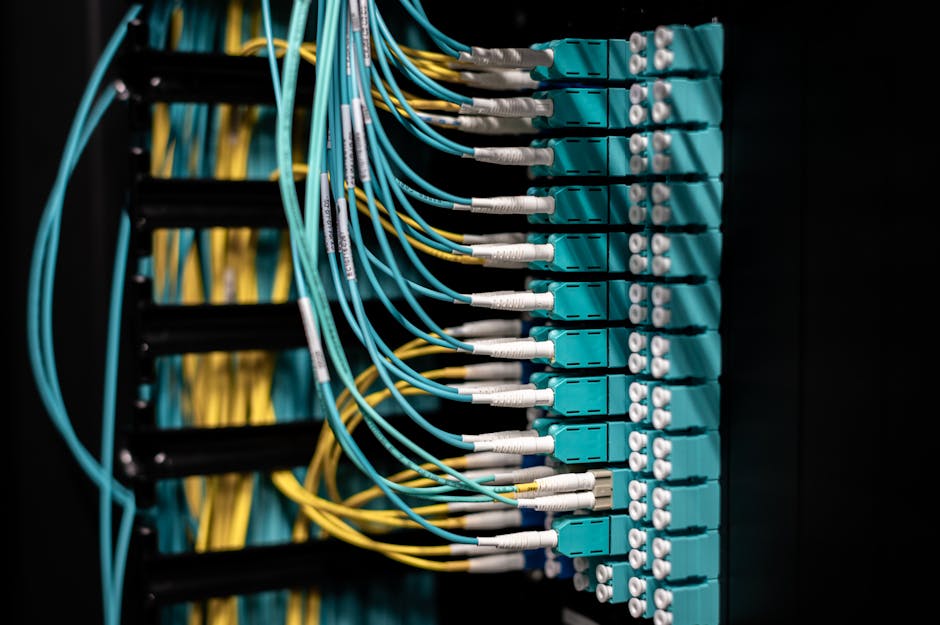
In telecommunications, the demand for high-speed data transfer and reliable connectivity is ever-increasing. Custom cable interconnects meet these demands by providing tailored solutions for specific applications. For instance, in data centers, they optimize cable routing, reducing clutter and improving airflow, thus enhancing system performance and reliability. A notable example is the use of custom cable interconnects in large-scale data centers, such as those operated by Google or Amazon, where they play a crucial role in maintaining the integrity and speed of data transfer. The Critical Role of High-Speed Data Cables in a Connected World highlights the significance of high-speed data cables in modern telecommunications.
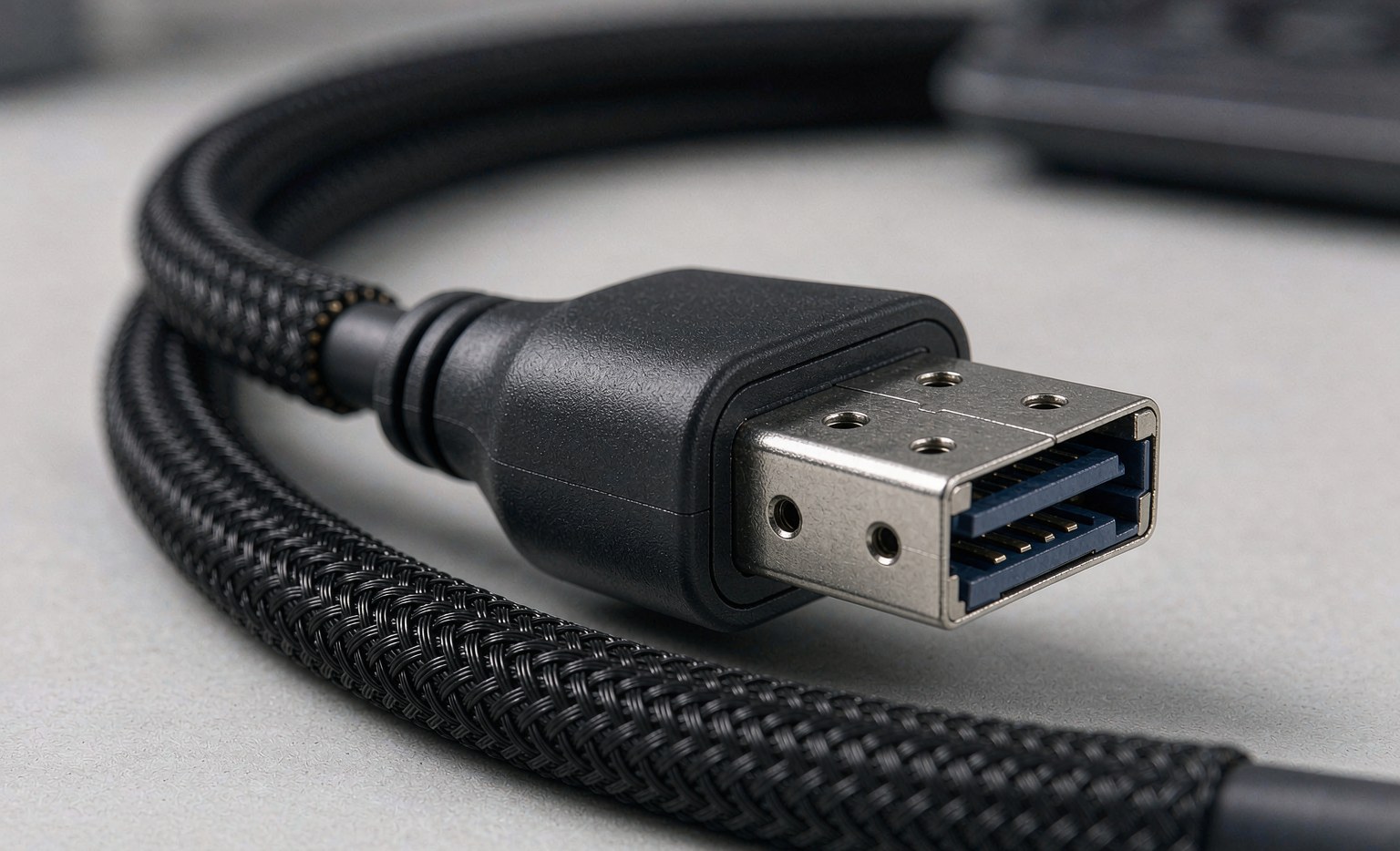
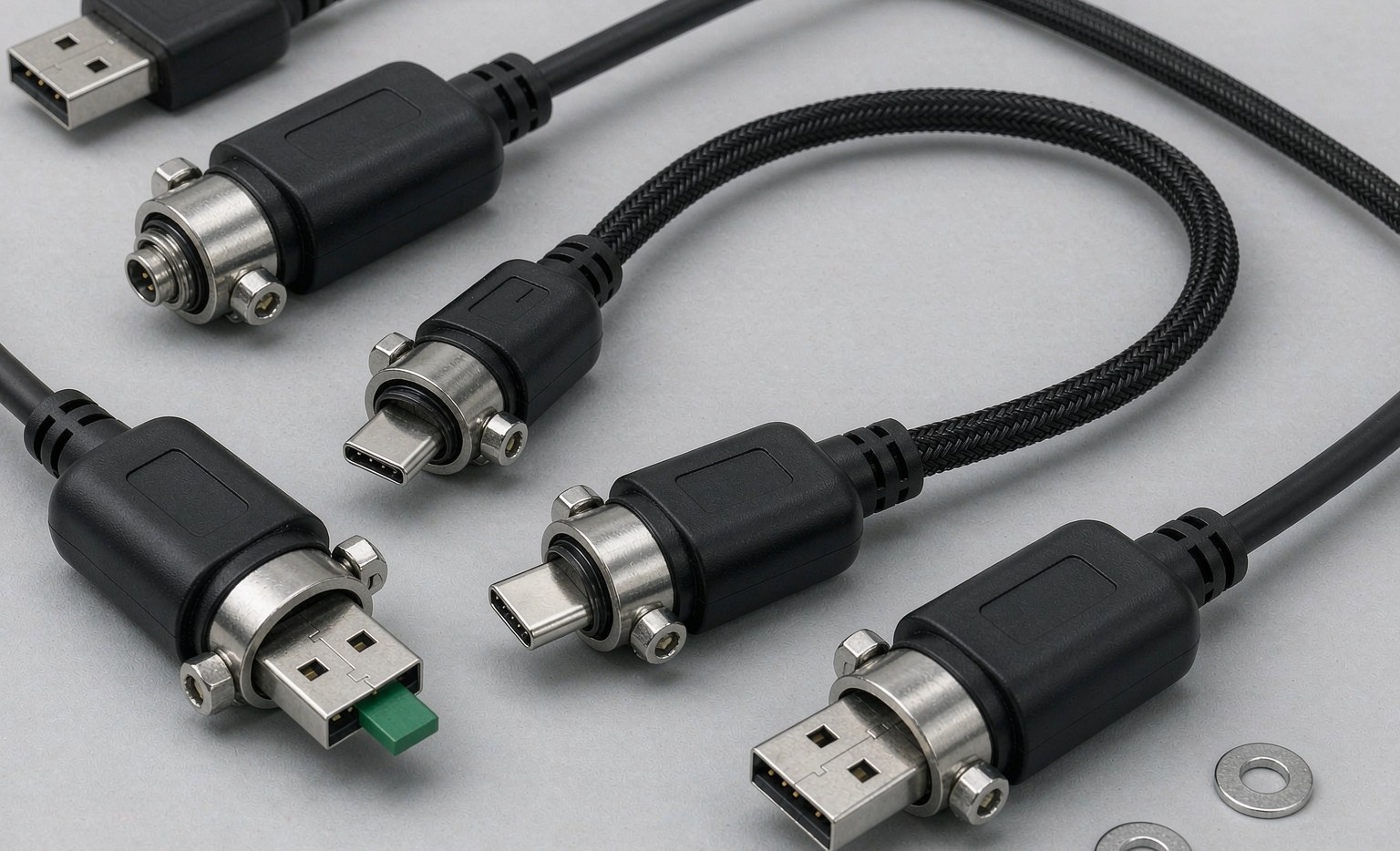
Unlike standard cables, custom cable interconnects are designed and manufactured to meet unique application needs, enabling optimal performance, reduced signal degradation, and increased system reliability. They can be designed with specific shielding and insulation to mitigate electromagnetic interference (EMI) in high-speed data transfer applications. For example, in 5G networks, custom cable interconnects are designed to handle the high-frequency signals used in these networks, ensuring reliable data transfer and minimizing signal loss.
To illustrate the importance of custom cable interconnects, let’s consider a case study. A leading telecommunications company implemented custom cable interconnects in their data center, resulting in a 30% reduction in signal degradation and a 25% increase in data transfer speeds. This improvement was achieved through the use of custom-designed cables with optimized shielding and insulation, which reduced EMI and ensured reliable data transfer.
The Role of Custom Cable Interconnects
The role of custom cable interconnects in telecommunications cannot be overstated. They are used to connect various components within a system, such as servers, routers, and switches, and are designed to provide reliable and high-speed data transfer. Custom cable interconnects can be used in a variety of applications, including data centers, telecommunications infrastructure, wireless communication systems, and high-speed data transfer systems. What Is a Flat Cable? The Engineering Benefits of Flexible Flat Interconnects provides insights into the benefits of flexible flat interconnects.
For example, in wireless communication systems, custom cable interconnects are used to connect base stations to the core network, ensuring reliable and high-speed data transfer. In high-speed data transfer systems, custom cable interconnects are used to connect devices such as servers and storage systems, enabling fast and reliable data transfer.
Benefits of Custom Cable Interconnects
- Improved signal integrity and reduced EMI
- Enhanced performance and reliability in high-speed data transfer
- Increased flexibility and durability in harsh environments
- Optimized cable routing and reduced clutter
- Compliance with industry standards and regulations
- Reduced downtime and increased system uptime
| Benefit | Description |
|---|---|
| Improved Signal Integrity | Custom cable interconnects reduce signal degradation and EMI. |
| Enhanced Performance | They enhance performance and reliability in high-speed data transfer applications. |
| Increased Flexibility | Custom cable interconnects can be designed to be flexible and durable, making them suitable for use in harsh environments. |
| Compliance with Industry Standards | Custom cable interconnects can be designed to comply with industry standards and regulations, such as those related to safety and environmental sustainability. |
To further illustrate the benefits of custom cable interconnects, let’s consider the example of a telecommunications company that implemented custom cable interconnects in their network infrastructure. The company reported a 20% reduction in downtime and a 15% increase in system uptime, resulting in improved overall network reliability and performance.
Applications in Telecommunications
Custom cable interconnects are used in various telecommunications applications, including:
- Data centers and server rooms
- Telecommunications infrastructure and networks
- Wireless communication systems and base stations
- 5G networks and infrastructure
- High-speed data transfer systems
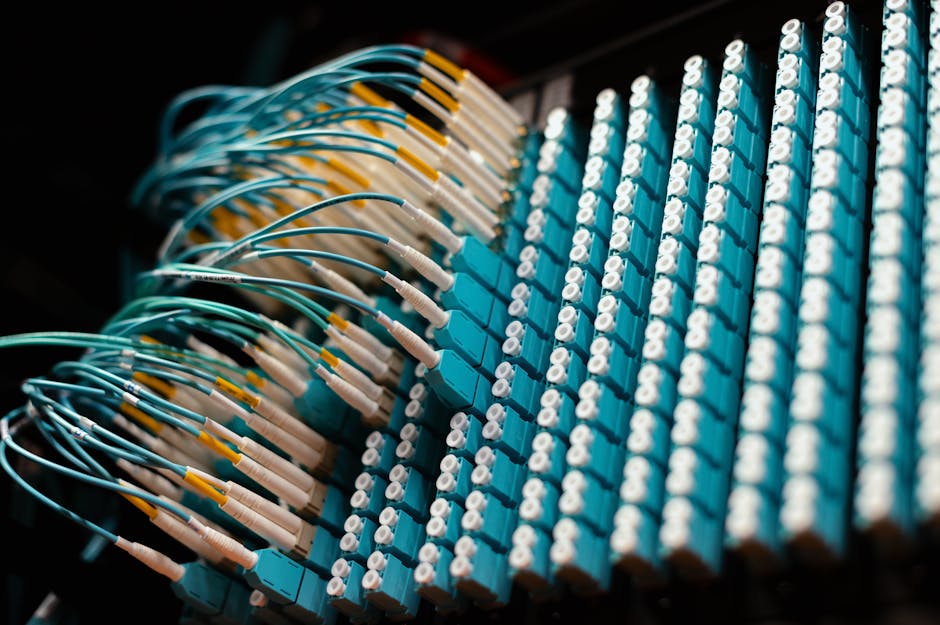
In data centers, custom cable interconnects are used to connect servers, storage systems, and network equipment, ensuring reliable and high-speed data transfer. In telecommunications infrastructure, they are used to connect cell towers, base stations, and other network equipment.
For instance, in 5G networks, custom cable interconnects are used to connect base stations to the core network, enabling fast and reliable data transfer. In high-speed data transfer systems, custom cable interconnects are used to connect devices such as servers and storage systems, ensuring reliable and high-speed data transfer.
Design and Manufacturing Considerations
The design and manufacturing of custom cable interconnects require careful consideration of several factors, including:
- Material selection and cable construction
- Signal integrity and EMI mitigation
- Environmental factors and durability
- Compliance with industry standards and regulations
Manufacturers must adhere to strict quality control measures, including testing and validation, to ensure custom cable interconnects meet required specifications and standards. This includes testing for signal integrity, EMI, and environmental factors such as temperature and humidity. Signal Integrity: The Unseen Factor Defining High-Speed Cable Performance emphasizes the importance of signal integrity in high-speed cable performance.
To ensure compliance with industry standards, manufacturers must stay up-to-date with the latest regulations and standards, such as those related to safety and environmental sustainability. This includes compliance with standards such as UL (Underwriters Laboratories) and ETL (Intertek) for safety, and RoHS (Restriction of Hazardous Substances) for environmental sustainability.
Steps for Designing Custom Cable Interconnects
- Define the application requirements and specifications
- Select the appropriate materials and cable construction
- Design the cable interconnect to meet signal integrity and EMI requirements
- Test and validate the custom cable interconnect
- Ensure compliance with industry standards and regulations
To illustrate the design process, let’s consider an example. A telecommunications company requires a custom cable interconnect for their data center. The design process would involve defining the application requirements and specifications, selecting the appropriate materials and cable construction, designing the cable interconnect to meet signal integrity and EMI requirements, testing and validating the custom cable interconnect, and ensuring compliance with industry standards and regulations.
Frequently Asked Questions (FAQs)
- Q: What are custom cable interconnects? A: Custom cable interconnects are tailored solutions designed to meet specific application needs in telecommunications.
- Q: What are the benefits of custom cable interconnects? A: The benefits include improved signal integrity, enhanced performance, increased flexibility, and compliance with industry standards.
- Q: How are custom cable interconnects designed and manufactured? A: They are designed and manufactured with careful consideration of material selection, signal integrity, environmental factors, and compliance with industry standards.
- Q: What are the common applications of custom cable interconnects? A: Custom cable interconnects are used in various telecommunications applications, including data centers, telecommunications infrastructure, wireless communication systems, and high-speed data transfer systems.
- Q: How do custom cable interconnects improve data transfer speeds? A: Custom cable interconnects improve data transfer speeds by reducing signal degradation and EMI, and ensuring reliable and high-speed data transfer.
Conclusion
Custom cable interconnects are vital in telecommunications, providing tailored solutions that enhance performance, reliability, and efficiency. Understanding their benefits, applications, and design considerations is crucial for ensuring reliable and efficient data transfer. By selecting the right custom cable interconnects and following proper design and manufacturing procedures, telecommunications companies can ensure high-quality data transfer and maintain a competitive edge in the industry.