Interconexiones de cable personalizadas en telecomunicaciones: Mejora del Rendimiento y la Confiabilidad
The Importance of Custom Cable Interconnects in Telecommunications
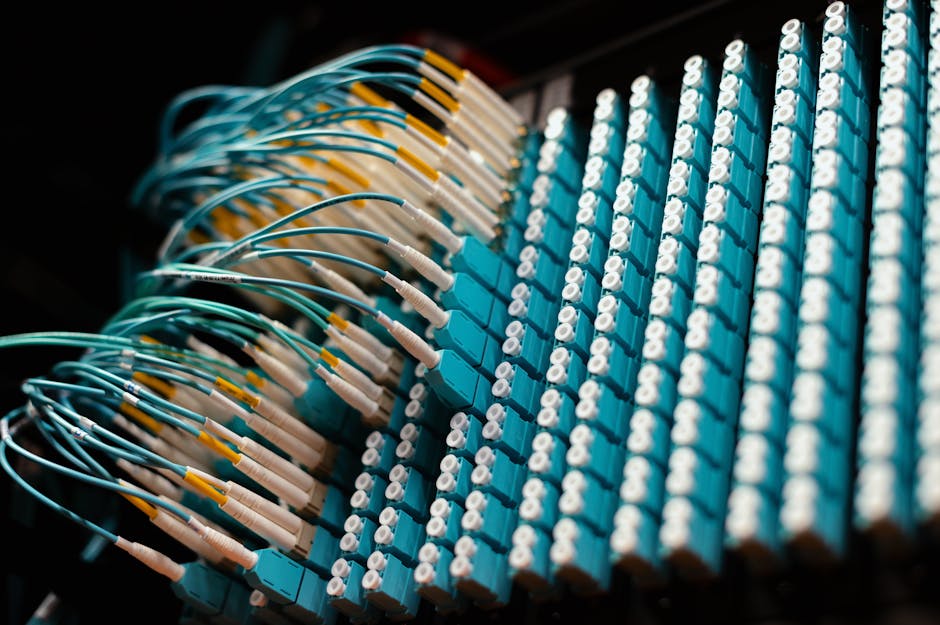
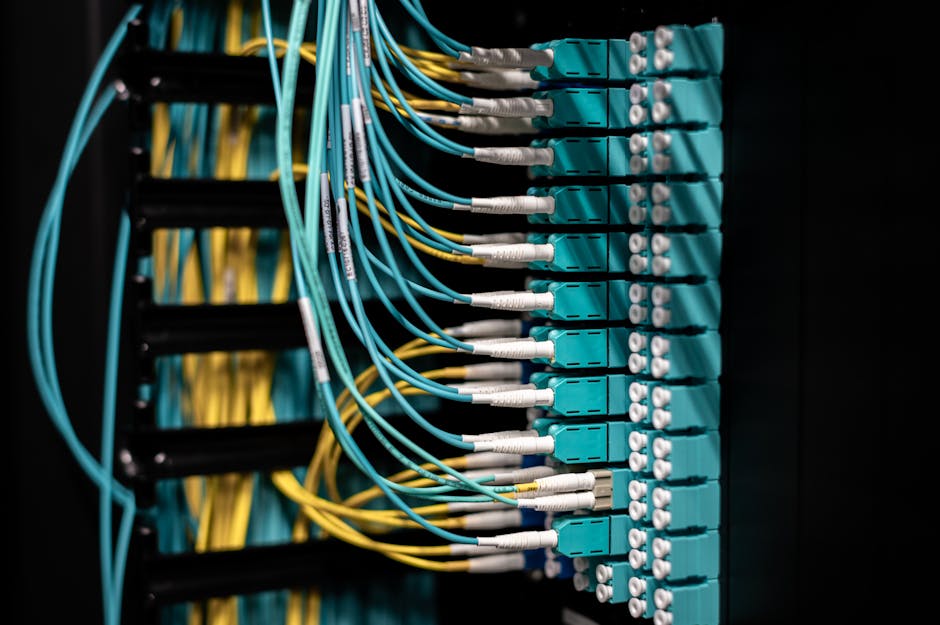
In telecommunications, the demand for high-speed data transfer and reliable connectivity is ever-increasing. Custom cable interconnects meet these demands by providing tailored solutions for specific applications. For instance, in data centers, they optimize cable routing, reducing clutter and improving airflow, thus enhancing system performance and reliability. A notable example is the use of custom cable interconnects in large-scale data centers, such as those operated by Google or Amazon, where they play a crucial role in maintaining the integrity and speed of data transfer. El papel crucial de los cables de datos de alta velocidad en un mundo conectado highlights the significance of high-speed data cables in modern telecommunications.
Unlike standard cables, custom cable interconnects are designed and manufactured to meet unique application needs, enabling optimal performance, reduced signal degradation, and increased system reliability. They can be designed with specific shielding and insulation to mitigate electromagnetic interference (EMI) in high-speed data transfer applications. For example, in 5G networks, custom cable interconnects are designed to handle the high-frequency signals used in these networks, ensuring reliable data transfer and minimizing signal loss.
Para ilustrar la importancia de las interconexiones de cables personalizados, consideremos un estudio de caso. Una empresa líder en telecomunicaciones implementó interconexiones de cables personalizados en su centro de datos, lo que resultó en una reducción de un 30 % en la degradación de la señal y un aumento del 25 % en la velocidad de transferencia de datos. Esta mejora se logró mediante el uso de cables diseñados a medida con blindaje y aislamiento optimizados, lo que redujo la EMI y garantizó una transferencia de datos confiable.
El papel de las interconexiones de cables personalizados
El papel de las interconexiones de cables personalizados en las telecomunicaciones no se puede exagerar. Se utilizan para conectar diversos componentes dentro de un sistema, como servidores, routers y conmutadores, y están diseñados para proporcionar una transferencia de datos confiable y de alta velocidad. Las interconexiones de cables personalizados pueden utilizarse en una variedad de aplicaciones, incluidos centros de datos, infraestructura de telecomunicaciones, sistemas de comunicación inalámbrica y sistemas de transferencia de datos de alta velocidad. ¿Qué es un cable plano? Los beneficios de ingeniería de los interconectores planos flexibles proporciona información sobre las ventajas de las interconexiones planas flexibles.
Por ejemplo, en los sistemas de comunicación inalámbrica, se utilizan interconexiones de cables personalizados para conectar las estaciones base a la red principal, garantizando una transferencia de datos confiable y de alta velocidad. En los sistemas de transferencia de datos de alta velocidad, se utilizan interconexiones de cables personalizados para conectar dispositivos como servidores y sistemas de almacenamiento, habilitando una transferencia de datos rápida y confiable.
Beneficios de las interconexiones de cables personalizados
- Mejora de la integridad de la señal y reducción de la EMI
- Rendimiento y fiabilidad mejorados en la transferencia de datos de alta velocidad
- Increased flexibility and durability in harsh environments
- Optimized cable routing and reduced clutter
- Cumplimiento con las normas y regulaciones de la industria
- Reduced downtime and increased system uptime
| Beneficio | Descripción |
|---|---|
| Integridad de la señal mejorada | Custom cable interconnects reduce signal degradation and EMI. |
| Rendimiento mejorado | They enhance performance and reliability in high-speed data transfer applications. |
| Mayor flexibilidad | Custom cable interconnects can be designed to be flexible and durable, making them suitable for use in harsh environments. |
| Compliance with Industry Standards | Custom cable interconnects can be designed to comply with industry standards and regulations, such as those related to safety and environmental sustainability. |
To further illustrate the benefits of custom cable interconnects, let’s consider the example of a telecommunications company that implemented custom cable interconnects in their network infrastructure. The company reported a 20% reduction in downtime and a 15% increase in system uptime, resulting in improved overall network reliability and performance.
Applications in Telecommunications
Custom cable interconnects are used in various telecommunications applications, including:
- Centros de datos y cuartos de servidores
- Telecommunications infrastructure and networks
- Wireless communication systems and base stations
- 5G networks and infrastructure
- High-speed data transfer systems
In data centers, custom cable interconnects are used to connect servers, storage systems, and network equipment, ensuring reliable and high-speed data transfer. In telecommunications infrastructure, they are used to connect cell towers, base stations, and other network equipment.
For instance, in 5G networks, custom cable interconnects are used to connect base stations to the core network, enabling fast and reliable data transfer. In high-speed data transfer systems, custom cable interconnects are used to connect devices such as servers and storage systems, ensuring reliable and high-speed data transfer.
Consideraciones de diseño y fabricación
The design and manufacturing of custom cable interconnects require careful consideration of several factors, including:
- Material selection and cable construction
- Signal integrity and EMI mitigation
- Environmental factors and durability
- Cumplimiento con las normas y regulaciones de la industria
Manufacturers must adhere to strict quality control measures, including testing and validation, to ensure custom cable interconnects meet required specifications and standards. This includes testing for signal integrity, EMI, and environmental factors such as temperature and humidity. Signal Integrity: The Unseen Factor Defining High-Speed Cable Performance emphasizes the importance of signal integrity in high-speed cable performance.
To ensure compliance with industry standards, manufacturers must stay up-to-date with the latest regulations and standards, such as those related to safety and environmental sustainability. This includes compliance with standards such as UL (Underwriters Laboratories) and ETL (Intertek) for safety, and RoHS (Restriction of Hazardous Substances) for environmental sustainability.
Steps for Designing Custom Cable Interconnects
- Definir los requisitos y especificaciones de la aplicación
- Select the appropriate materials and cable construction
- Design the cable interconnect to meet signal integrity and EMI requirements
- Test and validate the custom cable interconnect
- Garantizar el cumplimiento de los estándares y regulaciones de la industria
To illustrate the design process, let’s consider an example. A telecommunications company requires a custom cable interconnect for their data center. The design process would involve defining the application requirements and specifications, selecting the appropriate materials and cable construction, designing the cable interconnect to meet signal integrity and EMI requirements, testing and validating the custom cable interconnect, and ensuring compliance with industry standards and regulations.
Frequently Asked Questions (FAQs)
- Q: What are custom cable interconnects? A: Custom cable interconnects are tailored solutions designed to meet specific application needs in telecommunications.
- Q: What are the benefits of custom cable interconnects? A: The benefits include improved signal integrity, enhanced performance, increased flexibility, and compliance with industry standards.
- Q: How are custom cable interconnects designed and manufactured? A: They are designed and manufactured with careful consideration of material selection, signal integrity, environmental factors, and compliance with industry standards.
- Q: What are the common applications of custom cable interconnects? A: Custom cable interconnects are used in various telecommunications applications, including data centers, telecommunications infrastructure, wireless communication systems, and high-speed data transfer systems.
- Q: How do custom cable interconnects improve data transfer speeds? A: Custom cable interconnects improve data transfer speeds by reducing signal degradation and EMI, and ensuring reliable and high-speed data transfer.
Conclusión
Las interconexiones de cables a medida son vitales en las telecomunicaciones, ya que ofrecen soluciones personalizadas que mejoran el rendimiento, la fiabilidad y la eficiencia. Comprender sus beneficios, aplicaciones y consideraciones de diseño es fundamental para garantizar una transferencia de datos fiable y eficiente. Al seleccionar las interconexiones de cables a medida adecuadas y seguir los procedimientos de diseño y fabricación correctos, las empresas de telecomunicaciones pueden asegurar una transferencia de datos de alta calidad y mantener una ventaja competitiva en el sector.