Medical Electronic Device Data Cables in Healthcare
Understanding Medical Electronic Device Data Cables
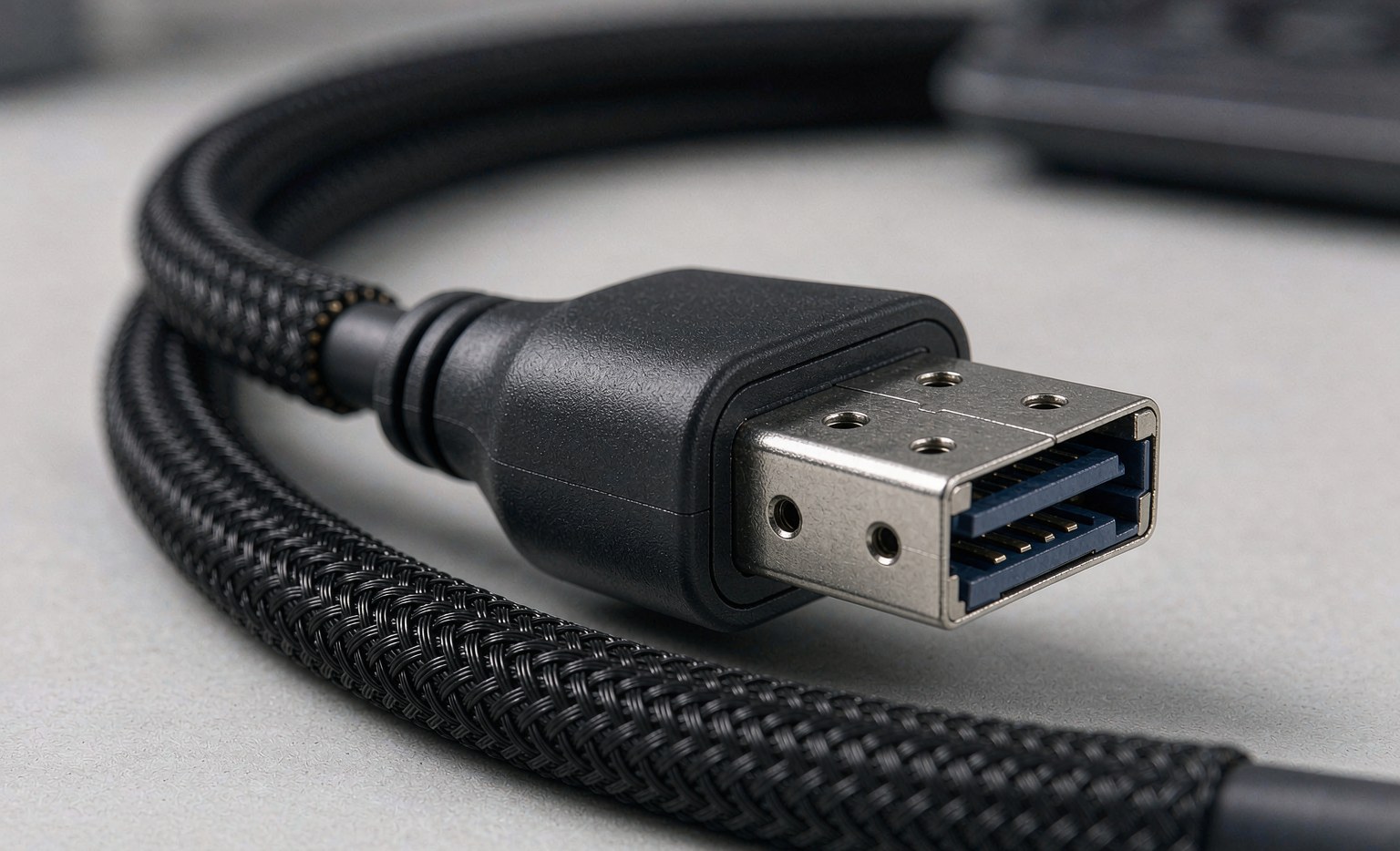
Medical electronic device data cables are specialized cables designed to transmit data between medical devices, such as diagnostic equipment, monitoring systems, and therapeutic devices. These cables are engineered to meet the stringent requirements of the healthcare industry, where data accuracy and reliability are paramount. The importance of reliable data transmission in healthcare cannot be overstated, as it directly impacts patient care and safety. For more information on the importance of high-speed data cables, see The Critical Role of High-Speed Data Cables in a Connected World.
Some of the key features of medical electronic device data cables include:
- High-speed data transmission to support advanced medical imaging and diagnostic applications, such as transmitting large image files from MRI and CT scanners to data processing systems.
- Electromagnetic compatibility (EMC) to minimize interference and ensure reliable data transfer, reducing the risk of data corruption or loss.
- Biocompatibility and safety to prevent adverse reactions and ensure patient safety, as these cables may come into contact with patients or be used in environments where they are exposed to bodily fluids.
- Durability and reliability to withstand the rigors of frequent use and harsh environments, such as being bent, twisted, or exposed to extreme temperatures.
- Shielding to minimize electromagnetic interference (EMI) and ensure reliable data transfer, which is critical in environments with high levels of electromagnetic noise.
- Compliance with relevant industry standards and regulations, such as ISO 13485:2016 and IEC 60601-1, to ensure that the cables meet the necessary safety and performance requirements.
For example, in diagnostic imaging applications, high-speed data cables are used to transmit large amounts of data between imaging modalities, such as MRI and CT scanners, and data processing systems. This requires cables that can support high data transfer rates while maintaining signal integrity and minimizing the risk of data corruption. Similar high-speed data transmission requirements are found in other industries, such as data centers, where Reliable Cable Assemblies for Data Centers: Ensuring High-Speed Connectivity and Performance are crucial.

Types of Medical Electronic Device Data Cables
There are several types of medical electronic device data cables, each designed for specific applications and use cases. These include:
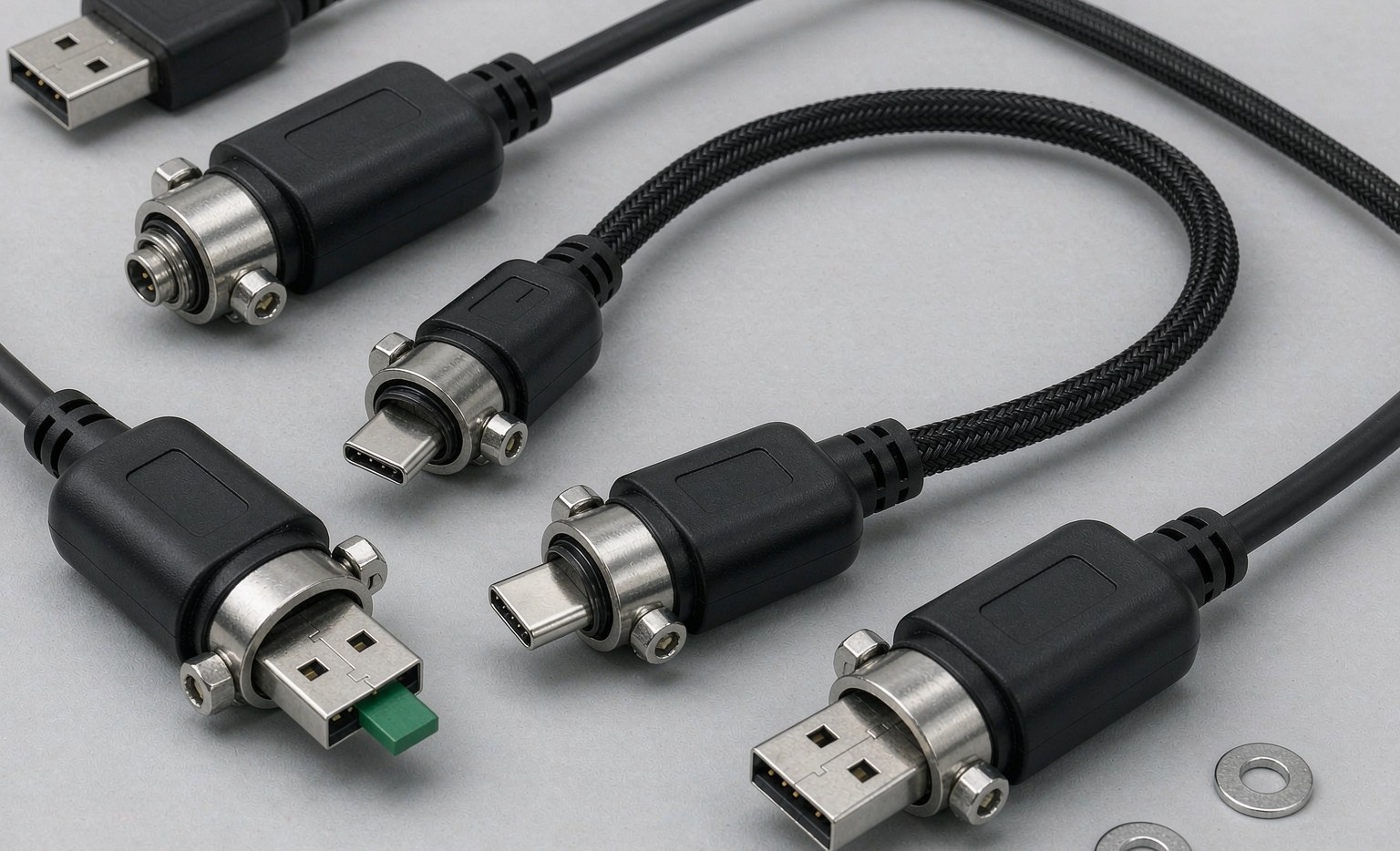
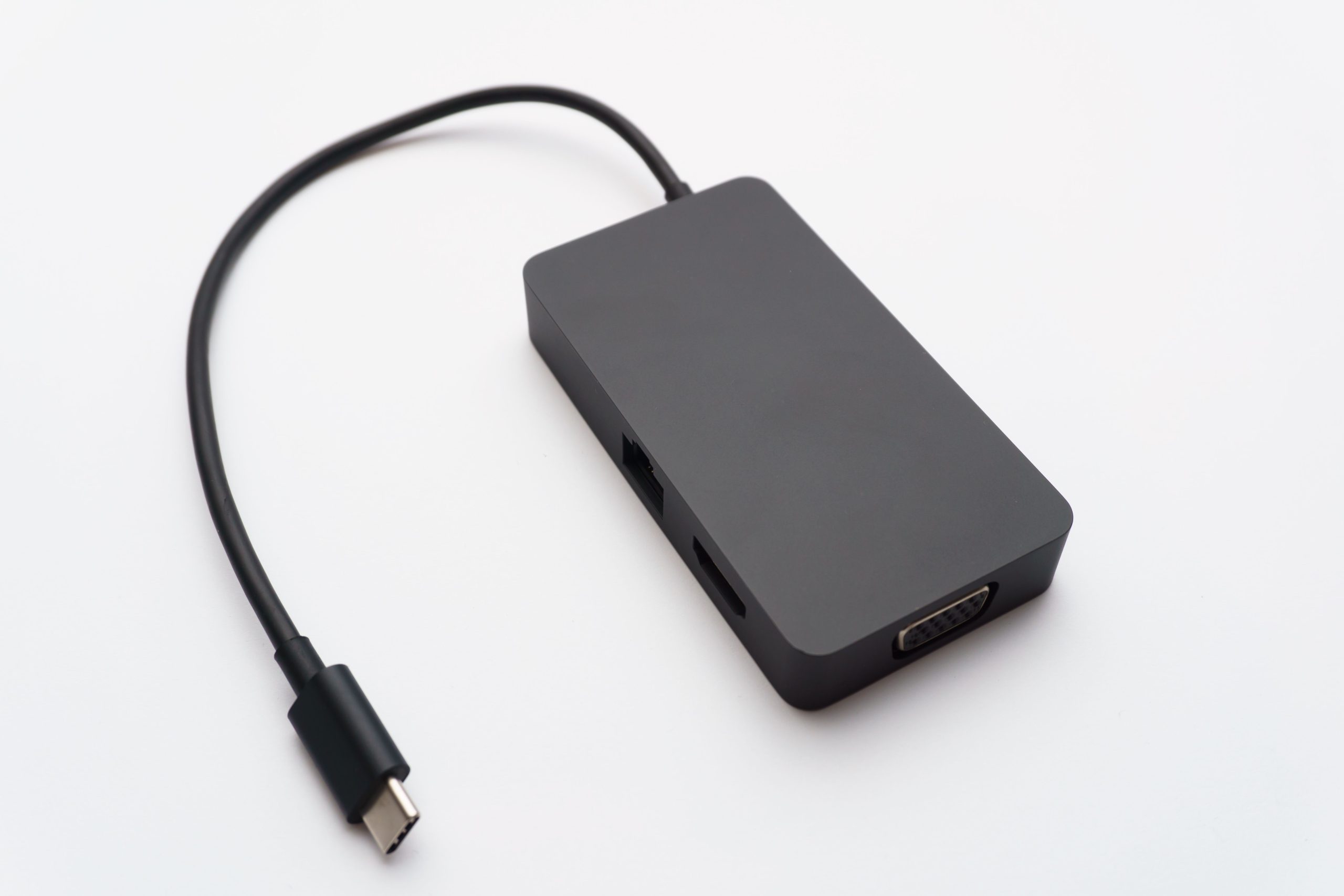
- USB cables for connecting medical devices to computers or other devices. For instance, USB cables are used to connect ultrasound machines to computers for image transfer and analysis.
- HDMI cables for transmitting high-definition video signals from medical imaging devices. HDMI cables are commonly used in medical imaging applications, such as endoscopy and laparoscopy.
- Ethernet cables for connecting medical devices to networks. Ethernet cables are used to connect medical devices, such as patient monitors and diagnostic equipment, to hospital networks.
- Specialized cables for specific medical applications, such as ultrasound or electrocardiography. These cables are designed to meet the unique requirements of each application, such as high-frequency signal transmission or low-noise signal acquisition.
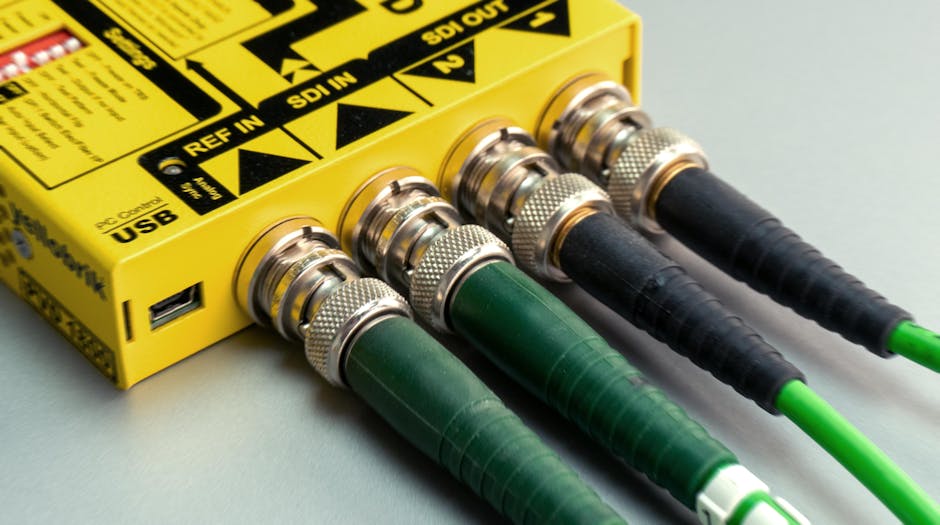
- Fiber optic cables for high-speed data transmission over long distances. Fiber optic cables are used in medical applications, such as telemedicine and remote monitoring, where high-speed data transmission is required over long distances.
Selection Criteria for Medical Electronic Device Data Cables
When selecting medical electronic device data cables, several factors must be considered to ensure that the cables meet the necessary performance and safety requirements. These include:
- Data transfer rates: The cable must be able to support the required data transfer rates for the specific application.
- Signal integrity: The cable must be designed to maintain signal integrity and minimize signal degradation.
- Environmental conditions: The cable must be able to withstand the environmental conditions in which it will be used, such as temperature, humidity, and exposure to chemicals or bodily fluids.
- Regulatory compliance: The cable must comply with relevant regulatory requirements and industry standards, such as ISO 13485:2016 and IEC 60601-1.
Design Considerations for Medical Electronic Device Data Cables
When designing medical electronic device data cables, several factors must be considered to ensure their performance and safety. These include:
- Shielding to minimize electromagnetic interference (EMI) and ensure reliable data transfer. This can be achieved through the use of shielding materials, such as braided copper or foil.
- Insulation materials that meet biocompatibility standards to prevent adverse reactions. Common insulation materials include PVC, TPE, and Teflon.
- Connector design for secure and reliable connections to prevent data loss or corruption. Connectors must be designed to withstand the rigors of frequent use and harsh environments.
- Cable construction, including the type and number of conductors, to ensure that the cable can support the required data transfer rates and signal integrity.
- Material selection: The materials used in the cable must be selected based on their biocompatibility, durability, and electrical performance.
| Design Factor | Description |
|---|---|
| Shielding | Minimizes EMI to ensure reliable data transfer |
| Insulation Materials | Meets biocompatibility standards to prevent adverse reactions |
| Connector Design | Ensures secure and reliable connections |
| Cable Construction | Supports required data transfer rates and signal integrity |
| Material Selection | Ensures biocompatibility, durability, and electrical performance |
Design Steps for Medical Electronic Device Data Cables
The design process for medical electronic device data cables involves several steps:
- Define the cable’s requirements, including data transfer rates, signal integrity, and environmental conditions.
- Select the appropriate materials and components, including shielding, insulation, and connectors.
- Design the cable’s construction, including the type and number of conductors.
- Test and validate the cable’s performance and safety.
- Verify compliance with relevant regulatory requirements and industry standards.
Testing and Validation of Medical Electronic Device Data Cables
Testing and validation are critical steps in the design process for medical electronic device data cables. These tests ensure that the cables meet the necessary performance and safety requirements. Some of the tests that may be performed include:
- Signal integrity testing: To ensure that the cable can transmit signals with minimal degradation.
- Electromagnetic compatibility (EMC) testing: To ensure that the cable can withstand electromagnetic interference and maintain signal integrity.
- Biocompatibility testing: To ensure that the materials used in the cable are biocompatible and do not cause adverse reactions.
- Environmental testing: To ensure that the cable can withstand the environmental conditions in which it will be used.
Applications of Medical Electronic Device Data Cables
Medical electronic device data cables are used in a wide range of medical applications, including:
- Diagnostic imaging equipment, such as MRI and CT scanners, which require high-speed data cables to transmit large image files.
- Patient monitoring systems, such as vital sign monitors and ECG systems, which require reliable data transmission to ensure accurate patient monitoring.
- Therapeutic devices, such as infusion pumps and ventilators, which require precise control and monitoring to ensure effective treatment.
- Medical research and development, where high-speed data cables are used to transmit large amounts of data between devices.
- Telemedicine and remote monitoring, where high-speed data cables are used to transmit data between devices and healthcare providers.
Case Study: Medical Electronic Device Data Cables in Diagnostic Imaging
In diagnostic imaging applications, medical electronic device data cables play a critical role in transmitting large image files between imaging modalities and data processing systems. For example, in MRI and CT scanners, high-speed data cables are used to transmit image data to reconstruction systems, where it is processed and analyzed.
The use of high-speed data cables in diagnostic imaging applications requires careful consideration of several factors, including data transfer rates, signal integrity, and environmental conditions. The cables must be designed to support high data transfer rates while maintaining signal integrity and minimizing the risk of data corruption. For further insights into the challenges and solutions related to high-density connectivity, see The Data Center’s Dilemma: How High-Density Connectivity is Solving the Ultimate Scaling Challenge.
Regulatory Compliance and Industry Standards
Medical electronic device data cables must comply with relevant regulatory requirements and industry standards, such as:
- ISO 13485:2016 for medical devices – Quality management systems.
- IEC 60601-1 for medical electrical equipment – General requirements for safety and essential performance.
- UL 2900-1 for medical device software – General requirements for safety and performance.
- FDA regulations for medical devices, including 21 CFR Part 820 for quality system regulation.
| Standard | Description |
|---|---|
| ISO 13485:2016 | Quality management systems for medical devices |
| IEC 60601-1 | General requirements for safety and essential performance of medical electrical equipment |
| UL 2900-1 | General requirements for safety and performance of medical device software |
| 21 CFR Part 820 | Quality system regulation for medical devices |
Frequently Asked Questions (FAQs)
Q: What are the key features of medical electronic device data cables?
A: Medical electronic device data cables are designed to provide high-speed data transmission, electromagnetic compatibility, biocompatibility, and durability.
Q: What are the most common applications of medical electronic device data cables?
A: Medical electronic device data cables are used in diagnostic imaging equipment, patient monitoring systems, therapeutic devices, and medical research and development.
Q: What regulatory requirements and industry standards must medical electronic device data cables comply with?
A: Medical electronic device data cables must comply with ISO 13485:2016, IEC 60601-1, UL 2900-1, and FDA regulations, among other relevant standards and regulations.
Q: How are medical electronic device data cables tested and validated?
A: Medical electronic device data cables are tested and validated through a series of tests, including signal integrity testing, EMC testing, biocompatibility testing, and environmental testing.
Q: What are the benefits of using high-quality medical electronic device data cables?
A: High-quality medical electronic device data cables provide reliable data transmission, minimize the risk of data corruption, and ensure patient safety.