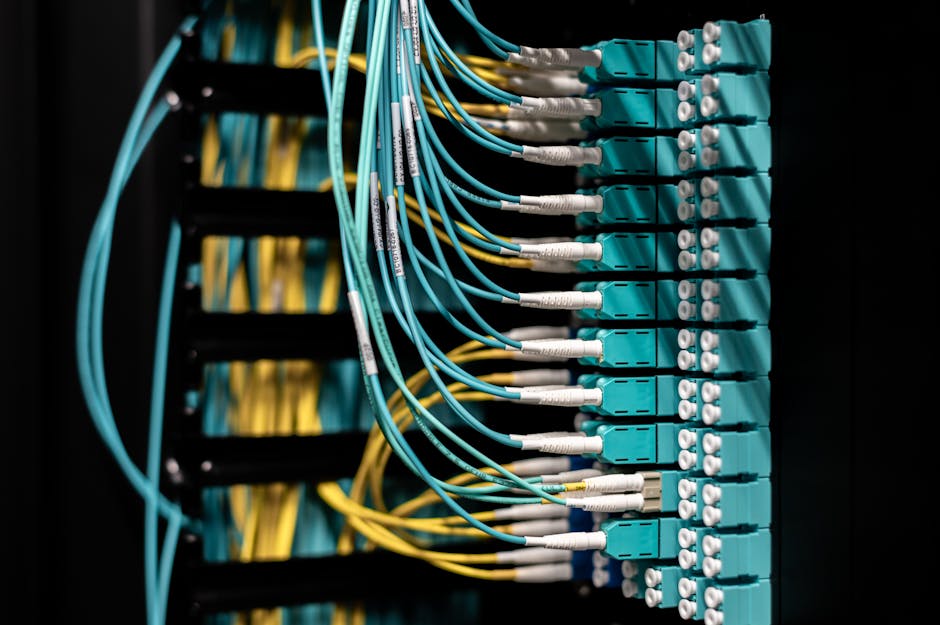
Understanding the Importance of Cable Assemblies in Data Centers
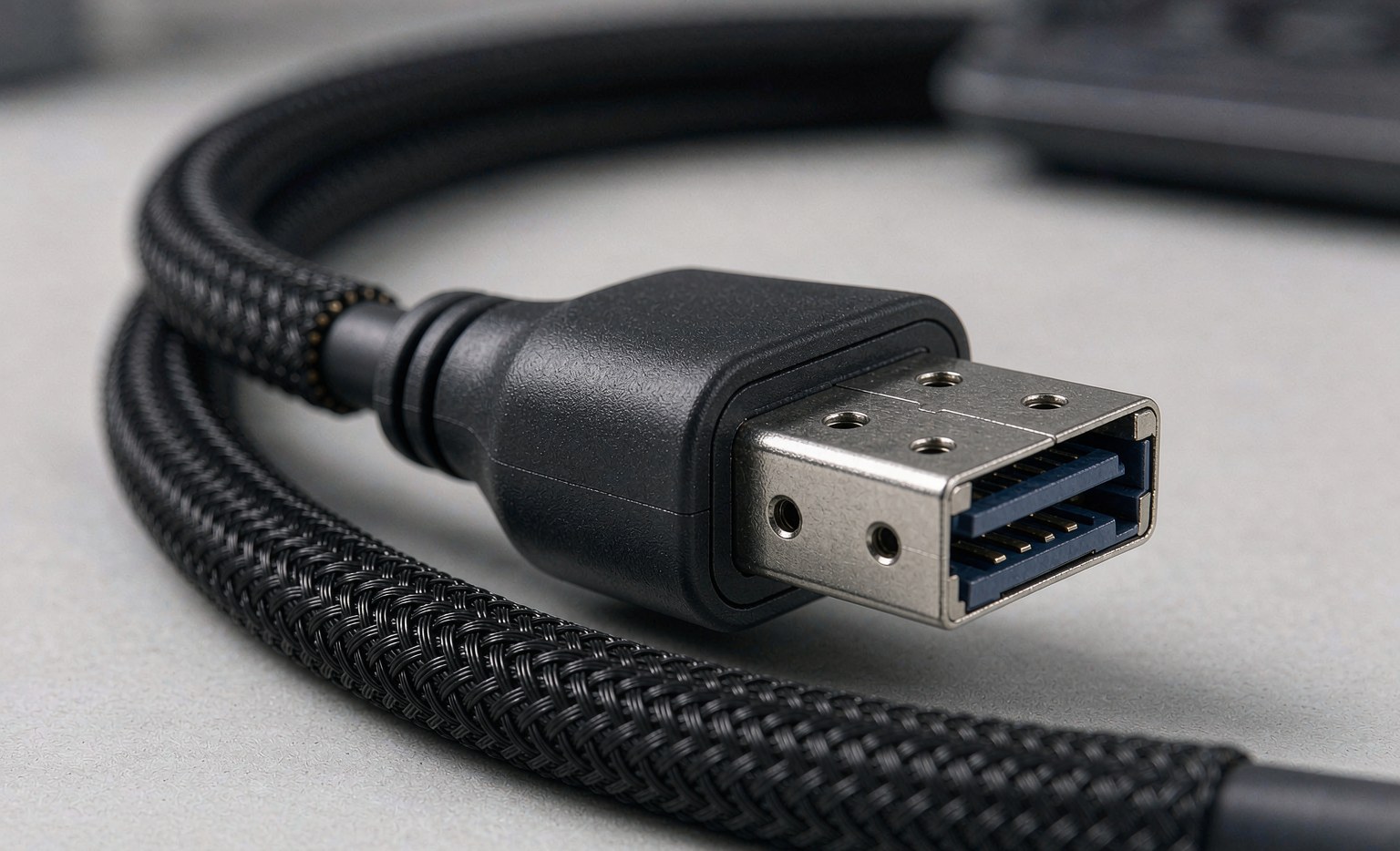
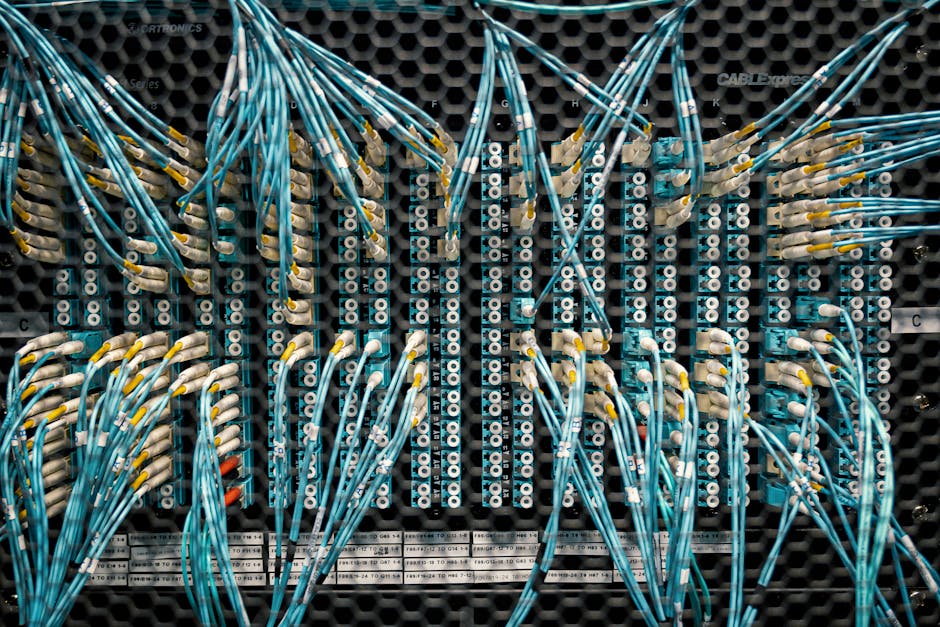
Data centers are the backbone of modern computing, housing critical infrastructure that supports a wide range of applications and services. Within these facilities, cable assemblies play a crucial role in ensuring high-speed data transfer and reliable connectivity between servers, storage systems, and network equipment.
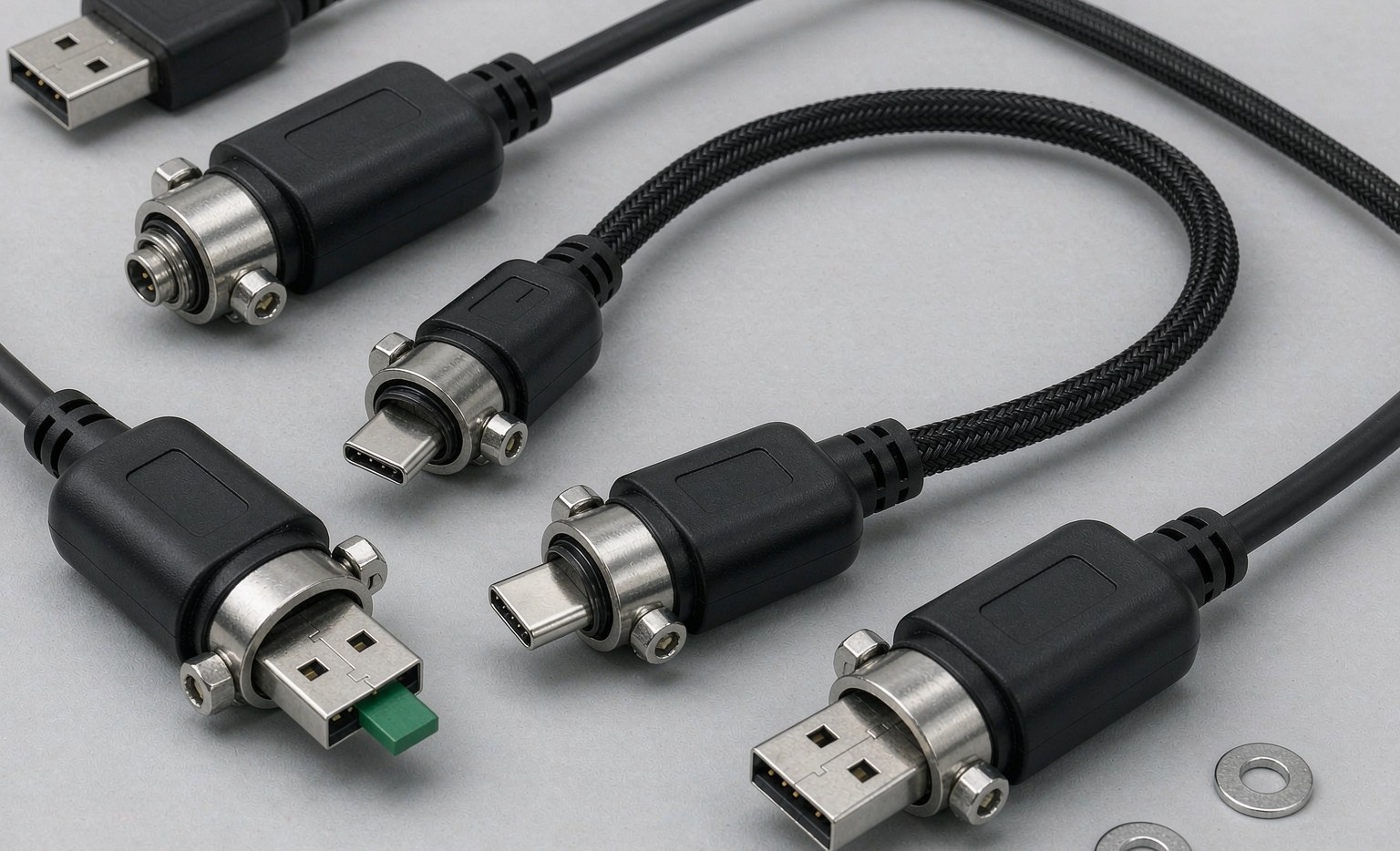
Cable assemblies are complex configurations of cables and connectors designed to meet specific performance and reliability standards. In data centers, where data transfer rates are measured in gigabits per second, the quality of these assemblies directly impacts overall system performance. For instance, a data center using high-quality cable assemblies can achieve data transfer rates of up to 400 Gbps, while a data center with low-quality assemblies may experience significant signal degradation and reduced performance. To learn more about the types of cables used in data centers, you can read What Is a MiniSAS Cable? The Ultimate Guide to Server Data Connectivity and Interfaces.
To ensure optimal performance, data center operators must carefully assess their specific needs and select cable assemblies that meet those requirements. This involves evaluating factors such as data transfer rates, signal integrity, and environmental conditions. For example, a data center operating in a high-temperature environment may require cable assemblies with specialized insulation and shielding to maintain signal integrity.
- Assess the data center’s specific performance requirements
- Evaluate the types of equipment and applications used
- Consider the environmental conditions within the data center
- Research and compare different cable assembly options
- Test and validate the selected cable assemblies
- Consider factors like cable length, connector type, and shielding
- Evaluate the need for customization and flexibility
- Plan for future upgrades and scalability
- Ensure compliance with industry standards for performance and safety
- Consider the total cost of ownership, including maintenance and replacement costs
| Cable Assembly Type | Data Transfer Rate | Signal Integrity | Common Applications |
|---|---|---|---|
| MiniSAS | Up to 100 Gbps | High | Storage systems, servers |
| OCuLink | Up to 100 Gbps | High | NVMe storage, high-speed interconnects |
| QSFP | Up to 400 Gbps | High | High-speed networking, data center interconnects |
| SFP | Up to 25 Gbps | Medium | Networking, storage systems |
| CFP | Up to 100 Gbps | High | High-speed networking, data center interconnects |
| COBO | Up to 400 Gbps | High | High-speed networking, data center interconnects |
When selecting cable assemblies, data center operators should consider the specific requirements of their applications and equipment. For example, a data center using NVMe storage may require OCulink SFF-8611 Straight Male to Mini SAS SFF-8643 Cable to support high-speed interconnects.
Key Features of Reliable Cable Assemblies for Data Centers
Reliable cable assemblies for data centers must possess certain key features to ensure optimal performance:
- High-speed data transfer capabilities
- Low signal attenuation and crosstalk
- Durable construction to withstand environmental stresses
- Compliance with industry standards for performance and safety
- Shielding and insulation to minimize electromagnetic interference (EMI)
- High-quality connectors and terminations
- Flexibility and customization options
- Compatibility with existing infrastructure and equipment
- Ruggedized design for harsh environments
- Testing and validation to ensure performance and reliability
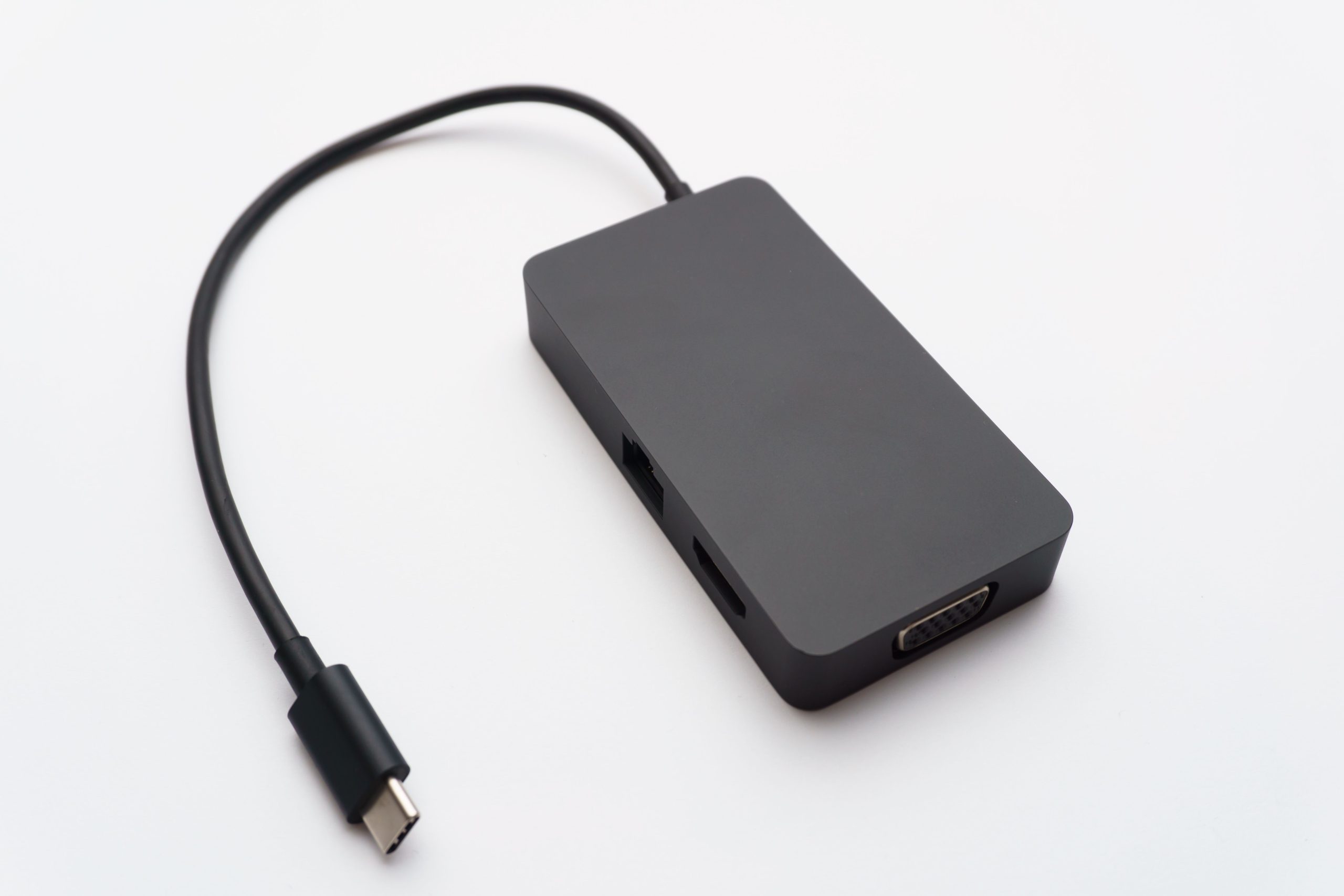
When selecting cable assemblies, data center operators should prioritize these features to ensure reliable and high-performance connectivity. For instance, a data center may benefit from using LK-03 USB 4 Type C Data Cable for high-speed data transfer.
Benefits of Using High-Quality Cable Assemblies in Data Centers
The use of high-quality cable assemblies in data centers offers numerous benefits, including:
- Improved data transfer speeds and overall system performance
- Enhanced reliability and reduced downtime
- Simplified cable management and reduced clutter
- Increased scalability and flexibility
- Better support for emerging technologies like 5G and AI
- Reduced power consumption and heat generation
- Improved security and data integrity
- Lower total cost of ownership, including maintenance and replacement costs
- Future-proofing infrastructure for evolving data center needs
By investing in high-quality cable assemblies, data center operators can future-proof their infrastructure and ensure optimal performance for years to come.
Best Practices for Selecting Cable Assemblies for Data Centers
When selecting cable assemblies for data center applications, several best practices should be followed:
- Assess specific performance requirements, including data transfer rates and signal integrity
- Consider environmental factors, such as temperature and humidity
- Evaluate the need for customization and flexibility
- Research and compare different cable assembly options
- Test and validate the selected cable assemblies
- Consider factors like cable length, connector type, and shielding
- Plan for future upgrades and scalability
- Ensure compliance with industry standards for performance and safety
- Consider the total cost of ownership, including maintenance and replacement costs
- Work with reputable manufacturers and suppliers

Case Study: Implementing Reliable Cable Assemblies in a Data Center
A leading data center operator recently implemented high-quality cable assemblies in their facility, resulting in significant improvements in data transfer speeds and overall system performance.
Frequently Asked Questions (FAQs) About Cable Assemblies for Data Centers
- Q: What are the most common types of cable assemblies used in data centers? A: The most common types include MiniSAS, OCuLink, QSFP, SFP, CFP, and COBO cables.
- Q: How do I determine the right cable assembly for my data center? A: Consider factors like data transfer rates, signal integrity, and environmental conditions.
- Q: What are the benefits of using high-quality cable assemblies in data centers? A: High-quality cable assemblies offer improved data transfer speeds, enhanced reliability, and simplified cable management.