The Core Tension: A Crisis of Space and Power
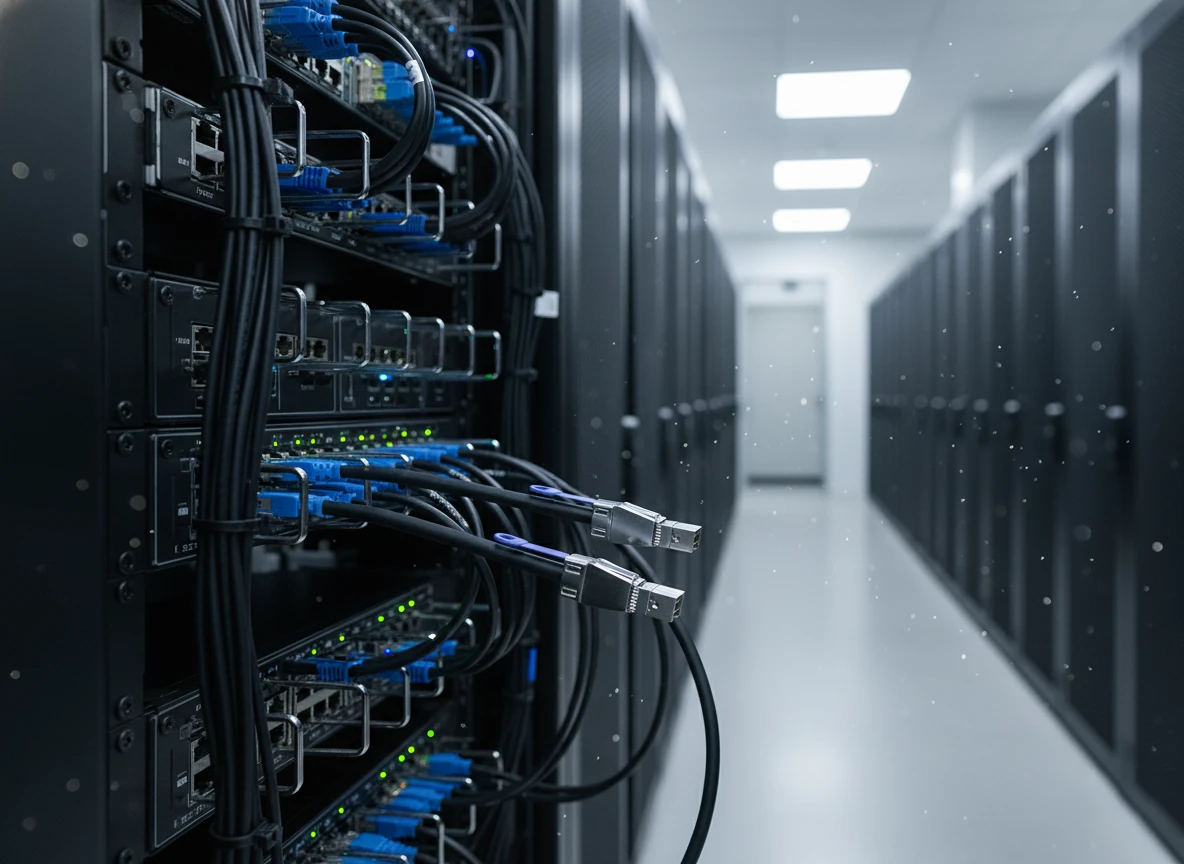
The modern data center is a marvel of engineering, a finely tuned ecosystem designed for maximum computational output. However, it is an ecosystem under immense pressure, caught in a strategic dilemma between three competing, often contradictory, forces: the demand for ever-increasing density, the surge in power consumption and heat generation, and the absolute necessity of faster data interconnects. This core tension defines the primary challenge for data center architects today. Racking more powerful servers into smaller spaces creates a thermal crisis, while the high-speed protocols needed to feed these powerful processors are exquisitely sensitive to the physical limitations of their cabling.
For years, the industry scaled up with brute force—larger chassis, more fans, and incremental improvements to existing connectors like the venerable MINI SAS. This approach has reached its physical and economic limits. The solution to this dilemma is not a bigger hammer, but a smarter, more integrated approach to the physical layer. The innovation that is currently breaking this stalemate is happening at the millimeter scale, within the design of next-generation internal connectors and the strategic implementation of the cables that use them. Technologies like the SlimSAS Cable are not just an upgrade; they are a direct response to this fundamental crisis.
This analysis will explore how high-density connectivity solutions are solving the data center’s core dilemma. We will examine the limitations of legacy interconnects, detail the architectural advantages of modern standards, and illustrate how a holistic approach to the Internal Cable infrastructure is becoming the key to unlocking the next level of data center performance and efficiency.
The Legacy Bottleneck: When Traditional Cabling Becomes the Problem
To understand the solution, we must first appreciate the problem. For over a decade, the HD MINI SAS (SFF-8643) connector was the go-to standard for internal storage connectivity. It was reliable, secure, and perfectly adequate for the 12 Gbps SAS protocol it was designed for. However, in the context of the modern data center’s challenges, it presents several critical limitations:
- Physical Footprint: The connector’s size is a significant impediment to density. In a 1U server chassis, where every square millimeter of PCB (Printed Circuit Board) real estate is precious, the space occupied by a bank of HD MINI SAS ports is substantial, limiting the number of possible connections.
- Airflow Obstruction: The round, relatively thick cables associated with this standard act as “air dams,” creating turbulence and obstructing the critical front-to-back airflow path needed to cool power-hungry CPUs and GPUs. This directly contributes to higher operating temperatures and increased cooling costs.
- Signal Integrity Ceiling: While excellent for its intended purpose, the electrical design of the connector faces challenges in maintaining pristine signal integrity at the higher frequencies required by next-generation protocols like 24 Gbps SAS-4 and, especially, PCIe 4.0/5.0.
These limitations combined to create a significant bottleneck, where the physical cabling itself was preventing the industry from achieving its density and performance goals.
The Architectural Shift: High-Density, High-Performance Solutions
The industry’s response was to engineer a new generation of interconnects designed specifically to solve the density-power-connectivity dilemma. The two leading standards driving this shift are SlimSAS and OCUlink.
The Density Champion: SlimSAS (SFF-8654)
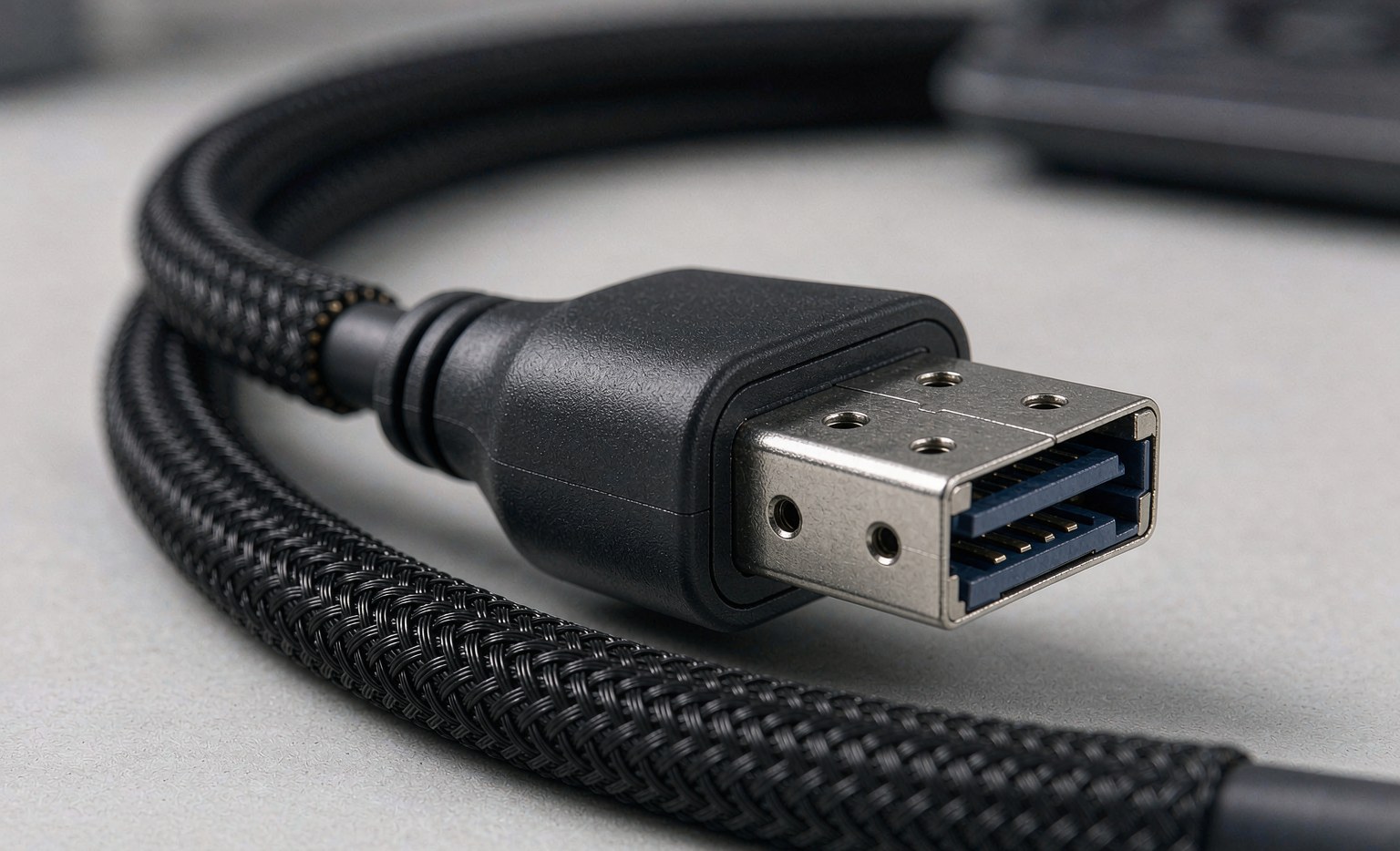
As its name implies, the primary advantage of the SlimSAS Cable is its dramatically reduced size. With a connector pitch of just 0.6mm, it allows designers to place significantly more ports in the same amount of space. But its advantages go far beyond density:
- Superior Electrical Performance: The SlimSAS Cable was engineered from the ground up for high-frequency signaling. Its design minimizes crosstalk and impedance discontinuities, making it the ideal interconnect for the stringent requirements of PCIe 4.0 and 5.0, as well as 24 Gbps SAS.
- Thermal Efficiency: SlimSAS connectors utilize flat, low-profile ribbon cables. This form factor is a game-changer for thermal management. These cables can be routed cleanly along the chassis walls, creating wide, unobstructed channels for airflow and dramatically improving the server’s cooling efficiency.
The Low-Latency Specialist: OCUlink (SFF-8611)
While SlimSAS is a versatile, multi-protocol solution, the OCUlink Cable was created by the PCI-SIG as a dedicated, native extension of the PCIe bus. It provides the most direct and lowest-latency path possible between the CPU and a PCIe device (like an NVMe drive).
- Optimized for PCIe: For applications in high-performance computing (HPC) or artificial intelligence where minimizing latency is the absolute priority, OCUlink is the superior architectural choice.
- Robust and Compact: Like SlimSAS, it features a small form factor and a secure metal latching mechanism, ensuring a reliable connection in even the most compact server designs.
Together, these technologies represent an architectural shift. They allow designers to build servers that are simultaneously denser, more powerful, and more thermally efficient—directly solving the core dilemma.
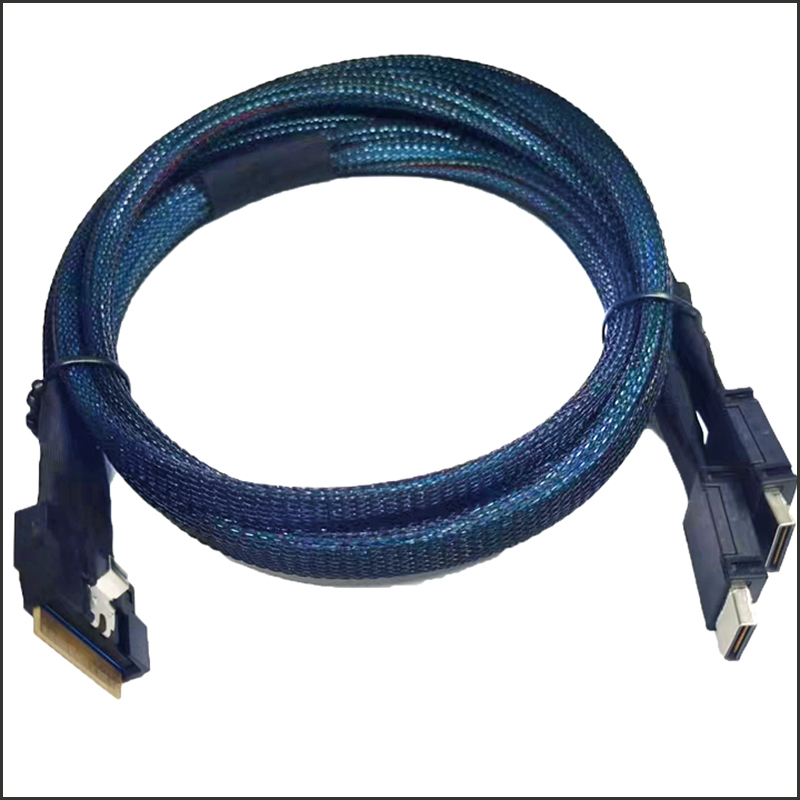
The Implementation Strategy: Precision Assembly as a Performance Tool
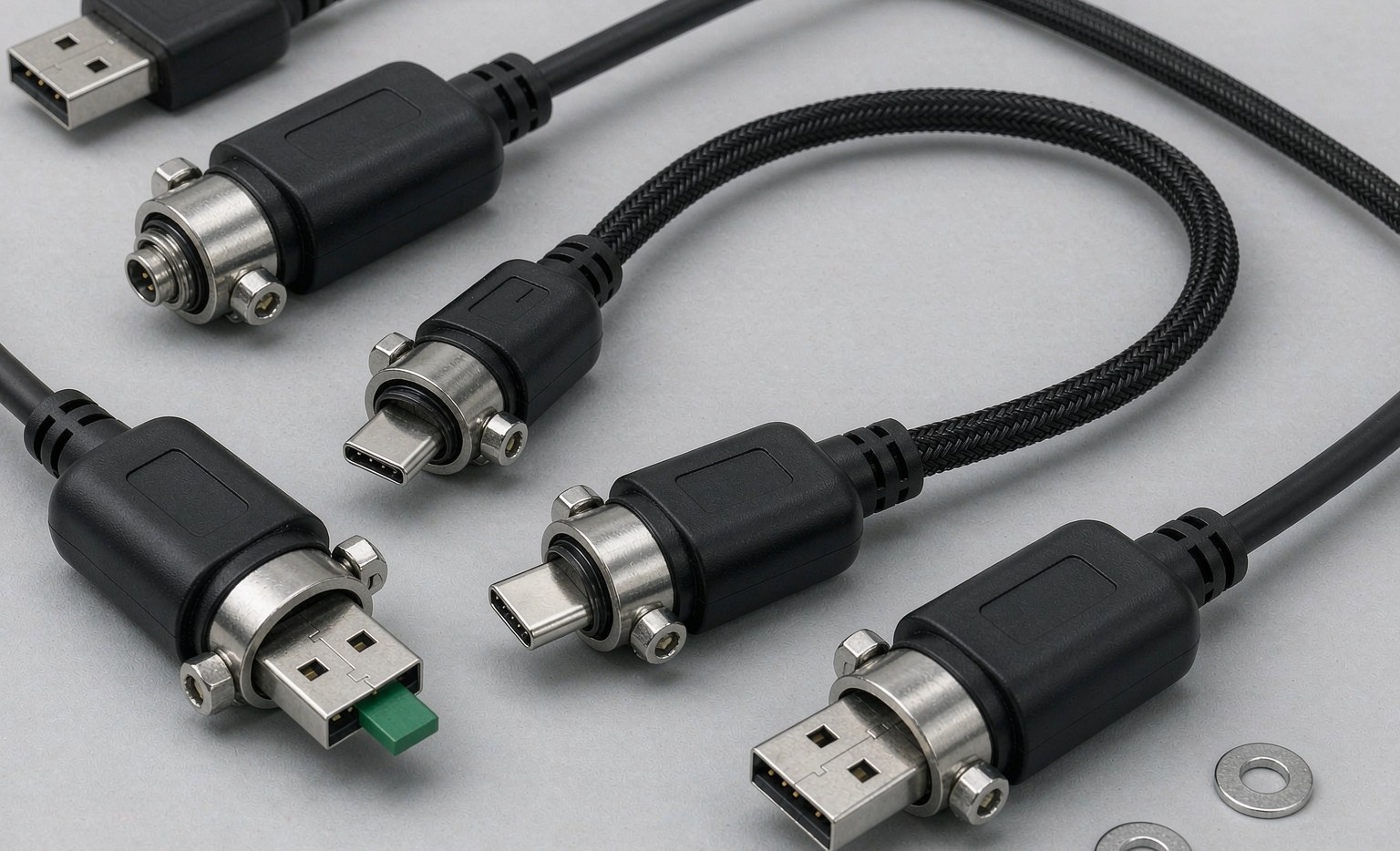
Simply choosing the right standard is not enough. The implementation of the cabling infrastructure is just as critical. A poorly executed Cable Assembly can negate all the advantages of these advanced connectors. A strategic approach to implementation involves:
- Customization for a Perfect Fit: To maximize airflow and eliminate serviceability issues, every Internal Cable should be precisely the right length. A custom-designed assembly with no excess slack is a hallmark of a high-performance build. This prevents tangled messes that block air and make maintenance a nightmare.
- High-Quality Materials as a Baseline: The performance of a high-speed data cable is acutely sensitive to the quality of its materials. Using a cable with inferior copper or inconsistent shielding will lead to a higher bit error rate and force the system to throttle its connection speed, wasting the potential of the hardware.
This level of precision and quality is where the choice of a manufacturing partner becomes a strategic decision. A manufacturer like Longkai Electronics, with a deep portfolio of experience dating back to 2012, understands that in the data center, the cable is not a component—it is part of the system’s core architecture. Our commitment to quality, validated by ISO, CE, and FCC certifications, and trusted by over 100 global technology leaders, ensures that our assemblies are built not just to connect, but to perform.
Conclusion: From Dilemma to Design Opportunity
The competing pressures of density, power, and connectivity once presented a significant dilemma for data center architects. However, through the innovation of high-density interconnects like SlimSAS and OCUlink, this challenge has been transformed into a design opportunity. By moving beyond legacy standards and adopting a holistic, architectural approach to internal cabling, it is now possible to build servers that are more powerful, more compact, and more efficient than ever before.
The future of the data center will be defined by this intelligent approach to the physical layer, where the strategic implementation of precision-engineered connectivity is understood as a fundamental enabler of performance. The dilemma has been solved, not with brute force, but with smarter, smaller, and faster connections.