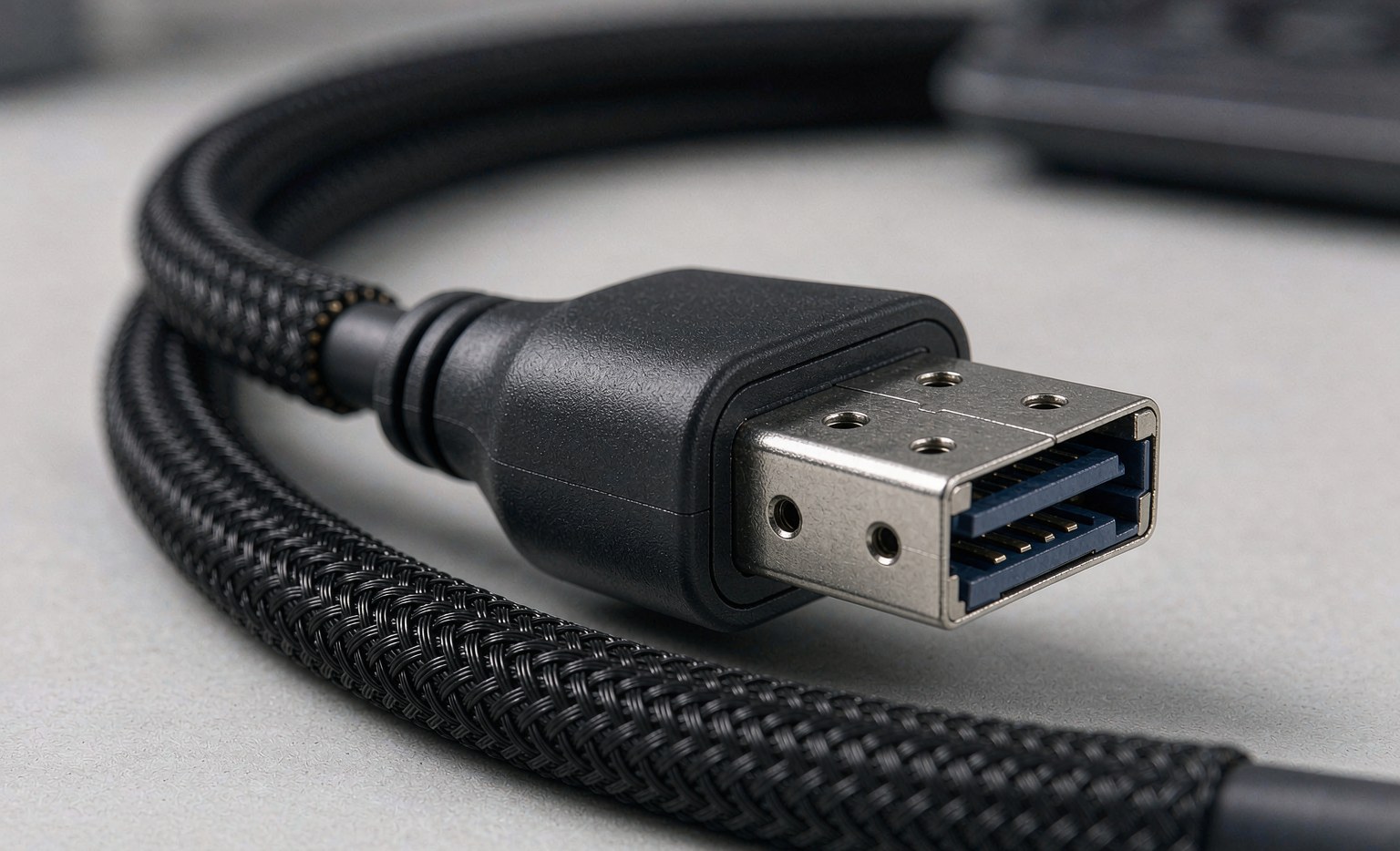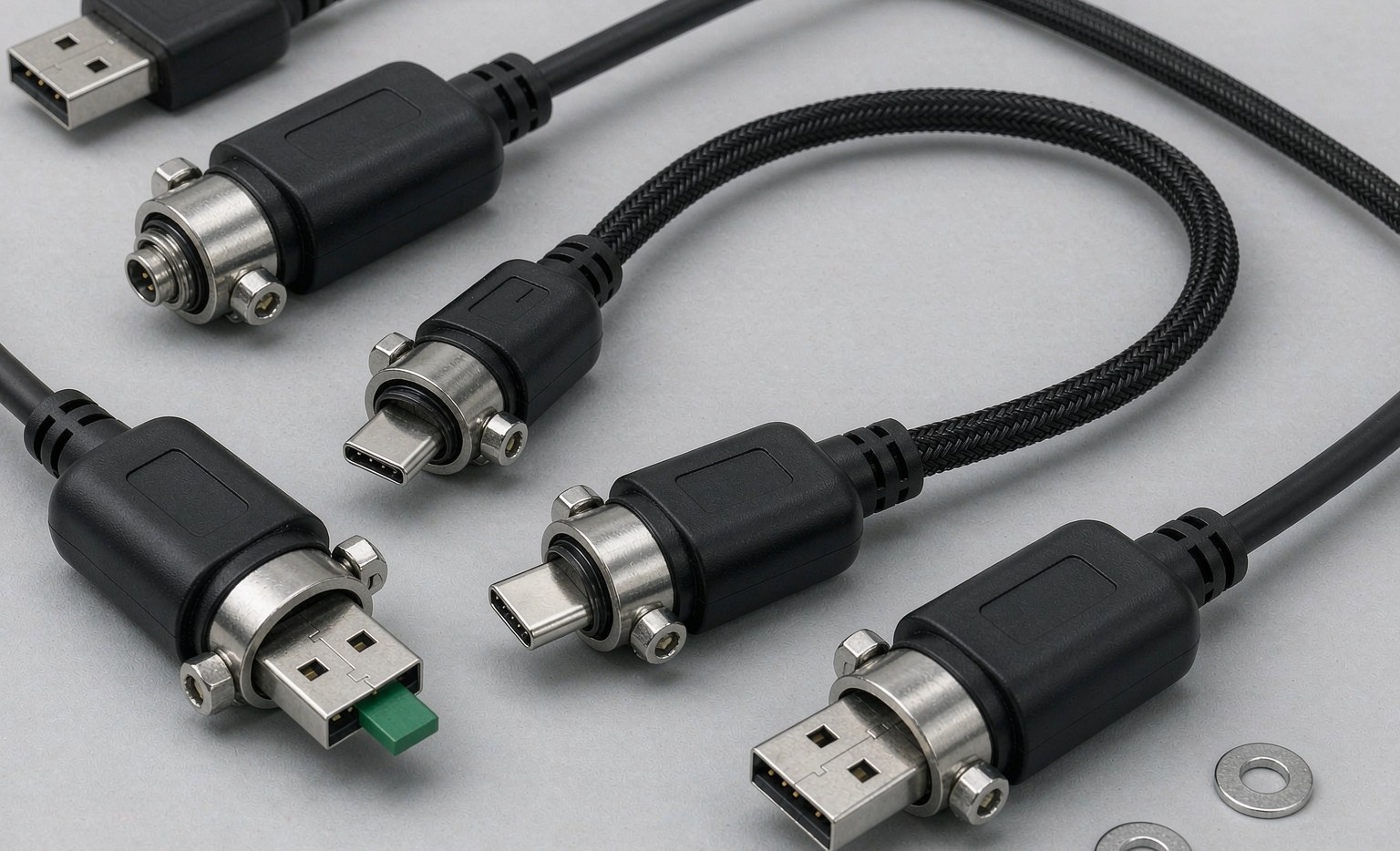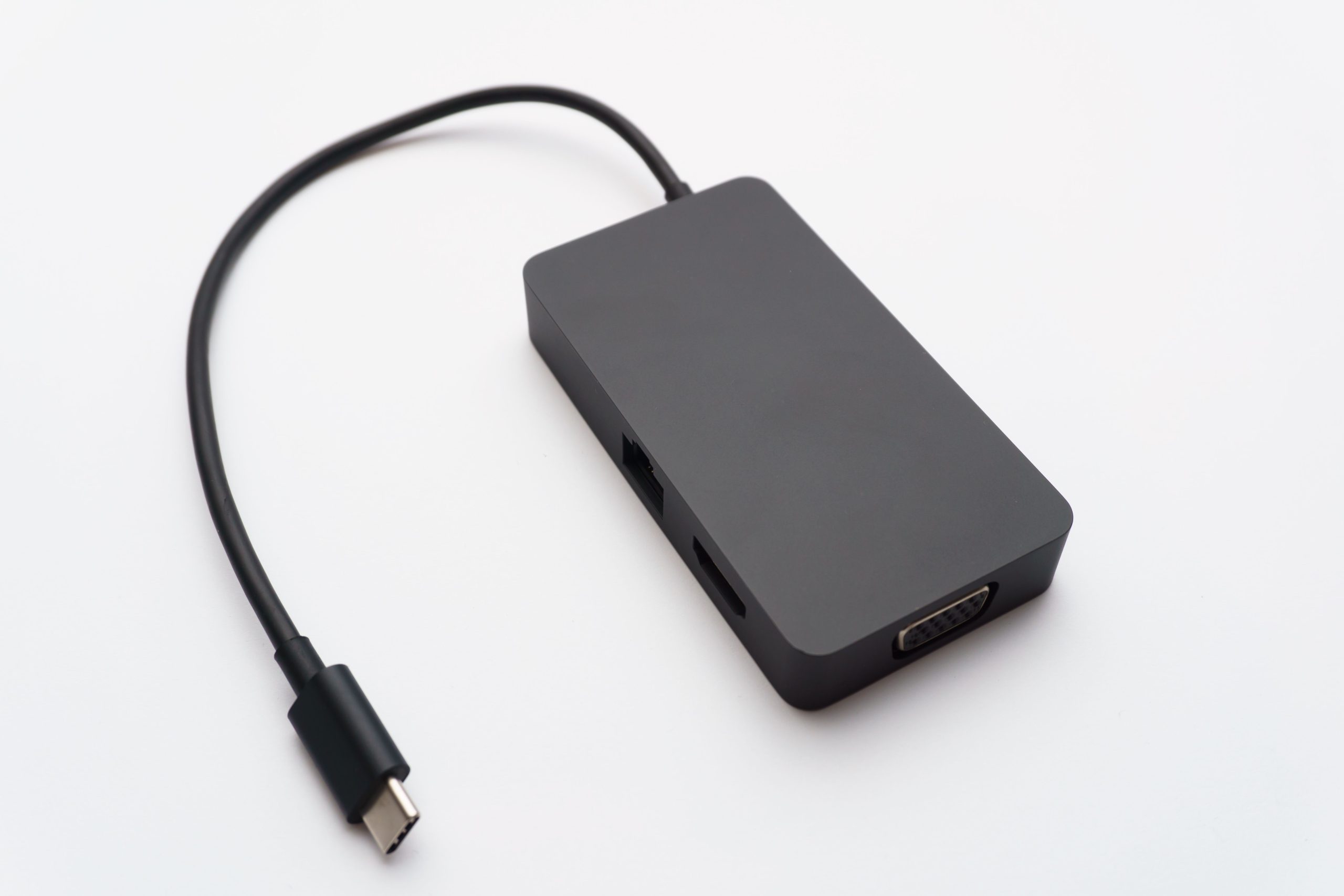
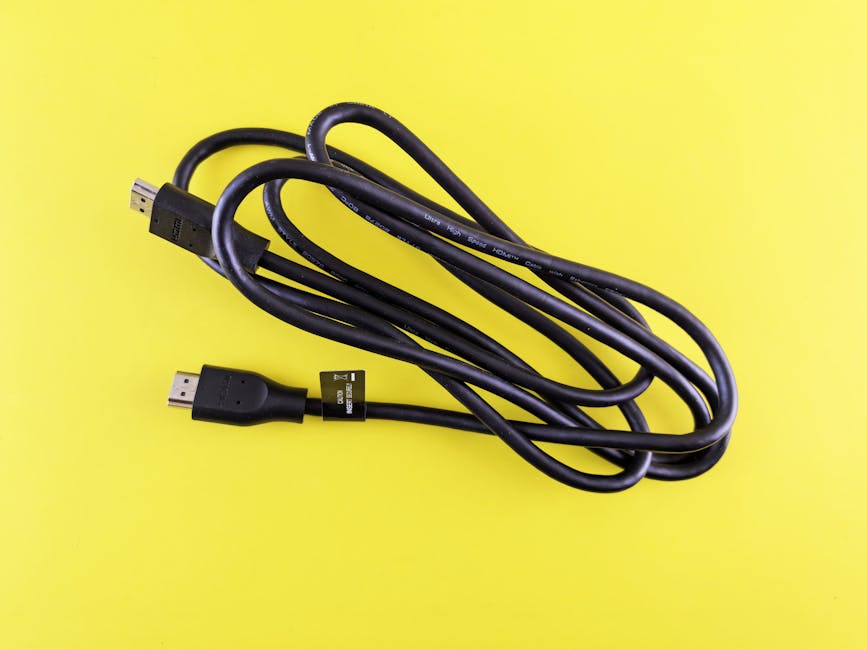
Data transmission cables play a critical role in medical imaging applications, facilitating the transfer of high-quality images between devices. The reliability and performance of these cables are crucial for accurate diagnoses and effective treatment plans. For instance, in MRI and CT scans, high-speed data transmission cables enable the transfer of detailed images, allowing doctors to diagnose conditions accurately. A notable example is the use of high-speed data transmission cables in digital pathology applications, where they enable the transfer of large images between devices, facilitating diagnosis and treatment. Furthermore, data transmission cables are used in various medical imaging modalities, including ultrasound, PET, and SPECT scans. More information on the importance of data transmission cables in healthcare can be found in Medical Electronic Device Data Cables: Ensuring Reliable Data Transmission in Healthcare.
Understanding Data Transmission Cables for Medical Imaging
Medical imaging modalities such as MRI, CT, and ultrasound rely on high-speed data transmission to produce detailed images. Designing cable interconnects for medical devices requires careful consideration of factors such as signal integrity, electromagnetic interference (EMI), and durability. To ensure optimal performance, it’s essential to understand the specific requirements of the medical imaging modality and the cable characteristics that meet those needs. For example, MRI machines require cables with high shielding effectiveness to minimize EMI and ensure image quality. Additionally, the cable’s data transfer rate, signal type, and connector type must be compatible with the medical imaging device. The process of designing cable interconnects for medical devices is discussed in Designing Cable Interconnects for Medical Devices: Reliability and Safety Considerations.
- Identifying the specific requirements of the medical imaging modality, such as data transfer rate and signal type
- Determining the required data transfer rate and signal integrity, including frequency and signal type
- Selecting the appropriate cable type and construction, including materials and shielding
- Ensuring compliance with industry standards and regulations, such as IEC 60601-1 and FDA guidelines
- Verifying compatibility with medical imaging devices and connectors
- Assessing the environmental conditions in which the cables will operate, such as temperature and humidity
- Considering the cable’s durability and flexibility to withstand repeated use and harsh environments
| Cable Type | Data Transfer Rate | Shielding | Applications |
|---|---|---|---|
| Shielded Copper Cables | Up to 10 Gbps | Excellent EMI protection | MRI, CT, Ultrasound |
| Fiber Optic Cables | Up to 100 Gbps | Immune to EMI | High-speed data transmission, long-distance transmission |
| High-Frequency Signal Transmission Cables | Up to 100 GHz | High-frequency signal transmission capabilities | High-frequency medical imaging applications |
| Coaxial Cables | Up to 10 Gbps | Good EMI protection | Ultrasound, MRI, CT |
| Twisted Pair Cables | Up to 1 Gbps | Good EMI protection | Low-speed medical imaging applications |
For example, in a hospital setting, shielded copper cables are often used for MRI and CT scans due to their excellent EMI protection and high data transfer rates. In contrast, fiber optic cables are used for high-speed data transmission between devices, such as in digital pathology applications. When selecting cables, it’s essential to consider the specific requirements of the medical imaging modality and the environmental conditions in which the cables will operate. Additionally, the cable’s compatibility with medical imaging devices and connectors should be verified to ensure seamless integration.
Key Characteristics of Data Transmission Cables for Medical Imaging
- High-speed data transfer rates to support detailed image transmission, such as up to 10 Gbps for MRI and CT scans
- Shielding to minimize EMI and ensure signal integrity, such as foil shielding or braided shielding
- Durability and flexibility to withstand repeated use and harsh environments, such as in hospital settings
- Compliance with medical industry standards and regulations, such as IEC 60601-1 and FDA guidelines
- Resistance to environmental factors such as temperature, humidity, and chemicals
- Low signal attenuation to ensure high-quality image transmission
- High signal-to-noise ratio to minimize image distortion
- Compatibility with medical imaging devices and connectors
To ensure optimal performance, data transmission cables for medical imaging must be designed and manufactured with high-quality materials and construction. For instance, using high-quality shielding materials and techniques can minimize EMI and ensure signal integrity. For more information on high-performance cable interconnects, see Cable Interconnect Solutions for High-Speed Data Transfer: Enhancing Performance and Reliability.
Benefits of High-Quality Data Transmission Cables in Medical Imaging
High-quality data transmission cables offer several benefits in medical imaging applications, including improved image quality and diagnostic accuracy, reliable data transmission, and increased efficiency and productivity in medical imaging workflows.
- Improved image quality and diagnostic accuracy, enabling doctors to diagnose conditions accurately
- Reliable data transmission and reduced risk of data loss or corruption, ensuring patient data is secure
- Increased efficiency and productivity in medical imaging workflows, streamlining clinical workflows
- Compliance with regulatory requirements and industry standards, reducing the risk of non-compliance
- Reduced downtime and maintenance costs, minimizing the impact of cable failures
- Improved patient care and outcomes, resulting from accurate diagnoses and effective treatment plans
- Enhanced patient safety, due to reduced risk of cable-related failures

Best Practices for Selecting Data Transmission Cables for Medical Imaging
When selecting data transmission cables for medical imaging applications, consider the following factors:
- Cable type and construction, including materials and shielding, such as shielded copper or fiber optic
- Data transfer rate and signal integrity, including frequency and signal type, such as high-speed or low-speed
- Shielding and EMI protection, including shield material and construction, such as foil or braided shielding
- Durability and environmental resistance, including temperature, humidity, and chemical resistance, such as in harsh hospital environments
- Compliance with industry standards and regulations, such as IEC 60601-1 and FDA guidelines
- Compatibility with medical imaging devices and connectors
- Manufacturer reputation and support, including warranty and technical support
- Testing and inspection procedures to ensure cable quality and reliability
To ensure optimal performance, it’s essential to follow best practices for selecting, installing, and maintaining data transmission cables for medical imaging. This includes verifying compatibility with medical imaging devices and connectors, ensuring proper cable routing and management, and performing regular maintenance and testing. Additionally, cables should be inspected regularly for signs of wear or damage, and replaced as needed to prevent failures.
Frequently Asked Questions (FAQs)
- Q: What are the most common types of data transmission cables used in medical imaging?
- A: Shielded copper cables, fiber optic cables, and high-frequency signal transmission cables are commonly used in medical imaging applications.
- Q: How do I ensure compliance with industry standards and regulations when selecting data transmission cables for medical imaging?
- A: Verify that the cables meet relevant industry standards, such as IEC 60601-1 and FDA guidelines, and consult with manufacturers and regulatory experts as needed.
- Q: What are the benefits of using high-quality data transmission cables in medical imaging?
- A: High-quality data transmission cables offer improved image quality and diagnostic accuracy, reliable data transmission, and increased efficiency and productivity in medical imaging workflows.
- Q: How do I troubleshoot issues with data transmission cables in medical imaging applications?
- A: Check for signs of wear or damage, verify compatibility with medical imaging devices and connectors, and perform signal integrity testing to identify potential issues.
- Q: Can data transmission cables be reused or repurposed in medical imaging applications?
- A: Generally, no, data transmission cables should not be reused or repurposed in medical imaging applications, as this can compromise signal integrity and patient safety.
- Q: What are the key considerations for cable installation and maintenance in medical imaging applications?
- A: Proper cable routing and management, regular inspection and testing, and replacement of cables as needed are essential for ensuring optimal performance and patient safety.
By choosing high-quality data transmission cables and following best practices for selection, installation, and maintenance, medical imaging facilities can ensure reliable and high-quality image transfer, supporting accurate diagnoses and effective treatment plans. Regular maintenance and testing can also help to identify potential issues before they become major problems, minimizing downtime and ensuring patient safety.