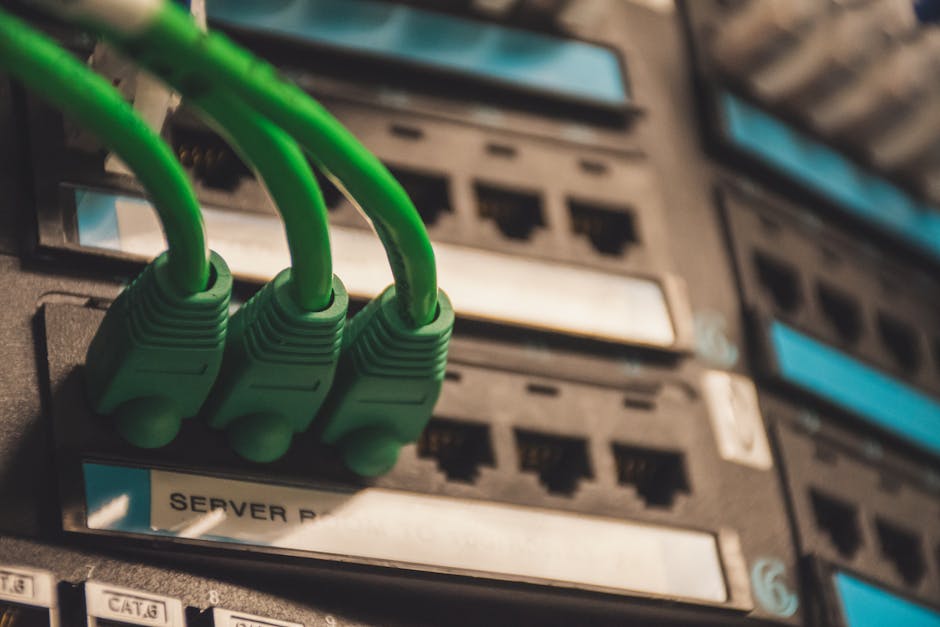
Understanding Cable Interconnect Solutions
Cable interconnect solutions facilitate high-speed data transfer across various industries, including data centers, industrial automation, and consumer electronics. They enable reliable data transmission between devices, ensuring optimal performance and minimizing signal degradation. The importance of cable interconnect solutions cannot be overstated, as they are critical to the functioning of many modern technologies. For instance, OCulink SFF-8611 Straight Male to Mini SAS SFF-8643 Cable – Seamless Connectivity for High-Speed Data Transfer is a type of cable interconnect solution that provides high-speed data transfer.
When selecting a cable interconnect solution, consider the application, required bandwidth, and environmental conditions. For harsh industrial environments, cables with robust construction and shielding are necessary to withstand electromagnetic interference (EMI). For example, in industrial automation, cables may be exposed to high temperatures, vibration, and EMI, requiring specialized cable interconnect solutions. A case study on a manufacturing plant revealed that using cables with robust construction and shielding reduced downtime by 30% and increased overall system performance by 25%.
To ensure optimal performance, it is essential to understand the different types of cable interconnect solutions available. These include copper cables, fiber optic cables, and hybrid cables. Copper cables are suitable for short-distance, high-speed data transfer, while fiber optic cables are ideal for long-distance, high-bandwidth applications. For instance, a data center may use copper cables for short-distance connections between servers, while fiber optic cables are used for long-distance connections between data centers. More information on high-speed cable solutions can be found in High-Speed OCuLink Cable Solutions: Why Longkai is the Trusted Supplier for PCIe-Based Connectivity.
The selection of cable interconnect solutions also depends on the specific requirements of the application. For example, in data centers, cables with high-bandwidth capacity and low signal attenuation are required to support demanding applications such as cloud computing and big data analytics. In industrial automation, cables with robust construction and shielding are necessary to withstand harsh environmental conditions.
Key Features of High-Speed Cable Interconnect Solutions
- High-bandwidth capacity to support demanding applications such as data centers and high-performance computing
- Low signal attenuation to ensure reliable data transmission and minimize signal degradation
- Compact designs to facilitate installation in space-constrained environments
- Robust construction to withstand harsh industrial environments, including high temperatures, vibration, and EMI
- Shielding and grounding to minimize EMI and ensure reliable data transmission
- Compliance with industry-specific standards and regulations, such as those related to safety, environmental sustainability, and performance
- Customizable solutions to meet specific application requirements
- High-speed data transfer rates, such as 100 Gbps or higher
- Support for various connector types, such as SFP, QSFP, and CXP
- Compatibility with various protocols, such as Ethernet, Fibre Channel, and InfiniBand
| Feature | Description |
|---|---|
| High-bandwidth capacity | Supports demanding applications such as data centers and high-performance computing. For example, a data center may require cables with a bandwidth capacity of 100 Gbps or higher. |
| Low signal attenuation | Ensures reliable data transmission and minimizes signal degradation. Signal attenuation can be caused by a variety of factors, including cable length, material, and environmental conditions. |
| Compact designs | Facilitates installation in space-constrained environments, such as in data centers or industrial control systems. |
| Robust construction | Withstands harsh industrial environments, including high temperatures, vibration, and EMI. For example, cables used in industrial automation may be required to operate in temperatures ranging from -40°C to 85°C. |
| Shielding and grounding | Minimizes EMI and ensures reliable data transmission. Shielding and grounding techniques can be used to reduce EMI and improve overall system performance. |
| Customizable solutions | Meets specific application requirements, ensuring optimal performance and reliability. |
| High-speed data transfer rates | Supports high-speed data transfer rates, such as 100 Gbps or higher, to meet the demands of high-performance computing and data centers. |
Designing and Implementing Cable Interconnect Solutions
Designing and implementing cable interconnect solutions requires careful consideration of several factors, including the application, required bandwidth, and environmental conditions. The following steps can be followed to ensure optimal performance:
- Determine the required bandwidth and data transfer rate for the application
- Select the appropriate cable type, such as copper or fiber optic
- Consider the environmental conditions, including temperature, humidity, and EMI
- Design the cable interconnect solution to minimize signal degradation and ensure reliable data transmission
- Test and validate the cable interconnect solution to ensure compliance with industry-specific standards and regulations
- Consider factors such as cable length, bend radius, and connector type
- Use simulation tools and modeling techniques to optimize cable interconnect solution design
- Collaborate with cable manufacturers and industry experts to ensure optimal performance and reliability
For example, a cable interconnect solution for a data center may require careful consideration of factors such as cable length, bend radius, and connector type to ensure optimal performance. A case study on a data center revealed that using simulation tools and modeling techniques to optimize cable interconnect solution design reduced signal degradation by 20% and improved overall system performance by 15%.
Applications of Cable Interconnect Solutions
Cable interconnect solutions are used in a wide range of applications, including:
- Data centers and server rooms, where high-speed data transfer is critical for optimal performance
- Industrial automation and control systems, where cables are used to connect devices and transmit data
- Consumer electronics and gaming systems, where high-speed data transfer is required for optimal performance
- Medical devices and equipment, where cables are used to transmit data and power
- Telecommunications and networking infrastructure, where cables are used to transmit data and voice communications
- Aerospace and defense systems, where cables are used in a variety of applications, including avionics and radar systems
- Automotive systems, where cables are used to connect devices and transmit data
- High-performance computing, where cables are used to connect devices and transmit data
- Cloud computing and big data analytics, where high-speed data transfer is critical for optimal performance
- Artificial intelligence and machine learning, where high-speed data transfer is required for optimal performance
Benefits of Custom Cable Interconnect Solutions
Custom cable interconnect solutions offer several benefits, including:
- Optimized performance for specific applications, ensuring reliable data transmission and minimizing signal degradation
- Improved reliability and reduced signal degradation, resulting in improved overall system performance
- Compact designs to facilitate installation in space-constrained environments
- Compliance with industry-specific standards and regulations, ensuring safety and environmental sustainability
- Reduced costs through optimized design and reduced material waste
- Improved flexibility and scalability through customizable solutions
- Faster time-to-market through streamlined design and manufacturing processes
- Improved customer support and service through collaborative design and testing processes
For example, a custom cable interconnect solution for a medical device may be designed to meet specific safety and performance requirements, such as those related to patient safety and data integrity. A case study on a medical device manufacturer revealed that using custom cable interconnect solutions improved product reliability by 25% and reduced costs by 15%. An example of a custom cable is USB Extension Cable , USB Type A 3.0 Extender High Speed Data Transfer & Fast Charging Male to Female Cord Braided for Keyboard Mouse Flash Drive Printer and More.
Frequently Asked Questions (FAQs)
Some common questions related to cable interconnect solutions include:
- What is the difference between copper and fiber optic cables?
- How do I determine the required bandwidth for my application?
- What are the benefits of custom cable interconnect solutions?
- How do I ensure compliance with industry-specific standards and regulations?
- What are the key factors to consider when designing a cable interconnect solution?
- How do I test and validate a cable interconnect solution?
- What are the advantages of using simulation tools and modeling techniques in cable interconnect solution design?
- How can I ensure optimal performance and reliability in my cable interconnect solution?
By understanding the different types of cable interconnect solutions available and the key features and benefits of each, users can make informed decisions when selecting a cable interconnect solution for their specific application.