Soluções de Interconexão de Cabos para Transferência de Dados de Alta Velocidade: Aprimorando Desempenho e Confiabilidade
Understanding Cable Interconnect Solutions
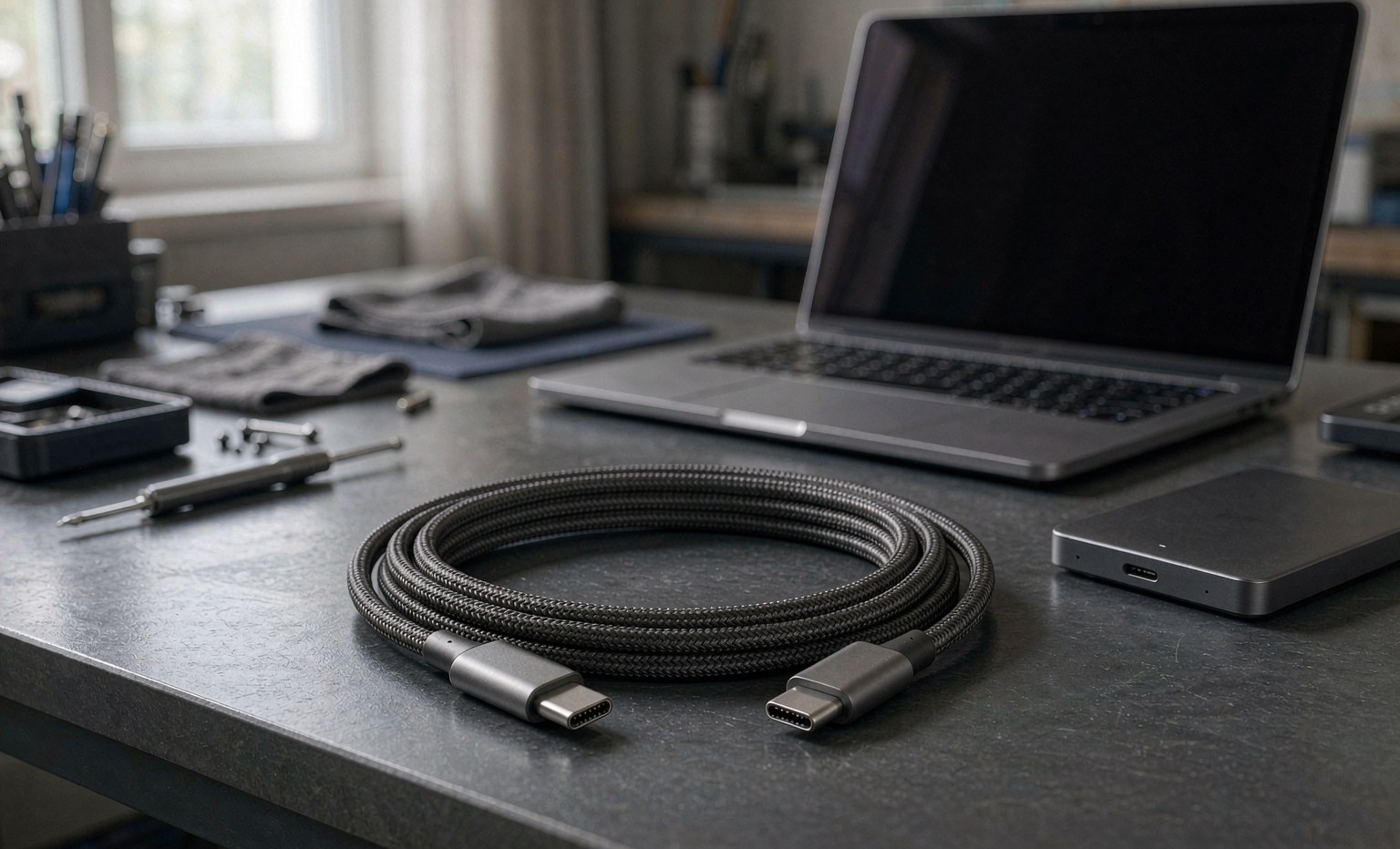
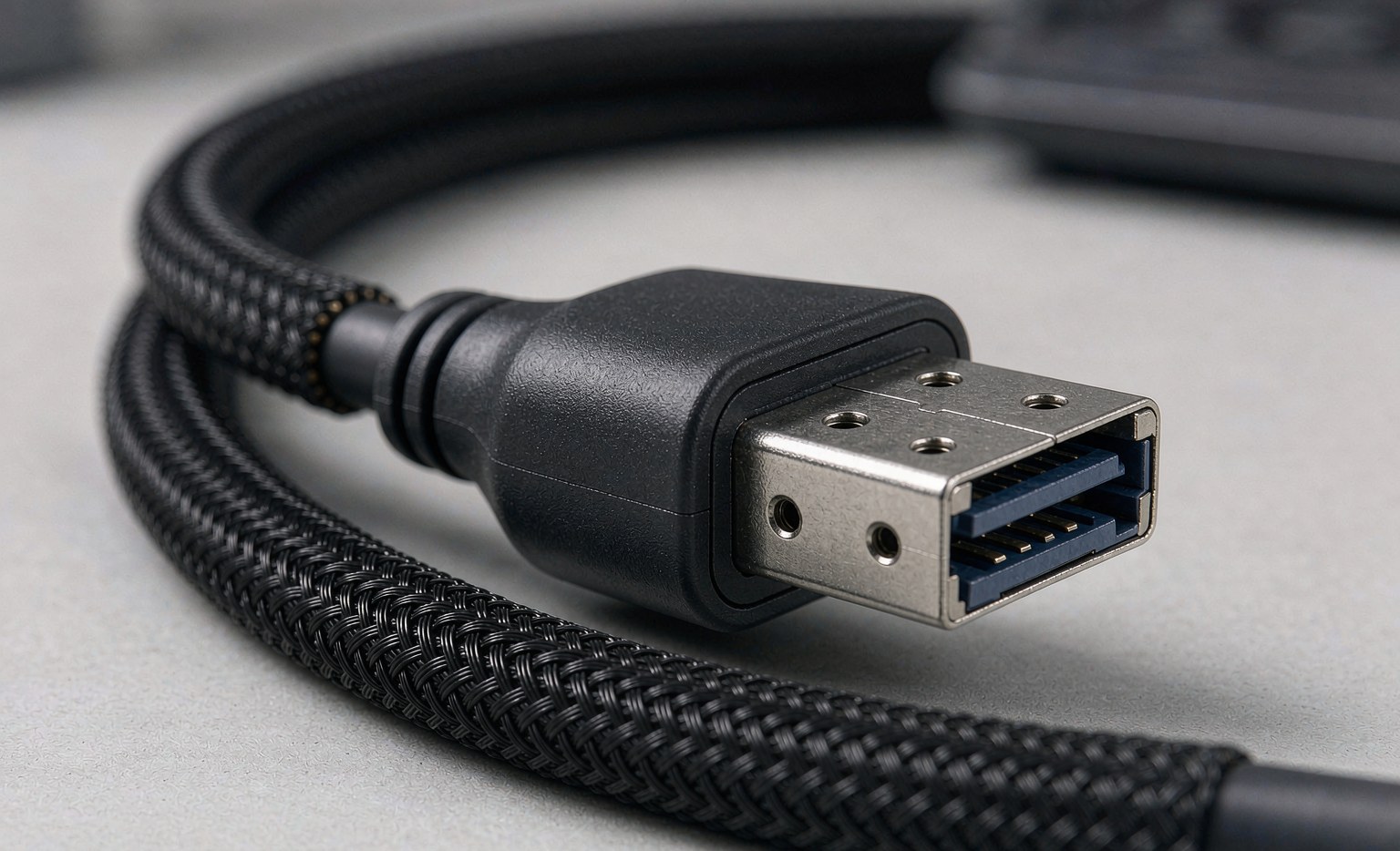
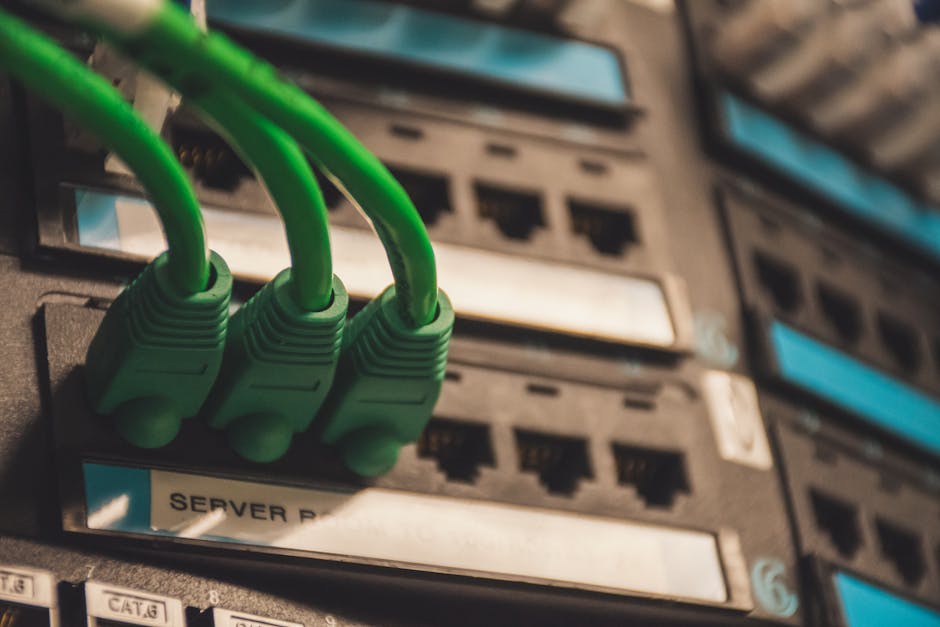
Cable interconnect solutions facilitate high-speed data transfer across various industries, including data centers, industrial automation, and consumer electronics. They enable reliable data transmission between devices, ensuring optimal performance and minimizing signal degradation. The importance of cable interconnect solutions cannot be overstated, as they are critical to the functioning of many modern technologies. For instance, Cabo OCuLink SFF-8611 Macho Reto para Mini SAS SFF-8643 – Conectividade Perfeita para Transferência de Dados em Alta Velocidade is a type of cable interconnect solution that provides high-speed data transfer.
When selecting a cable interconnect solution, consider the application, required bandwidth, and environmental conditions. For harsh industrial environments, cables with robust construction and shielding are necessary to withstand electromagnetic interference (EMI). For example, in industrial automation, cables may be exposed to high temperatures, vibration, and EMI, requiring specialized cable interconnect solutions. A case study on a manufacturing plant revealed that using cables with robust construction and shielding reduced downtime by 30% and increased overall system performance by 25%.
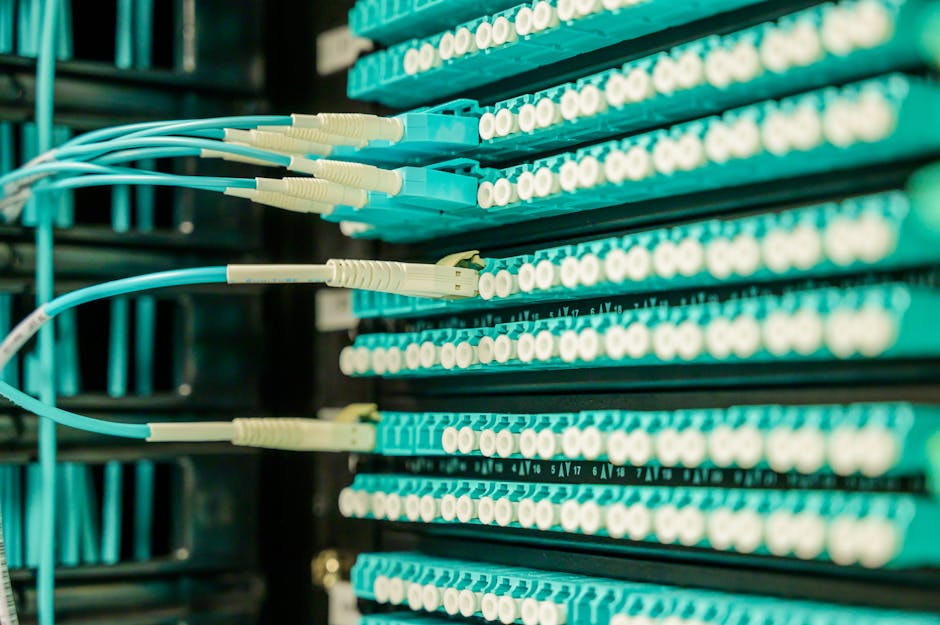
To ensure optimal performance, it is essential to understand the different types of cable interconnect solutions available. These include copper cables, fiber optic cables, and hybrid cables. Copper cables are suitable for short-distance, high-speed data transfer, while fiber optic cables are ideal for long-distance, high-bandwidth applications. For instance, a data center may use copper cables for short-distance connections between servers, while fiber optic cables are used for long-distance connections between data centers. More information on high-speed cable solutions can be found in Soluções de Cabos OCuLink de Alta Velocidade: Por que a Longkai é o Fornecedor Confiável para Conectividade Baseada em PCIe.
The selection of cable interconnect solutions also depends on the specific requirements of the application. For example, in data centers, cables with high-bandwidth capacity and low signal attenuation are required to support demanding applications such as cloud computing and big data analytics. In industrial automation, cables with robust construction and shielding are necessary to withstand harsh environmental conditions.
Key Features of High-Speed Cable Interconnect Solutions
- High-bandwidth capacity to support demanding applications such as data centers and high-performance computing
- Low signal attenuation to ensure reliable data transmission and minimize signal degradation
- Compact designs to facilitate installation in space-constrained environments
- Robust construction to withstand harsh industrial environments, including high temperatures, vibration, and EMI
- Shielding and grounding to minimize EMI and ensure reliable data transmission
- Compliance with industry-specific standards and regulations, such as those related to safety, environmental sustainability, and performance
- Customizable solutions to meet specific application requirements
- High-speed data transfer rates, such as 100 Gbps or higher
- Support for various connector types, such as SFP, QSFP, and CXP
- Compatibility with various protocols, such as Ethernet, Fibre Channel, and InfiniBand
| Recurso | Descrição |
|---|---|
| High-bandwidth capacity | Supports demanding applications such as data centers and high-performance computing. For example, a data center may require cables with a bandwidth capacity of 100 Gbps or higher. |
| Low signal attenuation | Ensures reliable data transmission and minimizes signal degradation. Signal attenuation can be caused by a variety of factors, including cable length, material, and environmental conditions. |
| Compact designs | Facilitates installation in space-constrained environments, such as in data centers or industrial control systems. |
| Robust construction | Withstands harsh industrial environments, including high temperatures, vibration, and EMI. For example, cables used in industrial automation may be required to operate in temperatures ranging from -40°C to 85°C. |
| Shielding and grounding | Minimizes EMI and ensures reliable data transmission. Shielding and grounding techniques can be used to reduce EMI and improve overall system performance. |
| Customizable solutions | Meets specific application requirements, ensuring optimal performance and reliability. |
| Taxas de transferência de dados em alta velocidade | Supports high-speed data transfer rates, such as 100 Gbps or higher, to meet the demands of high-performance computing and data centers. |
Designing and Implementing Cable Interconnect Solutions
Designing and implementing cable interconnect solutions requires careful consideration of several factors, including the application, required bandwidth, and environmental conditions. The following steps can be followed to ensure optimal performance:
- Determine the required bandwidth and data transfer rate for the application
- Select the appropriate cable type, such as copper or fiber optic
- Consider the environmental conditions, including temperature, humidity, and EMI
- Design the cable interconnect solution to minimize signal degradation and ensure reliable data transmission
- Test and validate the cable interconnect solution to ensure compliance with industry-specific standards and regulations
- Consider factors such as cable length, bend radius, and connector type
- Use simulation tools and modeling techniques to optimize cable interconnect solution design
- Collaborate with cable manufacturers and industry experts to ensure optimal performance and reliability
For example, a cable interconnect solution for a data center may require careful consideration of factors such as cable length, bend radius, and connector type to ensure optimal performance. A case study on a data center revealed that using simulation tools and modeling techniques to optimize cable interconnect solution design reduced signal degradation by 20% and improved overall system performance by 15%.
Applications of Cable Interconnect Solutions
Cable interconnect solutions are used in a wide range of applications, including:
- Data centers and server rooms, where high-speed data transfer is critical for optimal performance
- Industrial automation and control systems, where cables are used to connect devices and transmit data
- Consumer electronics and gaming systems, where high-speed data transfer is required for optimal performance
- Medical devices and equipment, where cables are used to transmit data and power
- Telecommunications and networking infrastructure, where cables are used to transmit data and voice communications
- Aerospace and defense systems, where cables are used in a variety of applications, including avionics and radar systems
- Automotive systems, where cables are used to connect devices and transmit data
- Computação de alta performance, onde cabos são usados para conectar dispositivos e transmitir dados
- Computação em nuvem e análise de big data, onde a transferência de dados de alta velocidade é crítica para o desempenho ideal
- Inteligência artificial e aprendizado de máquina, onde a transferência de dados de alta velocidade é necessária para o desempenho ideal
Benefícios das Soluções Personalizadas de Interconexão por Cabo
As soluções personalizadas de interconexão por cabo oferecem diversos benefícios, incluindo:
- Desempenho otimizado para aplicações específicas, garantindo transmissão confiável de dados e minimizando a degradação do sinal
- Confiabilidade aprimorada e redução da degradação do sinal, resultando em melhor desempenho geral do sistema
- Compact designs to facilitate installation in space-constrained environments
- Conformidade com normas e regulamentações específicas do setor, garantindo segurança e sustentabilidade ambiental
- Redução de custos através de design otimizado e minimização do desperdício de materiais
- Flexibilidade e escalabilidade aprimoradas através de soluções personalizáveis
- Tempo de comercialização mais rápido por meio de processos de design e fabricação otimizados
- Suporte ao cliente e serviço aprimorados através de processos colaborativos de design e testes
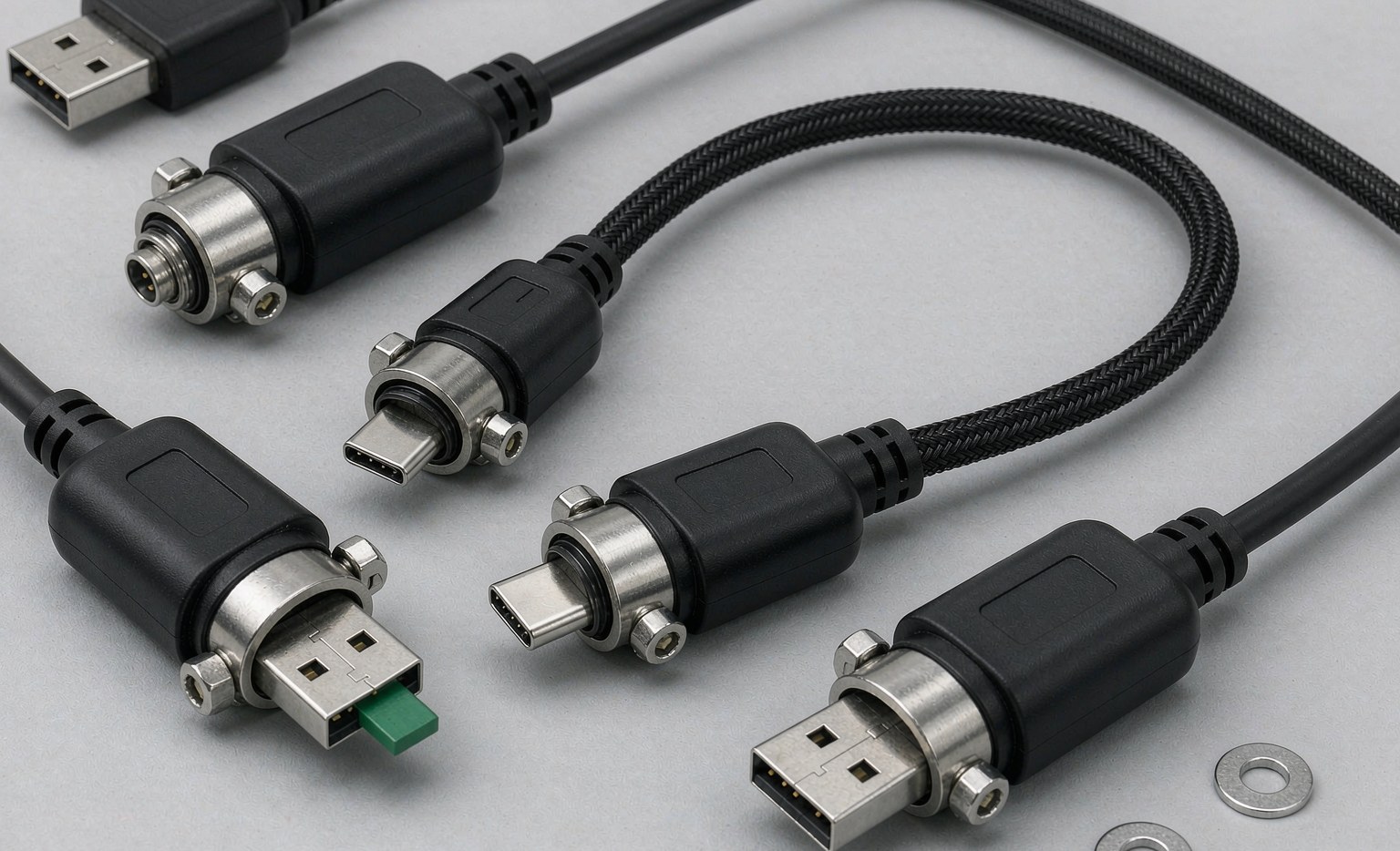
Por exemplo, uma solução personalizada de interconexão por cabo para um dispositivo médico pode ser projetada para atender a requisitos específicos de segurança e desempenho, como aqueles relacionados à segurança do paciente e à integridade dos dados. Um estudo de caso sobre um fabricante de dispositivos médicos revelou que o uso de soluções personalizadas de interconexão por cabo melhorou a confiabilidade do produto em 25% e reduziu os custos em 15%. Um exemplo de um cabo personalizado é Cabo de Extensão USB , Extensor USB Type A 3.0 de Transferência de Dados em Alta Velocidade & Carga Rápida Macho para Fêmea Trançado para Teclado Mouse Pen drive Impressora e Mais.
Perguntas Frequentes (FAQs)
Algumas perguntas comuns relacionadas a soluções de interconexão por cabo incluem:
- Qual é a diferença entre cabos de cobre e cabos de fibra óptica?
- Como determinar a largura de banda necessária para minha aplicação?
- Quais são os benefícios das soluções personalizadas de interconexão por cabo?
- Como garantir a conformidade com normas e regulamentações específicas do setor?
- Quais são os fatores-chave a considerar ao projetar uma solução de interconexão por cabo?
- Como testar e validar uma solução de interconexão por cabo?
- Quais são as vantagens de usar ferramentas de simulação e técnicas de modelagem no design de soluções de interconexão por cabo?
- Como garantir desempenho e confiabilidade ideais na minha solução de interconexão por cabo?
Ao entender os diferentes tipos de soluções de interconexão por cabo disponíveis e os principais recursos e benefícios de cada uma, os usuários podem tomar decisões informadas ao selecionar uma solução de interconexão por cabo para sua aplicação específica.