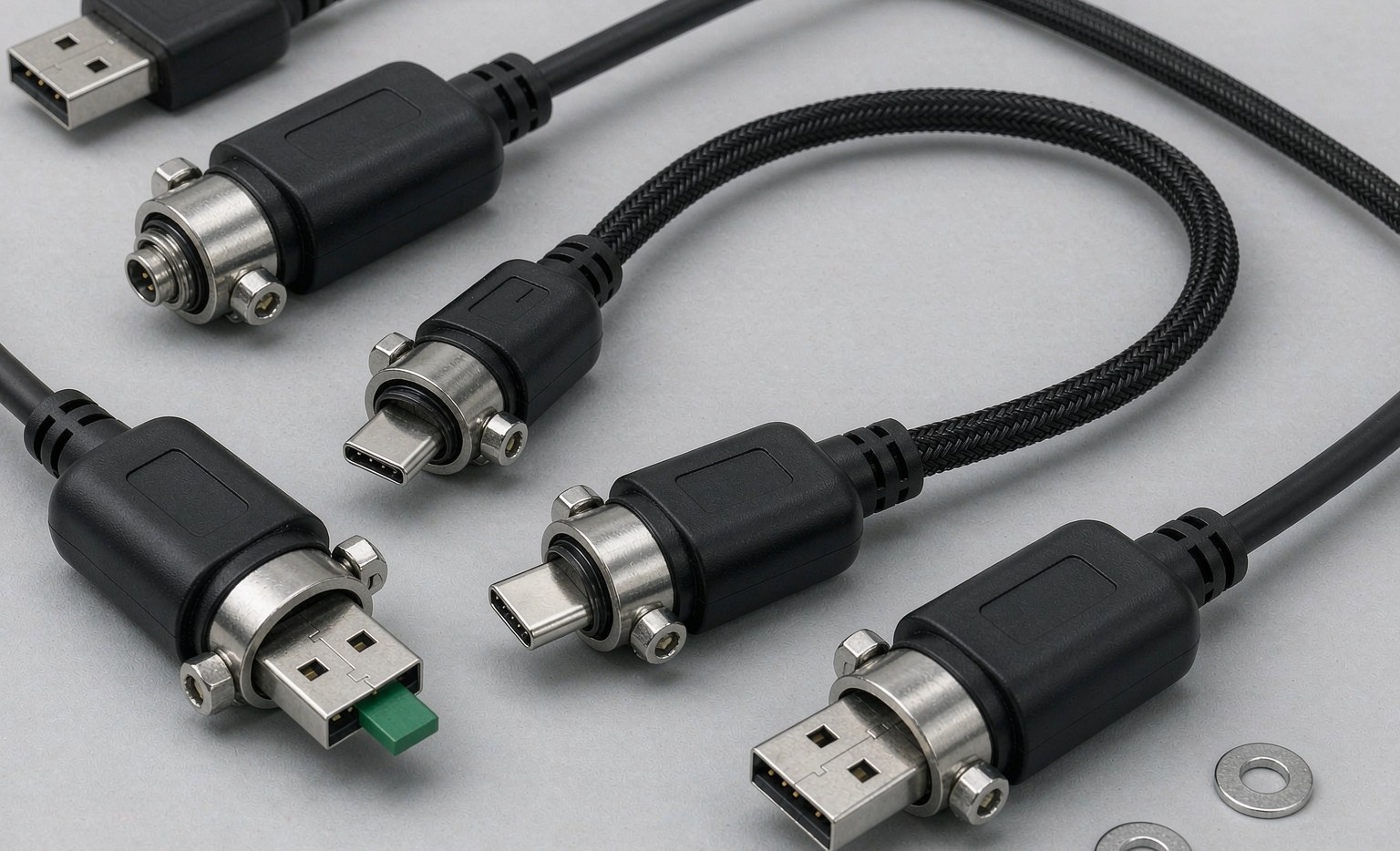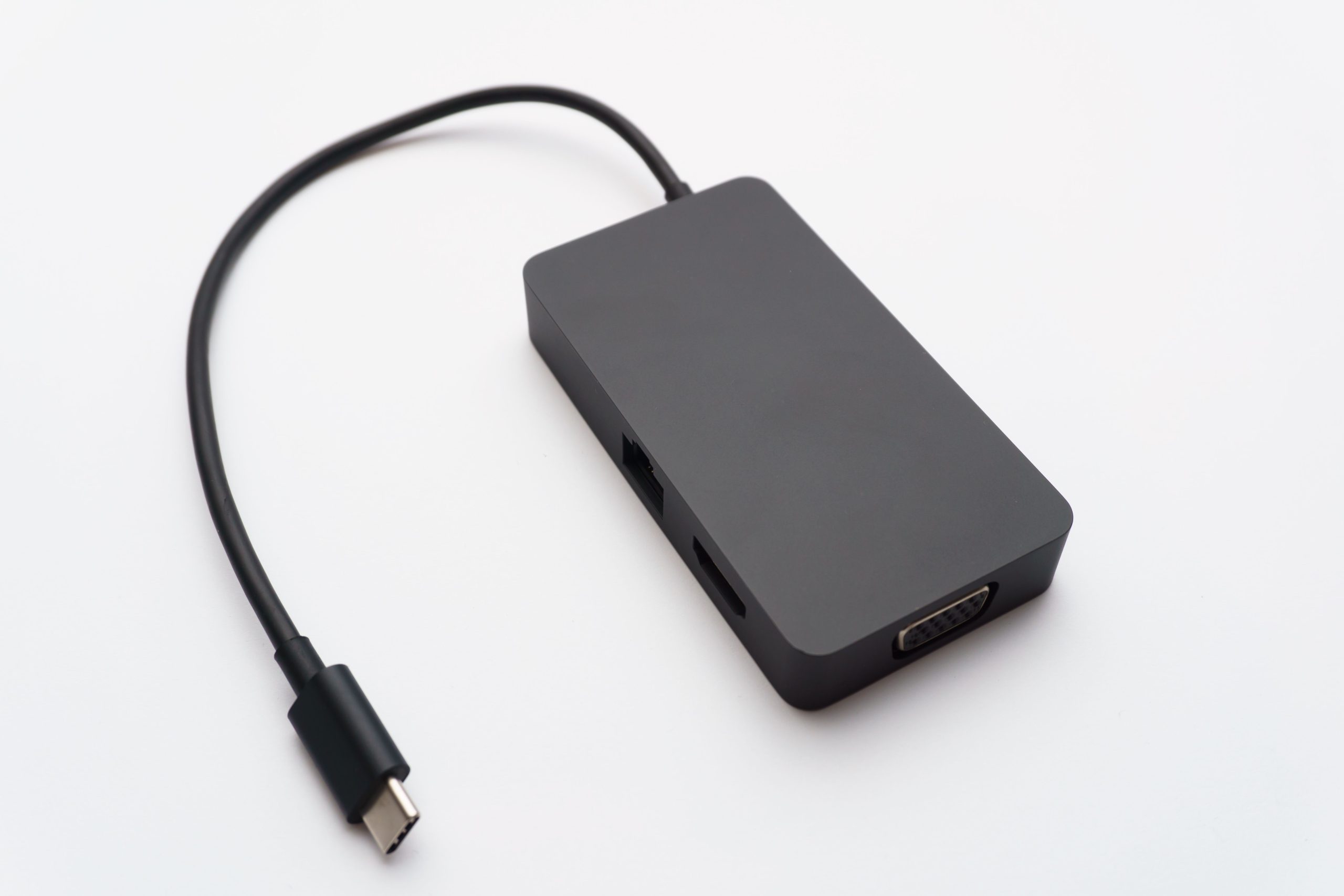
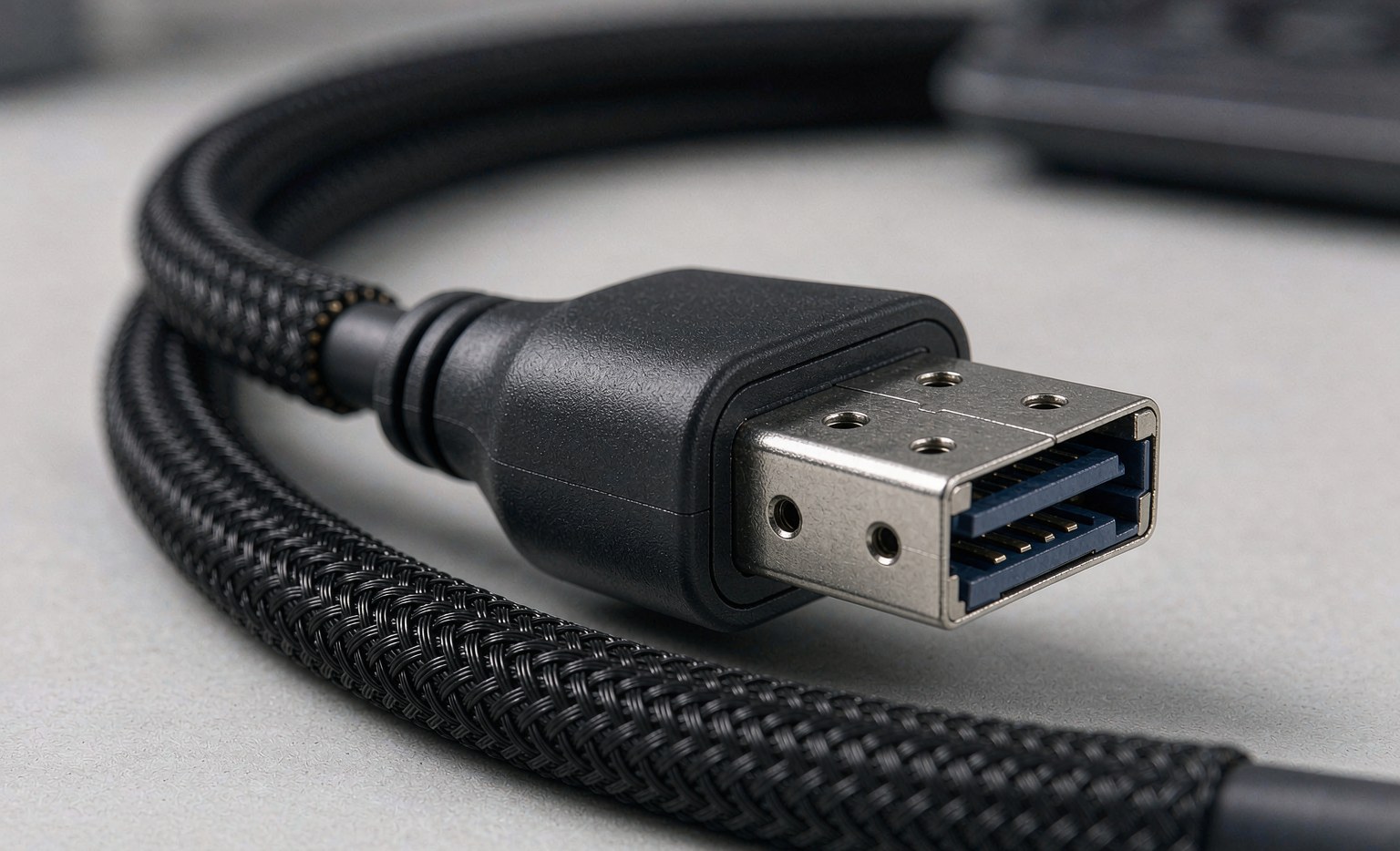
An industrial USB cable is not a phone charger lead. It has to survive flex, vibration, oil, and EMI on a factory floor while carrying data and power reliably. The specs that matter — version, connector, shielding, gauge, and certification — decide whether it works or flakes out after a month. This guide covers the real numbers.
USB versions and speed
| Version | Max data rate | Max cable length |
|---|---|---|
| USB 2.0 | 480 Mbps | 5 m |
| USB 3.0 / 3.1 Gen1 | 5 Gbps | 3 m |
| USB 3.2 Gen2 | 10 Gbps | 1 m (passive) |
| USB4 | 40 Gbps | 0.8 m (passive) |
Passive copper length drops as speed rises; longer high-speed runs need active cables or fiber extenders. The 5 m / 3 m limits are the spec maximums, not suggestions.
Connectors
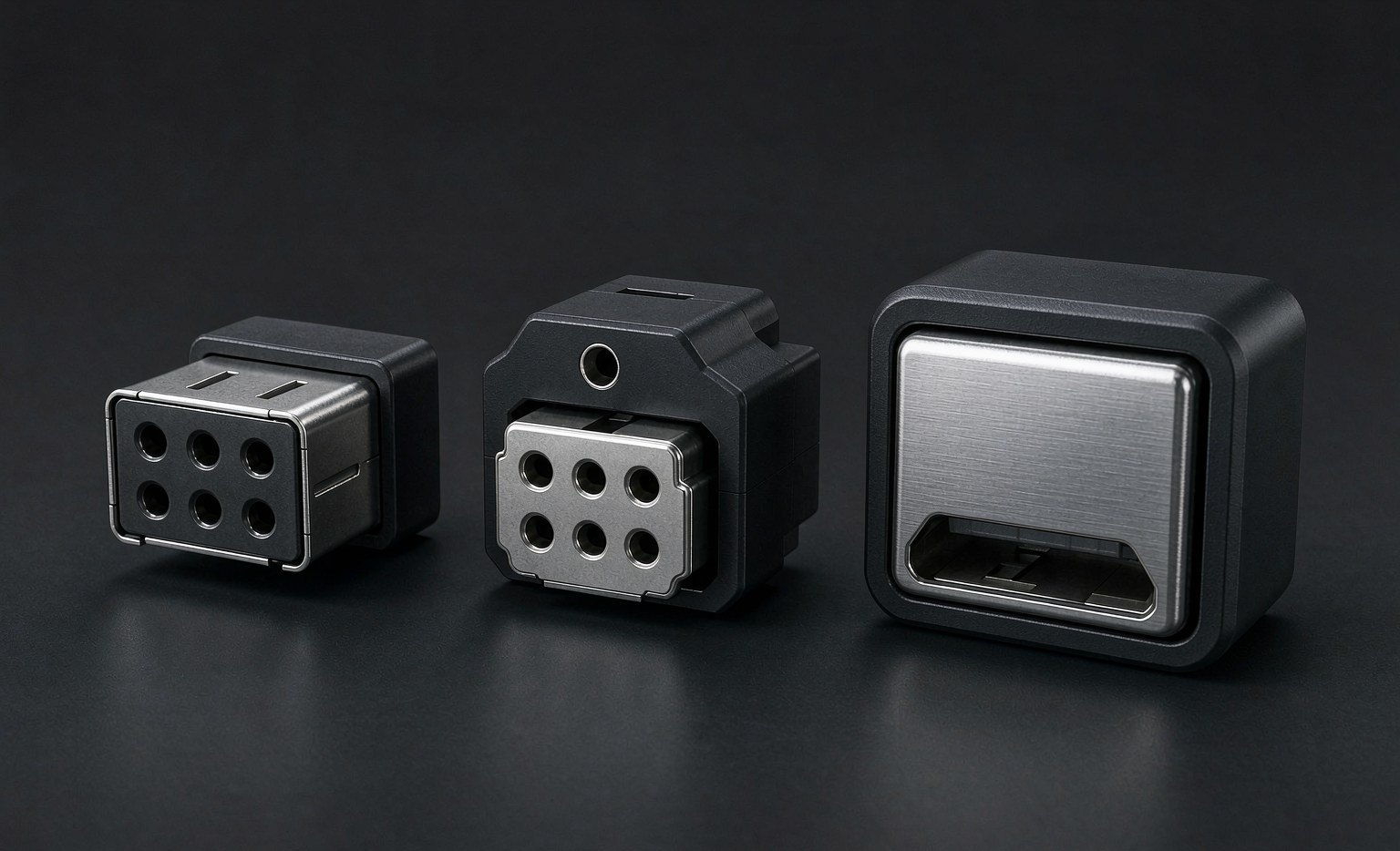
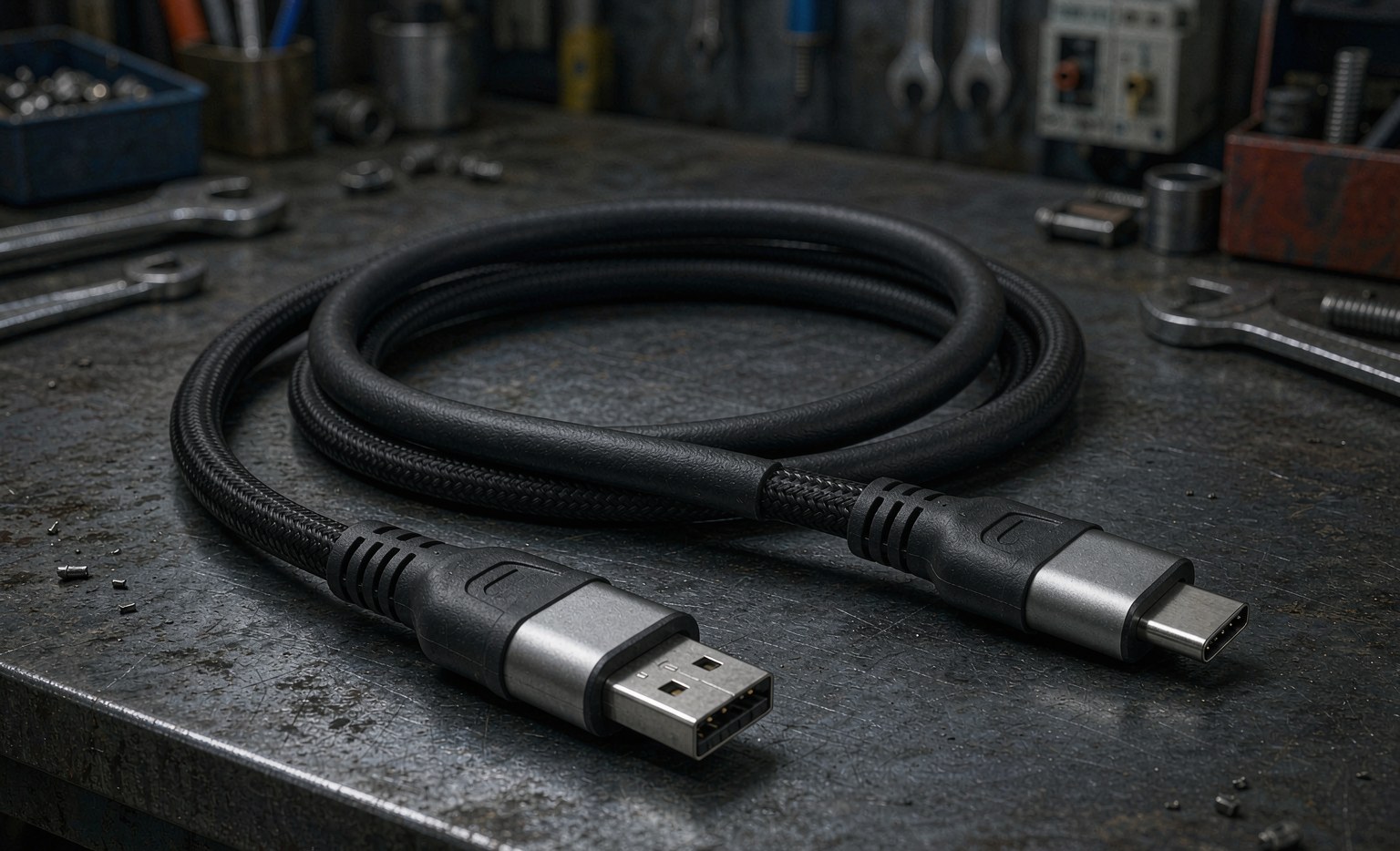
Type-A (host side, flat), Type-B (device, square), Micro-B (legacy device), and Type-C (reversible, current standard) are the common industrial forms. Type-C carries the most power and signal in one reversible connector, which is why new equipment standardizes on it; legacy machines still use A and B, so a cable spec has to name both ends.
Shielding and EMC
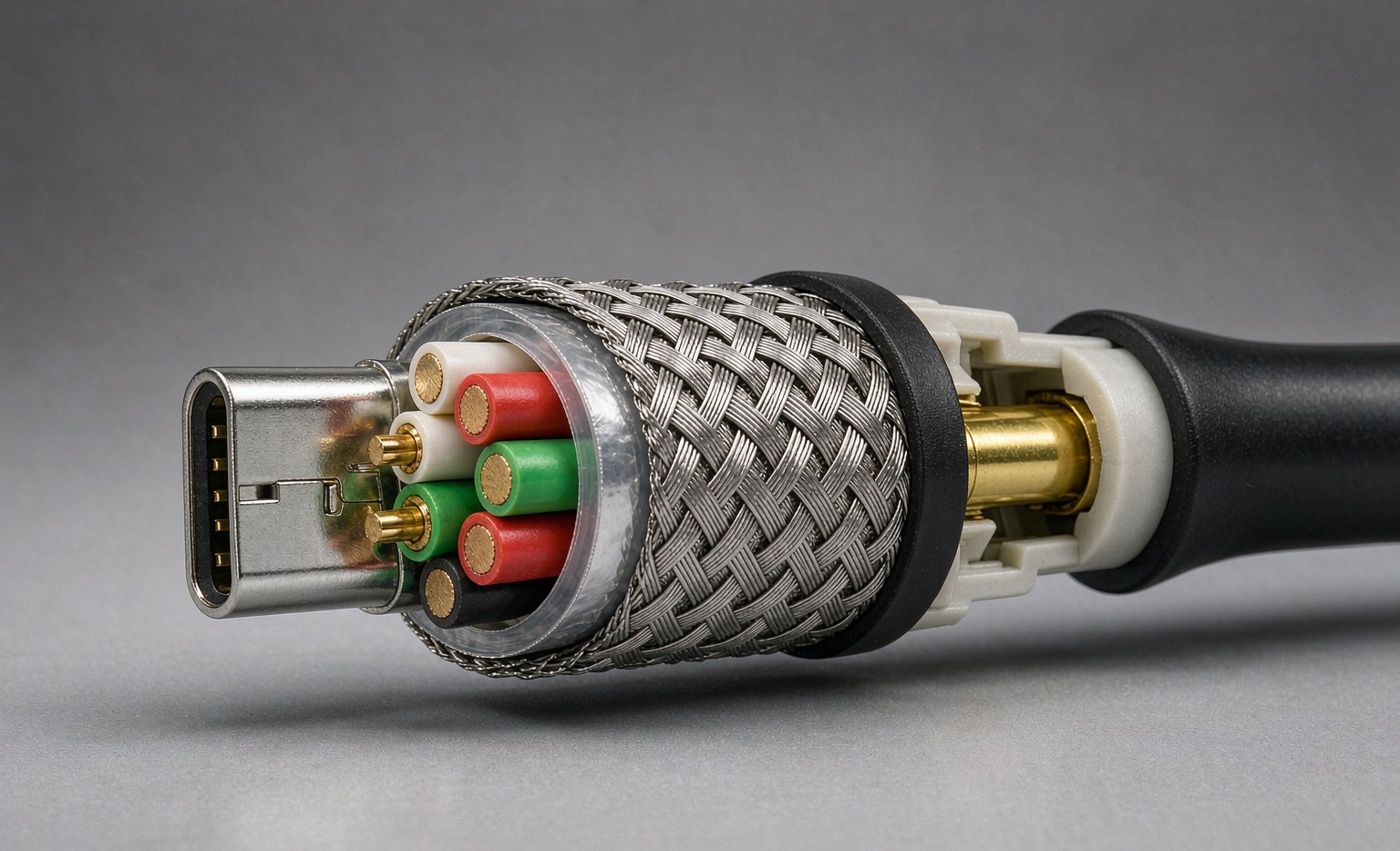
On a shop floor, EMI from motors and welders corrupts unshielded data lines. Industrial cables use foil plus braid shielding and often a ferrite bead at the connector to suppress common-mode noise. A foil-and-braid combo typically beats either alone; for noisy environments, specify double-shielded and verify the connector shell is grounded through the shield.
Gauge and power
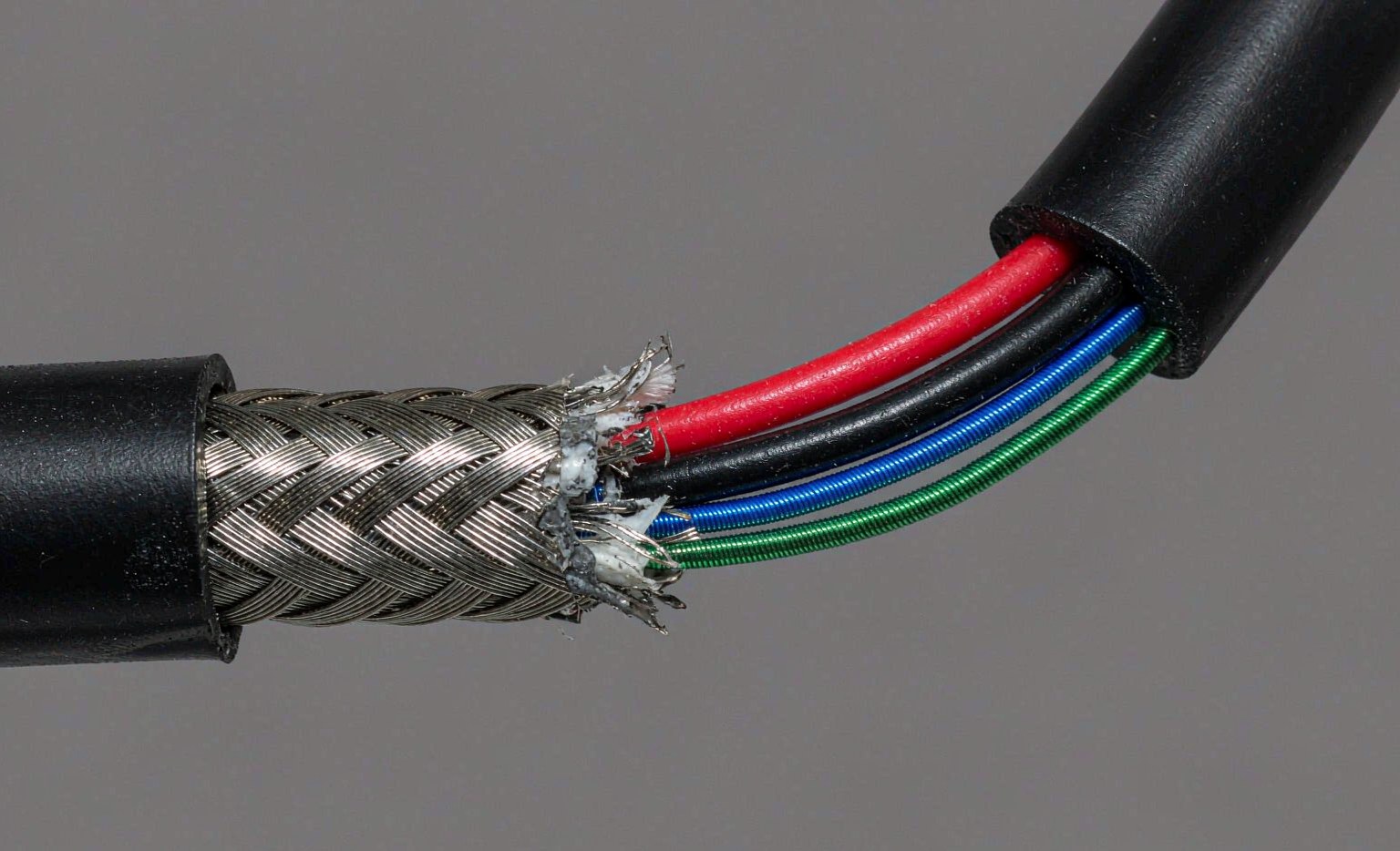
Power pairs are usually 28 AWG (signal) with 24 or 20 AWG (power) so the cable drops less voltage under load. Thin all-28 AWG cables sag voltage on longer runs and throttle charging or reset devices. For powered industrial use, check the power conductor gauge, not just the connector.
Certificações
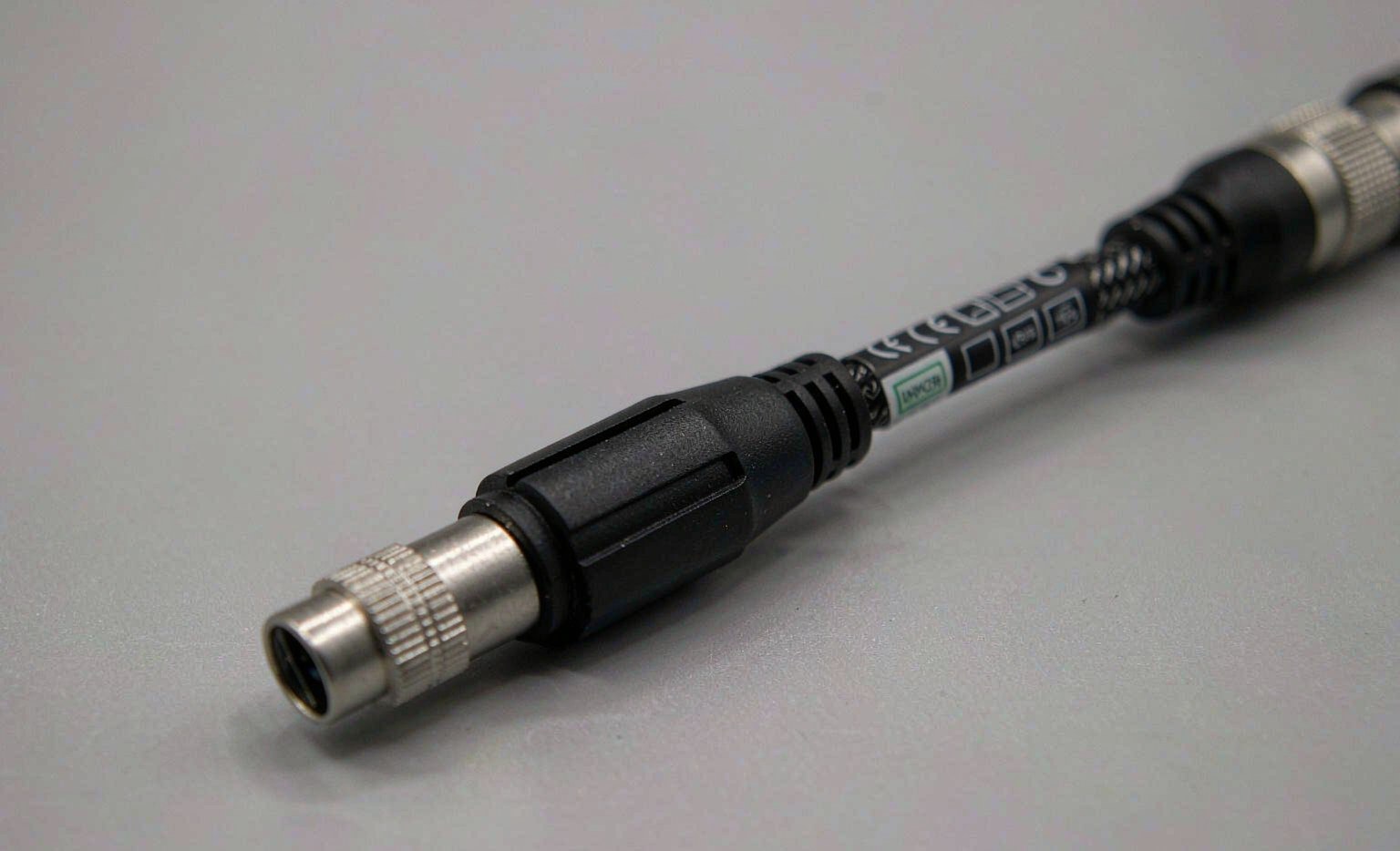
Legitimate cables carry USB-IF certification (interoperability), CE (EU), RoHS and REACH (substance limits), and FCC for EMI. Industrial builds add a molded strain relief, a TPU or PVC jacket rated for the temperature range, and sometimes an IP-rated connector boot. A cable with none of these is a consumer lead wearing an industrial label — it will fail where it matters.
Mating cycles and durability
Connector durability is rated in mate cycles: a well-built Type-C is typically specified for around 10,000 insertions, while Micro-B is far less robust and its small contacts deform easily under repeated use. On a factory panel where cables are plugged and unplugged daily, that difference decides whether the port survives a year. Molded strain relief and a metal shell add protection where a plain lead would fray at the connector.
Bend radius and routing
Cables have a minimum bend radius, and violating it cracks conductors or damages the shield. In drag-chain or robotic applications the cable must be rated for continuous flex life, often with a higher strand count to survive millions of cycles. Routing a standard cable through a moving axis is a common cause of intermittent faults that look like a device problem but are really a cable spec problem.
Signal integrity at speed
As data rate rises, cable quality matters more: impedance mismatches, poor shielding and long lengths all cause the eye diagram to close and the link to drop to a lower speed or renegotiate. For USB 3.x and above, keep runs short, use the specified impedance and avoid sharp bends or untwisted breaks. A cable that “works” at 2.0 speeds may fail entirely at 3.0 on the same run.
Certification checklist
For an industrial purchase, confirm USB-IF listing (interoperability), CE marking for the EU, RoHS and REACH for restricted substances, and FCC for emissions where the cable carries active electronics. For sealed or high-flex builds, also confirm the IP rating and the flex-life rating in the datasheet rather than trusting a marketing claim.
Specification checklist
Before ordering, confirm each line so the cable survives the environment:
| Spec | What to state |
|---|---|
| Version | USB 2.0 / 3.x / 4 and required data rate |
| Connectors | Both ends (A/B/Micro/Type-C) |
| Blindagem | Foil + braid for noisy areas |
| Gauge | Power AWG for voltage drop |
| Jacket / flex | TPU/PVC, drag-chain rating |
| Marks | USB-IF, CE, RoHS, FCC |