
Understanding the Importance of Cable Interconnects in Medical Devices
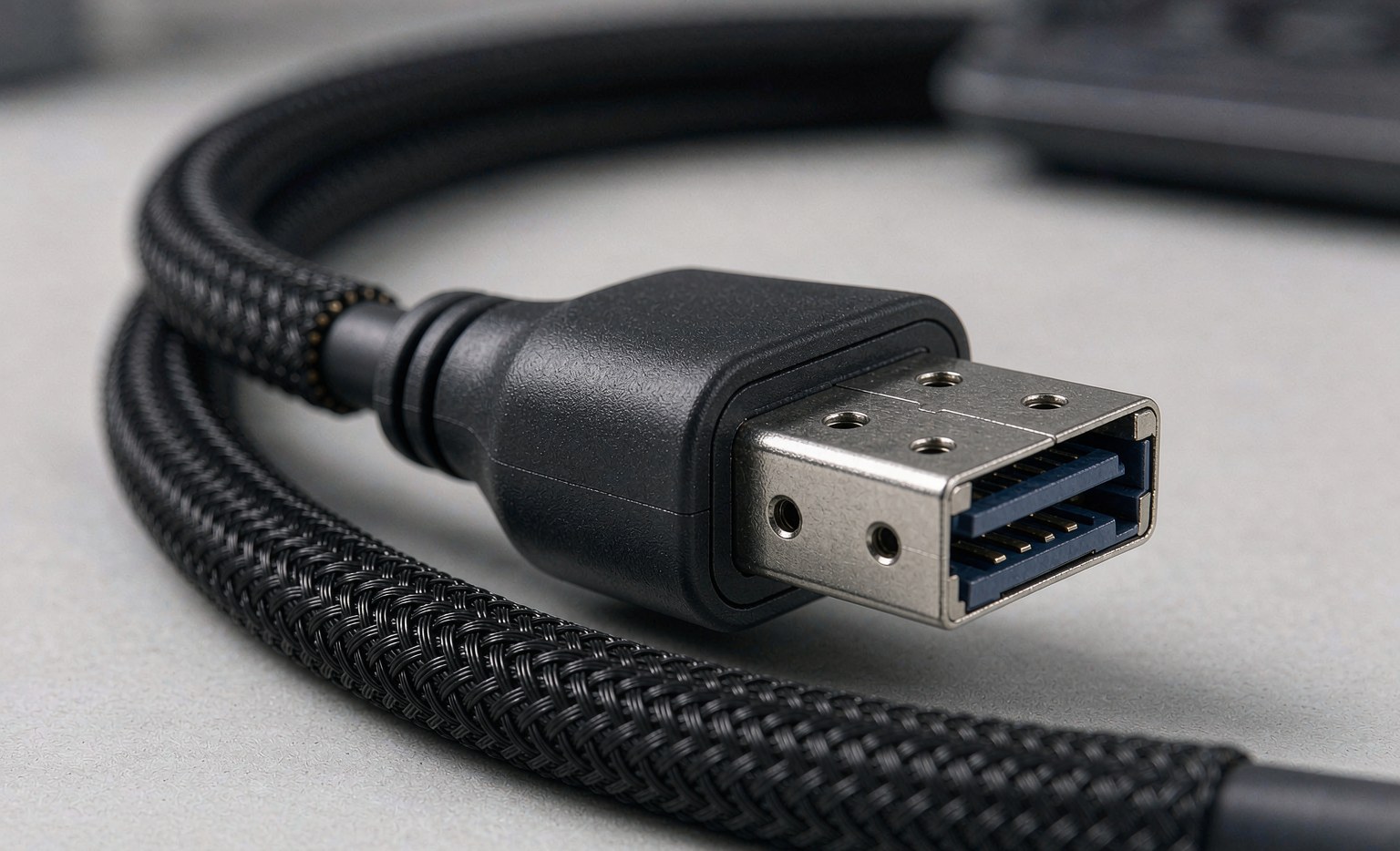
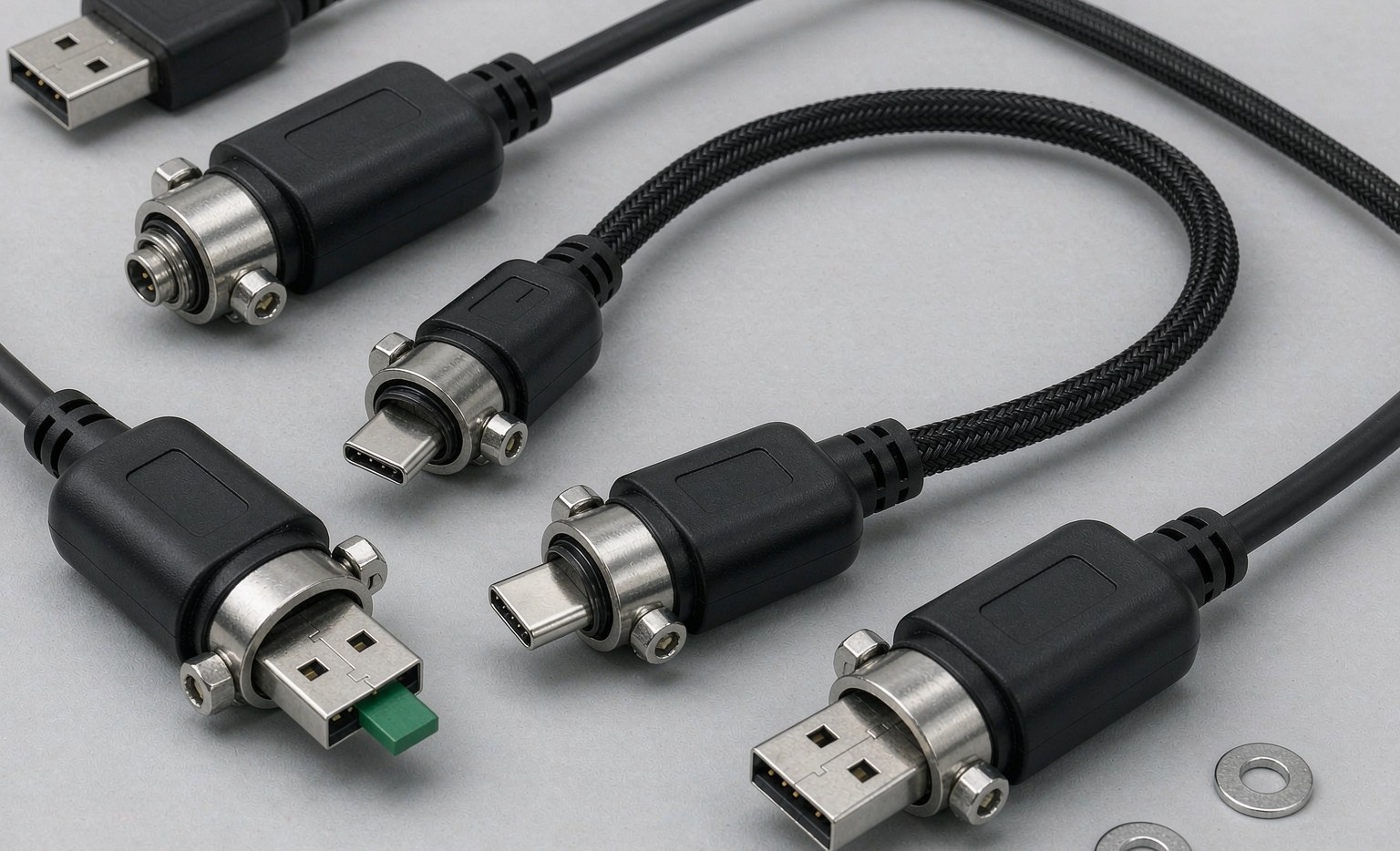
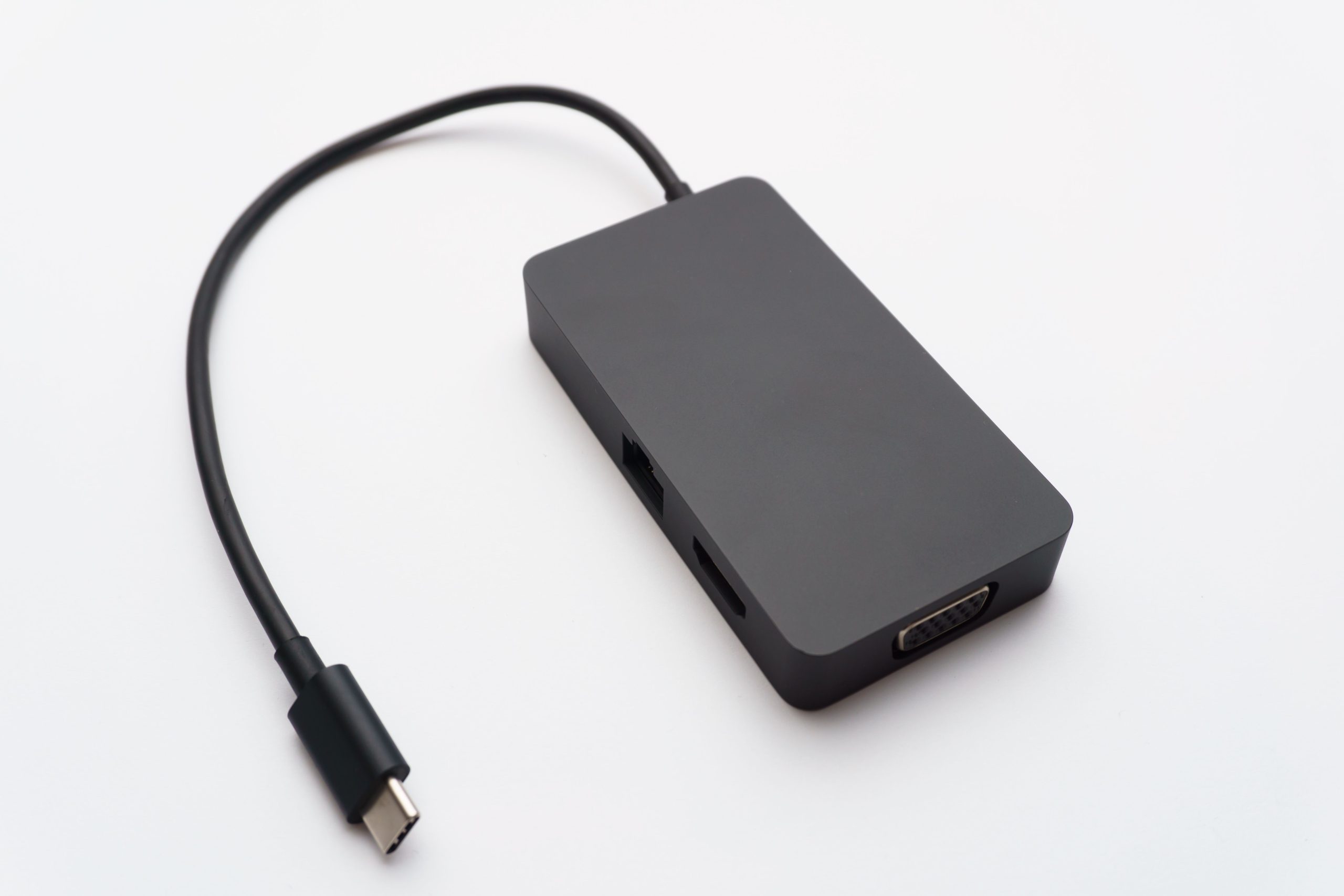
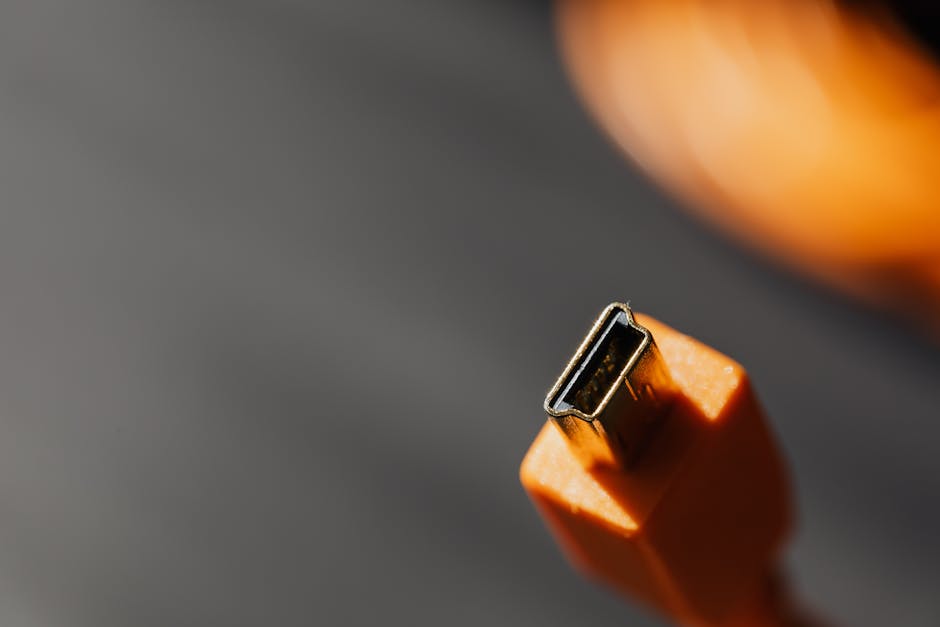
Medical devices rely heavily on cable interconnects to transmit data, power, and signals. The design of these interconnects is critical to ensure the overall performance, reliability, and safety of medical equipment. For instance, in devices like pacemakers and portable defibrillators, cable interconnects play a crucial role in ensuring that these life-saving devices function correctly. Moreover, cable interconnects are used in a wide range of medical applications, including patient monitoring systems, diagnostic equipment, and surgical instruments. A key component in these applications is the What Is a USB-C Cable? The Universal Standard for Power and Data Explained.
- Reliability: Cable interconnects must withstand various environmental conditions and usage patterns, such as repeated sterilization, exposure to chemicals, and mechanical stress.
- Safety: Interconnects must meet stringent safety standards to prevent electrical shock, thermal hazards, or other risks to patients and healthcare professionals.
- Performance: High-quality interconnects ensure accurate data transmission, minimize signal degradation, and maintain signal integrity, even in high-speed data transmission applications, such as those requiring High-Speed OCuLink Cable Solutions: Why Longkai is the Trusted Supplier for PCIe-Based Connectivity.
| Environmental Factor | Design Consideration | Example |
|---|---|---|
| Exposure to bodily fluids | Biocompatible materials | Using materials like silicone or polyurethane that are resistant to bodily fluids and can withstand sterilization processes. |
| Extreme temperatures | Temperature-resistant materials | Selecting materials that can operate within a wide temperature range, such as -20°C to 80°C, to ensure reliability in various medical environments. |
| Mechanical stress | Durable materials and design | Designing cable interconnects with strain relief, flexible materials, and robust connectors to withstand mechanical stress and repeated bending. |
| Electromagnetic interference (EMI) | Shielding and EMI protection | Using shielding materials and techniques, such as braiding or foil shielding, to prevent EMI and ensure signal integrity. |
| Chemical exposure | Chemical-resistant materials | Selecting materials that are resistant to chemicals used in medical environments, such as cleaning agents or disinfectants. |
| Moisture and humidity | Moisture-resistant materials and sealing | Using materials and sealing techniques that prevent moisture ingress and ensure reliable operation in humid environments. |
To ensure the reliability and safety of cable interconnects, manufacturers must consider the environmental factors that the interconnects will be exposed to. This includes exposure to bodily fluids, extreme temperatures, mechanical stress, EMI, chemical exposure, and moisture. By selecting materials and designing interconnects that can withstand these factors, manufacturers can ensure that their medical devices operate reliably and safely. For instance, using USB C to USB C 3.1 Gen 2 Cable 10ft, 10Gbps 100W(20V/5A) Power Delivery with E-Marker Chip 10Gbps Data Sync 4K@60Hz Video Output Compatible for Type-C Devices, can be beneficial.
Key Considerations for Designing Cable Interconnects
Several key considerations are crucial when designing cable interconnects for medical devices:
- Material Selection: Choosing materials that are biocompatible, durable, and resistant to environmental factors, such as chemicals, temperature, and moisture.
- Shielding and EMI Protection: Ensuring that cable interconnects are properly shielded to prevent electromagnetic interference (EMI) and maintain signal integrity.
- Signal Integrity: Designing interconnects to maintain signal integrity, even in high-speed data transmission applications, by minimizing signal attenuation and distortion.
- Compliance with Standards: Ensuring that cable interconnects meet relevant medical industry standards, such as IEC 60601-1, UL 2900, and ISO 10993.
- Testing and Validation: Conducting thorough testing and validation to ensure that cable interconnects meet performance, reliability, and safety requirements.
- Design for Manufacturability: Designing cable interconnects with manufacturability in mind, including considerations for assembly, testing, and quality control.
The steps involved in designing cable interconnects for medical devices include:
- Defining the requirements: Identifying the performance, reliability, and safety requirements of the cable interconnect.
- Selecting materials: Choosing materials that meet the requirements and are compatible with the medical device.
- Designing the interconnect: Designing the cable interconnect to meet the requirements, including considerations for shielding, signal integrity, and manufacturability.
- Prototyping and testing: Creating prototypes and conducting thorough testing and validation to ensure that the cable interconnect meets the requirements.
- Validation and certification: Ensuring that the cable interconnect meets relevant medical industry standards and obtaining certification.
Best Practices for Cable Interconnect Design
To ensure the reliability and safety of cable interconnects in medical devices, manufacturers should follow best practices:
- Collaborate with Experienced Suppliers: Partnering with suppliers who have experience in designing cable interconnects for medical applications and understand the relevant industry standards.
- Conduct Thorough Testing: Performing rigorous testing, including environmental testing, electrical testing, and mechanical testing, to validate the performance and safety of cable interconnects.
- Consider Environmental Factors: Designing interconnects to withstand the environmental conditions in which they will be used, such as temperature, humidity, and exposure to chemicals.
- Design for Manufacturability: Designing cable interconnects with manufacturability in mind, including considerations for assembly, testing, and quality control.
- Document and Track Design Changes: Maintaining detailed documentation and tracking design changes to ensure that cable interconnects remain compliant with relevant industry standards.
- Use Simulation Tools: Using simulation tools to model and simulate the performance of cable interconnects, including signal integrity and EMI.
By following best practices, manufacturers can ensure that their cable interconnects are designed and manufactured to meet the needs of medical device applications.
Frequently Asked Questions (FAQs)
- Q: What are the most critical factors to consider when designing cable interconnects for medical devices? A: Material selection, shielding and EMI protection, signal integrity, compliance with relevant medical industry standards, and testing and validation.
- Q: How can manufacturers ensure the reliability of cable interconnects in medical devices? A: By collaborating with experienced suppliers, conducting thorough testing, considering environmental factors, designing for manufacturability, and documenting and tracking design changes.
- Q: What are some common challenges in designing cable interconnects for medical devices? A: Ensuring biocompatibility, managing EMI, maintaining signal integrity, meeting industry standards, and designing for manufacturability.
- Q: How can cable interconnects be designed to withstand sterilization processes? A: By selecting materials that are resistant to sterilization methods, such as autoclaving, ethylene oxide sterilization, or gamma radiation.
- Q: What role do cable interconnects play in ensuring patient safety? A: Cable interconnects play a critical role in ensuring patient safety by providing reliable and safe transmission of data, power, and signals, and by meeting relevant industry standards for safety and performance.
- Q: How can manufacturers ensure that their cable interconnects meet relevant medical industry standards? A: By collaborating with experienced suppliers, conducting thorough testing and validation, and ensuring compliance with relevant industry standards, such as IEC 60601-1, UL 2900, and ISO 10993.
Case Study: Designing Cable Interconnects for a Portable Defibrillator
A manufacturer of portable defibrillators required a custom cable interconnect solution that met stringent safety and performance requirements. The design team worked closely with the manufacturer to develop a cable interconnect that met the necessary industry standards, including IEC 60601-1, and withstood the environmental conditions in which the device would be used. The final design included a ruggedized connector, shielding to prevent EMI, and materials that were biocompatible and resistant to sterilization processes.
The design process involved several steps, including:
- Defining the requirements: The design team worked with the manufacturer to define the performance, reliability, and safety requirements of the cable interconnect.
- Material selection: The team selected materials that were biocompatible, durable, and resistant to environmental factors, such as chemicals and temperature.
- Designing the interconnect: The team designed the cable interconnect to meet the requirements, including considerations for shielding, signal integrity, and manufacturability.
- Prototyping and testing: The team created prototypes and conducted thorough testing and validation to ensure that the cable interconnect met the requirements.
- Validation and certification: The team ensured that the cable interconnect met relevant medical industry standards and obtained certification.
Conclusion
Designing cable interconnects for medical devices requires careful consideration of multiple factors to ensure reliability, safety, and performance. By understanding the importance of cable interconnects, following best practices, and collaborating with experienced suppliers, manufacturers can create high-quality cable interconnects that meet the needs of medical device applications.