
In the past, we needed a different cable for every device: one for the printer, one for the phone, and another for the laptop. Today, one connector is replacing them all. But what is a USB-C cable, and why has it become the global standard?
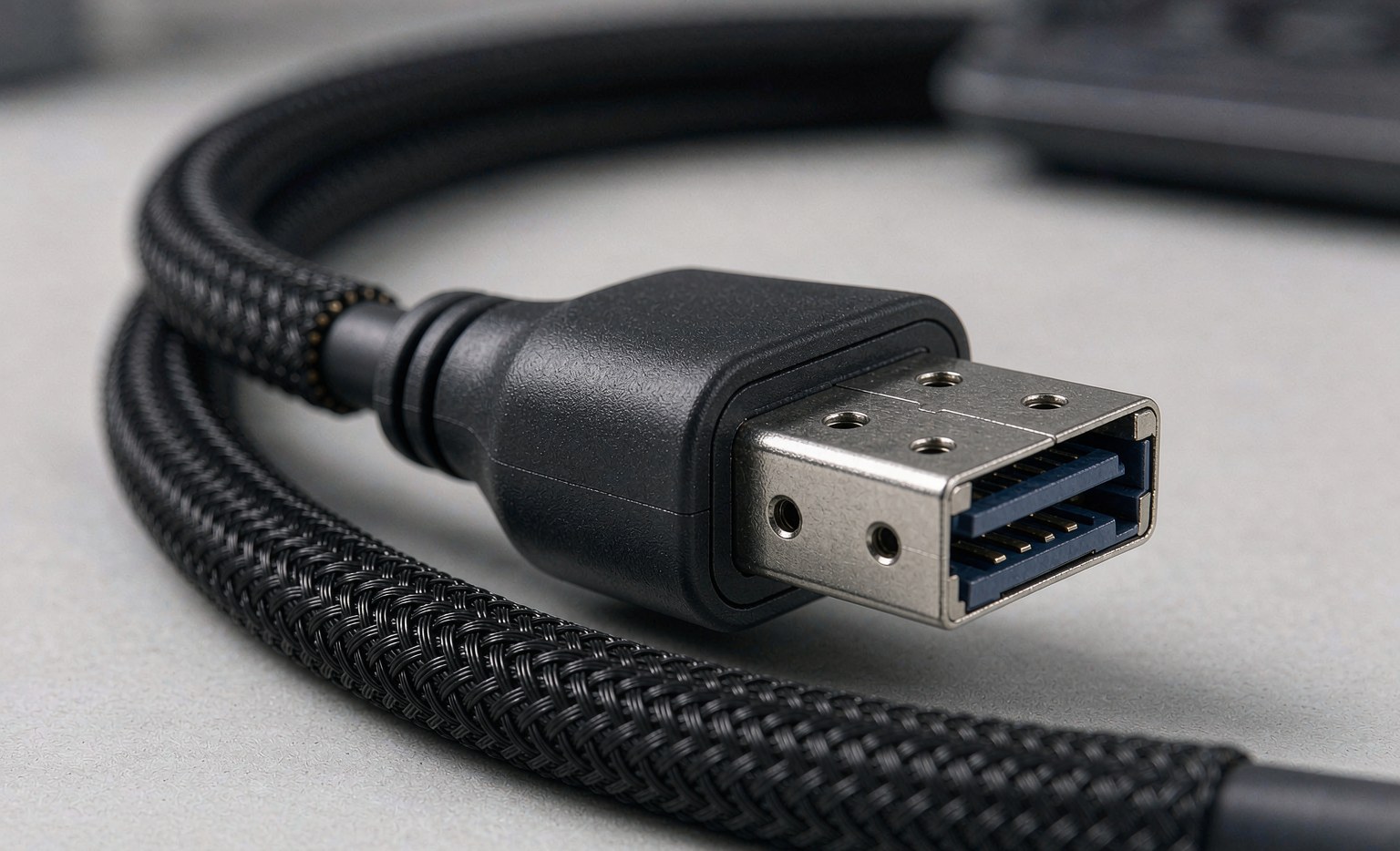
USB-C, formally known as USB Type-C, is a physical connector system for transmitting data and power. Unlike its predecessors, it features a 24-pin double-sided connector. This design allows for higher transfer speeds, massive power delivery, and video output—all through a single, slim interface.
At Longkai Electronics, established in 2012, we have been at the forefront of this transition. From manufacturing cables for consumer giants like Samsung to designing robust industrial cable solutions, we understand the intricate engineering that makes USB-C the connector of the future.
The Physical Design: The End of “Upside Down”
The most immediate benefit of a USB-C cable is its user-friendly design. We have all struggled with the older rectangular USB-A plugs, trying to insert them the wrong way.
The USB-C connector is rotationally symmetrical (reversible). There is no “up” or “down.” You can plug it in either way, and it works instantly. It is roughly the size of the older Micro-USB plug found on Android phones, but it is far more powerful.
One Cable, Three Major Functions
When asking “what is a USB-C cable,” it is important to understand that it is a “Jack of all trades.” A high-quality USB-C cable can perform three distinct tasks simultaneously:
1. High-Speed Data Transfer
Depending on the protocol supported, USB-C can move data at incredible speeds.
• USB 3.1 / 3.2: Transfer speeds up to 10 Gbps or 20 Gbps.
• USB4 / Thunderbolt: Speeds up to 40 Gbps or even 80 Gbps.
This allows you to transfer a 4K movie in seconds.
2. Power Delivery (Charging)
Standard USB-A ports usually output 2.5W to 5W of power. USB-C supports USB Power Delivery (PD). This technology can deliver up to 100W (and now up to 240W with the latest EPR standard). This means a single USB-C cable can charge your smartphone, tablet, and even a powerful laptop.
3. Video Output (DisplayPort Alt Mode)
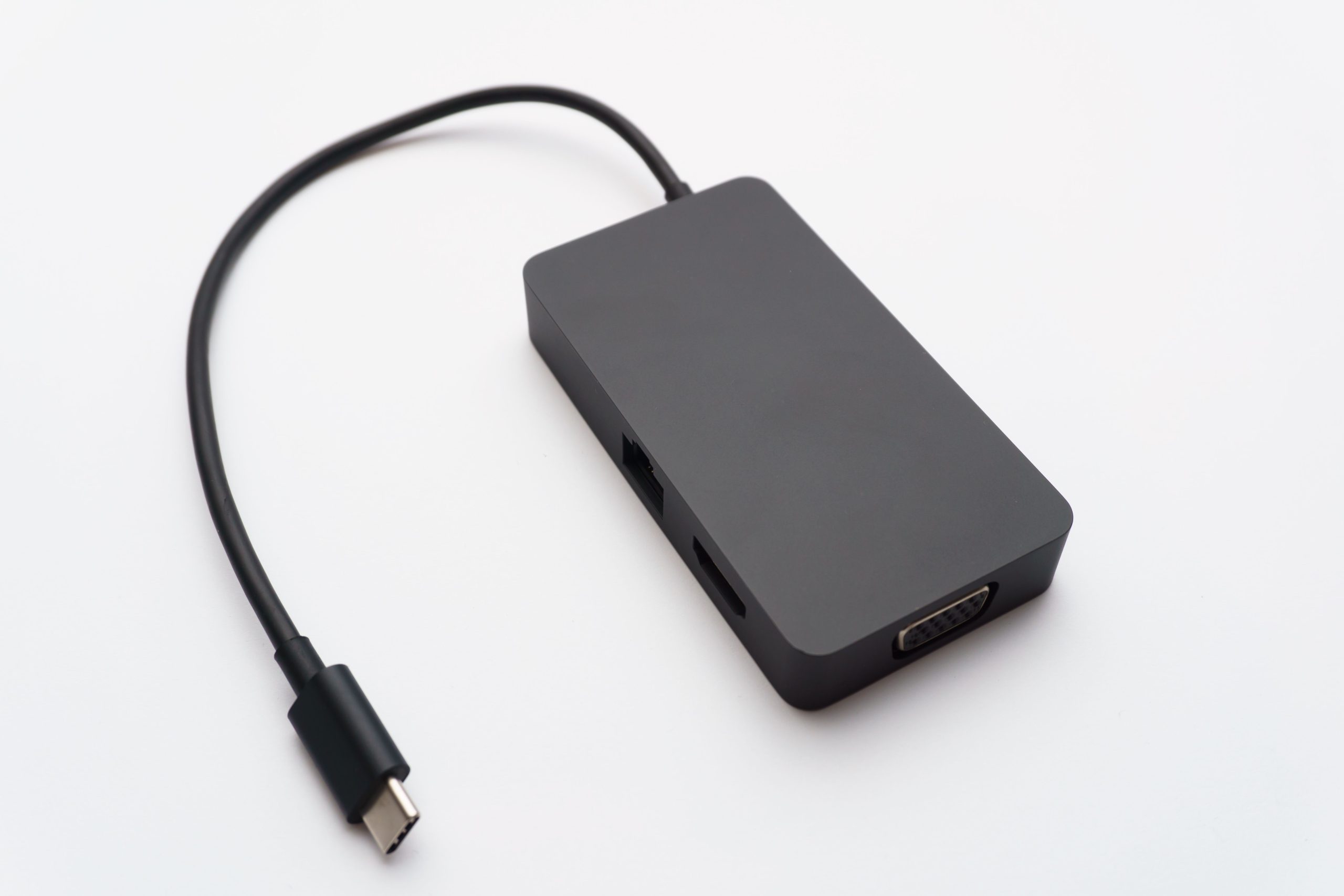
Many USB-C cables can transmit video signals. You can connect your laptop directly to a monitor or projector without needing a bulky HDMI or VGA adapter.
To see these versatile cables in action, explore our Type-C consumer cable collection.

USB-C vs. USB-A: What Is the Difference?
USB-A is the large, rectangular port still found on many desktop computers. USB-C is the smaller, oval port.
- Size: USB-C is one-third the size of USB-A.
- Versatility: USB-A is strictly for host devices (like a PC). USB-C can be on both the host and the peripheral (like a phone or hard drive).
- Future-Proofing: New regulations, such as those in the EU, are mandating USB-C as the universal charging port for all mobile devices.
Not All USB-C Cables Are Equal
This is a crucial point for buyers. Physically, two cables might look identical, but their internal wiring differs.
Some cheap USB-C cables support only USB 2.0 speeds (480 Mbps) and slow charging. Others are “Full-Featured” cables that support 4K video, 10 Gbps data, and 100W charging. Using a low-quality cable on a high-end device will bottleneck its performance.
At Longkai Electronics, we prioritize transparency and quality. Our cables are certified and tested to meet their specified ratings, ensuring you get the performance you paid for.
Industrial Applications: The Need for Durability
While USB-C is delicate compared to older industrial connectors, its speed is irresistible for industrial automation. However, standard connectors can vibrate loose in factory settings.
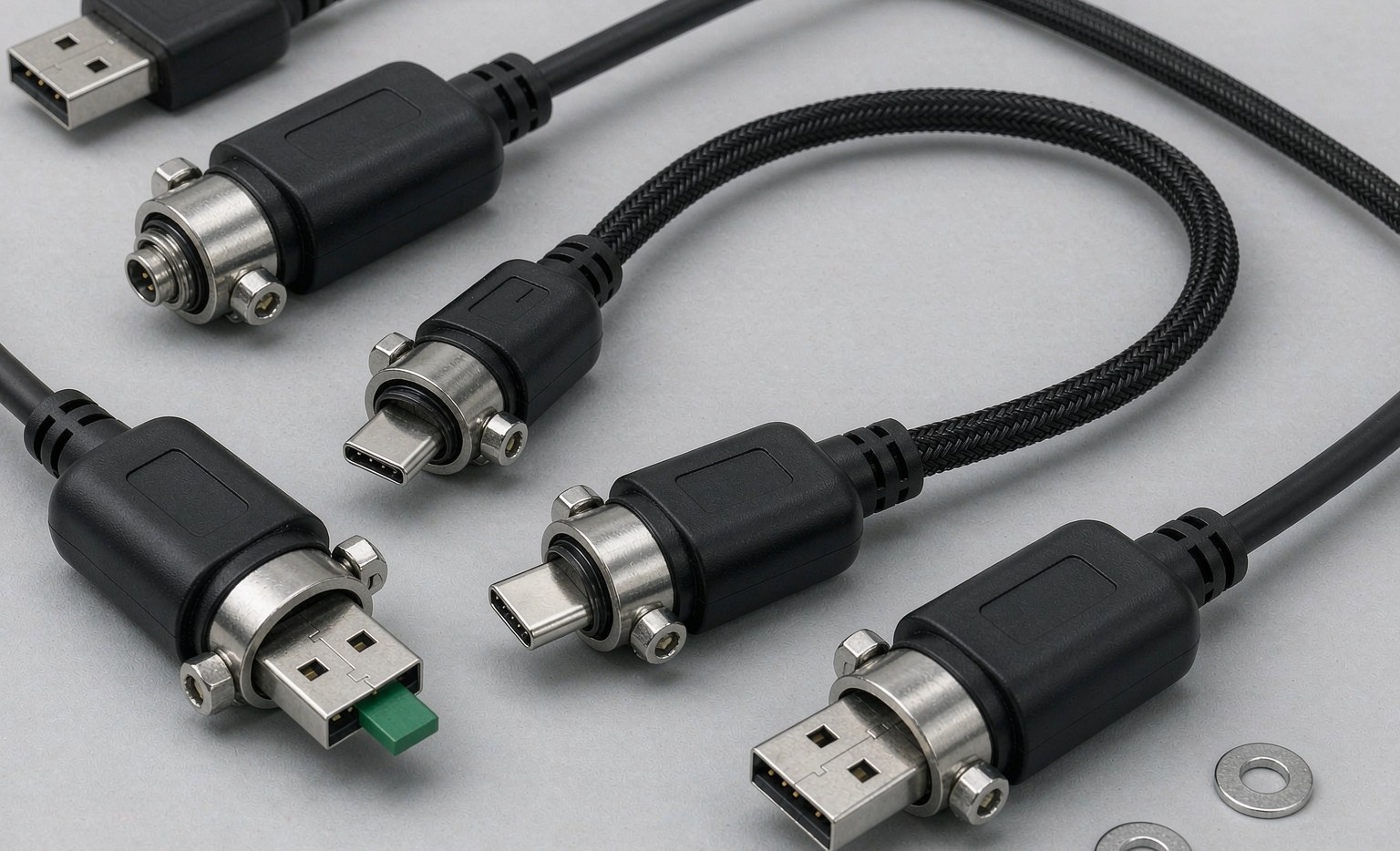
To solve this, we offer Type-C Locking Cables. These feature single or dual screw locks on the connector housing. They bolt securely into the port, ensuring a stable connection for industrial cameras and machine vision systems, even under intense vibration.
Why Trust Longkai Electronics?
With the market flooded with generic cables, safety is a concern. A poorly made USB-C cable can draw too much power and damage your device.
Certified Safety
Longkai Electronics holds ISO9001 and ISO14001 certifications. Our products comply with CE and FCC standards. We have built trust with over 100 global partners, including LG and CATL, by adhering to a “Quality First” philosophy.
Expert Manufacturing
From simple charging cords to complex cable assemblies, our decade of experience ensures precision. We use high-grade copper and durable shielding to prevent interference and ensure longevity.
Conclusion
So, what is a USB-C cable? It is the connector that unites all your devices. It is faster, more powerful, and easier to use than any standard before it.
Whether you need a fast charger for your phone or a secure, locking data cable for an industrial robot, the quality of the cable matters. Choose a manufacturer with a proven track record. Explore the premium USB solutions at Longkai Electronics today.