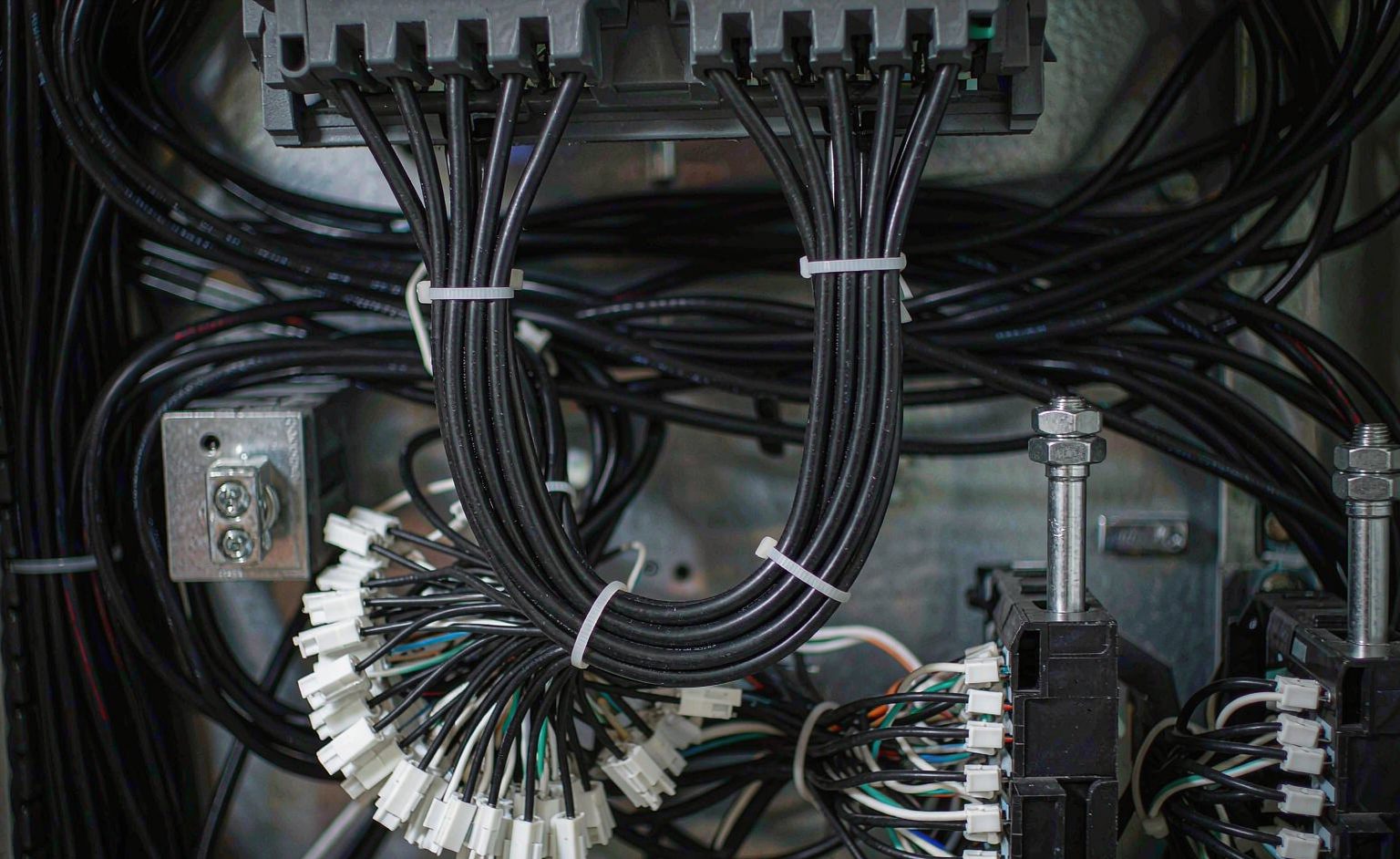
Bend radius, not pull force, is the most common cause of hidden cable failure. This guide covers the bend-radius rule, what happens when you exceed it, and how to spec and route cables that survive.
Posted in
Posted in

Cable and connector industry news from the Link-Lungkay engineering desk: interface standards updates, manufacturing trends and the specification changes that affect industrial buyers. Practical summaries, no press-release padding.
Bend radius, not pull force, is the most common cause of hidden cable failure. This guide covers the bend-radius rule, what happens when you exceed it, and how to spec and route cables that survive.
USB-C is rated for ~10,000 mating cycles, but real durability depends on shell plating, retention and environment. This guide covers the rating, the failure modes, and how to spec a connector that survives industrial and field use.
An industrial USB cable is not a phone charger lead. It has to survive flex, vibration, oil, and EMI on a factory floor while carrying data and power reliably. The specs that matter — version, connector, shielding, gauge, and certification — decide whether it works or flakes out after a month. This guide covers the […]
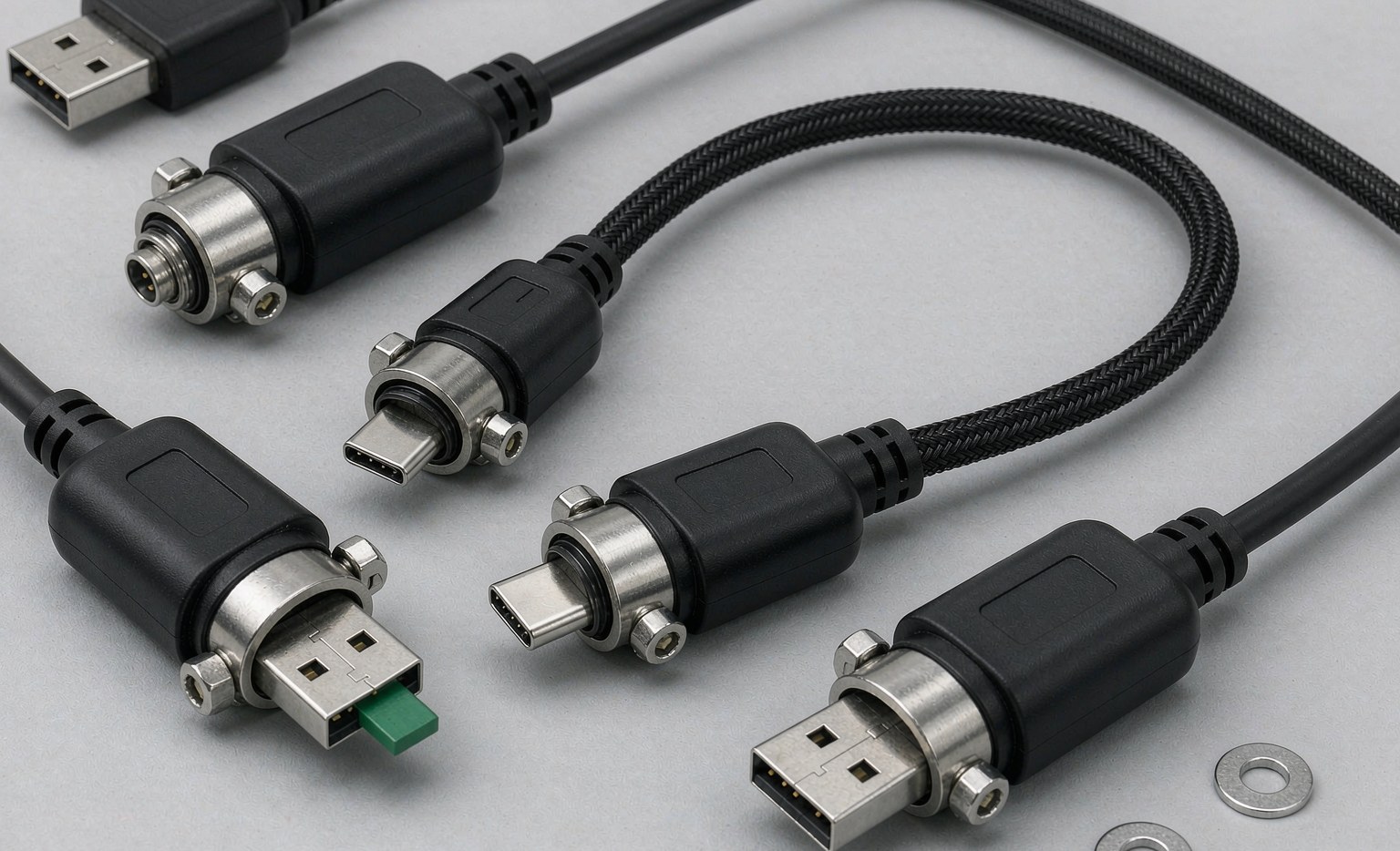
How industrial USB cables are specified and built: retention classes from friction latch to IP67 screw-lock, speed versus passive length limits, shielded construction and 100% test.
Specify USB cable geometry per port: right-angle clearance, screw-locking retention, nylon vs PVC jackets, and the 240W/20Gbps/85-100 ohm electrical block that matters.
A specifier’s guide to USB-C assemblies: ampacity vs wattage, why 48V/5A reaches 240W, wire gauge and length, E-marker chips, impedance, jacket and screw locking.