Understanding Industrial Ethernet Cables
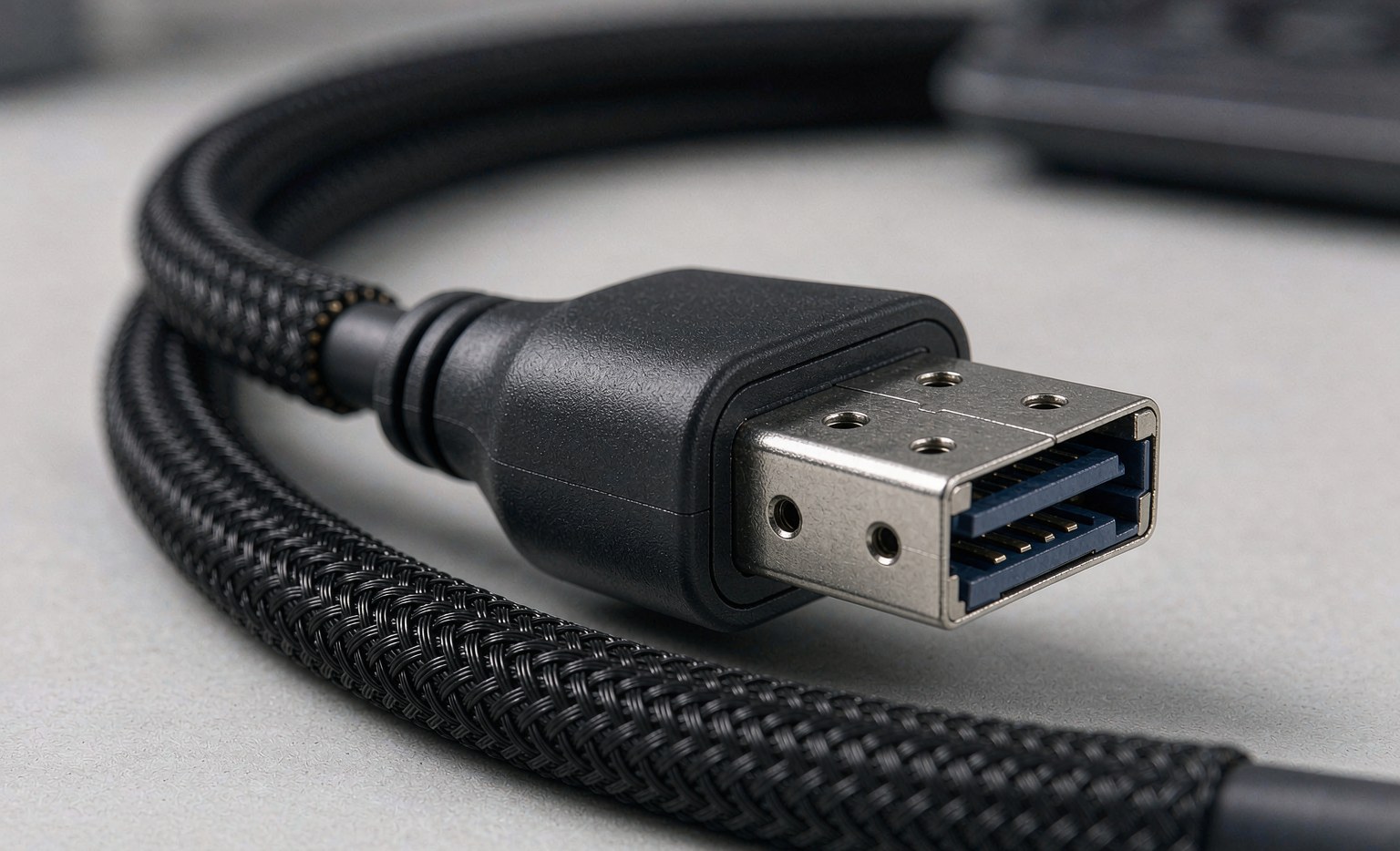
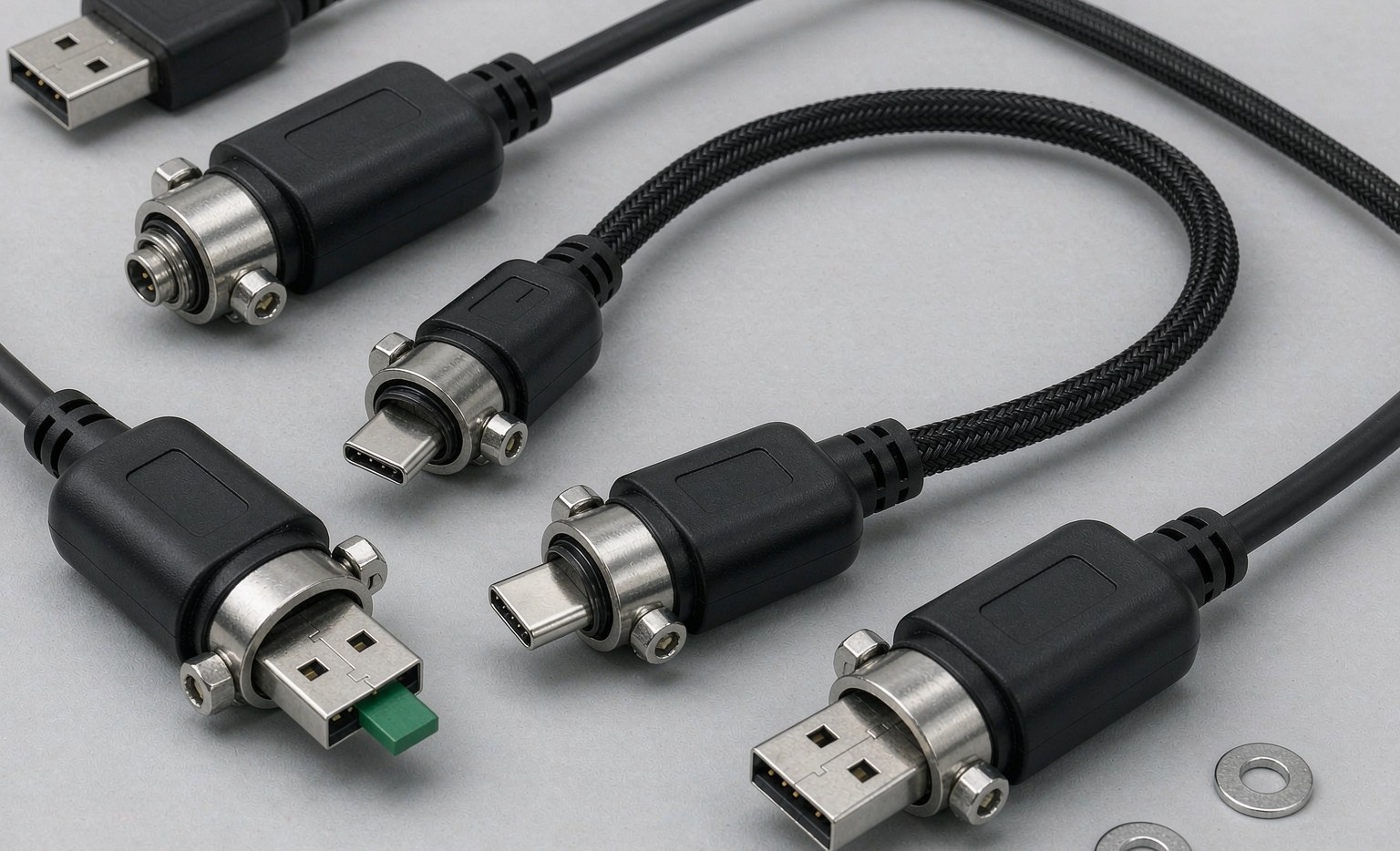
Industrial Ethernet cables are designed to meet the demanding requirements of industrial environments, withstanding harsh conditions such as high temperatures, vibrations, and electromagnetic interference. They feature ruggedized jackets and IP-rated connectors to protect against dust, moisture, and other contaminants. For instance, in manufacturing plants, these cables can withstand the rigors of machinery and equipment, ensuring uninterrupted data transmission. In addition, industrial Ethernet cables are designed to be flexible and durable, allowing them to be bent and routed through tight spaces without compromising their performance. For more information on high-performance industrial Ethernet cables, see High-Performance Industrial LAN Cable: Selecting a Trusted Supplier for Mission-Critical Networking.
- High-quality materials for durability, such as copper or fiber optic conductors, which provide excellent signal integrity and resistance to degradation. Copper conductors, for example, offer high conductivity and are often used in applications where high-speed data transfer is required.
- Shielding to reduce electromagnetic interference (EMI), including foil shielding (FTP) and braided shielding (STP), which help to minimize data errors and packet loss. Shielding is particularly important in industrial environments where machinery and equipment can generate significant electromagnetic interference.
- Robust design for withstanding harsh environments, including extreme temperatures, humidity, and exposure to chemicals. Industrial Ethernet cables are designed to operate in a wide range of temperatures, from -40°C to 80°C, and are resistant to chemicals and oils.
- Water and chemical resistance, ensuring the cables remain functional even in environments with high levels of moisture or chemical exposure. This is particularly important in applications such as food processing and chemical manufacturing.
- UV resistance for outdoor applications, allowing the cables to withstand prolonged exposure to sunlight without degrading. UV-resistant cables are ideal for use in outdoor applications such as surveillance systems and outdoor lighting control.
| Cable Category | Bandwidth | Data Transfer Rate | Typical Applications |
|---|---|---|---|
| Cat5e | 100 MHz | 1 Gbps | General industrial automation, simple control systems, and low-speed data transfer applications. |
| Cat6 | 250 MHz | 10 Gbps | High-speed data transfer, complex control systems, video transmission, and applications requiring high-bandwidth. |
| Cat7 | 600 MHz | 10 Gbps | High-performance applications, demanding industrial environments, and applications requiring high-speed data transfer and low latency. |
| Cat8 | 2000 MHz | 25 Gbps/40 Gbps | High-speed data centers, high-performance computing, and applications requiring extremely high-bandwidth and low latency. |
When selecting an industrial Ethernet cable, it’s essential to consider the specific requirements of your application. For example, if you’re working with high-speed machinery, you may need a cable with a higher data transfer rate, such as Cat6 or Cat7. Additionally, consider the environmental conditions in which the cable will be used, such as temperature, humidity, and exposure to chemicals. To learn more about choosing the right Ethernet cable, see What Is an Ethernet Cable? The Essential Guide to Wired Connectivity.
The Importance of Industrial Ethernet Cables in Automation
Industrial Ethernet cables enable the transmission of data between devices, allowing for real-time control and monitoring. They support advanced automation applications, such as machine learning and predictive maintenance, and improve system reliability. In fact, a study by a leading automation company found that the use of industrial Ethernet cables reduced downtime by up to 30% and increased overall productivity by 25%. Furthermore, industrial Ethernet cables facilitate the implementation of Industry 4.0 technologies, such as IoT and AI, by providing a robust and reliable network infrastructure. For more information on the benefits of industrial Ethernet cables, see Is Ethernet Cable Faster Than Wi-Fi? A Manufacturer’s Perspective on Speed and Stability.
- Enable real-time data transmission for control and monitoring applications, allowing for precise control and rapid response to changes in the production process.
- Support for high-speed data transfer, including Gigabit and 10-Gigabit Ethernet, enabling the transmission of large amounts of data between devices.
- Reliable connectivity for critical systems, ensuring that data is transmitted accurately and without interruption.
- Facilitate the implementation of Industry 4.0 technologies, such as IoT and AI, by providing a robust and reliable network infrastructure.
- Enable the use of advanced automation applications, such as machine learning and predictive maintenance, which can improve efficiency and reduce downtime.
Key Features to Consider When Selecting Industrial Ethernet Cables
When choosing industrial Ethernet cables, consider the cable’s performance characteristics, environmental resistance, and compatibility with existing infrastructure. Here are some key factors to consider:
- Cable category (e.g., Cat5e, Cat6, Cat7), which determines the cable’s bandwidth and data transfer rate.
- Shielding type (e.g., FTP, STP, SFTP), which affects the cable’s resistance to electromagnetic interference.
- Environmental resistance (e.g., temperature range, chemical resistance), which ensures the cable can withstand the conditions in which it will be used.
- Connector type and quality, which can impact the cable’s reliability and ease of installation.
- Certifications and compliance with industry standards, such as UL and CE, which ensure the cable meets specific safety and performance requirements.
- Cable construction and materials, which can affect the cable’s durability and resistance to environmental factors.
Best Practices for Implementing Industrial Ethernet Cables
Proper implementation involves following best practices to minimize the risk of damage or interference. Here are some steps to follow:
- Correct installation techniques, including proper routing, termination, and securing of the cables.
- Regular maintenance and inspection, to identify and address potential issues before they become major problems.
- Compliance with industry standards, such as those set by the International Electrotechnical Commission (IEC) and the Institute of Electrical and Electronics Engineers (IEEE).
- Proper grounding and bonding, to prevent electrical shock and ensure the safe operation of the system.
- Documentation and labeling, to facilitate troubleshooting and maintenance.
- Testing and verification, to ensure the cable is functioning correctly and meets the required performance standards.
Frequently Asked Questions (FAQs)
Here are some common questions about industrial Ethernet cables:
- Q: What is the difference between Cat5e, Cat6, and Cat7 cables? A: The main difference is the bandwidth and data transfer rate, with Cat7 being the highest performance category.
- Q: Can I use standard Ethernet cables in industrial environments? A: No, standard Ethernet cables are not designed to withstand the harsh conditions found in industrial environments.
- Q: How do I ensure the industrial Ethernet cables I choose are compatible with my existing infrastructure? A: Check the cable’s specifications and consult with the manufacturer to ensure compatibility.
- Q: What are the benefits of using shielded industrial Ethernet cables? A: Shielded cables provide improved resistance to electromagnetic interference, reducing data errors and packet loss.
- Q: Can industrial Ethernet cables be used outdoors? A: Yes, but they must be specifically designed for outdoor use, with features such as UV resistance and waterproofing.
- Q: How often should I inspect and maintain my industrial Ethernet cables? A: Regular inspection and maintenance are recommended, ideally every 6-12 months, depending on the application and environment.
- Q: What are the consequences of using low-quality industrial Ethernet cables? A: Using low-quality cables can lead to data errors, packet loss, and system downtime, ultimately affecting productivity and efficiency.
Case Studies: Industrial Ethernet Cables in Action
Several companies have successfully implemented industrial Ethernet cables in their automation systems, achieving significant benefits. For example:
- A leading automotive manufacturer implemented industrial Ethernet cables in their production line, achieving a 20% reduction in downtime and a 15% increase in productivity.
- A food processing company used industrial Ethernet cables to connect their machinery and equipment, improving data transmission reliability and reducing maintenance costs.
- A chemical plant implemented industrial Ethernet cables in their control systems, enabling real-time monitoring and control, and improving overall efficiency.