In an era dominated by wireless devices, physical connections remain vital. You might see these thick cables running from routers to computers or industrial machines. So, what is an ethernet cable?
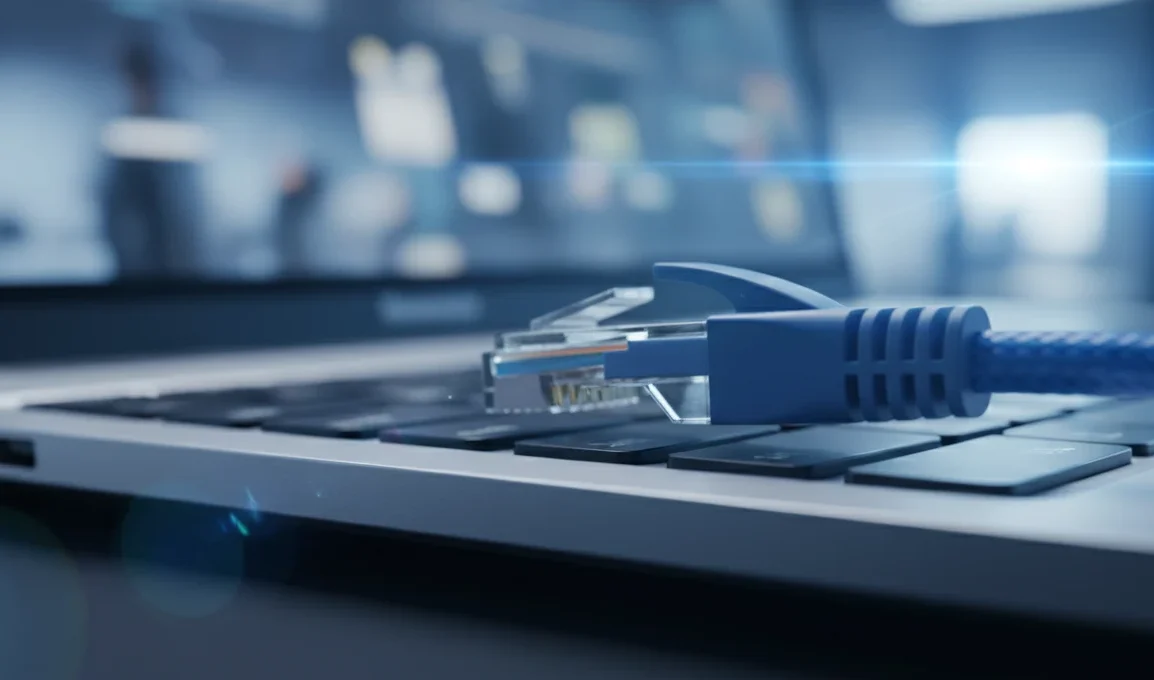
An Ethernet cable, also known as a network cable or LAN cable, connects devices within a Local Area Network (LAN). It carries broadband signals between your modem, router, computer, and other wired internet-capable devices. Unlike Wi-Fi, which transmits data through radio waves, Ethernet transmits data through copper wires. This physical connection offers superior speed, security, and stability.
At Longkai Electronics, we have been manufacturing high-performance data cables since 2012. From office setups to complex industrial automation, we understand that a reliable network starts with a quality cable.
How Does an Ethernet Cable Work?
The concept is simple but effective. Inside the cable jacket, there are eight copper wires twisted into four pairs. These twisted pairs transmit electrical signals that represent data.
Why are they twisted? This design reduces interference. It prevents “crosstalk” between the wires and blocks external electromagnetic noise. This ensures that your data arrives intact, even over long distances.
Types of Ethernet Cables: Understanding Categories
Not all Ethernet cables are created equal. They are classified by “Categories” (Cat), which define their speed and bandwidth capabilities. Choosing the right one depends on your needs.
Cat5e (Category 5 Enhanced)
This is the standard for many older home networks. It supports speeds up to 1,000 Mbps (1 Gigabit). It is affordable and flexible but has lower bandwidth compared to newer standards.
Cat6 and Cat6a
Currently, Cat6 is the industry standard for modern offices and homes. It handles speeds up to 10 Gigabits over short distances. It has better insulation than Cat5e, reducing signal loss.
Cat7 and Cat8
These are high-performance cables designed for data centers and industrial use. They feature heavy shielding to block interference. If you need maximum speed for server rooms, these are the top choices.
Explore our range of LAN cables to find the category that fits your network infrastructure.
Ethernet vs. Wi-Fi: Why Use a Cable?
If Wi-Fi is so convenient, why do we still use cables? When asking “what is an ethernet cable,” it is important to understand its advantages over wireless technology.
- Stability: Wi-Fi signals can drop due to walls or other electronic devices. An Ethernet connection is constant and reliable.
- Speed: Wired connections usually offer faster consistent speeds, especially for large file transfers.
- Lower Latency: For gamers and real-time industrial communication, low latency (lag) is critical. Cables react faster than wireless signals.
- Security: A wired network is harder to hack than a wireless signal that broadcasts through the air.
Industrial Applications and Durability
In standard office environments, basic cables work well. However, in factories and automation, standard cables may fail. Industrial environments contain high voltage equipment that creates electromagnetic interference (EMI).
For these settings, we recommend industrial network cables. These specialized cables often feature Shielded Twisted Pair (STP) construction. Foil or braided shielding wraps around the wires to protect the data signal from factory noise.
Why Trust Longkai Electronics?
The quality of your Ethernet cable affects your entire network. Poorly made cables can result in slow speeds or frequent disconnections.
Experience and Expertise
Established in 2012, Longkai Electronics brings over a decade of innovation to cable manufacturing. We integrate R&D, production, and sales to ensure top-tier quality.
Certified Quality
Our manufacturing process adheres to strict international standards. We hold ISO9001 and ISO14001 certifications. Additionally, our products are CE and FCC certified, guaranteeing safety and reliability.
Global Trust
We have earned the trust of over 100 well-known brands, including LG, Samsung, and CATL. Whether you need a simple patch cord or a robust industrial solution, we deliver excellence.
Conclusion
So, what is an ethernet cable? It is the backbone of reliable digital communication. It connects the world with speed, security, and stability that wireless technology cannot yet match.
Whether you are setting up a home office or wiring an automated production line, the right cable makes all the difference. Always choose high-quality materials to ensure your network runs smoothly.
For professional cabling solutions, trust Longkai Electronics. Contact us today or browse our catalog to upgrade your connectivity.