High-Speed Peripheral Data Cables: Enhancing Modern Computing
Understanding High-Speed Peripheral Data Cables
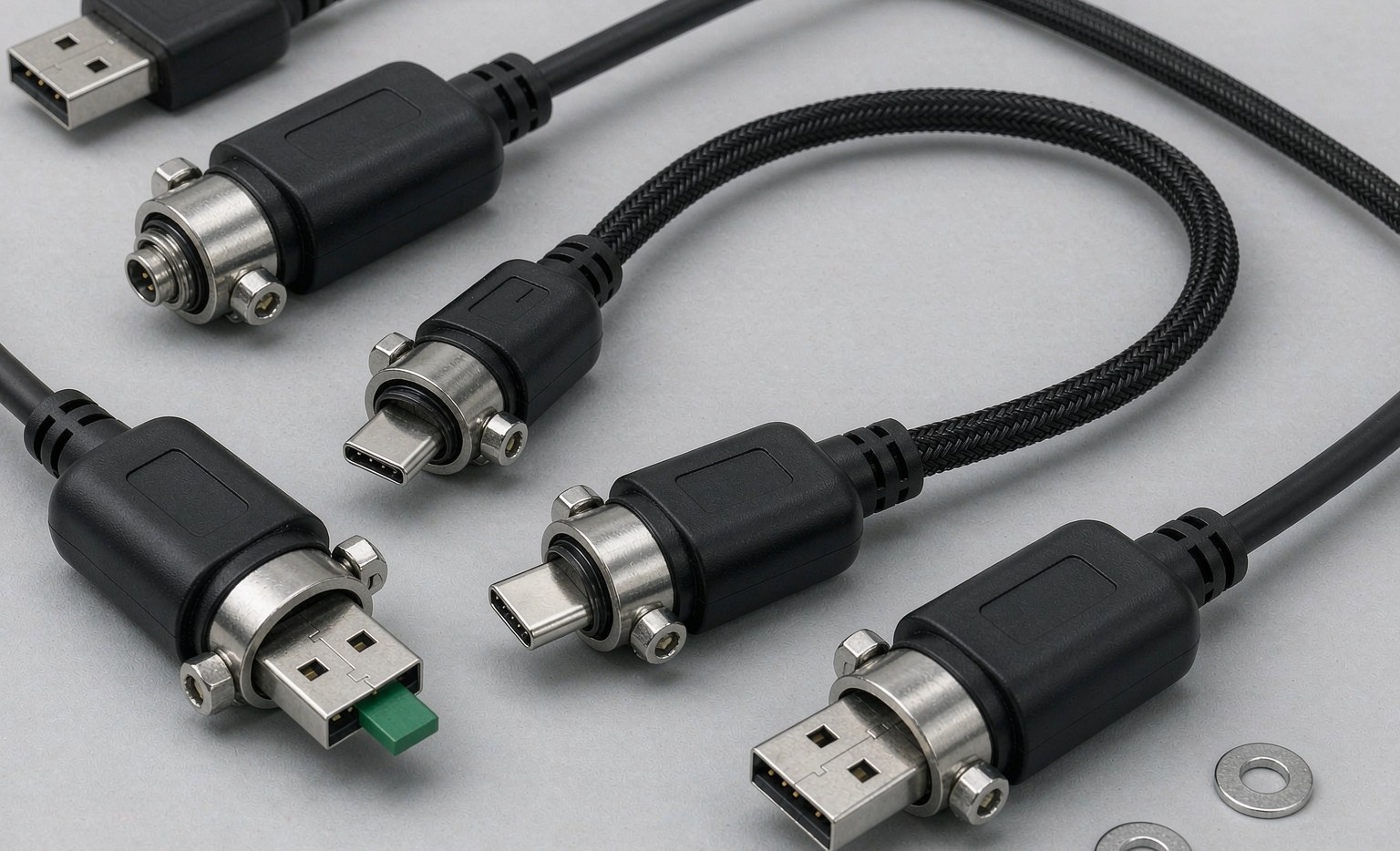
High-Speed Peripheral Data Cables facilitate rapid data transfer between peripherals and computing devices. Manufacturers use advanced materials and technologies, such as high-quality conductors, shielding, and insulation, to ensure minimal latency and maximum reliability. For instance, the use of copper or silver-plated conductors can significantly enhance signal integrity and reduce signal degradation. Moreover, techniques such as twisted-pair wiring and foil shielding can further minimize electromagnetic interference (EMI) and ensure high-speed data transfer. The importance of high-quality materials cannot be overstated, as they directly impact the performance and reliability of the cable. Cable Assemblies for High-Speed Data Transmission: Performance and Reliability Solutions can be a good reference.
- High-speed data transfer rates
- Reliable connectivity
- Compatibility with various devices
- Durable construction
- Advanced shielding and insulation
These cables meet specific industry standards, such as USB, SATA, and SAS, ensuring compatibility and interoperability. Proper installation and handling procedures are essential to ensure optimal performance. For example, cables should be handled with care to avoid damage to the connectors or insulation. Additionally, cables should be installed in a way that minimizes bending and twisting, which can cause signal degradation. It is also crucial to follow the manufacturer’s instructions for installation and handling to ensure the cable is used correctly.
Key Features to Consider
- Data transfer speed: Measured in Gbps or Mbps, this determines how quickly data can be transferred between devices. For example, USB 3.2 Gen 2 supports up to 20 Gbps, while SAS-4 supports up to 22.5 Gbps.
- Cable gauge: The thickness of the conductors, which affects signal integrity and durability. A thicker gauge generally provides better signal integrity, but may be less flexible.
- Shielding: The type and quality of shielding used to protect against electromagnetic interference (EMI). Common shielding techniques include foil shielding, braided shielding, and twisted-pair wiring.
- Insulation: The material used to insulate the conductors, which affects signal integrity and durability. Common insulation materials include PVC, Teflon, and XLPE.
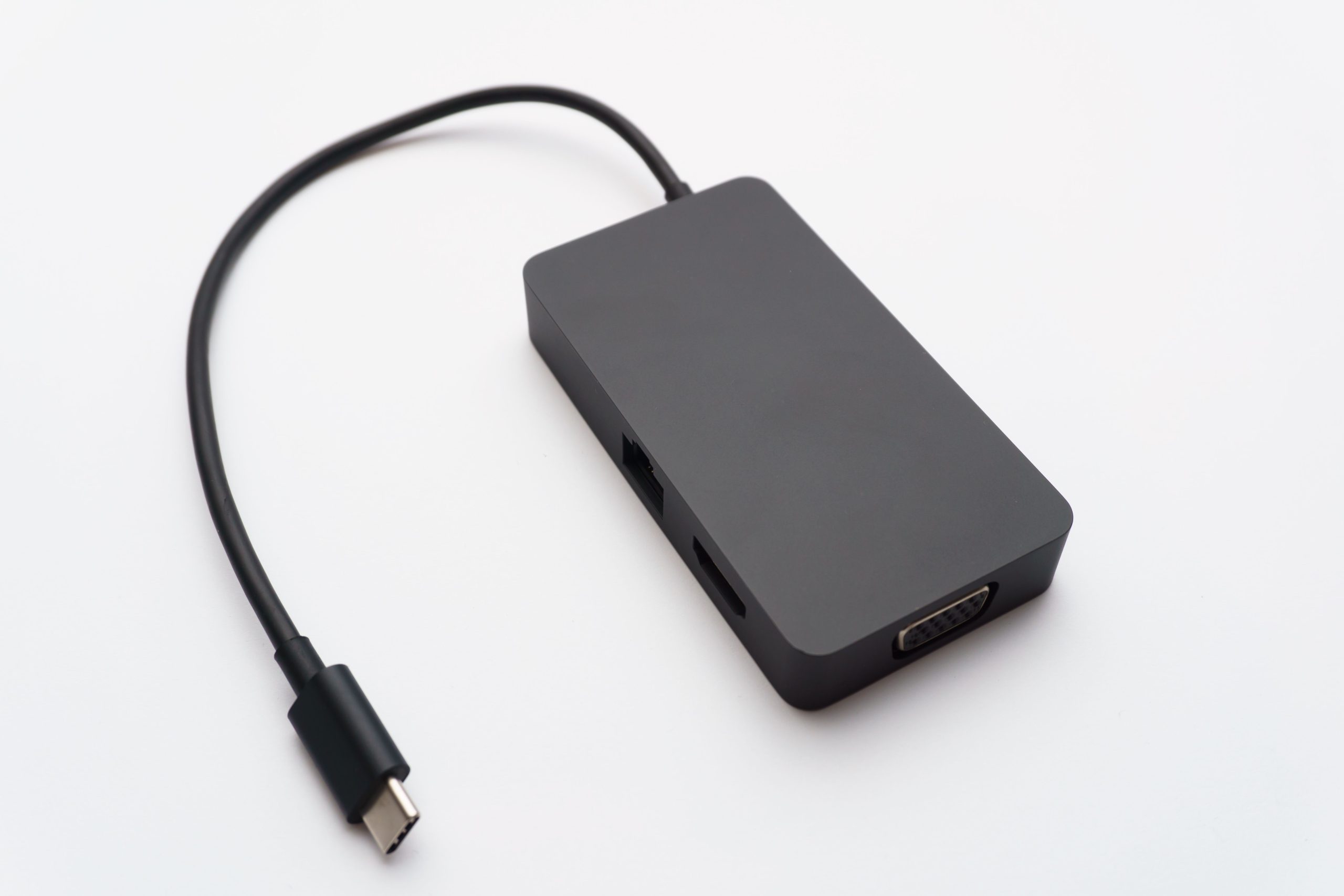
- Connector type: The type of connector used, such as USB, SATA, or SAS, which determines compatibility with devices. For example, USB-C is a versatile connector that can support multiple protocols, including USB, DisplayPort, and PCIe.
When selecting a High-Speed Peripheral Data Cable, it is essential to consider these key features to ensure the cable meets the specific requirements of your application. By doing so, you can ensure optimal performance, reliability, and compatibility. For data center applications, Reliable Cable Assemblies for Data Centers: Ensuring High-Speed Connectivity and Performance is a valuable resource.
Applications of High-Speed Peripheral Data Cables
These cables are used in various domains, including:
- Data centers
- Industrial automation
- Consumer electronics
- Gaming consoles
- Medical devices
- Artificial intelligence and machine learning applications
- High-performance computing applications
- Virtual reality and augmented reality applications
- Cloud computing applications
| Application | Typical Cable Requirements |
|---|---|
| Data Centers | High-speed data transfer, reliable connectivity, SAS or SATA compatibility |
| Industrial Automation | Durable construction, resistance to environmental factors, compatibility with industrial protocols |
| Consumer Electronics | Compact design, high-speed data transfer, compatibility with consumer devices |
| Gaming Consoles | High-speed data transfer, low latency, compatibility with gaming console protocols |
| Medical Devices | High-reliability, biocompatibility, compatibility with medical device protocols |
| Artificial Intelligence and Machine Learning Applications | High-speed data transfer, low latency, compatibility with AI and ML protocols |
| High-Performance Computing Applications | High-speed data transfer, low latency, compatibility with HPC protocols |
| Virtual Reality and Augmented Reality Applications | High-speed data transfer, low latency, compatibility with VR and AR protocols |
| Cloud Computing Applications | High-speed data transfer, reliable connectivity, compatibility with cloud computing protocols |
Case Study: Data Center Applications
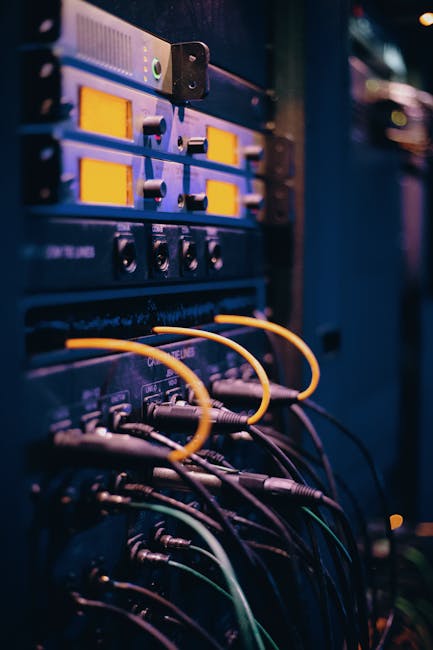
In data center applications, High-Speed Peripheral Data Cables play a critical role in ensuring high-speed data transfer and reliable connectivity. For example, SAS or SATA cables are used to connect storage devices to servers, while PCIe cables are used to connect accelerators or other high-speed devices. In a typical data center, cables are used to connect servers to storage devices, and to connect servers to each other. The use of high-quality cables can help to minimize latency and ensure reliable data transfer, even in high-density environments. You can refer to High-Performance Cable Interconnects for Data Centers: Enhancing Efficiency and Reliability for more information.
To ensure optimal performance in data center applications, cables should be carefully selected and installed. For example, cables should be chosen based on their data transfer speed, cable length, and compatibility with devices. Additionally, cables should be installed in a way that minimizes bending and twisting, which can cause signal degradation. It is also essential to follow proper cable management practices to ensure that cables are organized and easily accessible.
Benefits of High-Speed Peripheral Data Cables
The benefits of using these cables include:
- Enhanced data transfer speeds
- Improved system reliability
- Increased productivity
- Better compatibility with high-speed devices
- Reduced latency
- Improved signal integrity
- Reduced electromagnetic interference (EMI)
- Improved durability and resistance to environmental factors
Real-World Benefits
In real-world applications, High-Speed Peripheral Data Cables can significantly enhance system performance and productivity. For example, in data center applications, high-speed cables can reduce data transfer times and improve overall system efficiency. In gaming console applications, high-speed cables can provide a more responsive gaming experience by reducing latency and improving data transfer speeds. In industrial automation applications, high-speed cables can improve the reliability and efficiency of industrial processes.
Choosing the Right High-Speed Peripheral Data Cables
When selecting High-Speed Peripheral Data Cables, consider factors such as:
- Data transfer speed
- Cable length
- Compatibility with devices
- Cable material and construction
- Shielding and insulation
- Connector type
- Certification and compliance with relevant regulations
- Durability and resistance to environmental factors
The importance of selecting the right cable cannot be overstated, as it directly impacts system performance and reliability. For example, using a cable with the wrong gauge or shielding can result in signal degradation or EMI.
Steps to Selecting the Right Cable
- Determine the required data transfer speed and cable length.
- Check the compatibility of the cable with the devices being connected.
- Consider the cable material and construction, including the type of conductors, shielding, and insulation used.
- Verify that the cable meets the required industry standards, such as USB, SATA, or SAS.
- Check the cable’s durability and resistance to environmental factors, such as temperature and humidity.
- Consider the cable’s certification and compliance with relevant regulations, such as UL or CE.
- Evaluate the cable’s performance in the specific application, including its ability to withstand stress and vibration.
- Consider the manufacturer’s reputation and warranty offered.
Frequently Asked Questions (FAQs)
Q: What are the different types of High-Speed Peripheral Data Cables available?
A: High-Speed Peripheral Data Cables are available in various types, including USB, SATA, SAS, and PCIe. Each type of cable is designed for specific applications and has its own unique characteristics and benefits.
Q: What is the maximum data transfer speed supported by High-Speed Peripheral Data Cables?
A: The maximum data transfer speed supported by High-Speed Peripheral Data Cables depends on the specific type of cable and the devices being connected. For example, USB 3.2 Gen 2 supports up to 20 Gbps, while SAS-4 supports up to 22.5 Gbps.
Q: How do I ensure the reliability of High-Speed Peripheral Data Cables?
A: To ensure the reliability of High-Speed Peripheral Data Cables, consider factors such as cable material and construction, shielding, and insulation. Additionally, proper installation and handling procedures can help to minimize the risk of damage or signal degradation.
Q: Can High-Speed Peripheral Data Cables be used in harsh environments?
A: Yes, some High-Speed Peripheral Data Cables are designed for use in harsh environments, such as industrial automation or medical devices. These cables are typically constructed with durable materials and have features such as waterproofing or resistance to extreme temperatures.
Q: How do I choose the right High-Speed Peripheral Data Cable for my application?
A: To choose the right High-Speed Peripheral Data Cable, consider factors such as data transfer speed, cable length, compatibility with devices, and cable material and construction. Additionally, consider the specific requirements of your application, such as durability or resistance to environmental factors.
Q: What are the benefits of using High-Speed Peripheral Data Cables in data center applications?
A: The benefits of using High-Speed Peripheral Data Cables in data center applications include enhanced data transfer speeds, improved system reliability, and increased productivity. High-speed cables can also help to reduce latency and improve overall system efficiency.
Q: Can High-Speed Peripheral Data Cables be used in consumer electronics applications?
A: Yes, High-Speed Peripheral Data Cables can be used in consumer electronics applications, such as gaming consoles or virtual reality devices. These cables can provide high-speed data transfer and low latency, enhancing the overall user experience.