Cable Assemblies for High-Speed Data Transmission
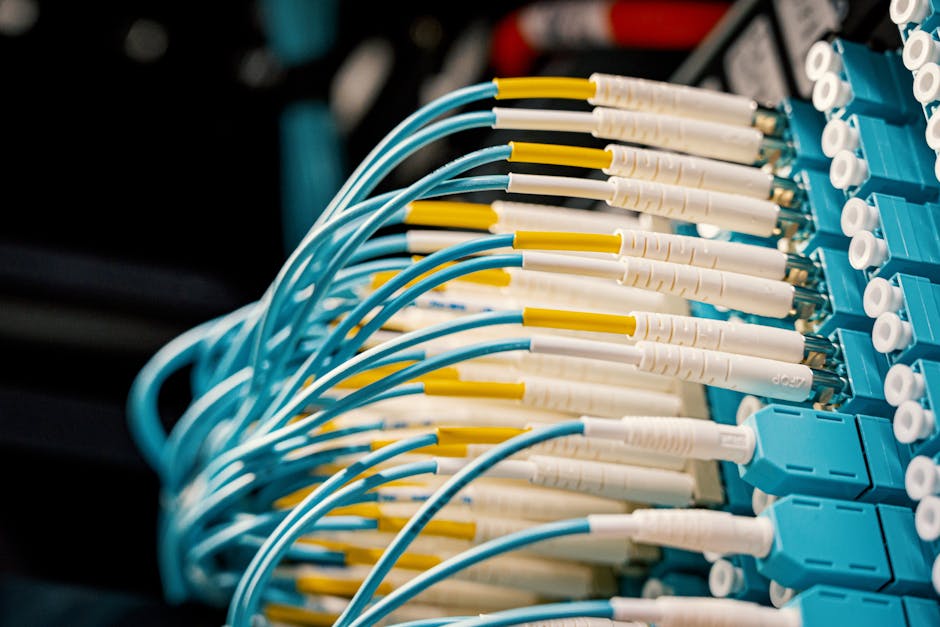
Understanding Cable Assemblies for High-Speed Data Transmission
Cable assemblies play a crucial role in high-speed data transmission, ensuring reliable and efficient data transfer across various industries. These assemblies are designed to meet the increasing demands for faster data transfer rates and higher bandwidth. To achieve this, cable assemblies must be carefully designed and manufactured to support high-frequency signals, minimize signal degradation, and ensure signal integrity. For more information on the importance of high-speed cable assemblies, see The Critical Role of High-Speed Data Cables in a Connected World.
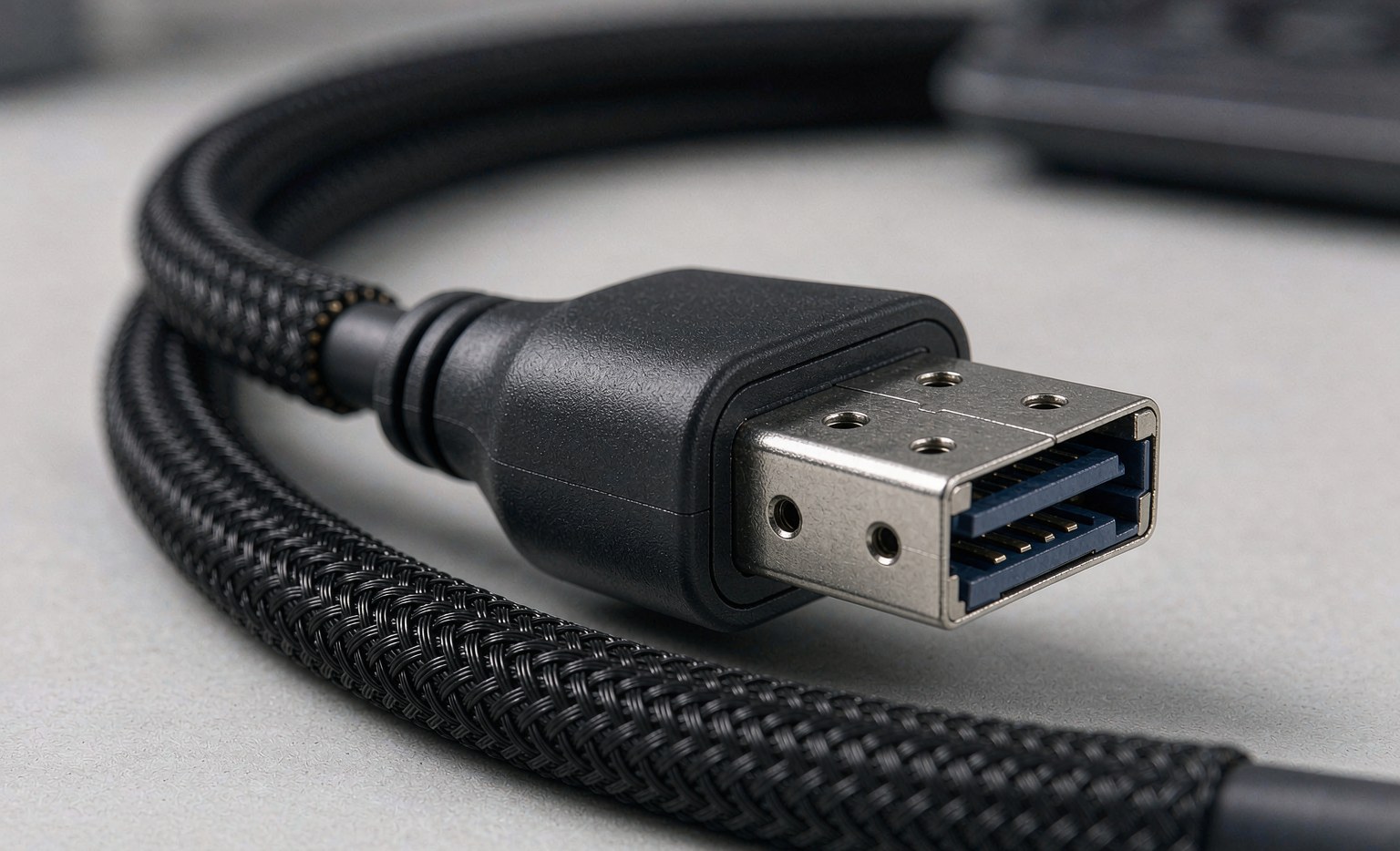
- High-speed data transmission requires cable assemblies that can support high-frequency signals, typically in the range of GHz. For example, cable assemblies used in data centers and high-performance computing applications often operate at frequencies up to 10 GHz or higher. In such applications, cable assemblies with high-frequency capabilities, such as those using OCuLink or MiniSAS connectors, are commonly used. An example of a high-performance OCuLink cable is the OCulink SFF-8611 Straight Male to Mini SAS SFF-8643 Cable.
- Cable assemblies must be designed to minimize signal degradation and ensure signal integrity, using techniques such as shielding, insulation, and twisted-pair or coaxial cable designs. Shielding techniques, such as foil shielding or braided shielding, can help reduce electromagnetic interference (EMI) and ensure signal integrity.
- The use of high-quality materials and precise manufacturing processes is essential for reliable cable assemblies. This includes the selection of suitable conductors, insulation materials, and shielding techniques. For instance, using high-quality copper conductors and advanced insulation materials can help minimize signal attenuation and distortion.
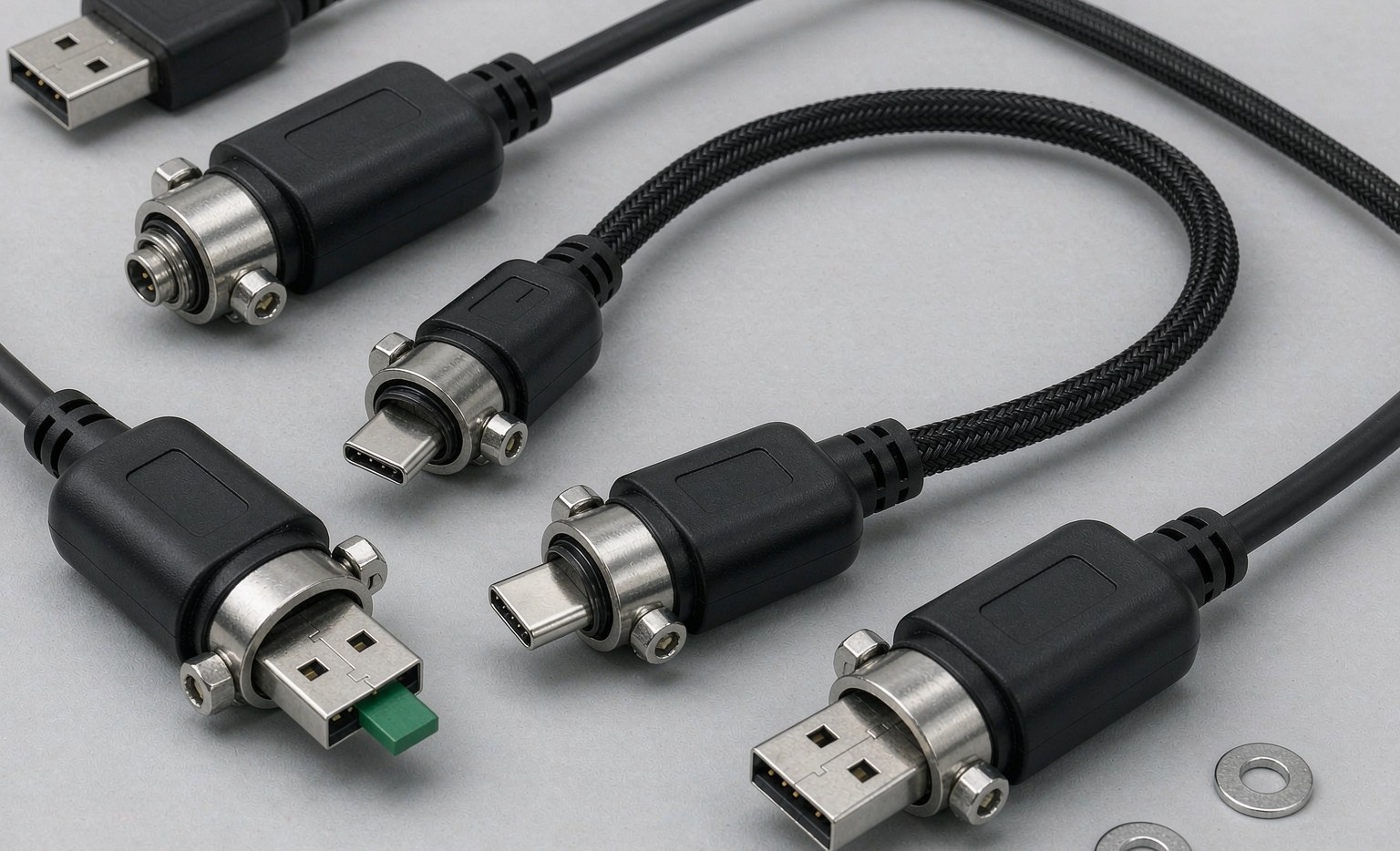
- Cable assemblies should be designed with flexibility and durability in mind, to withstand environmental factors such as temperature, humidity, and mechanical stress. Ruggedized materials and designs, such as waterproof connectors and strain relief, can help ensure the reliability and longevity of cable assemblies.
| Frequency Range | Cable Assembly Type | Application |
|---|---|---|
| Up to 10 GHz | OCuLink | Data centers, high-performance computing |
| Up to 25 GHz | MiniSAS | Enterprise storage, data centers |
| Up to 56 Gbps | QSFP-DD | Data centers, cloud computing |
| Up to 112 Gbps | OSFP | Data centers, high-performance computing |
When designing cable assemblies for high-speed data transmission, several factors must be considered, including signal frequency, data transfer rate, and environmental conditions. By carefully selecting the right cable assembly type and design, engineers can ensure reliable and efficient data transmission.
Key Features of Cable Assemblies for High-Speed Data Transmission
Cable assemblies for high-speed data transmission are characterized by several key features that ensure their performance and reliability.
- High-speed cable assemblies are designed to support high-frequency signals, typically in the range of GHz. This requires careful selection of materials and design techniques to minimize signal attenuation and distortion. For example, using high-quality dielectric materials and optimized cable geometries can help minimize signal loss and distortion.
- Shielding and insulation are critical to minimize electromagnetic interference (EMI) and ensure signal integrity. Techniques such as foil shielding, braided shielding, and insulation displacement connectors (IDCs) are commonly used. The choice of shielding technique depends on the specific application and frequency range.
- Cable assemblies must be durable and resistant to environmental factors such as temperature, humidity, and mechanical stress. This can be achieved through the use of ruggedized materials and designs, such as waterproof connectors and strain relief. For instance, using connectors with IP67 or higher ratings can ensure reliable operation in harsh environments.
- High-speed cable assemblies often require precise impedance matching to minimize signal reflections and ensure reliable data transmission. Impedance matching can be achieved through careful design and simulation, as well as testing and validation.
Design Considerations for High-Speed Cable Assemblies
When designing high-speed cable assemblies, several factors must be considered to ensure optimal performance and reliability.
- Signal frequency and data transfer rate must be carefully considered to determine the required cable assembly specifications. This includes selecting the right cable type, connector type, and shielding technique.
- Cable assembly length and routing must be optimized to minimize signal attenuation and EMI. This can involve using simulation tools to model signal propagation and optimize cable routing.
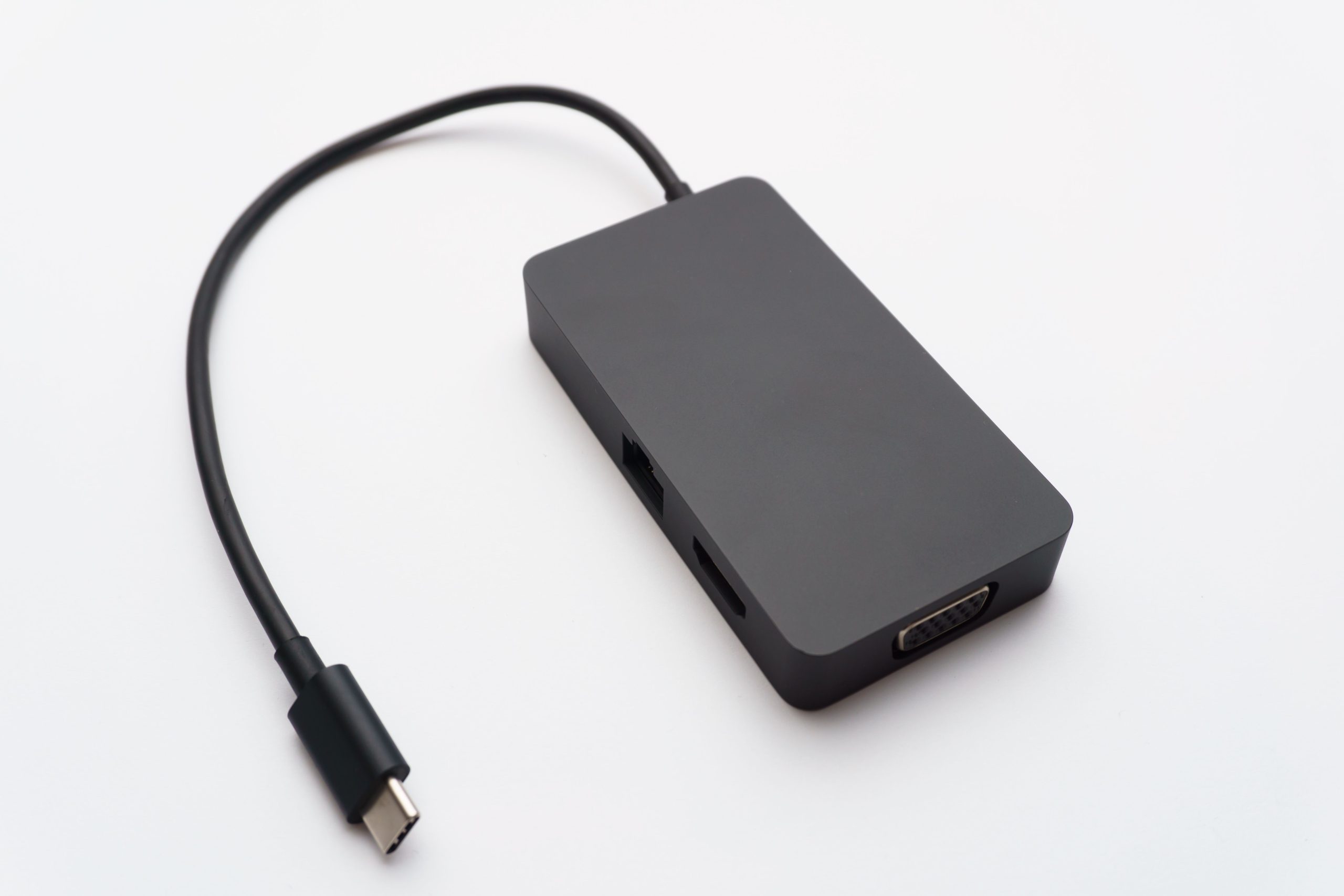
- Connector selection is critical to ensure reliable and efficient data transmission. Factors such as connector type, mating cycles, and contact resistance must be considered. For example, using connectors with high mating cycles and low contact resistance can ensure reliable operation over time. A good example is the USB C 3.1 Gen2 USB A to C Data Cable, which supports high-speed data transmission up to 10Gbps.
- Cable assemblies should be designed with testability and validation in mind. This includes using test points, signal monitoring, and validation techniques to ensure compliance with required specifications.
Applications of Cable Assemblies for High-Speed Data Transmission
Cable assemblies for high-speed data transmission are used in a wide range of applications across various industries.
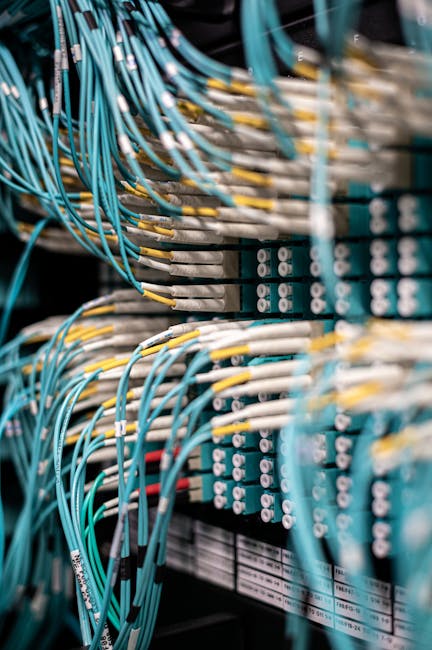
- Data centers rely on high-speed cable assemblies for efficient data transfer and storage. Applications include server connectivity, storage area networks (SANs), and data center interconnects. For example, using QSFP-DD or OSFP cable assemblies can enable high-speed data transfer between servers and storage systems.
- High-performance computing applications require cable assemblies that can support high-speed data transmission. Examples include supercomputers, high-energy physics experiments, and financial modeling. In these applications, cable assemblies with high-frequency capabilities and low latency are critical.
- Industrial automation and machine vision applications also benefit from high-speed cable assemblies. These applications require reliable and efficient data transmission to support real-time control and monitoring. For instance, using high-speed camera interfaces, such as CoaXPress or Camera Link, can enable high-speed data transfer between cameras and processing systems.
- Other applications include cloud computing, artificial intelligence (AI), and 5G wireless infrastructure. In these applications, high-speed cable assemblies play a critical role in enabling fast data transfer and processing.
Benefits of Using High-Quality Cable Assemblies
Using high-quality cable assemblies for high-speed data transmission offers several benefits, including enhanced performance and reliability.
- High-quality cable assemblies minimize signal degradation and ensure signal integrity, reducing the risk of data transmission errors. This is achieved through careful design and manufacturing, as well as testing and validation.
- Reliable cable assemblies reduce the risk of downtime and maintenance costs, ensuring continuous operation and minimizing the impact of failures. For example, using cable assemblies with ruggedized designs and materials can help minimize the risk of failure due to environmental factors.
- High-performance cable assemblies support faster data transfer rates and higher bandwidth, enabling applications to take full advantage of available bandwidth. This can involve using advanced cable technologies, such as multi-mode or single-mode fiber optics.
- High-quality cable assemblies also provide improved durability and lifespan, reducing the need for frequent replacements and minimizing waste. This is achieved through the use of high-quality materials and manufacturing processes.
Frequently Asked Questions (FAQs)
Here are some frequently asked questions about cable assemblies for high-speed data transmission.
- Q: What is the maximum frequency range for high-speed cable assemblies? A: The maximum frequency range depends on the specific cable assembly type and design. Common frequency ranges include up to 10 GHz, 25 GHz, and 56 Gbps.
- Q: What are the key factors to consider when selecting a cable assembly for high-speed data transmission? A: Key factors include signal frequency, data transfer rate, environmental conditions, and connector type.
- Q: How can I ensure the reliability and performance of my cable assemblies? A: By selecting high-quality cable assemblies from reputable manufacturers, following proper installation and maintenance procedures, and testing the assemblies to ensure compliance with required specifications.
- Q: What are the benefits of using high-quality cable assemblies? A: High-quality cable assemblies offer several benefits, including enhanced performance and reliability, reduced risk of downtime and maintenance costs, and improved durability and lifespan.
- Q: How do I test and validate my cable assemblies? A: Testing and validation involve using a range of techniques, including signal integrity testing, impedance testing, and environmental testing. This can involve using specialized test equipment and simulation tools to ensure compliance with required specifications.