High-Speed Peripheral Data Cables: Enhancing Modern Computing
Understanding High-Speed Peripheral Data Cables
High-Speed Peripheral Data Cables facilitate rapid data transfer between peripherals and computing devices. Manufacturers use advanced materials and technologies, such as high-quality conductors, shielding, and insulation, to ensure minimal latency and maximum reliability. For instance, the use of copper or silver-plated conductors can significantly enhance signal integrity and reduce signal degradation. Moreover, techniques such as twisted-pair wiring and foil shielding can further minimize electromagnetic interference (EMI) and ensure high-speed data transfer. The importance of high-quality materials cannot be overstated, as they directly impact the performance and reliability of the cable. Кабельные сборки для высокоскоростной передачи данных: решения для производительности и надежности can be a good reference.
- High-speed data transfer rates
- Reliable connectivity
- Compatibility with various devices
- Durable construction
- Advanced shielding and insulation
These cables meet specific industry standards, such as USB, SATA, and SAS, ensuring compatibility and interoperability. Proper installation and handling procedures are essential to ensure optimal performance. For example, cables should be handled with care to avoid damage to the connectors or insulation. Additionally, cables should be installed in a way that minimizes bending and twisting, which can cause signal degradation. It is also crucial to follow the manufacturer’s instructions for installation and handling to ensure the cable is used correctly.
Key Features to Consider
- Data transfer speed: Measured in Gbps or Mbps, this determines how quickly data can be transferred between devices. For example, USB 3.2 Gen 2 supports up to 20 Gbps, while SAS-4 supports up to 22.5 Gbps.
- Cable gauge: The thickness of the conductors, which affects signal integrity and durability. A thicker gauge generally provides better signal integrity, but may be less flexible.
- Shielding: The type and quality of shielding used to protect against electromagnetic interference (EMI). Common shielding techniques include foil shielding, braided shielding, and twisted-pair wiring.
- Insulation: The material used to insulate the conductors, which affects signal integrity and durability. Common insulation materials include PVC, Teflon, and XLPE.
- Connector type: The type of connector used, such as USB, SATA, or SAS, which determines compatibility with devices. For example, USB-C is a versatile connector that can support multiple protocols, including USB, DisplayPort, and PCIe.
When selecting a High-Speed Peripheral Data Cable, it is essential to consider these key features to ensure the cable meets the specific requirements of your application. By doing so, you can ensure optimal performance, reliability, and compatibility. For data center applications, Надёжные кабельные сборки для дата-центров: обеспечение высокоскоростного подключения и производительности is a valuable resource.
Applications of High-Speed Peripheral Data Cables
These cables are used in various domains, including:
- Data centers
- Industrial automation
- Consumer electronics
- Gaming consoles
- Medical devices
- Artificial intelligence and machine learning applications
- High-performance computing applications
- Virtual reality and augmented reality applications
- Cloud computing applications
| Применение | Typical Cable Requirements |
|---|---|
| Центры обработки данных | High-speed data transfer, reliable connectivity, SAS or SATA compatibility |
| Промышленная автоматизация | Durable construction, resistance to environmental factors, compatibility with industrial protocols |
| Потребительская электроника | Compact design, high-speed data transfer, compatibility with consumer devices |
| Gaming Consoles | High-speed data transfer, low latency, compatibility with gaming console protocols |
| Медицинские устройства | High-reliability, biocompatibility, compatibility with medical device protocols |
| Artificial Intelligence and Machine Learning Applications | High-speed data transfer, low latency, compatibility with AI and ML protocols |
| High-Performance Computing Applications | High-speed data transfer, low latency, compatibility with HPC protocols |
| Virtual Reality and Augmented Reality Applications | High-speed data transfer, low latency, compatibility with VR and AR protocols |
| Cloud Computing Applications | High-speed data transfer, reliable connectivity, compatibility with cloud computing protocols |
Case Study: Data Center Applications
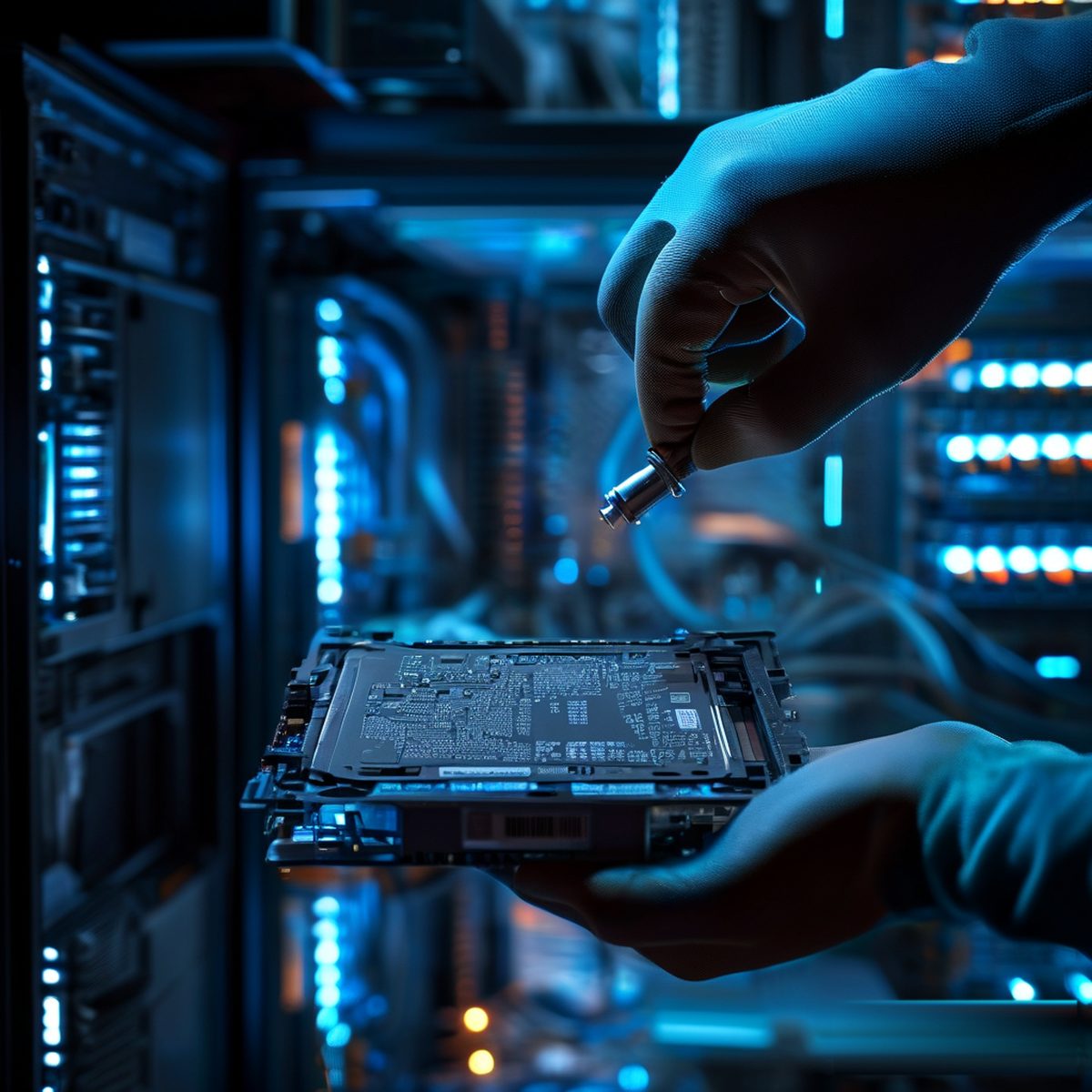
In data center applications, High-Speed Peripheral Data Cables play a critical role in ensuring high-speed data transfer and reliable connectivity. For example, SAS or SATA cables are used to connect storage devices to servers, while PCIe cables are used to connect accelerators or other high-speed devices. In a typical data center, cables are used to connect servers to storage devices, and to connect servers to each other. The use of high-quality cables can help to minimize latency and ensure reliable data transfer, even in high-density environments. You can refer to Высокопроизводительные кабельные соединители для ЦОД: повышение эффективности и надежности для получения дополнительной информации.
To ensure optimal performance in data center applications, cables should be carefully selected and installed. For example, cables should be chosen based on their data transfer speed, cable length, and compatibility with devices. Additionally, cables should be installed in a way that minimizes bending and twisting, which can cause signal degradation. It is also essential to follow proper cable management practices to ensure that cables are organized and easily accessible.
Benefits of High-Speed Peripheral Data Cables
The benefits of using these cables include:
- Enhanced data transfer speeds
- Improved system reliability
- Increased productivity
- Better compatibility with high-speed devices
- Сниженная задержка
- Improved signal integrity
- Сниженное электромагнитное излучение (EMI)
- Improved durability and resistance to environmental factors
Real-World Benefits
In real-world applications, High-Speed Peripheral Data Cables can significantly enhance system performance and productivity. For example, in data center applications, high-speed cables can reduce data transfer times and improve overall system efficiency. In gaming console applications, high-speed cables can provide a more responsive gaming experience by reducing latency and improving data transfer speeds. In industrial automation applications, high-speed cables can improve the reliability and efficiency of industrial processes.
Choosing the Right High-Speed Peripheral Data Cables
When selecting High-Speed Peripheral Data Cables, consider factors such as:
- Data transfer speed
- Cable length
- Compatibility with devices
- Cable material and construction
- Экранирование и изоляция
- Connector type
- Certification and compliance with relevant regulations
- Durability and resistance to environmental factors
The importance of selecting the right cable cannot be overstated, as it directly impacts system performance and reliability. For example, using a cable with the wrong gauge or shielding can result in signal degradation or EMI.
Steps to Selecting the Right Cable
- Determine the required data transfer speed and cable length.
- Check the compatibility of the cable with the devices being connected.
- Consider the cable material and construction, including the type of conductors, shielding, and insulation used.
- Убедитесь в том, что кабель соответствует необходимым отраслевым стандартам, таким как USB, SATA или SAS.
- Проверьте износостойкость кабеля и его устойчивость к факторам окружающей среды, таким как температура и влажность.
- Обратите внимание на сертификацию кабеля и его соответствие relevant нормам, таким как UL или CE.
- Оцените производительность кабеля в конкретном применении, включая его способность выдерживать механические нагрузки и вибрацию.
- Учитывайте репутацию производителя и предлагаемую им гарантию.
Часто задаваемые вопросы (FAQ)
В: Какие типы кабелей высокоскоростной передачи данных для периферийных устройств доступны?
О: Кабели высокоскоростной передачи данных для периферийных устройств доступны в различных типах, включая USB, SATA, SAS и PCIe. Каждый тип кабеля разработан для конкретных приложений и обладает собственными уникальными характеристиками и преимуществами.
В: Какова максимальная скорость передачи данных, поддерживаемая кабелями высокоскоростной передачи данных для периферийных устройств?
О: Максимальная скорость передачи данных, поддерживаемая кабелями высокоскоростной передачи данных для периферийных устройств, зависит от конкретного типа кабеля и подключаемых устройств. Например, USB 3.2 Gen 2 поддерживает скорость до 20 Гбит/с, а SAS-4 — до 22,5 Гбит/с.
В: Как я могу обеспечить надежность кабелей высокоскоростной передачи данных для периферийных устройств?
О: Для обеспечения надежности кабелей высокоскоростной передачи данных для периферийных устройств учитывайте такие факторы, как материал и конструкция кабеля, экранирование и изоляция. Кроме того, правильное выполнение процедур установки и обращения поможет минимизировать риск повреждения или деградации сигнала.
Вопрос: Можно ли использовать высокоскоростные периферийные кабели данных в суровых условиях окружающей среды?
Ответ: Да, некоторые высокоскоростные периферийные кабели данных разработаны для работы в суровых условиях, например, в промышленной автоматизации или медицинских устройствах. Эти кабели обычно изготавливаются из прочных материалов и обладают такими характеристиками, как водонепроницаемость или устойчивость к экстремальным температурам.
Вопрос: Как выбрать правильный высокоскоростной периферийный кабель данных для моего приложения?
Ответ: Чтобы выбрать правильный высокоскоростной периферийный кабель данных, учитывайте такие факторы, как скорость передачи данных, длина кабеля, совместимость с устройствами, а также материал и конструкция кабеля. Кроме того, учитывайте конкретные требования вашего приложения, такие как долговечность или устойчивость к факторам окружающей среды.
Вопрос: Каковы преимущества использования высокоскоростных периферийных кабелей данных в приложениях центров обработки данных?
Ответ: Преимущества использования высокоскоростных периферийных кабелей данных в приложениях центров обработки данных включают повышение скорости передачи данных, улучшение надежности систем и повышение производительности. Высокоскоростные кабели также помогают снизить задержки и повысить общую эффективность системы.
Вопрос: Можно ли использовать высокоскоростные периферийные кабели данных в потребительской электронике?
Ответ: Да, высокоскоростные периферийные кабели данных можно использовать в потребительской электронике, например, в игровых консолях или устройствах виртуальной реальности. Эти кабели обеспечивают высокоскоростную передачу данных и низкие задержки, что повышает общий пользовательский опыт.