Category: USB Technology

USB-C technology for industrial applications: wire gauge and power ratings, e-marker requirements for high-current builds, legacy connector migration and the locking mechanisms that make consumer ports survive factory duty.

Posted in
Posted in

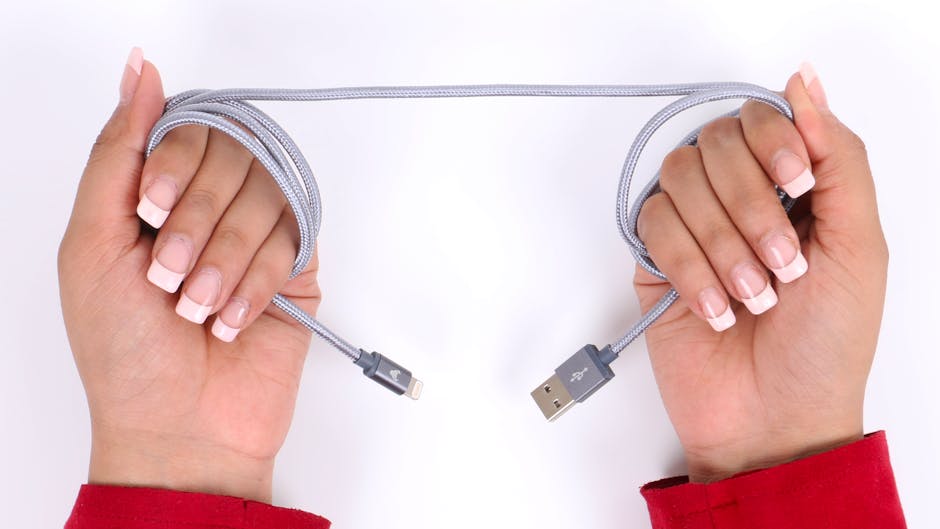
USB4 Cables Explained: 40Gbps Data, 240W Charging and What Buyers Must Specify

USB4 is the first USB generation that looks nothing like the ones before it: one small Type-C connector now tunnels 40 Gbps of data, an 8K video stream and up to 240 W of charging over the same cable, while remaining compatible with Thunderbolt 4 and Thunderbolt 3 gear. For buyers — distributors building a cable programme, […]

CONTINUE READING USB4 Cables Explained: 40Gbps Data, 240W Charging and What Buyers Must Specify 6 min read
Posted in
Posted in

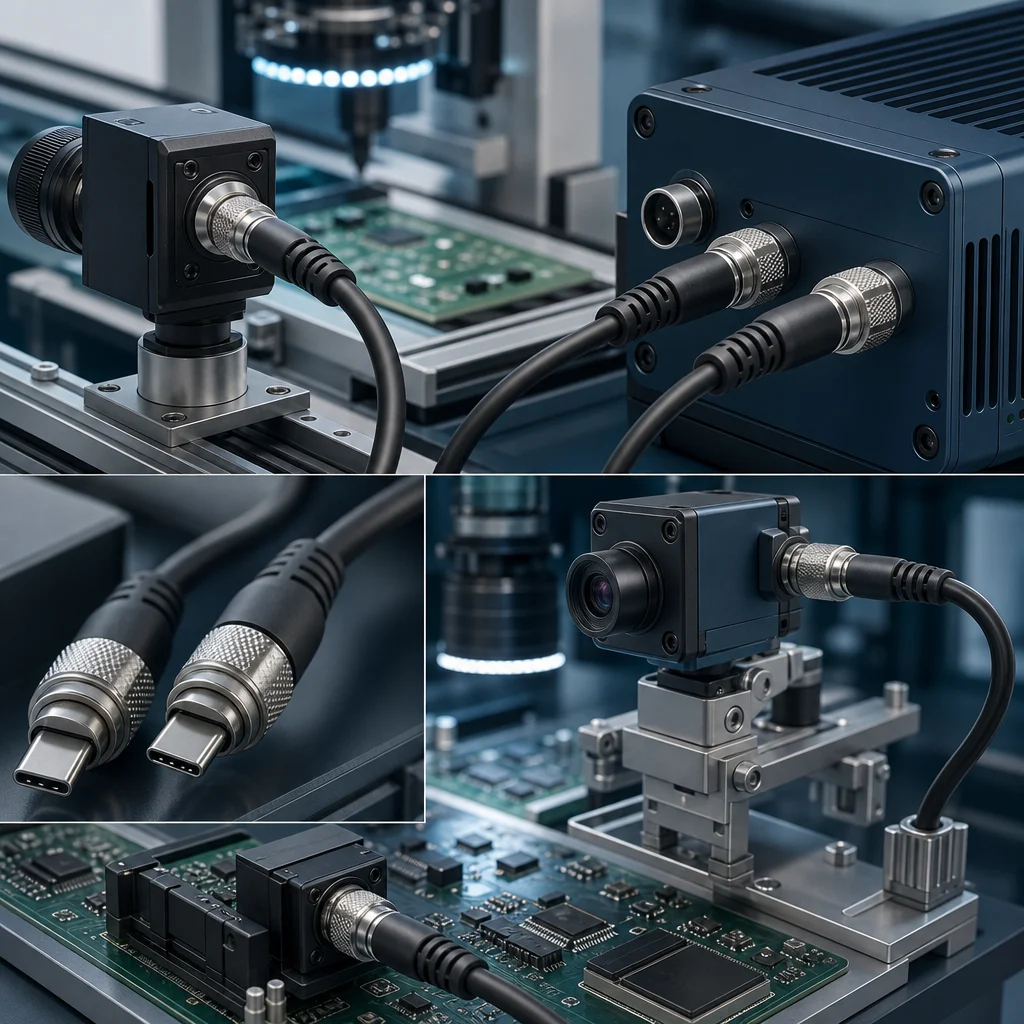
The Crucial Role of Screw Locking USB-C and USB Cables in Industrial and Machine Vision Connections

Analytical Overview (TL;DR): Standard friction-fit USB-C connectors rely on tiny internal spring leaves providing only 5N to 20N of retention force, making them highly prone to intermittent disconnects in environments with vibrational loads above 1.5G. For reliable machine vision and industrial automation applications, employing a screw locking USB-C or USB cable is necessary. Secure screw […]

CONTINUE READING The Crucial Role of Screw Locking USB-C and USB Cables in Industrial and Machine Vision Connections 7 min read

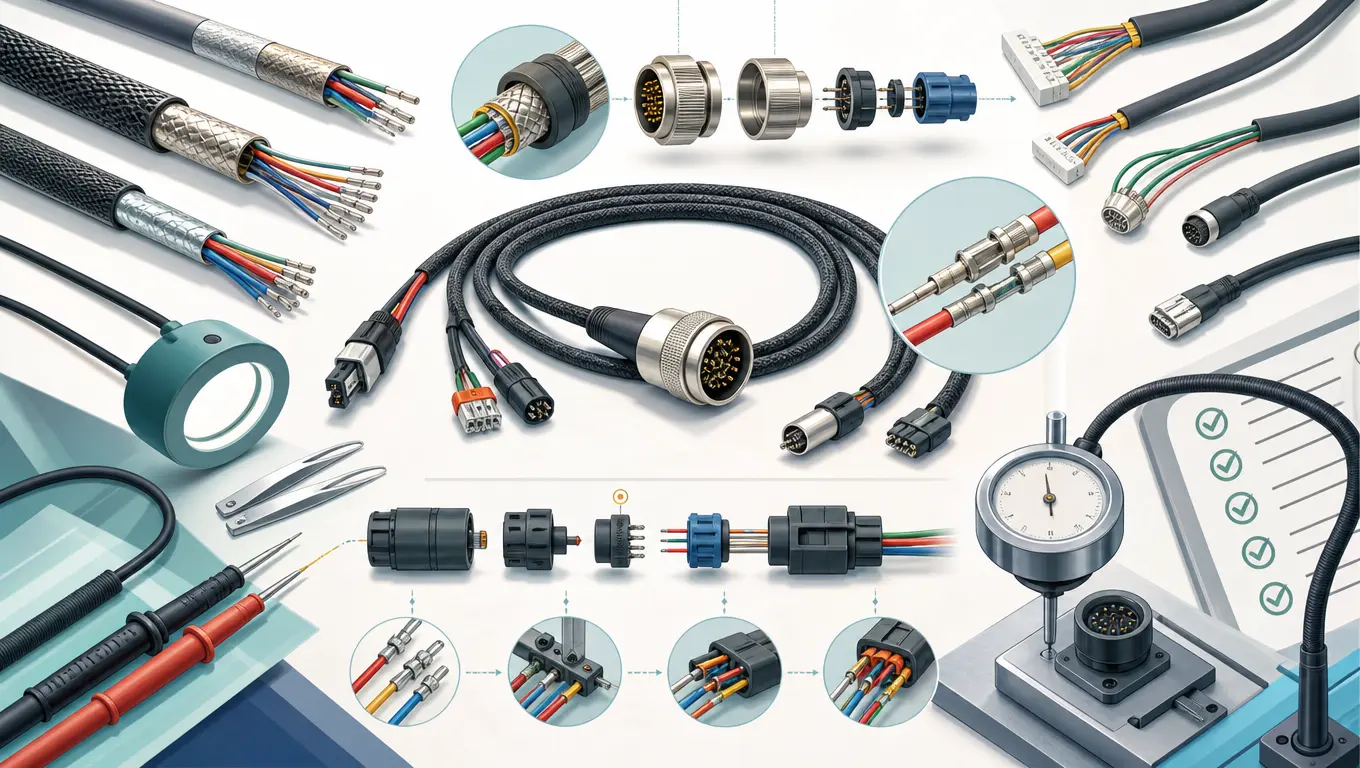
Essential Design Factors in Custom Cable Assembly and Fabrication Quality Control

Key Findings & Design Checklist: Designing a reliable industrial cable assembly requires balancing four major variables: Conductor & Insulation Integrity: Selecting the correct AWG for thermal dissipation under continuous load. EMI Shielding Attenuation: Achieving >85% braid coverage for high-noise industrial environments. Mechanical Stress Mitigation: Specifying the bend radius (minimum 10x Outer Diameter) and overmolding compounds. […]

CONTINUE READING Essential Design Factors in Custom Cable Assembly and Fabrication Quality Control 6 min read
Posted in
Posted in

D-SUB Connector Types in Industrial Applications: A Complete Technical Guide

D-SUB Connector Technical Comparison Table Choosing the right D-SUB connector types industrial application profile requires an understanding of mechanical dimensions and electrical capacities. Below is the engineering data for the most common D-SUB variants manufactured at Longkai Electronics. Type Standard Pins High Density (HD) Primary Industrial Use DB9 (DE-9) 9 Pins 15 Pins RS-232, CAN […]

CONTINUE READING D-SUB Connector Types in Industrial Applications: A Complete Technical Guide 4 min read
Posted in
Posted in

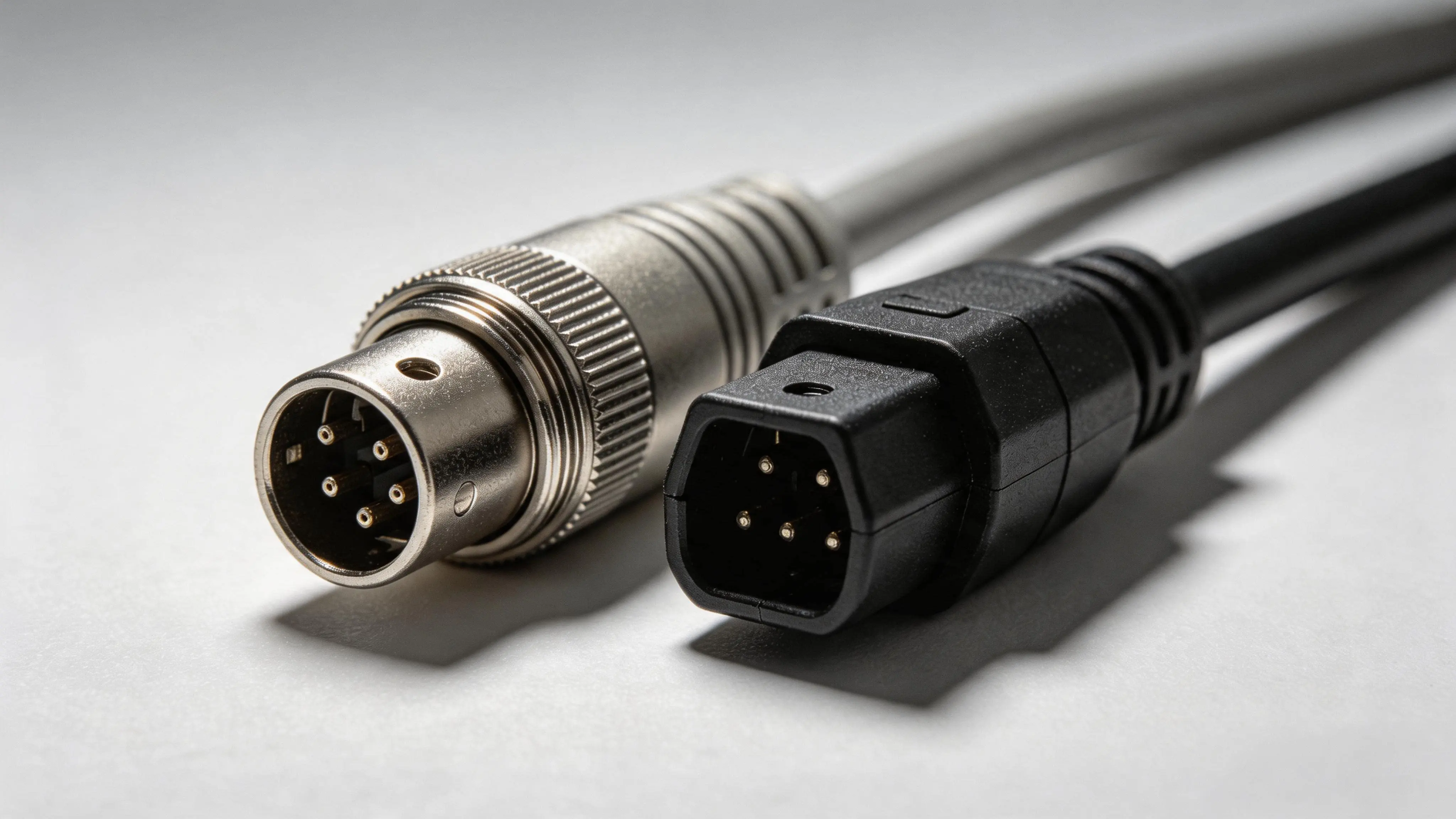
M12 vs M23 Connectors for Servo Motors: Choosing the Right Standard

Technical Comparison: M12 vs M23 Servo Connector In the design of an industrial robot, selecting the appropriate Servo Series Connectors ensures electrical safety and signal integrity. Below is a comparative analysis of the two standards. Feature M12 (Power Coded) M23 (Standard) Application Compact Servos / Sensors High-Power Servo Motors Current Rating Up to 12A – […]

CONTINUE READING M12 vs M23 Connectors for Servo Motors: Choosing the Right Standard 4 min read

M12 Connector IP67 vs IP68: Understanding Waterproof Ratings in Automation

IP67 vs IP68 Technical Comparison Table When selecting an M12 / M16 / M8 Connectors solution, understanding the Ingress Protection (IP) code is vital for system longevity. Below is the technical breakdown based on IEC 60529 standards. Feature IP67 Rating IP68 Rating Solid Protection (6) Dust-tight (No ingress) Dust-tight (No ingress) Liquid Protection (7/8) Temporary […]

CONTINUE READING M12 Connector IP67 vs IP68: Understanding Waterproof Ratings in Automation 3 min read