Key Findings & Design Checklist: Designing a reliable industrial cable assembly requires balancing four major variables:
- Conductor & Insulation Integrity: Selecting the correct AWG for thermal dissipation under continuous load.
- EMI Shielding Attenuation: Achieving >85% braid coverage for high-noise industrial environments.
- Mechanical Stress Mitigation: Specifying the bend radius (minimum 10x Outer Diameter) and overmolding compounds.
- Fabrication Quality Control: Implementing 100% crimp force monitoring (CFM) and high-potency insulation testing (Hipot).
According to 2026 industry fault-analysis data, over 42% of field failures in custom cable fabrication are due to improper strain relief and poor terminal crimping rather than raw cable defects.
Key Market and Performance Data (As of May 2026)
Modern industrial systems continue to push the boundaries of data rates and power delivery. This shift has placed unprecedented physical demands on interconnect systems. To understand the primary failure points and design priorities, let us look at the statistical distribution of cable failures within automated assembly facilities over the past 12 months:
- Mechanical Wear (Fatigue & Flexing): 42.5% of total downtime incidents.
- Electromagnetic Interference (EMI) Corruption: 24.8% of high-speed data transmission faults.
- Terminal Splicing & Crimp Failures: 18.2% of electrical open-circuit faults.
- Environmental Ingress (Moisture/Chemicals): 14.5% of insulation breakdowns.
These figures emphasize that a successful custom cable assembly must be engineered from the drawing board to resist specific physical and electrical stresses. It is not enough to select standard raw wires; the entire custom cable fabrication process must be strictly monitored and qualified.
1. Essential Design Factors for Industrial Cable Assemblies
When engineering an industrial cable assembly, minor design details can drastically affect product longevity. Below, we break down the most critical mechanical and electrical design parameters.
Conductor Selection and Thermal Management
Conductor sizing (AWG) must be determined based on continuous current draw, voltage drop tolerances, and ambient operating temperatures. In closed cabinets or cable chains, heat cannot dissipate easily. Designers must calculate the thermal derating factors according to the National Electrical Code (NEC) or equivalent regional standards.
For high-flex applications, solid conductors are highly susceptible to metal fatigue. Stranded conductors, utilizing thin, tinned-copper wires (e.g., Class 6 ultra-flex stranding), must be specified to absorb repetitive bending stresses without work-hardening and breaking.
Shielding Against Severe EMI
Factory floors are filled with high-voltage machinery, variable frequency drives (VFDs), and wireless communication networks that generate massive electromagnetic noise. Protecting signal integrity is paramount. Designers must choose the appropriate shielding type:
- Foil Shielding (Aluminized Mylar): Offers 100% coverage and is highly effective against high-frequency electromagnetic noise. However, it has low mechanical strength and is prone to cracking under continuous flexing.
- Braid Shielding (Tinned Copper): Provides exceptional structural strength and is highly effective against low-frequency interference. Elite fabricators target 85% to 95% braiding density to ensure signal isolation.
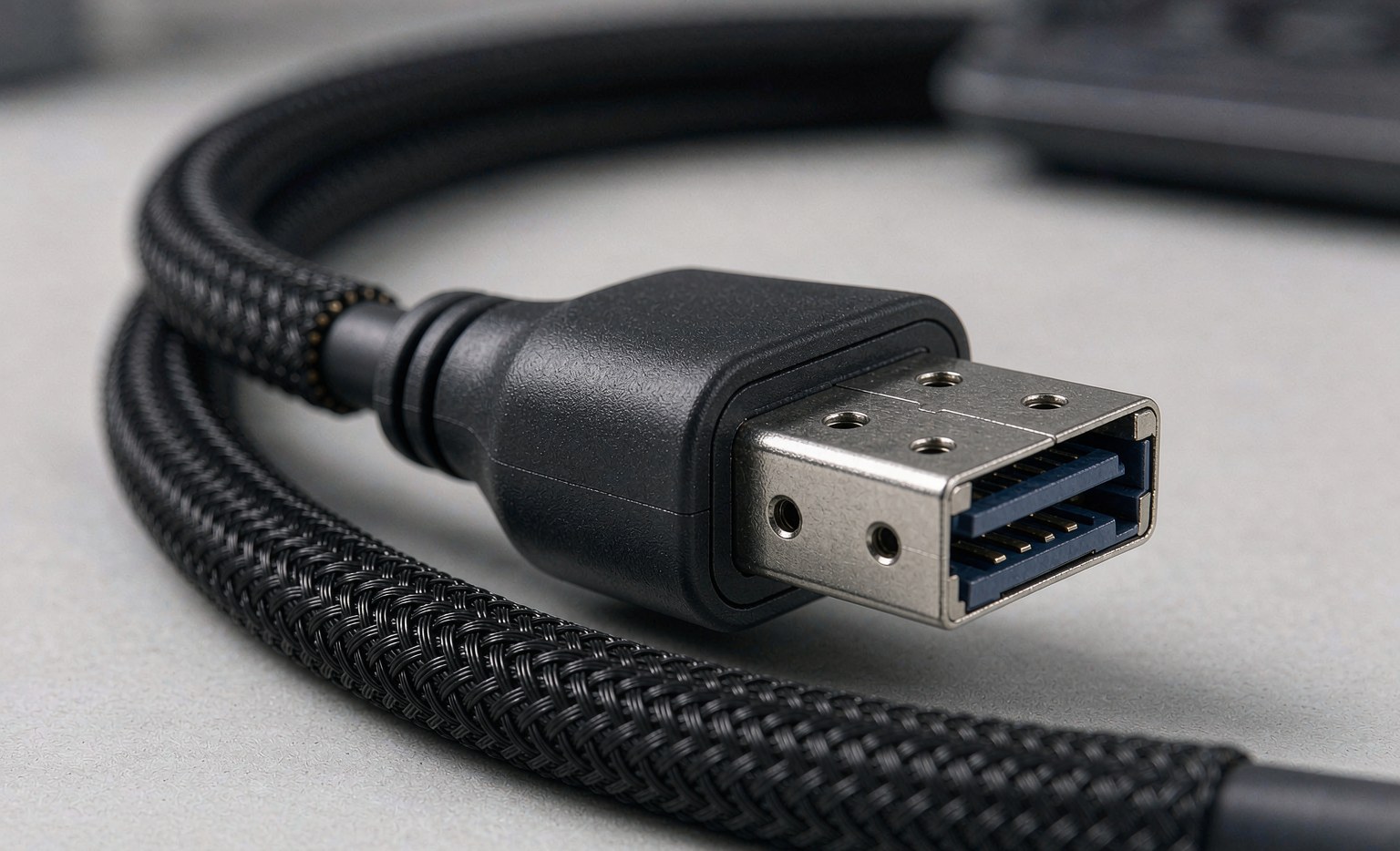
For high-speed communication systems such as industrial servers, combining foil and braid shielding is necessary. High-speed systems like the SFF-8611 High-Speed Data Transfer Assembly require precise, multi-layered shielding to limit cross-talk and maintain signal consistency over longer runs.
2. Cable Jacket Material Selection Guide
The outer jacket of a cable assembly serves as the first line of defense against physical wear and chemical damage. The table below compares the performance of the most common industrial materials:
| Jacket Material | Flex Life (Cycles) | Oil & Chemical Resistance | Temperature Range | Best Suited For |
|---|---|---|---|---|
| Standard PVC | Low (< 1 Million) | Poor | -10°C to +80°C | Static, dry indoor control panels |
| Polyurethane (PUR) | High (5 – 10 Million) | Excellent | -40°C to +90°C | Robotic arms, drag chains, machine tools |
| TPE (Thermoplastic Elastomer) | Very High (> 10 Million) | Very Good | -50°C to +125°C | Outdoor harsh environments, heavy industrial |
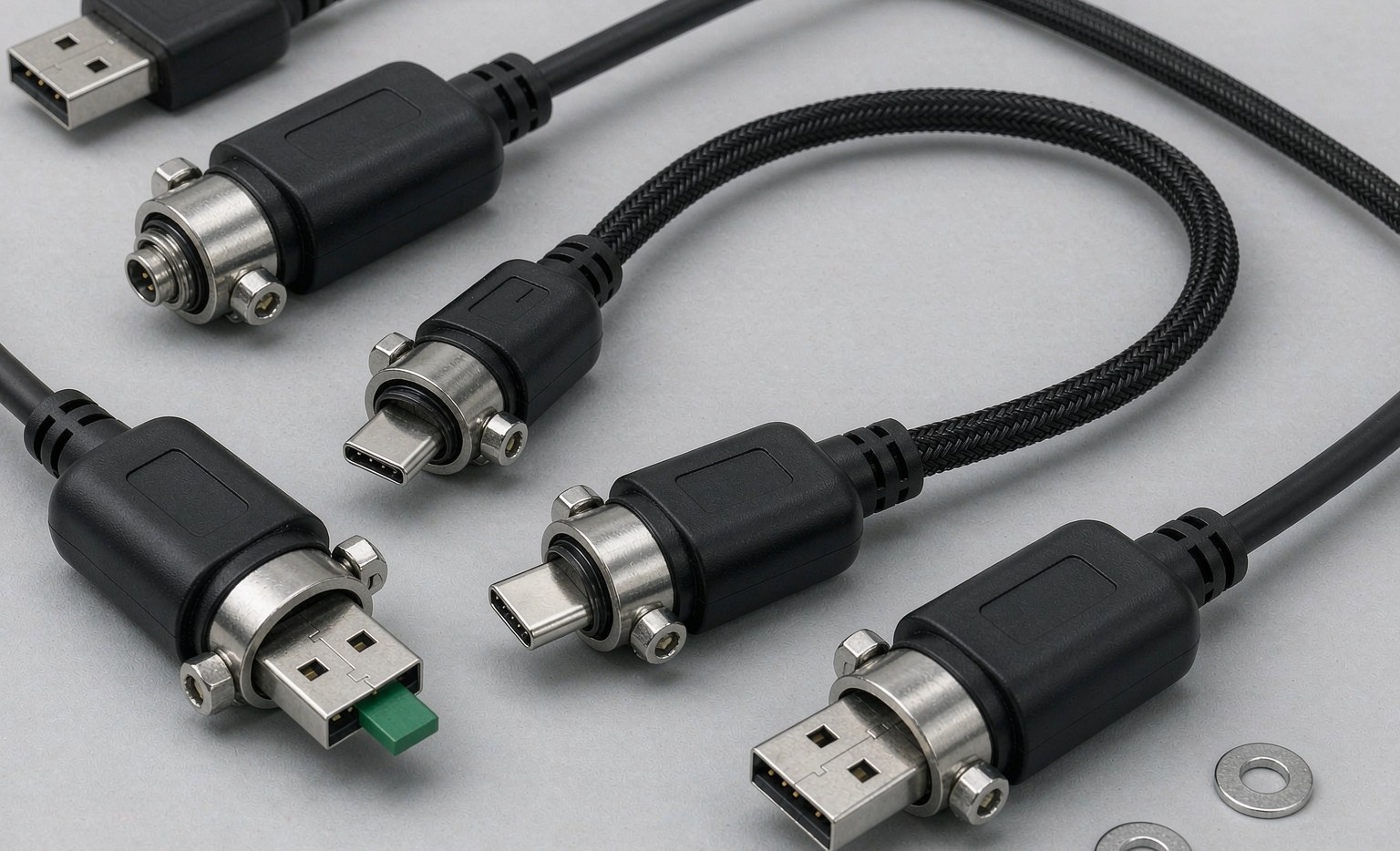
Using the correct jacket prevents micro-cracking and fluid penetration, which are major causes of insulation failure. For instance, high-speed vision systems operating in oil-rich environments benefit greatly from ruggedized connections like our HR10A 6-Core Molded Camera Assembly, where the polyurethane overmolding guarantees both oil-resistance and long flexing lifespans.
3. Custom Cable Fabrication Quality Control Standards
Designing a high-spec cable is only half the battle; the fabrication process must be closely monitored to ensure that design tolerances are maintained during mass production. At LUNG KAY, we align our QA processes with IPC/WHMA-A-620 Class 3 standards (the highest standard for industrial and aerospace equipment).
Step-by-Step Quality Control Protocol
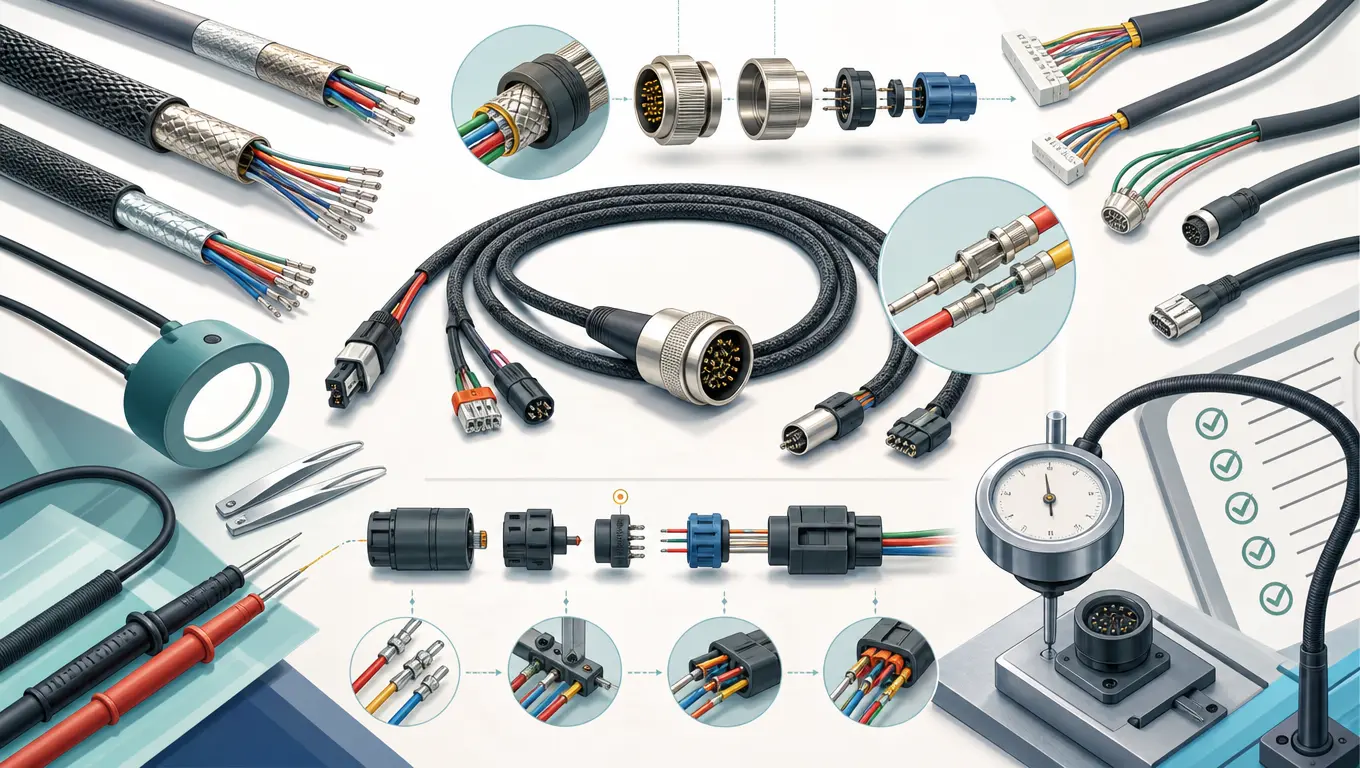
- Automated Wire Stripping and Inspection: Stripping must be executed without nicking or scraping the inner copper strands. Even a single damaged strand reduces current capacity and introduces structural weak points.
- Crimp Force Monitoring (CFM): During the crimping phase, automated systems measure the force applied in real-time. Any deviation in the crimp profile—due to wire misalignment or terminal variations—triggers an immediate line halt.
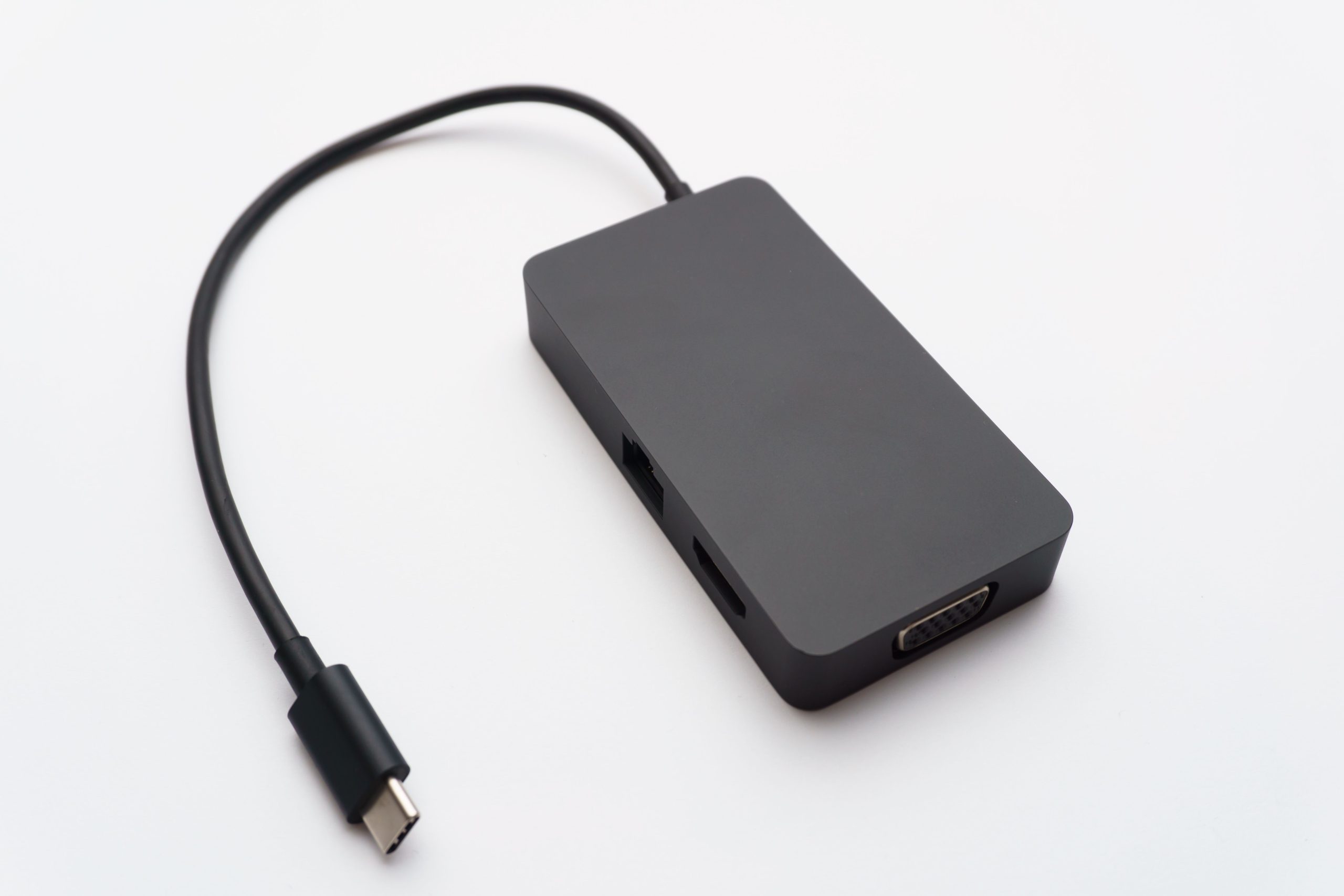
- High-Frequency Signal Integration: High-performance charging and data networks require precise termination. Products like the high-speed USB4 Type-C Cable undergo comprehensive Time-Domain Reflectometry (TDR) measurements during assembly to verify impedance parameters stay within the target 85Ω to 95Ω range.
- Overmolding Inspection: Overmolded strain reliefs are inspected using 3D automated optical inspection (AOI) to verify that potting material has completely filled the connector shell, preventing dust and moisture ingress.
- Industrial-Grade Connector Integrity: Legacy configurations require specialized assembly methods. For instance, high-density pins like the SCSI 68P Male IDC Assembly demand precise alignment press-machining to prevent pin deviation and ensure continuous contact under high vibration.
Common Quality Pitfalls in Custom Cable Assembly Fabrication
Understanding where fabrication frequently goes wrong can help engineers better qualify potential suppliers during plant audits:
- Incorrect Crimp Heights: Crimps that are too tight compress the copper strands, reducing physical strength. Crimps that are too loose create high-resistance joints that lead to overheating.
- Inadequate Shield Grounding: If the outer braid is not correctly terminated to the connector’s metal shell (360-degree grounding), EMI can bypass the shielding entirely, leading to intermittent signal failures.
- Poor Solder Temperature Profiles: Insufficient heating causes cold solder joints, which are brittle and fail under low mechanical strain. Overheating damages the surrounding wire insulation, lowering dielectric resistance.
Partnering with an IPC-Compliant Fabricator
A reliable industrial cable assembly is built on precise engineering details and rigorous, verifiable manufacturing standards. By identifying physical and electrical challenges early, sourcing premium jacket materials, and insisting on 100% electrical and mechanical testing, you can minimize field failures and protect your equipment from costly downtime.
At LUNG KAY, we offer comprehensive engineering and manufacturing support for highly customized wire and cable solutions. From initial CAD review to continuous flex-testing and 100% continuity/Hipot testing, we ensure that every custom run performs reliably under the toughest operating conditions. To learn more about our certifications, visit our About Us page, or reach out to our engineering team today through our Contact Us page to discuss your specific electrical tolerances and environment requirements.
Frequently Asked Questions
Q: Why is Hipot testing critical for industrial cable assemblies?
A: Hipot (High Potential) testing applies a voltage significantly higher than the cable’s standard operating rating between the conductors and the shield. This test verifies that the insulation can withstand sudden voltage surges without breaking down or shorting out, which is a vital safety requirement for industrial control panels.
Q: What is the difference between static and dynamic bend radius in cable design?
A: The static bend radius is the minimum curvature allowed when the cable is installed in a fixed, permanent position. The dynamic bend radius applies when the cable is subject to continuous movement, such as in automated pick-and-place machines. The dynamic bend radius is significantly larger to prevent physical fatigue and internal conductor damage over time.
Q: How does LUNG KAY ensure crimp quality across large manufacturing batches?
A: We utilize automated tooling calibrated to IPC/WHMA-A-620 Class 3 specifications. Every press is equipped with inline Crimp Force Monitors (CFM) that immediately detect and reject any assembly with variations in terminal height, insulation crimping, or strand alignment.