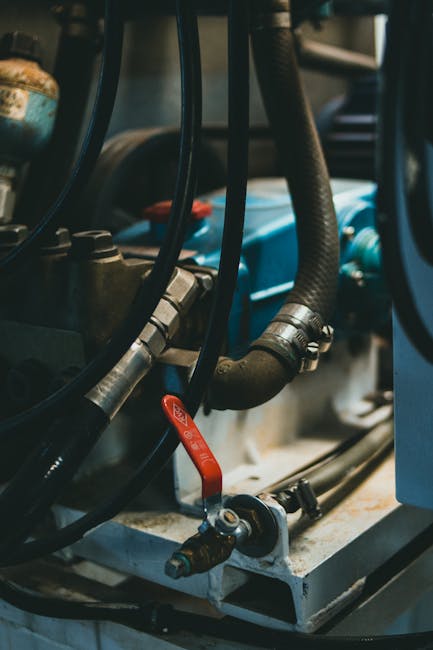
Understanding Cable and Connector Assembly
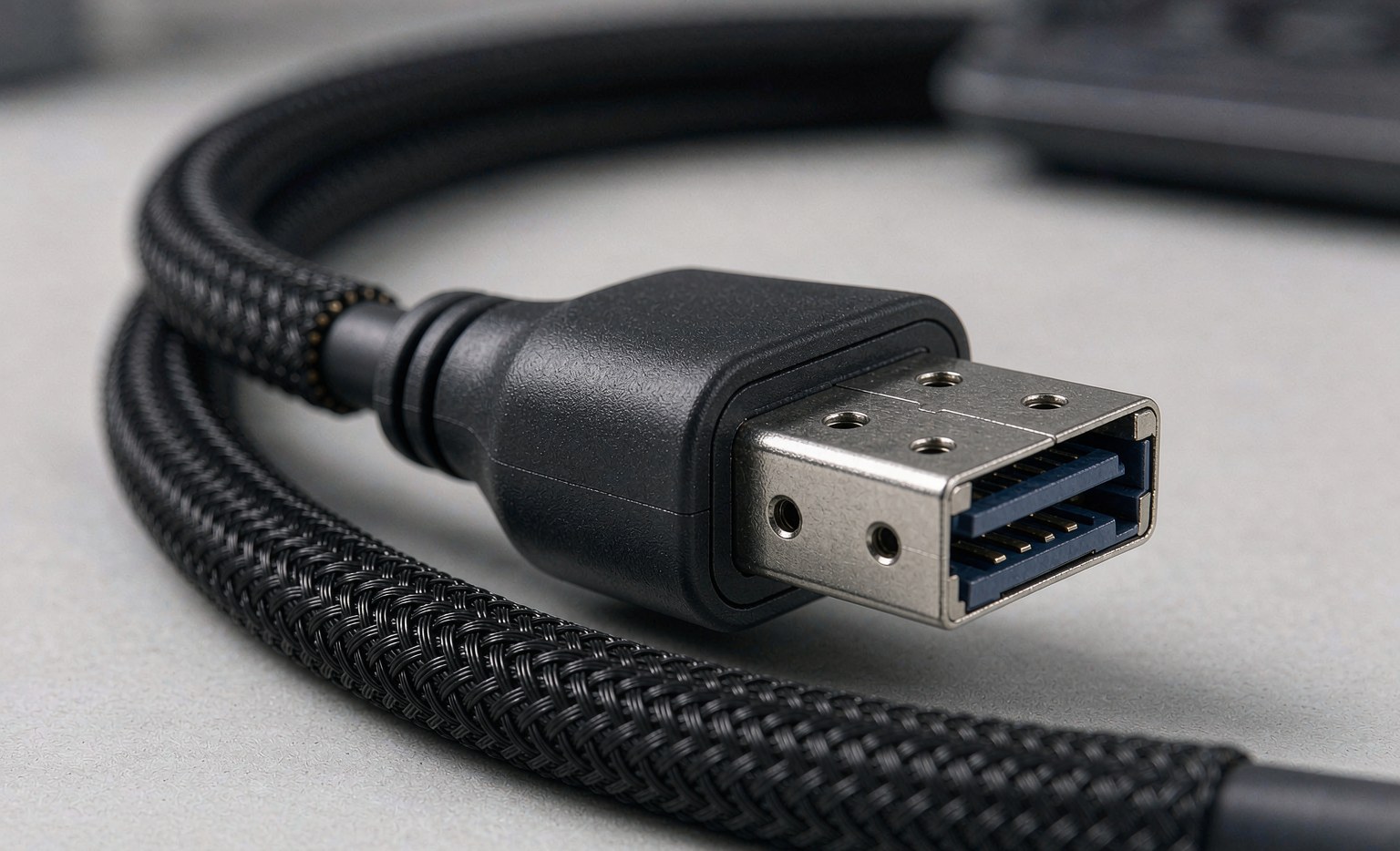
Cable and connector assembly is a critical component in industrial applications, providing necessary connectivity for machinery, equipment, and systems to function efficiently. A well-designed cable and connector assembly ensures reliable data transmission, power supply, and control signals, even in harsh environments. For example, in manufacturing plants, cable and connector assemblies are used to connect machinery, sensors, and control systems, enabling seamless communication and operation. In addition, cable and connector assemblies play a crucial role in ensuring the safety and reliability of industrial equipment, such as in the oil and gas industry, where they are used to connect critical systems and equipment.
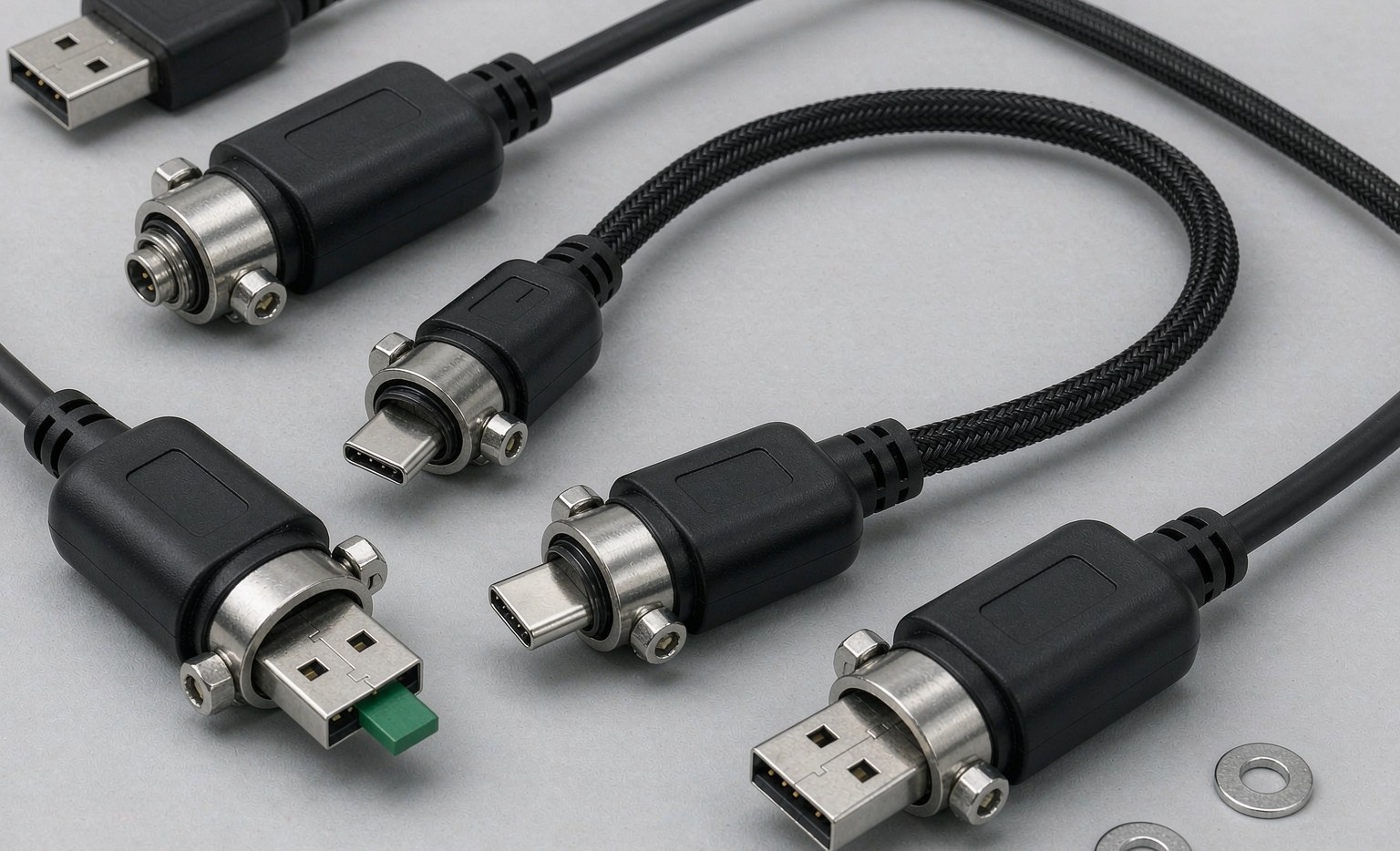
Industrial applications demand high-performance cables and connectors that can withstand extreme temperatures, vibrations, and exposure to chemicals or moisture. Engineered for Resilience: Why Longkai is the Trusted Supplier for Waterproof D-Sub Connectors and Rugged Industrial Interfaces Waterproof D-Sub connectors and rugged industrial interfaces are examples of specialized components designed for such challenging conditions. To ensure reliability, it’s essential to select cables and connectors that meet the specific requirements of the application. For instance, in applications where high-temperature resistance is critical, such as in aerospace or automotive industries, cables and connectors with high-temperature resistance materials should be used.
When designing a cable and connector assembly, several factors must be considered, including the type of signals being transmitted, the operating environment, and the required level of durability. For instance, in applications where high-speed data transmission is critical, such as in industrial automation, cables and connectors with high-bandwidth capabilities are necessary. The following steps can be followed to design a reliable cable and connector assembly:
- Define the application requirements, including the type of signals being transmitted and the operating environment.
- Select cables and connectors that meet the specific requirements of the application.
- Consider factors such as temperature resistance, chemical resistance, and mechanical strength when selecting materials.
- Ensure compliance with relevant industry standards and regulations.
- Test and validate the cable and connector assembly to ensure it meets the required performance and reliability standards.
- Consider factors such as signal integrity, electromagnetic interference (EMI), and radio-frequency interference (RFI) when designing the assembly.
- Use simulation tools and modeling techniques to optimize the design and minimize potential issues.
For example, in the aerospace industry, cable and connector assemblies must meet strict standards for reliability and performance. The following case study illustrates the importance of careful design and testing:
A leading aerospace manufacturer required a custom cable and connector assembly for a critical system. The assembly had to withstand extreme temperatures, vibrations, and exposure to chemicals. The manufacturer worked with a supplier to design and test a custom assembly that met the required specifications. The assembly was subjected to rigorous testing, including temperature cycling, vibration testing, and chemical exposure. The results showed that the assembly met the required performance and reliability standards, ensuring the safe and reliable operation of the critical system.
Key Considerations for Cable and Connector Assembly
- Material selection: Choosing the right materials for cables and connectors is crucial for ensuring durability and performance. Factors such as temperature resistance, chemical resistance, and mechanical strength must be considered.
- Environmental factors: Cables and connectors must be designed to withstand the specific environmental conditions of the industrial application, including temperature, humidity, and exposure to chemicals or moisture.
- Signal integrity: Ensuring signal integrity is vital for reliable data transmission and control. This involves selecting cables and connectors that minimize signal attenuation and distortion.
- Compliance with standards: Cables and connectors must comply with relevant industry standards and regulations, such as those for High-Performance Industrial LAN Cable: Selecting a Trusted Supplier for Mission-Critical Networking.
- Durability and reliability: Cables and connectors must be designed to withstand the rigors of industrial applications, including mechanical stress, vibration, and exposure to harsh environments.
- Maintenance and repair: Cables and connectors should be designed to facilitate easy maintenance and repair, minimizing downtime and reducing costs.
| Application | Cable/Connector Requirements |
|---|---|
| Industrial Automation | High-bandwidth cables and connectors, resistance to temperature and vibration, such as Precision M12/M16 Cable Solutions: Selecting a Trusted Supplier for Rugged Industrial Connectivity |
| Oil and Gas | Cables and connectors with high-temperature resistance, chemical resistance, and mechanical strength |
| Aerospace | Cables and connectors with high-temperature resistance, high-bandwidth capabilities |
| Automotive | Cables and connectors with high-temperature resistance, resistance to vibration and mechanical stress |
| Medical Devices | Cables and connectors with high-reliability, biocompatibility, and resistance to sterilization processes |
| Renewable Energy | Cables and connectors with high-temperature resistance, UV resistance, and weather resistance |
Types of Cable and Connector Assemblies
Various types of cable and connector assemblies are available, catering to different industrial applications. Some common examples include:
- M12/M16 cable solutions for rugged industrial connectivity
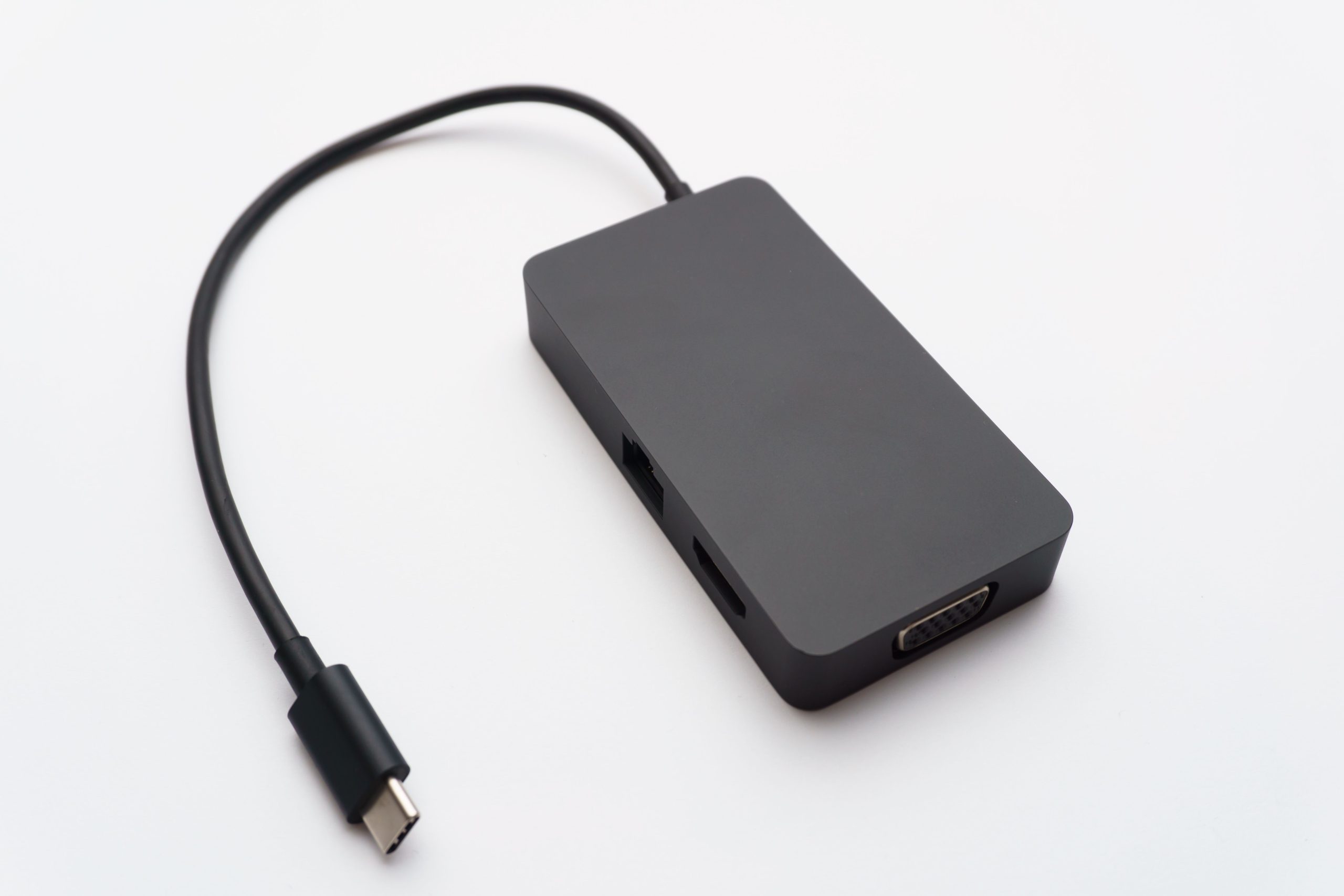
- Type C-Cable solutions for high-speed connectivity, such as The Evolution of Type C-Cable in Industrial Ecosystems: Finding a Trusted Supplier for High-Speed Connectivity
- DisplayPort (DP) cables for high-resolution display applications, with more information available in What Is a DP Cable? A Comprehensive Guide to DisplayPort Technology and Applications
- USB-C cables for versatile connectivity
- Custom cable and connector assemblies for specific industrial applications
- Fiber optic cable assemblies for high-speed data transmission
- Coaxial cable assemblies for high-frequency applications
For instance, M12/M16 cable solutions are commonly used in industrial automation applications, where rugged and reliable connectivity is critical. These cables and connectors are designed to withstand harsh environments, including exposure to chemicals, moisture, and extreme temperatures.
Benefits of Custom Cable and Connector Assembly
- Improved performance and reliability
- Enhanced flexibility and adaptability
- Reduced costs through optimized design and manufacturing
- Increased safety through compliance with industry standards
- Simplified installation and maintenance
- Customization to meet specific application requirements
- Faster time-to-market through streamlined design and manufacturing processes
For example, a custom cable and connector assembly can be designed to meet the specific requirements of a particular industrial application, ensuring optimal performance and reliability. This can be particularly important in critical applications, such as in the aerospace or oil and gas industries.
Design and Manufacturing Process
The design and manufacturing process for cable and connector assemblies involves several key steps, including:
- Application analysis and requirements definition
- Design and simulation
- Prototype development and testing
- Validation and certification
- Mass production and quality control
To ensure the reliability and performance of cable and connector assemblies, it’s essential to work with a qualified supplier who has experience in designing and manufacturing custom assemblies for industrial applications.
Frequently Asked Questions (FAQs)
- Q: What are the key considerations for cable and connector assembly in industrial applications?
- A: Material selection, environmental factors, signal integrity, compliance with industry standards, and durability and reliability.
- Q: What types of cable and connector assemblies are available for industrial applications?
- A: M12/M16 cable solutions, Type C-Cable solutions, DisplayPort (DP) cables, USB-C cables, custom cable and connector assemblies, fiber optic cable assemblies, and coaxial cable assemblies.
- Q: What are the benefits of custom cable and connector assembly?
- A: Improved performance and reliability, enhanced flexibility and adaptability, reduced costs, increased safety, simplified installation and maintenance, customization to meet specific application requirements, and faster time-to-market.
- Q: How can I ensure the reliability and performance of my cable and connector assembly?
- A: By selecting cables and connectors that meet the specific requirements of your application, ensuring compliance with industry standards, and testing and validating the assembly to ensure it meets the required performance and reliability standards.
- Q: What is the typical design and manufacturing process for cable and connector assemblies?
- A: Application analysis and requirements definition, design and simulation, prototype development and testing, validation and certification, and mass production and quality control.