In the realm of digital connectivity, choosing the right interface is critical for performance. While most consumers are familiar with HDMI for their televisions, the computing and industrial sectors rely heavily on a different standard. This brings us to the question: what is a DP cable?
A DP cable, or DisplayPort cable, is a digital display interface developed by the Video Electronics Standards Association (VESA). Unlike older analog cables (like VGA) or consumer-focused cables (like HDMI), DisplayPort was designed specifically for high-performance computing. It transmits video and audio simultaneously using data packets, similar to how the internet functions. This architecture allows for higher resolutions, faster refresh rates, and superior versatility.
At Longkai Electronics, we have specialized in cable manufacturing since 2012. From medical devices to industrial automation, we understand that the quality of a cable determines the reliability of the entire system. This guide will explore the technical advantages, variations, and real-world applications of DisplayPort technology.
The Physical Design: Distinct Features of a DP Cable
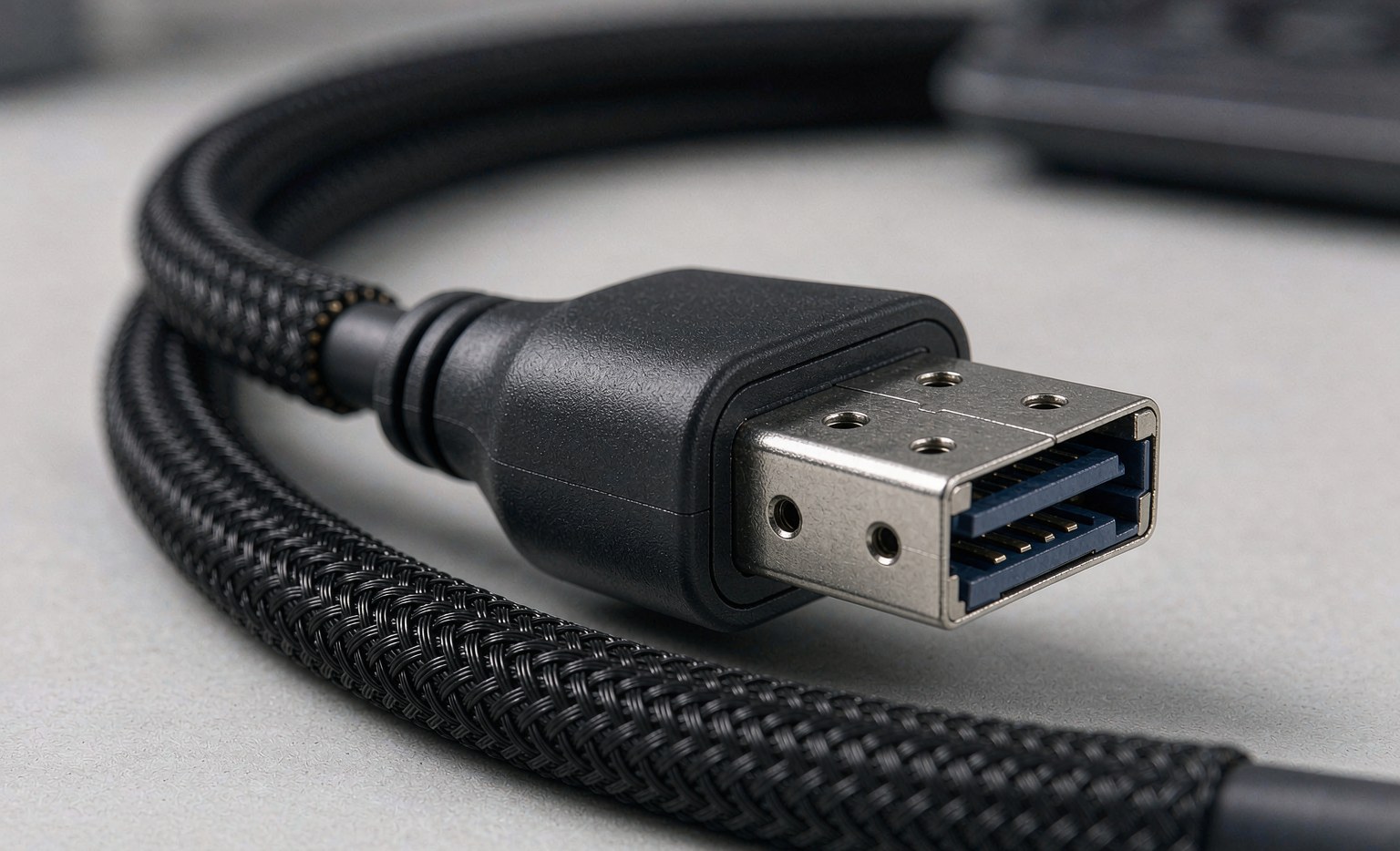
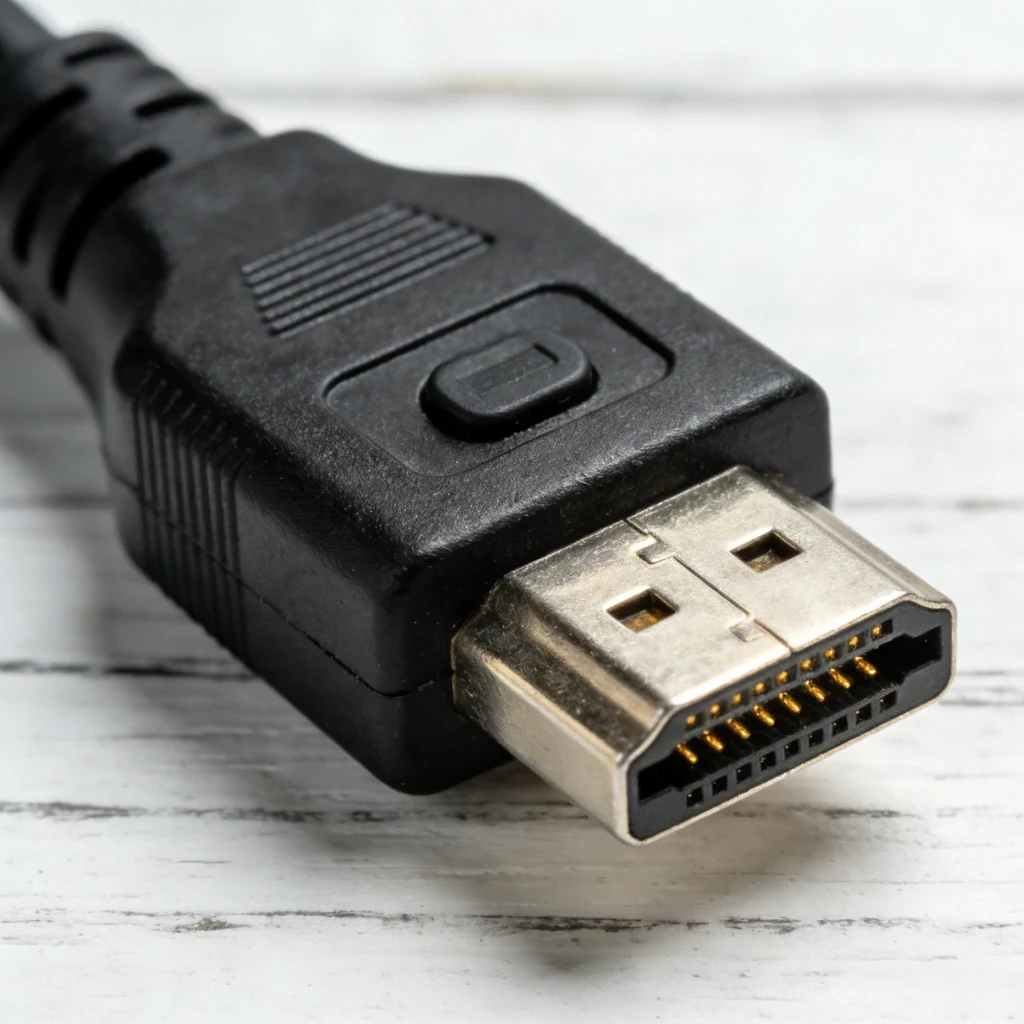
To identify a DP cable, look at the connector. A standard DisplayPort connector is rectangular with one corner cut off (slanted). This asymmetry prevents the cable from being inserted upside down.
The Locking Mechanism
One of the most significant advantages of a standard DP cable over HDMI is the locking latch. The connector features small hooks that lock into the port. To unplug the cable, you must physically depress a release button on the connector head.
In industrial environments where machinery creates vibration, this locking mechanism is vital. It prevents accidental disconnections that could disrupt production lines or data monitoring. This attention to secure connectivity aligns with our “Quality First” philosophy at Longkai Electronics.
How Does DisplayPort Work?
DisplayPort is not just a wire; it is a sophisticated communication protocol. While older cables sent a continuous stream of signals, DisplayPort uses a packet-based transmission similar to Ethernet. This allows for:
- Multi-Stream Transport (MST): You can daisy-chain multiple monitors from a single DisplayPort output. This is ideal for financial trading desks or control rooms.
- High Bandwidth: It supports massive data flow, enabling 8K resolutions and high refresh rates (144Hz, 240Hz, and beyond) required for gaming and precision imaging.
- Versatility: The signal is compatible with other standards. With a simple adapter, a DisplayPort source can connect to HDMI or DVI displays.
DisplayPort vs. HDMI: What Is the Difference?
When asking “what is a DP cable,” the comparison with HDMI is inevitable. Both carry high-definition video and audio, but they serve different purposes.
1. The Audience
HDMI is ubiquitous in consumer electronics (TVs, Blu-ray players). DisplayPort is the standard for PC hardware, graphics cards, and professional monitors.
2. The Capabilities
Generally, DisplayPort offers higher bandwidth than the standard HDMI counterparts available at the same time. This makes DP the preferred choice for professional video editing and high-end gaming.
3. The Physical Connection
As mentioned, the locking mechanism on DP cables offers a level of physical security that standard HDMI lacks. For cable assembly solutions in commercial settings, this security is often a deciding factor.
Types of DisplayPort Connectors and Versions
Not all DP cables are identical. They vary by physical connector shape and internal bandwidth capacity.
Connector Shapes
- Standard DisplayPort: The full-size connector with locking latches, common on desktops and monitors.
- Mini DisplayPort (Mini DP): A smaller version found on older laptops and some medical tablets.
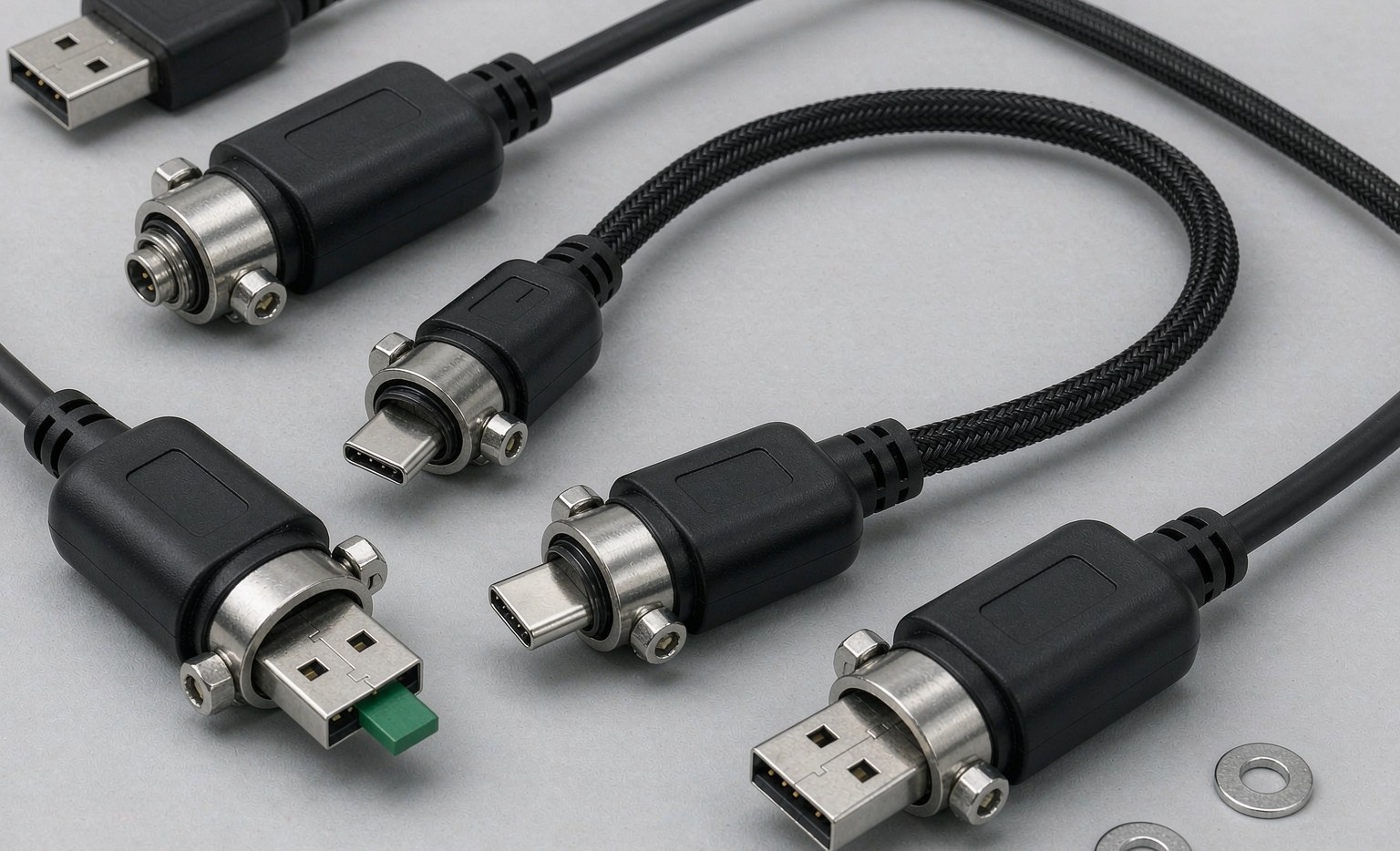
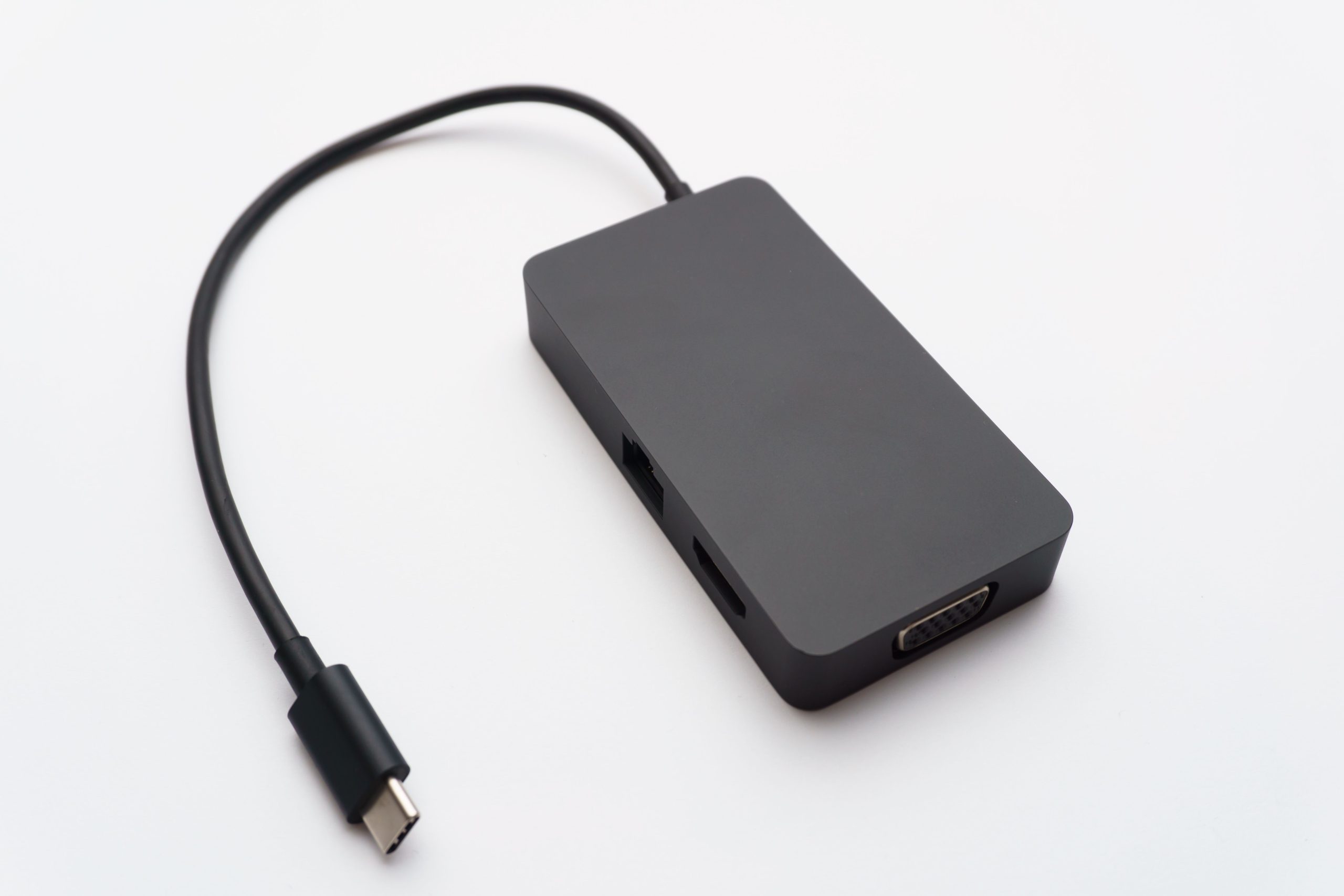
- USB-C (DP Alt Mode): Modern devices often use the USB-C connector to transmit DisplayPort signals. This allows for video, data, and power delivery over a single cable. You can find these in our Type-C cable category.
Performance Versions
The cable’s version determines its maximum speed. At Longkai Electronics, we ensure our products meet these rigorous standards:
- DP 1.2: Supports 4K at 60Hz. Sufficient for most office work.
- DP 1.4: Supports 8K at 60Hz or 4K at 120Hz. Essential for high-performance visual tasks.
- DP 2.0 / 2.1: The newest standard, capable of 16K resolution and ultra-high bandwidth up to 80 Gbps.

Active vs. Passive Cables: Distance Matters
Length plays a crucial role in signal integrity. For short distances (typically under 2 or 3 meters), a passive cable works perfectly. It simply carries the signal from A to B.
However, copper wires have resistance. Over longer distances, the digital signal degrades. For long runs, you require an active DP cable. These cables have a chipset embedded in the connector that amplifies the signal, ensuring that a projector 10 meters away receives a crisp, artifact-free image.
Why Choose Longkai Electronics for DP Solutions?
Manufacturing a reliable DisplayPort cable requires precision. Poor shielding can lead to electromagnetic interference, while low-quality materials can cause signal dropouts.
Decade of Expertise
Established in 2012, Longkai Electronics integrates R&D with manufacturing. We don’t just assemble cables; we engineer solutions. Our experience spans over a decade, serving clients in North America and East Asia.
Certified Quality
We hold ISO9001 and ISO14001 certifications, ensuring consistent management and environmental responsibility. Our products are CE and FCC certified, guaranteeing they are safe and compliant for global markets.
Trusted by Leaders
Our commitment to “Integrity-Based” business has earned us partnerships with over 100 renowned brands, including LG, Samsung, and BAYER. Whether you need a standard cable assembly or a custom OEM solution, we deliver consistency.
Conclusion
So, what is a DP cable? It is the backbone of modern, high-performance visual computing. From its robust locking connector to its ability to handle immense amounts of data, it is the superior choice for professionals and gamers alike.
Whether you are outfitting a medical facility, an automated factory, or a design studio, the quality of your connection matters. Trust in the experience and certified quality of Longkai Electronics. Explore our DisplayPort solutions today to ensure your data connects seamlessly.