
Introduction: The Evolution from Convenience to Criticality
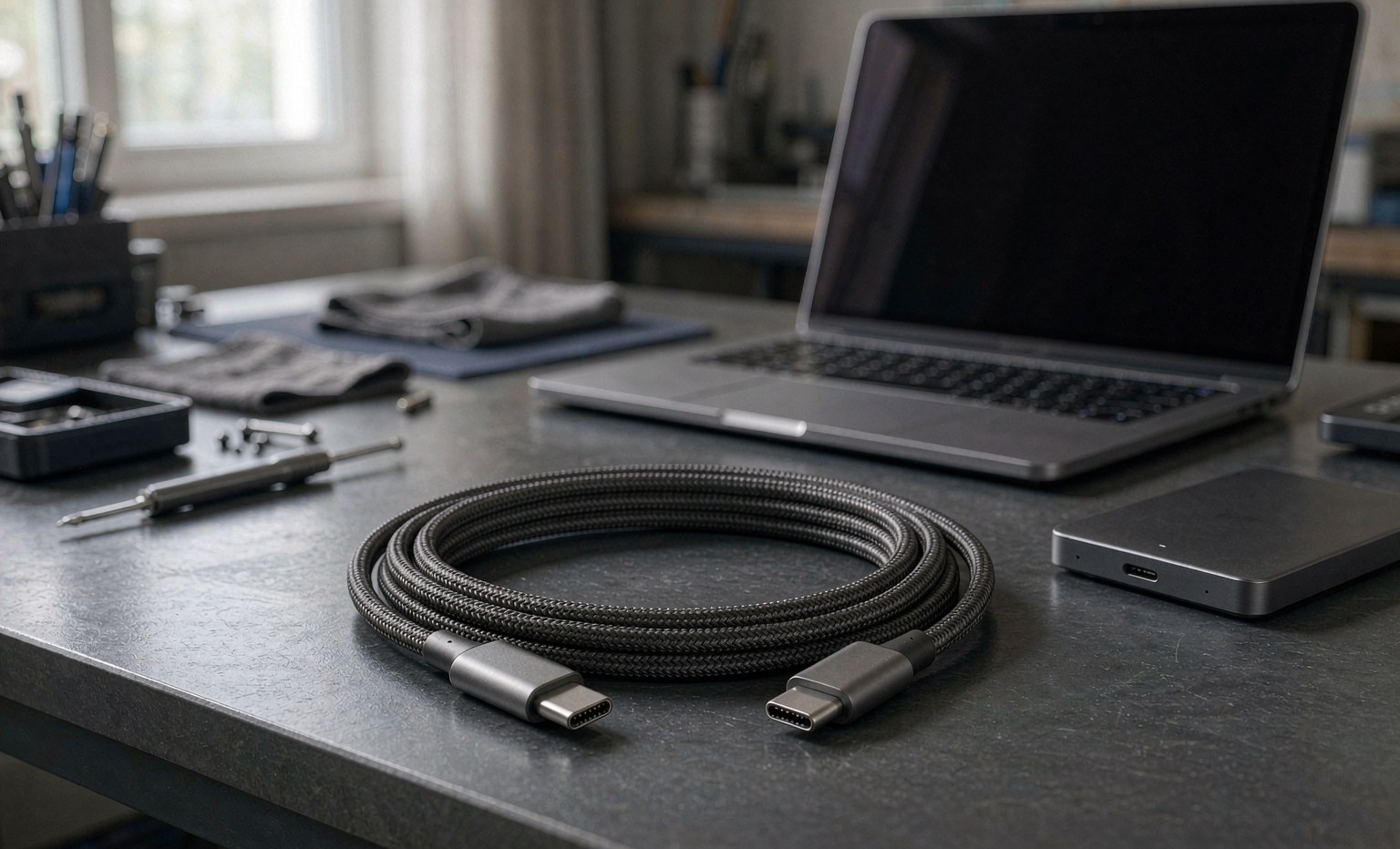
The Type C-Cable has rightfully earned its reputation as the most versatile and user-friendly connector in the consumer electronics landscape. Its reversible design, high-speed data capabilities, and robust power delivery have simplified the way we connect our laptops, smartphones, and peripherals. However, as this powerful interface migrates from the office desk to the factory floor, a critical challenge emerges: the standard friction-fit connection, while convenient for consumers, is not robust enough for the demands of mission-critical industrial, medical, and automotive applications. This is where the next evolution of the standard—the locking USB-C connector—becomes not just a feature, but a necessity.
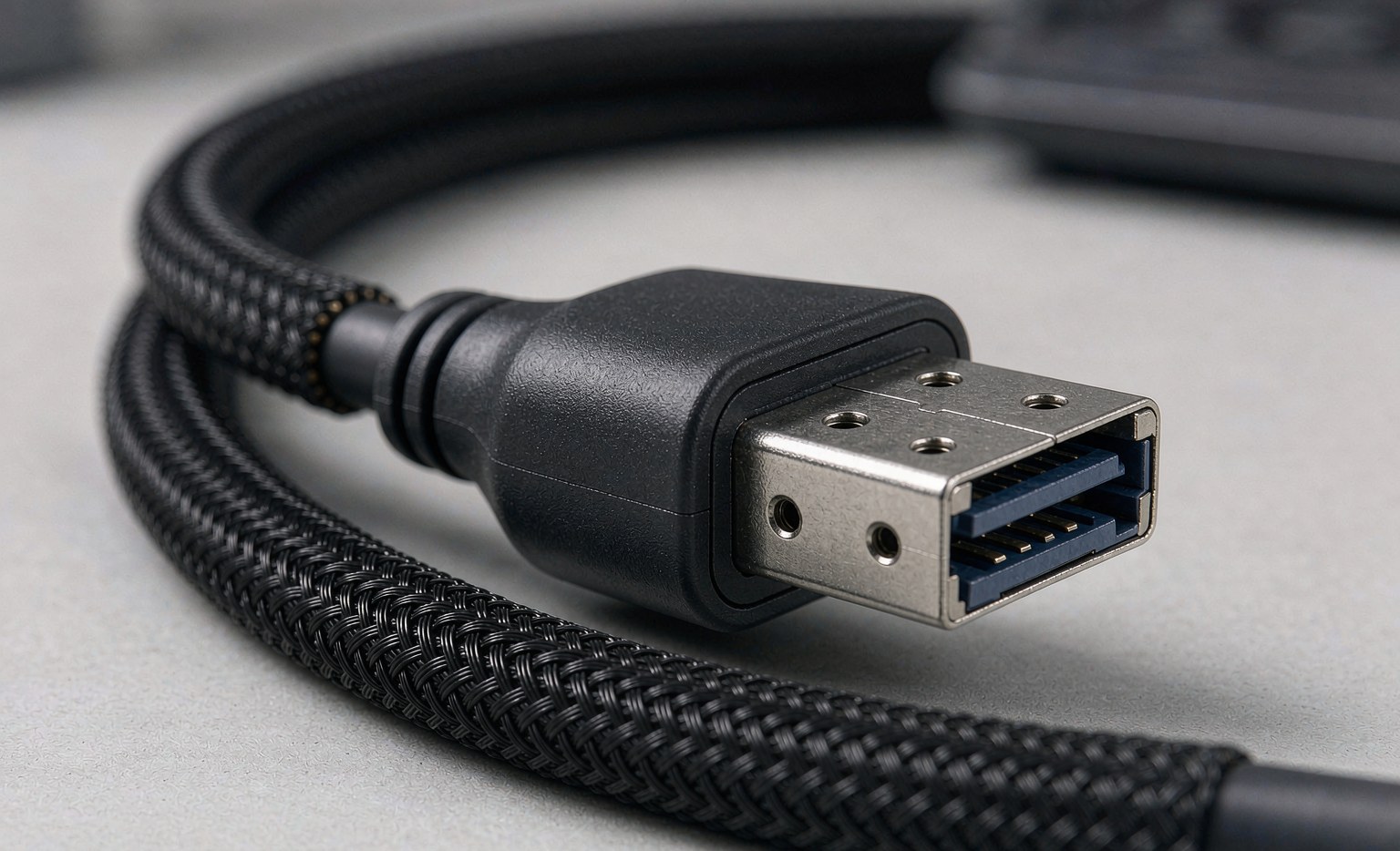
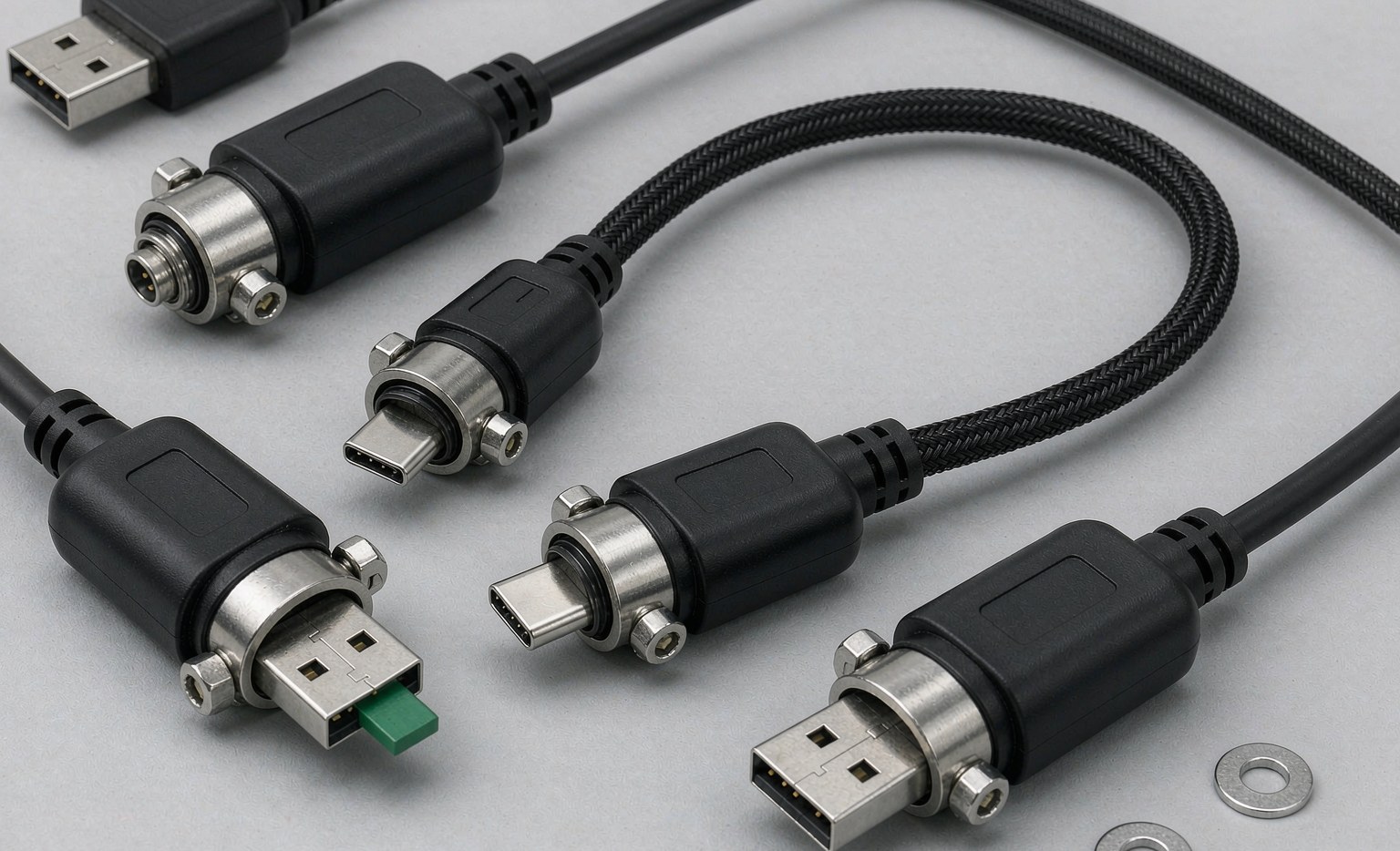
A locking USB C Cable integrates a secure mechanical fastening system, typically one or two thumbscrews, that anchors the connector to the device port. This simple yet profound addition transforms the connector from a convenient link into a highly reliable, vibration-proof interface. It brings the industrial-grade security long associated with older connectors like the D-USB Cable to the most advanced connectivity standard available today. This is a crucial development for the era of Industry 4.0, where a stable, high-bandwidth connection is the lifeline for robotic arms, machine vision systems, and autonomous vehicles.
This guide will explore the technology behind the TYPE C-3.1 Cable locking standard, its key advantages, and the critical applications where it is becoming indispensable. We will also highlight why the manufacturing of such a specialized cable demands the precision and quality assurance expertise of a veteran in industrial solutions, such as Longkai Electronics.
Why Standard USB-C Falls Short in Industrial Environments
To appreciate the need for a locking connector, it is important to understand the specific environmental and operational stresses that render a standard consumer cable inadequate in an industrial setting.
- Vibration and Shock: This is the most significant factor. Factories, vehicles, and even medical carts are in constant motion. Persistent vibration, no matter how subtle, will inevitably cause a standard friction-fit connector to work itself loose, leading to intermittent or complete signal loss.
- Accidental Disconnection: In a busy or high-traffic environment, cables can be accidentally snagged or pulled. While this is an annoyance in an office, it can be a catastrophic failure in a medical or industrial process, potentially causing equipment damage or safety hazards.
- The Cost of Failure: A dropped connection to a consumer’s external hard drive is an inconvenience. A dropped connection to an Industrial Camera Cable during a critical quality inspection on a high-speed production line can lead to hours of downtime, wasted materials, and significant financial loss.
The traditional solution to this problem was to use older, inherently secure connectors like D-Sub or to rely on the established USB Cable locking standard for Type-A connectors. However, as modern industrial devices require the superior bandwidth and power delivery of USB-C, a new, more robust solution was required.
The Advantages of the Locking USB-C Standard
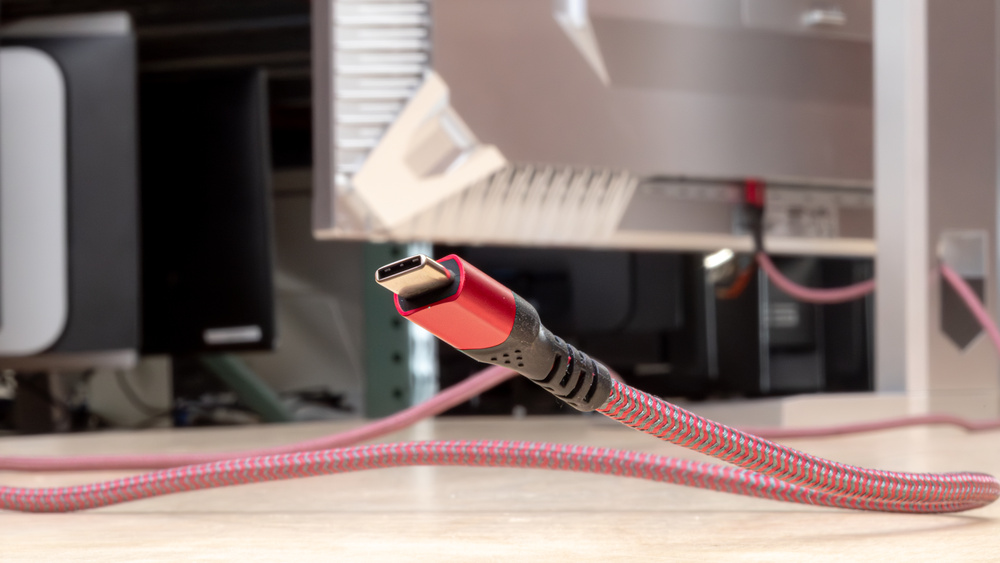
The locking USB-C connector directly addresses the shortcomings of the standard version by incorporating a secure fastening mechanism into the connector housing. This provides a host of benefits that are essential for any mission-critical application.
- Unparalleled Vibration Resistance: By physically screwing the connector into the device’s port, the connection becomes virtually immune to the effects of vibration and shock. The electrical link remains stable and secure, ensuring consistent data flow and power delivery, which is vital for sensors and control systems.
- Elimination of Accidental Disconnects: The screw-lock mechanism provides a high pull-out force, meaning the cable cannot be removed without intentionally unscrewing it. This is a critical safety and reliability feature in medical devices, public kiosks, and in-vehicle infotainment systems.
- Bringing Modern Performance to Rugged Applications: The most significant advantage is that this standard combines industrial-grade reliability with state-of-the-art performance. It allows engineers to leverage the full capabilities of USB 3.1/3.2 (10-20 Gbps), DisplayPort Alternate Mode, and high-wattage Power Delivery in environments that were previously off-limits to such advanced, non-locking connectors.
- Maintaining a Compact Form Factor: Despite its added security, the locking USB-C connector maintains a relatively small footprint compared to older, bulky industrial connectors, making it ideal for today’s increasingly compact and sophisticated devices.
Key Applications Driving the Adoption of Locking USB-C
The demand for secure, high-performance connectivity is driving the rapid adoption of locking USB-C across a range of advanced industries.
- Machine Vision and Robotics: This is a primary application. High-resolution industrial cameras generate massive amounts of data that must be transmitted reliably and with low latency. A locking USB-C connection ensures the camera on a robotic arm or inspection gantry maintains a perfect link, even during rapid movement.
- Medical Devices: From diagnostic imaging carts to patient monitoring systems, a secure connection is a matter of safety and accuracy. A locking connector prevents a critical data stream from being interrupted if a device is jostled or a cable is accidentally bumped.
- Automotive and Avionics: In-vehicle systems, from infotainment displays to sensor hubs in autonomous vehicles, require connections that can withstand constant vibration and operate flawlessly for the life of the vehicle. Locking USB-C provides the necessary durability and bandwidth for these demanding applications.
- Professional Audio/Video and Broadcasting: In field recording or live event production, equipment is constantly being moved. A locking connector on a high-speed external drive or video interface prevents the loss of a critical recording or live feed.
Manufacturing Excellence: The Key to a Reliable Locking Cable
A locking USB-C cable is more than just a standard cable with screws attached. It is a precision-engineered component where the mechanical and electrical elements must work in perfect harmony. The quality of the manufacturing is paramount to its success.
The construction of a reliable locking usbc cable requires:
- Precision Molding: The connector housing must be molded with extreme precision to ensure the screw threads align perfectly and provide a secure fit without being difficult to engage.
- Robust Materials: The cable itself must be built to industrial standards, often requiring a more ruggedized jacket (like PUR), superior shielding to reject EMI, and high-flex-life conductors for applications involving repeated motion.
- Rigorous Quality Control: Every cable must be tested not only for its electrical performance (data rate, power delivery) but also for its mechanical integrity (screw torque, retention force).
This level of precision is where an experienced manufacturer like Longkai Electronics excels. Our extensive history, dating back to 2012, in producing high-reliability Industrial Cable and Wire Harness solutions gives us the expertise needed to master this demanding technology. Our commitment to quality, backed by our ISO, CE, and FCC certifications, ensures that every locking cable we produce is built to provide unwavering reliability for its entire service life.
Conclusion: A Secure Connection for a Demanding World
The locking USB-C connector represents a brilliant synthesis of consumer convenience and industrial-grade reliability. It allows the most advanced universal standard to be deployed with confidence in the most demanding environments, unlocking new possibilities for innovation in automation, medicine, and transportation. As the world becomes more connected and automated, the need for connections that are not just fast but fundamentally secure will only continue to grow. The advent of the locking USB-C standard is a critical step forward, providing a robust and future-proof platform for the next generation of mission-critical technology.