
Introduction to Right-Angle Data Cable Assemblies
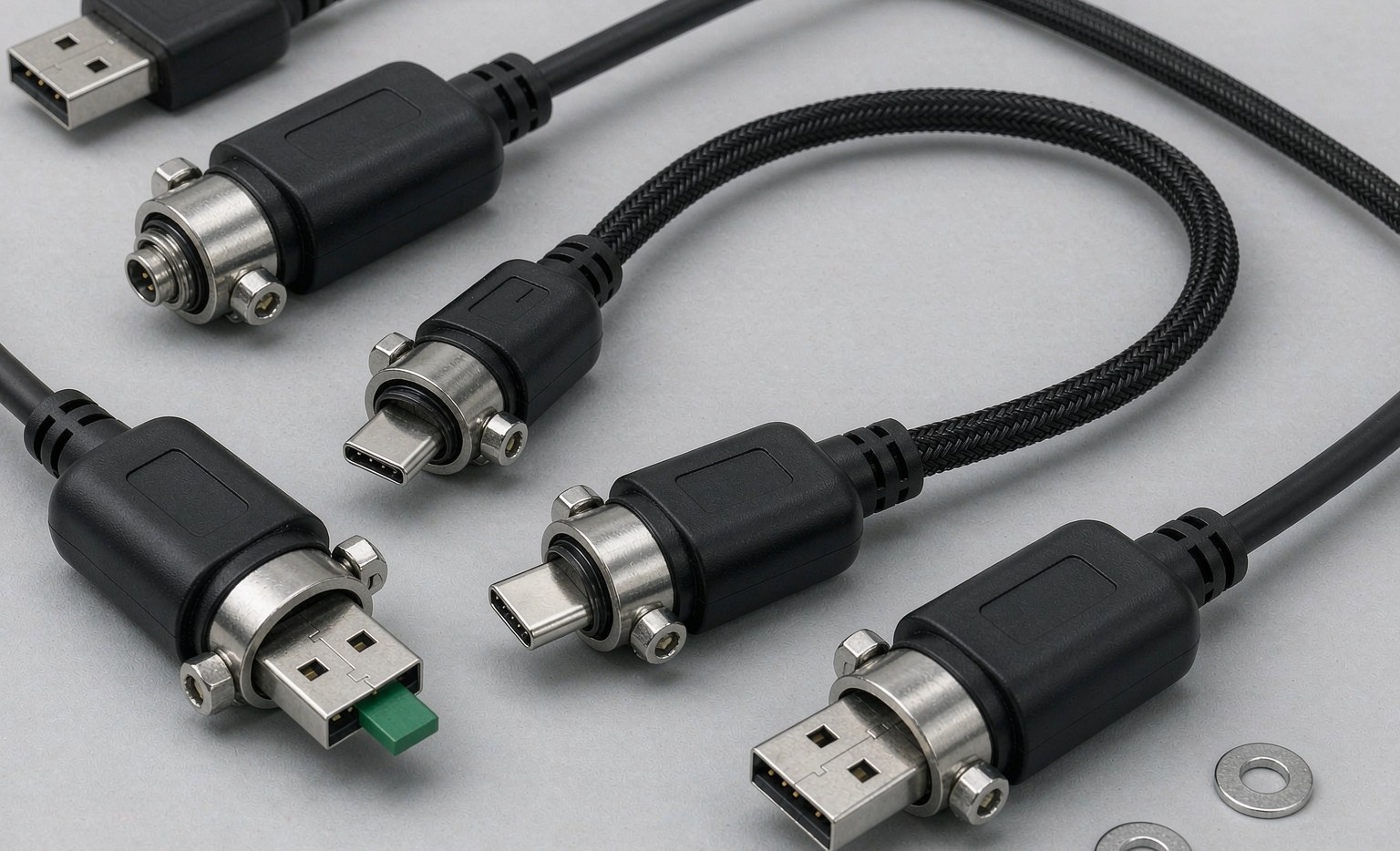
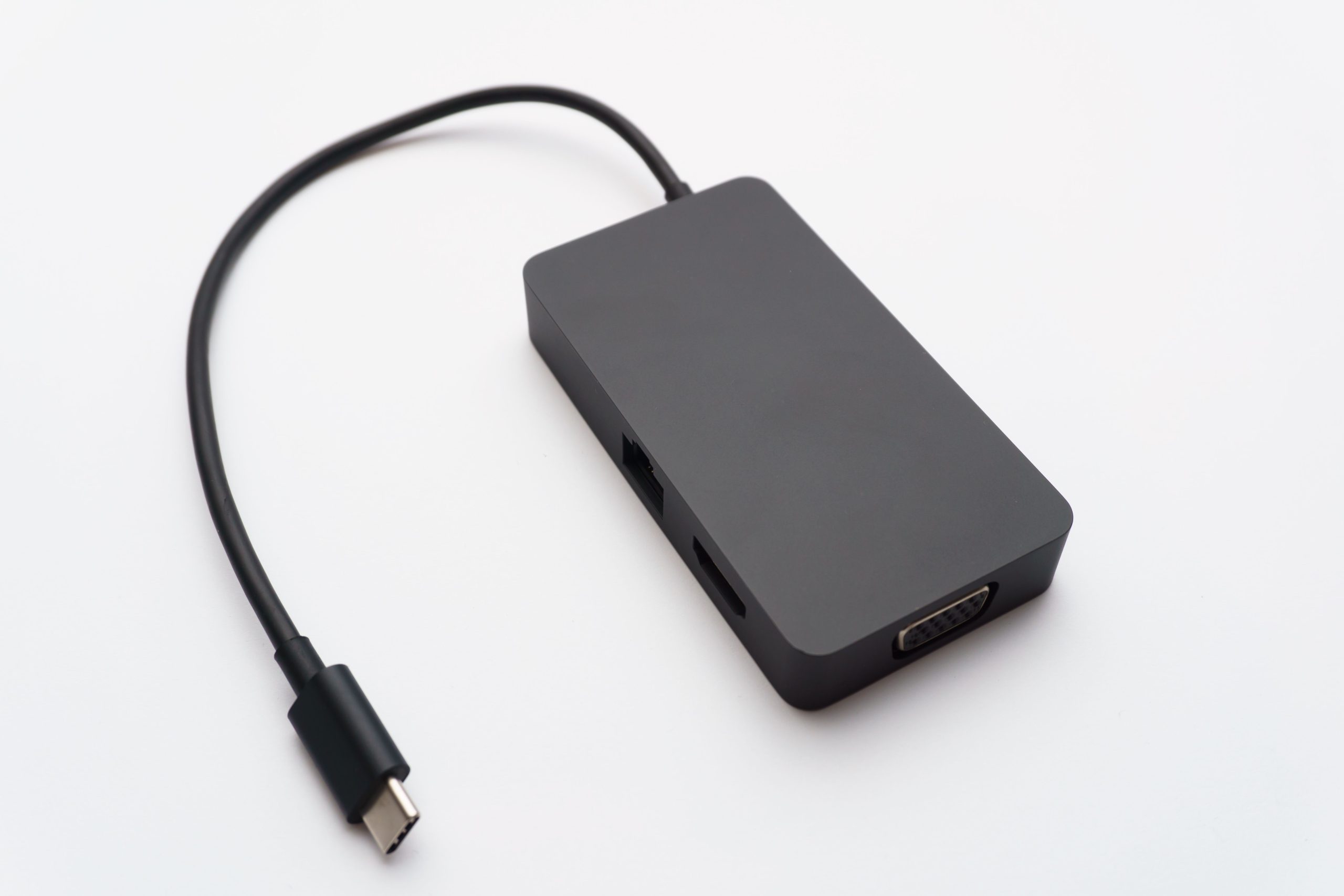
Right-angle data cable assemblies are specialized cable solutions designed for efficient and reliable data transmission in industrial automation applications. They are engineered to meet the unique demands of industrial environments, where space constraints, harsh conditions, and high-performance requirements are common. These assemblies are particularly useful in scenarios where traditional straight cable assemblies may not be feasible due to spatial limitations or where cable management is a priority. For more information on cable solutions for industrial automation, see Cable Solutions for High-Precision Control Panels: Enhancing Industrial Automation Efficiency.
These cable assemblies are used to connect sensors and actuators to control systems, ensuring reliable data transmission and minimizing downtime. Customization options include specialized cable materials, unique connector configurations, or tailored cable lengths to suit specific application needs. For instance, in a manufacturing setting, right-angle data cable assemblies can be used to connect robotic arms to control systems, allowing for precise movement and operation. In addition, they can be used in process control systems to connect sensors and transmitters to control systems, ensuring accurate and reliable data transmission.
To further illustrate their application, consider a factory floor where machinery and equipment are densely packed. Right-angle data cable assemblies can be used to connect machinery to control systems, reducing clutter and improving maintainability. They can also be used in machine vision systems to connect high-resolution cameras to processing units, enabling high-speed data transmission and accurate image processing. For example, a leading automotive manufacturer uses right-angle data cable assemblies to connect cameras and sensors to control systems in their assembly lines, improving production efficiency and product quality. For more details on high-speed cable assemblies, see High-Speed Cable Assemblies for Industrial Automation: Enhancing Efficiency and Reliability.
Benefits of Right-Angle Data Cable Assemblies
- Enhanced spatial efficiency due to their right-angle design, allowing for more compact installations and reduced clutter
- Improved reliability through reduced strain on cables and connectors, minimizing signal degradation and system failure
- High-speed data transmission capabilities, supporting the demands of modern industrial automation systems
- Durability and resistance to environmental factors such as temperature, vibration, and moisture
- Flexibility and customization options to meet specific application requirements
- Reduced maintenance and downtime due to their robust design and reliable performance
| Benefit | Description |
|---|---|
| Enhanced Spatial Efficiency | Allows for more compact installations, reducing clutter and improving airflow. This is particularly beneficial in control panels and machinery where space is limited. |
| Improved Reliability | Reduces strain on cables and connectors, minimizing signal degradation and system failure. This leads to less downtime and maintenance, improving overall system efficiency. |
| High-Speed Data Transmission | Supports the high data transfer rates required by modern industrial automation systems, ensuring that data is transmitted quickly and accurately. |
| Durability and Resistance | Right-angle data cable assemblies are designed to withstand harsh industrial environments, including extreme temperatures, vibration, and moisture. |
Applications of Right-Angle Data Cable Assemblies
Right-angle data cable assemblies are used in various industrial automation scenarios, including:
- Control panel wiring, where they help to reduce clutter and improve maintainability
- Robotics and machinery, enabling precise control and movement
- Process control systems, where reliable data transmission is critical for process monitoring and control
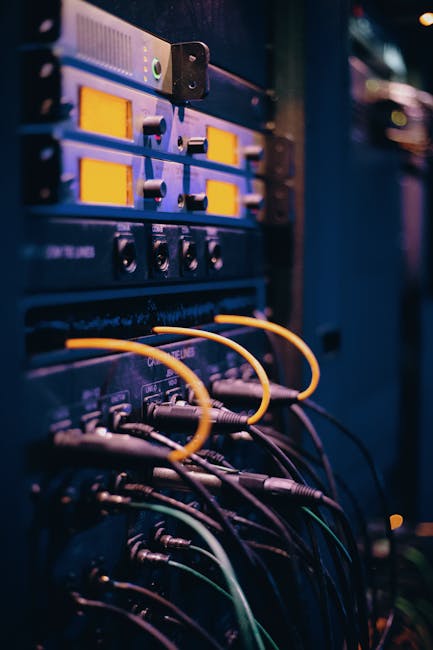
- Industrial Ethernet networks, supporting high-speed data transfer between devices
- Machine vision systems, where high-resolution cameras require high-speed data transmission to process visual data
- Automotive manufacturing, where they are used to connect machinery and equipment to control systems
- Aerospace manufacturing, where they are used in assembly and inspection systems
- Food and beverage processing, where they are used to connect sensors and actuators to control systems
- Pharmaceutical manufacturing, where they are used to connect equipment and machinery to control systems
For example, in a process control system, right-angle data cable assemblies can be used to connect sensors and transmitters to control systems, ensuring accurate and reliable data transmission. In robotics, these assemblies can be used to connect actuators and motors to control systems, enabling precise movement and operation. In machine vision systems, they can be used to connect cameras to processing units, enabling high-speed data transmission and accurate image processing. To learn more about custom-designed cable interconnects, visit Custom-Designed Cable Interconnects for Industrial Automation.
Design Considerations
When designing or selecting right-angle data cable assemblies, consider the following factors:
- Cable material and construction, including factors such as durability, flexibility, and resistance to environmental stressors
- Connector type and locking mechanism, ensuring compatibility and secure connections
- Data transmission speed and signal integrity, to ensure that data is transmitted accurately and reliably
- Compliance with relevant industrial standards, such as those related to safety, electromagnetic compatibility (EMC), and environmental resistance
- Cable length and routing, to minimize signal degradation and ensure reliable data transmission
- Environmental conditions, such as temperature, vibration, and moisture, to ensure the assembly can withstand the application environment
| Design Factor | Consideration |
|---|---|
| Cable Material | Durability and resistance to environmental stressors such as temperature, vibration, and moisture. Materials such as PVC, TPE, and PUR are commonly used in industrial applications. |
| Connector Type | Compatibility and secure connections. Common connector types include M12, M8, and RJ45, each with their own specific applications and benefits. |
| Data Transmission Speed | The required data transmission speed will depend on the specific application. For example, industrial Ethernet networks may require high-speed data transmission, while sensor connections may require lower speeds. |
| Environmental Conditions | The assembly must be able to withstand the environmental conditions of the application, including temperature, vibration, and moisture. |
Steps for Selecting Right-Angle Data Cable Assemblies
To select the right right-angle data cable assembly for your application, follow these steps:
- Determine the required cable length and routing to ensure reliable data transmission and minimize signal degradation
- Choose the appropriate cable material and construction based on environmental conditions and application requirements
- Select the correct connector type and locking mechanism to ensure compatibility and secure connections
- Verify that the assembly meets relevant industrial standards and regulations
- Test the assembly to ensure it meets performance requirements and is reliable in operation
- Consider factors such as cost, lead time, and supplier support when making your selection
- Consult with manufacturers or suppliers to determine the best assembly for your specific application needs
Frequently Asked Questions
Q: What are the benefits of using right-angle data cable assemblies?
A: They offer enhanced spatial efficiency, improved reliability, high-speed data transmission, and durability, making them ideal for industrial automation applications.
Q: What are the common applications of right-angle data cable assemblies?
A: They are used in control panel wiring, robotics and machinery, process control systems, industrial Ethernet networks, and machine vision systems, among other applications.
Q: How do I select the right right-angle data cable assembly for my application?
A: Consider factors such as cable material and construction, connector type and locking mechanism, data transmission speed and signal integrity, and compliance with relevant industrial standards.
Q: What are the key design considerations for right-angle data cable assemblies?
A: Cable material and construction, connector type and locking mechanism, data transmission speed and signal integrity, and compliance with relevant industrial standards are all important design considerations.
Q: Can right-angle data cable assemblies be customized for specific applications?
A: Yes, many manufacturers offer customization options, including specialized cable materials, unique connector configurations, and tailored cable lengths.
Q: What are the typical cable materials used in right-angle data cable assemblies?
A: Common materials include PVC, TPE, and PUR, each with their own specific benefits and applications.
Q: How do I ensure the right-angle data cable assembly meets the required industrial standards?
A: Verify that the assembly meets relevant standards, such as those related to safety, EMC, and environmental resistance, and consult with manufacturers or suppliers as needed.