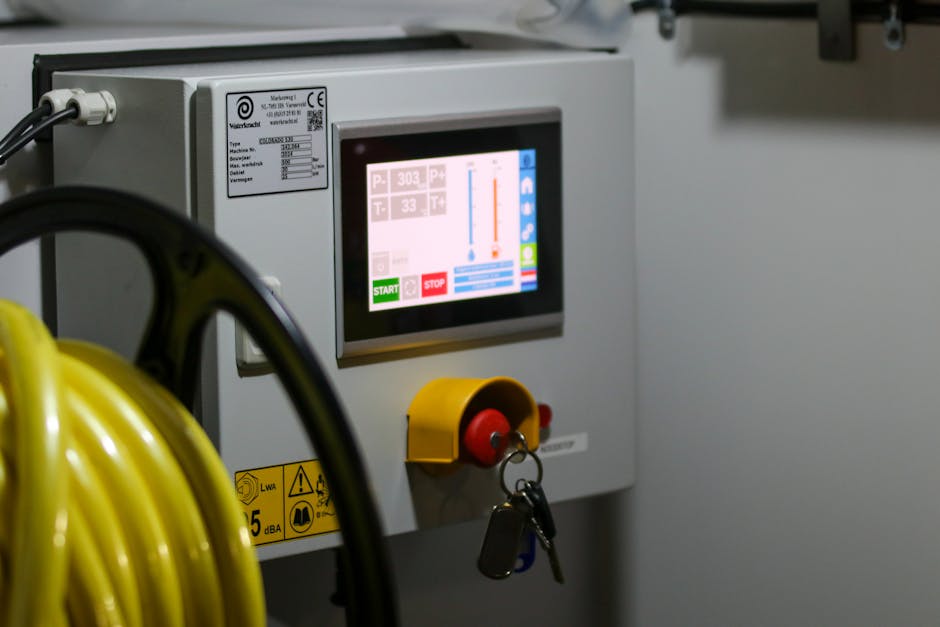
Understanding Automation Control Cables
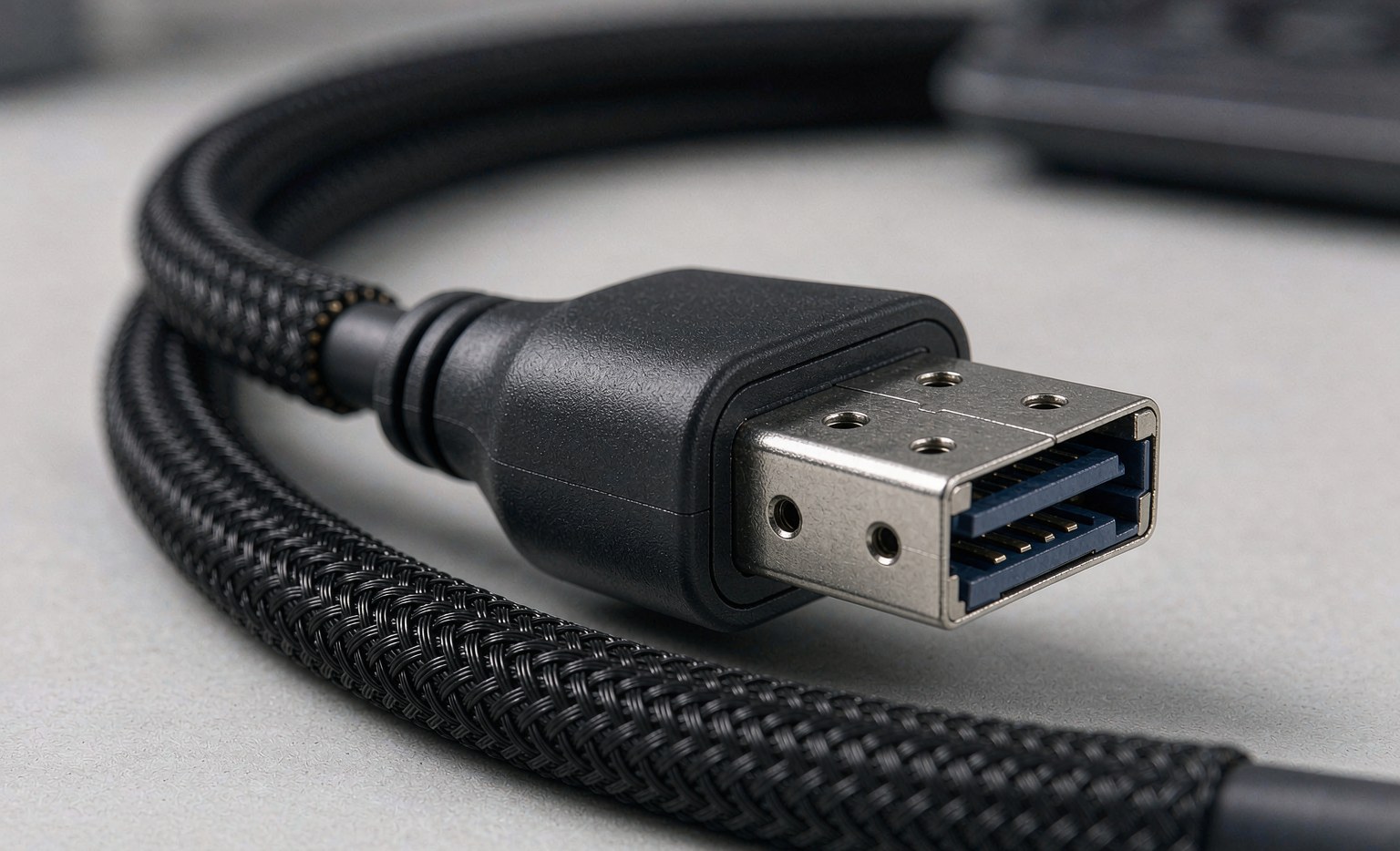
Automation control cables are specialized cables designed to transmit data and control signals in industrial automation systems. They are built to withstand harsh environments and ensure reliable performance. These cables play a crucial role in facilitating communication between devices, machines, and systems, enabling efficient and precise control over industrial processes. For more information on high-performance industrial cables, see Beyond the Office: The Engineering Behind High-Endurance Industrial Cables.
- High durability and resistance to environmental factors such as temperature, moisture, and chemicals
- High-speed data transmission capabilities to support real-time control and monitoring
- Compatibility with various industrial automation protocols, including PROFIBUS, PROFINET, and EtherCAT
- Shielding and noise reduction features to minimize electromagnetic interference (EMI) and ensure signal integrity
- Flexibility and bendability to facilitate installation in complex industrial environments
- Resistance to abrasion, oil, and chemicals, making them suitable for use in harsh industrial environments
- Compliance with industry standards and regulations, such as UL and CE
| Protocol | Data Transmission Speed | Typical Applications |
|---|---|---|
| PROFIBUS | Up to 12 Mbps | Factory automation, process control, and building automation |
| PROFINET | Up to 100 Mbps | High-speed factory automation, motion control, and machine-to-machine communication |
| EtherCAT | Up to 100 Mbps | High-speed motion control, robotics, and machine-to-machine communication |
| Modbus | Up to 115.2 kbps | Industrial automation, process control, and building automation |
| CANopen | Up to 1 Mbps | Industrial automation, motion control, and vehicle networks |
| DeviceNet | Up to 500 kbps | Industrial automation, device networking, and control systems |
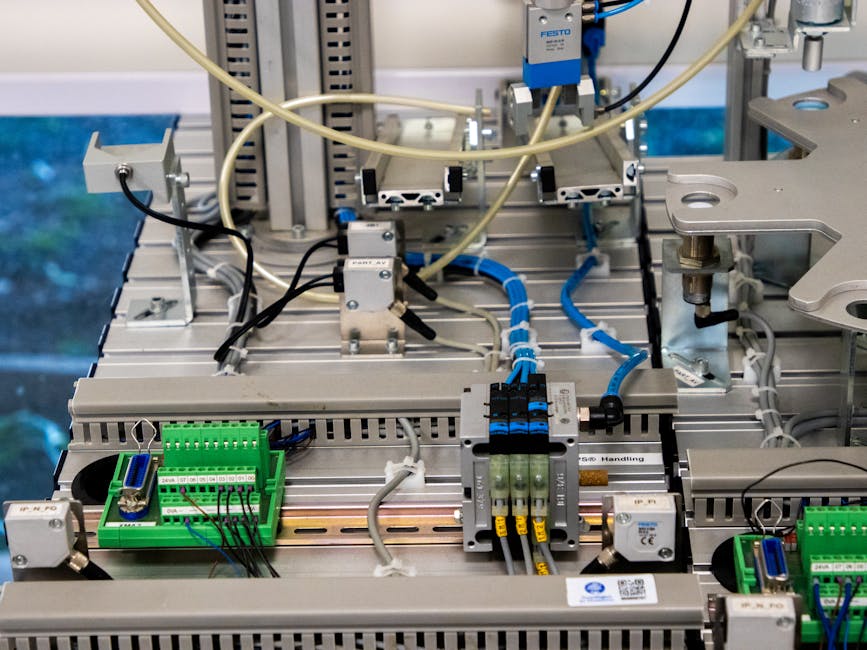
For instance, in a manufacturing plant, PROFIBUS cables are used to connect devices such as sensors, actuators, and controllers, enabling real-time control and monitoring of production processes. In a robotics application, EtherCAT cables are used to connect robots and machines, enabling high-speed motion control and synchronization. The importance of high-speed data cables in such applications cannot be overstated, as highlighted in The Critical Role of High-Speed Data Cables in a Connected World.
When designing an automation control cable system, it’s essential to consider factors such as cable routing, termination, and testing to ensure reliable performance and minimize downtime.
Applications of Automation Control Cables
Automation control cables are used in various industries, including:
- Manufacturing: automotive, aerospace, food processing, and pharmaceuticals
- Robotics: industrial robots, robotic arms, and machine-to-machine communication
- Process control: chemical processing, oil and gas, water and wastewater treatment
- Power generation and distribution: power plants, substations, and grid management
- Water and wastewater treatment: water treatment plants, pumping stations, and distribution systems
- Building automation: HVAC, lighting, and security systems
- Transportation: rail, road, and marine transportation systems
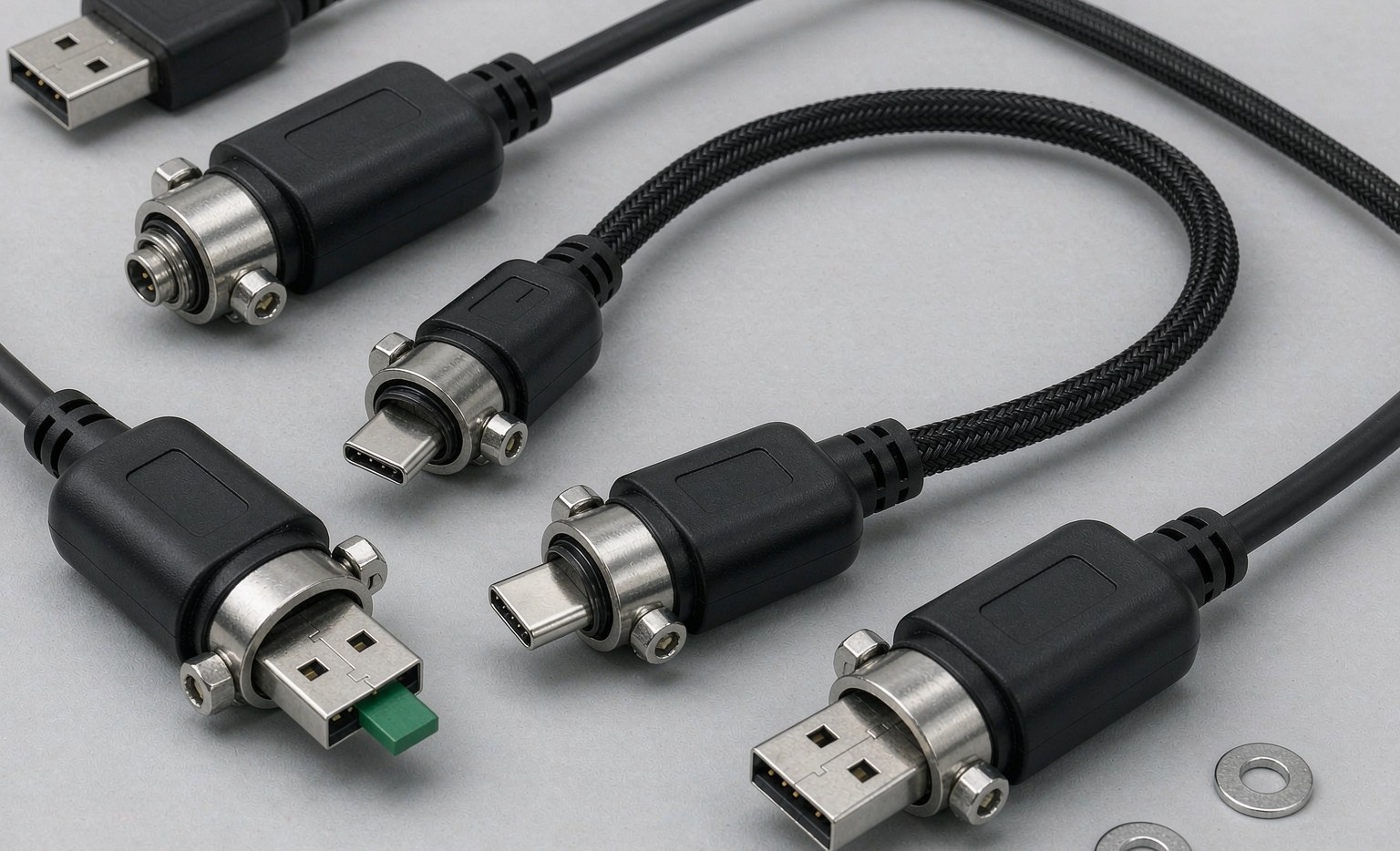
For example, in the automotive industry, automation control cables are used to connect robots and machines on the assembly line, enabling precise control over production processes. In the water treatment industry, these cables are used to connect sensors and control systems, ensuring efficient and safe treatment of water. The use of high-performance industrial USB adapter solutions can also be beneficial in such applications, as discussed in High-Performance Industrial USB Adapter Solutions: Why Longkai is the Trusted Supplier for Global Enterprises.
In addition, automation control cables are used in various applications such as:
- Machine-to-machine communication: enabling communication between machines and devices
- Motion control: enabling precise control over motion systems
- Process monitoring: enabling real-time monitoring of industrial processes
- Industrial networking: enabling communication between devices and systems
- Predictive maintenance: enabling predictive maintenance and reducing downtime
Benefits of Automation Control Cables
The use of automation control cables offers several benefits, including:
- Improved efficiency and productivity through real-time control and monitoring
- Enhanced reliability and reduced downtime through robust cable design and construction
- Increased safety through secure and reliable communication between devices and systems
- Simplified installation and maintenance through flexible and bendable cable designs
- Reduced costs associated with downtime, maintenance, and energy consumption
- Improved product quality through precise control over production processes
By using automation control cables, industries can reduce costs associated with downtime, maintenance, and energy consumption. For instance, a study by a leading automation company found that the use of automation control cables in a manufacturing plant resulted in a 20% reduction in production downtime and a 15% increase in productivity.
Choosing the Right Automation Control Cables
When selecting automation control cables, consider factors such as:
- Cable material and construction: consider factors such as temperature resistance, chemical resistance, and mechanical durability
- Data transmission speed and protocol compatibility: ensure the cable supports the required data transmission speed and protocol
- Environmental resistance and durability: consider factors such as moisture, chemicals, and extreme temperatures
- Shielding and noise reduction features: ensure the cable has adequate shielding to minimize EMI
- Cable length and routing: consider the distance between devices and the routing requirements
- Certifications and compliance: ensure the cable meets industry standards and regulations
To choose the right automation control cable, follow these steps:
- Step 1: Identify the required data transmission speed and protocol
- Step 2: Assess the environmental conditions in which the cable will be installed
- Step 3: Evaluate the cable material and construction
- Step 4: Consider the level of shielding and noise reduction required
- Step 5: Determine the correct cable length and routing
- Step 6: Verify certifications and compliance with industry standards
Installation and Maintenance Best Practices
To ensure optimal performance, follow best practices for installation and maintenance, including:
- Proper cable routing and management: avoid sharp bends, kinks, and pinching
- Secure cable connections and terminations: ensure secure and reliable connections to devices and systems
- Regular inspection and testing: regularly inspect cables for damage and test for signal integrity
- Cable protection: use cable protectors or conduits to protect cables from damage
- Documentation: maintain documentation of cable installation and maintenance
- Training: provide training to personnel on cable installation and maintenance
Some common mistakes to avoid during installation and maintenance include:
- Over-tightening cable ties, which can damage the cable
- Failing to secure cable connections, which can lead to signal loss or interference
- Not testing cables regularly, which can lead to undetected faults
- Using cables in environments that exceed their rated specifications
- Not following manufacturer instructions for installation and maintenance
Frequently Asked Questions (FAQs)
Q: What is the difference between PROFIBUS and PROFINET?
A: PROFIBUS is a fieldbus protocol used for factory automation and process control, while PROFINET is a higher-speed Ethernet-based protocol used for high-speed factory automation and motion control.
Q: How do I determine the correct cable length for my application?
A: To determine the correct cable length, measure the distance between devices and add a few meters for flexibility and routing.
Q: What are the benefits of using shielded cables?
A: Shielded cables minimize electromagnetic interference (EMI) and ensure signal integrity, making them suitable for use in noisy industrial environments.
Q: Can automation control cables be used in harsh environments?
A: Yes, automation control cables are designed to withstand harsh environments, including extreme temperatures, moisture, and chemicals.
Q: How often should I inspect and test my automation control cables?
A: Regular inspection and testing are recommended to ensure optimal performance and detect potential faults. The frequency of inspection and testing depends on the application and environment.
Q: What are the consequences of not following proper installation and maintenance procedures?
A: Failure to follow proper installation and maintenance procedures can lead to reduced cable lifespan, signal loss, and system downtime.