
In the modern industrial landscape, the transition between legacy hardware and next-generation interfaces often hinges on a single, critical component: the USB adapter. While consumer-grade adapters are ubiquitous, they frequently fail in B2B environments due to signal attenuation, poor mechanical durability, or a lack of electromagnetic interference (EMI) shielding. For engineers managing automated production lines or data center technicians integrating new server blades, finding a trusted supplier for these components is essential to maintaining system uptime.
At Longkai Electronics (Lungkay Electronic), we bridge the connectivity gap with industrial-grade precision. Since 2012, our R&D team has focused on developing USB adapter solutions that withstand the rigors of vibration-heavy factory floors and high-interference medical suites. As a vertically integrated manufacturer, we provide factory-direct reliability to global partners including LG, Samsung, and CATL.
The Core Technology: Material Science in Industrial USB Adapters
The internal architecture of an industrial-grade adapter is significantly more complex than standard consumer dongles. To ensure data integrity at speeds of 5Gbps, 10Gbps, or even 40Gbps, every millmeter of the signal path must be optimized.
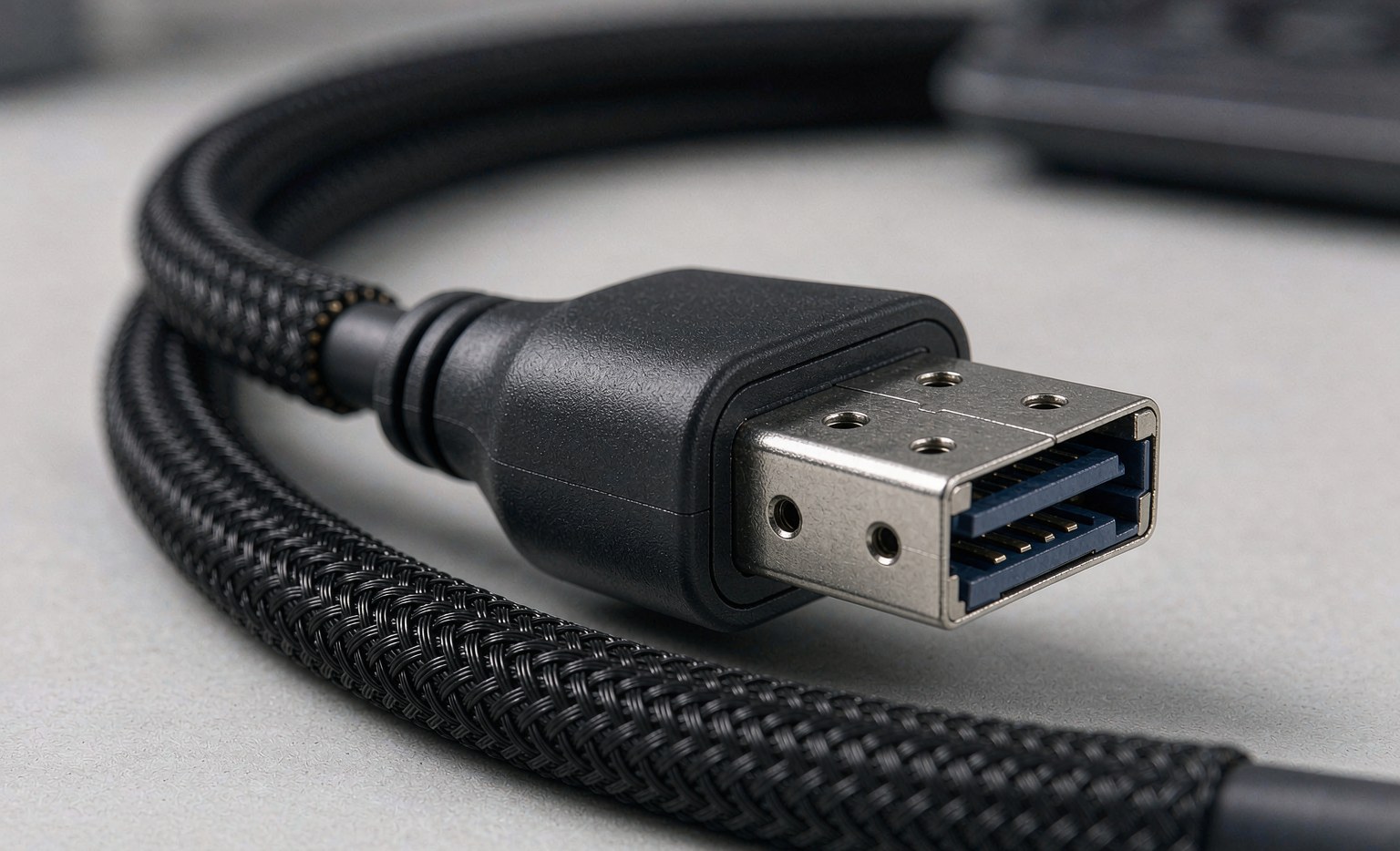
One of the primary challenges in industrial environments is “Signal Jitter” caused by low-quality chipsets and insufficient shielding. Longkai’s USB 3.1 Type-C to Type-A adapters utilize premium controllers that ensure full 10Gbps throughput without packet loss. Furthermore, we employ multi-layer EMI/RFI shielding—combining aluminum foil and high-density tinned copper braiding—to protect sensitive data transfers from the electrical noise generated by industrial motors.
USB Protocol & Performance Comparison Table
| USB Version | Maximum Bandwidth | Power Delivery (Max) | Common Connector Type | Typical Application |
|---|---|---|---|---|
| USB 2.0 | 480 Mbps | 2.5W / 5V | Type-A, Micro-B | Legacy PLC, Keyboards |
| USB 3.0 / 3.1 Gen 1 | 5 Gbps | 4.5W / 5V | Type-A, Type-C | Industrial Cameras, Sensors |
| USB 3.1 Gen 2 | 10 Gbps | 100W (with PD) | Type-C | High-speed Data Transfer |
| USB 4.0 | 40 Gbps | 240W (E-marker) | Type-C | Data Center, 8K Displays |
Key Industry Applications (Where & Why)
USB connectivity has moved beyond the office and into the heart of mission-critical systems. As a trusted supplier, we tailor our solutions for specific B2B use cases.
1. Industrial Automation and Automated Testing
In automated testing rigs, space is often at a premium. A standard straight connector may put undue stress on the device port. Our 90-degree USB 3.0 adapters allow for clean cable routing in tight enclosures, reducing the risk of mechanical failure or port “fatigue” caused by constant cable tension.
2. Automotive Infotainment and Logistics
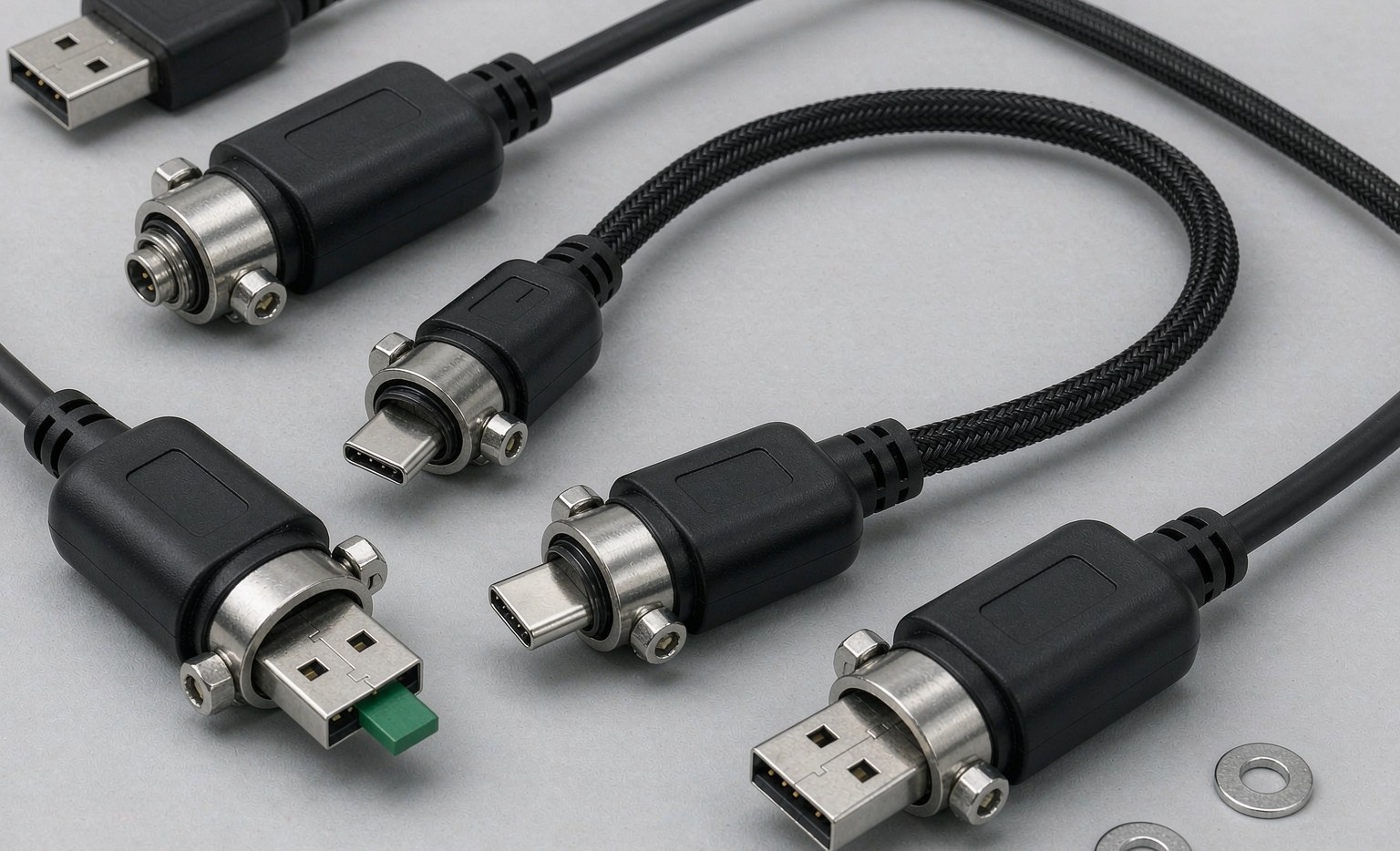
The modern automotive sector requires seamless integration between handheld devices and vehicle systems. Our Nylon Braided OTG adapters are designed with high-flex materials to withstand the temperature fluctuations and vibrations of a moving vehicle. This ensures that field personnel can sync diagnostic data reliably from mobile devices to on-board computers.
3. Data Centers and Server Infrastructure
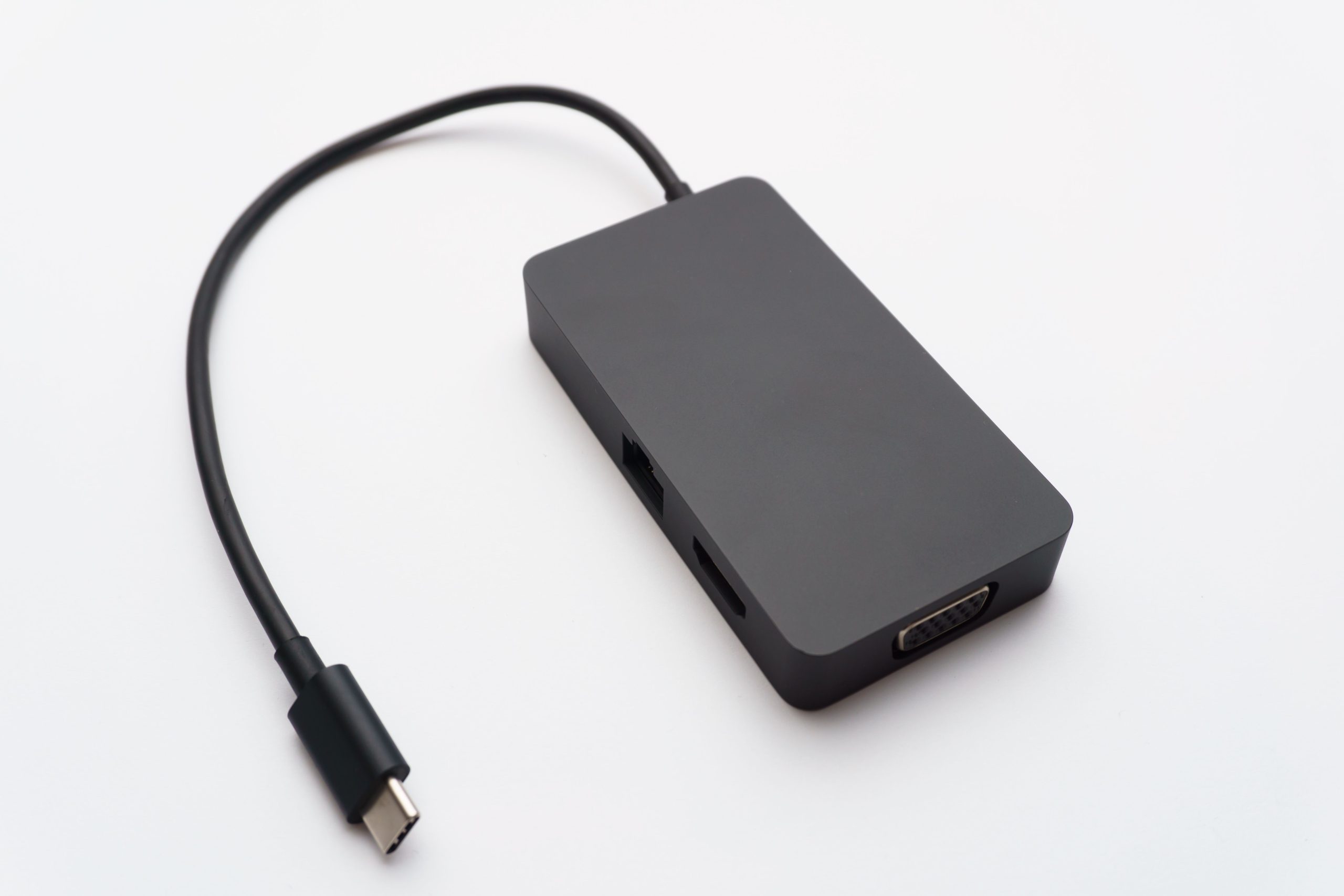
When upgrading server nodes, technicians often need to bridge Type-C peripherals with legacy Type-A ports. Longkai’s USB-C to USB-A OTG solutions facilitate high-speed firmware updates and diagnostics, ensuring that hardware transitions do not result in connectivity bottlenecks.
Technical Standards & Certifications
For B2B procurement, certifications are the only proof of a manufacturer’s expertise. Longkai Electronics operates under a rigorous quality management framework to maintain its status as a trusted supplier:
- ISO 9001:2015: Guarantees standardized production processes and strict quality control at every stage.
- CE & FCC: Ensures compliance with international electromagnetic compatibility (EMC) and safety standards.
- ISO 14001: Demonstrates our commitment to environmental responsibility in our production of USB 4.0 and consumer cable technologies.
- REACH & RoHS: Every USB adapter we produce is free from hazardous materials, meeting global regulatory requirements for industrial sales.
B2B Procurement Guide: How to Choose the Right USB Adapter
Procuring adapters at scale requires looking past the surface-level aesthetics. Here are the technical factors engineers use to evaluate hardware:
Housing Material and Durability
In factory environments, plastic housings can crack or melt. Zinc alloy or aluminum housings provide better heat dissipation and structural integrity. For applications involving high movement, look for reinforced SR (Strain Relief) designs that can handle thousands of bend cycles.
Chipset Integrity and OTG Support
An adapter is more than just wire. For host-to-peripheral communication, the adapter must correctly support the On-The-Go (OTG) protocol. Ensure your supplier provides adapters with high-quality PCB boards that maintain impedance matching to prevent signal reflection.
Connector Plating
To prevent oxidation in humid or chemically-active industrial environments, 30μ” gold plating is the industry standard. This ensures a stable, low-resistance connection even after multiple insertion cycles.
Why Partner with Longkai Electronics?
Established in 2012, Longkai Electronics (Lungkay Electronic) is a manufacturing enterprise that integrates R&D, production, and sales. Our core philosophy—”Quality First, Integrity-Based”—has allowed us to scale from a specialized factory to a global provider of industrial interconnect solutions.
What makes us a trusted supplier?
- OEM/ODM Excellence: We don’t just sell off-the-shelf parts; we design custom solutions tailored to your machinery’s specific electrical and mechanical requirements.
- Direct Factory Control: By managing our own ISO-certified facility, we eliminate the instability of third-party outsourcing, providing our B2B clients with consistent lead times and quality.
- Global Trust: With a portfolio of over 100 established brand partners like Bayer and Liteon, our products are proven in the world’s most demanding sectors.
Optimize your hardware interface today. Contact our engineering team for a technical consultation or a quote on bulk industrial orders. Explore our full USB Adapter and Converter range here.
Frequently Asked Questions (FAQ)
What is the difference between a passive and active USB adapter?
A passive adapter simply maps the pins from one connector to another. An active adapter, like our high-speed USB-C converters, contains an integrated circuit (IC) to handle signal equalization, protocol translation, or power delivery negotiation. For high-speed industrial data transfer, active adapters are often required to maintain signal integrity over the connection.
Are your USB adapters compatible with USB3 Vision standards?
Yes. Our industrial-grade adapters are designed to meet the electrical requirements of the USB3 Vision protocol, ensuring they can be used with high-resolution industrial cameras without dropped frames, provided they are paired with appropriate shielded cables.
Do you support custom branding (OEM) for USB adapter orders?
As a trusted supplier with a dedicated R&D department, we offer full OEM services. This includes custom molding, laser-etched branding, and specialized electrical configurations for large-volume B2B orders.
Can your OTG adapters be used for high-speed external drive connectivity?
Absolutely. Our Type-C 3.0 OTG adapters support up to 5Gbps, making them ideal for connecting external SSDs to mobile tablets or embedded industrial PCs for high-speed data logging.