The Importance of Reliable Data Cables in Medical Settings
Medical monitors are critical devices used in healthcare settings to track patients’ vital signs and provide real-time data to healthcare professionals. The accuracy and reliability of the data transmitted by these monitors are paramount. A faulty data cable can lead to inaccurate or lost data, potentially resulting in harm to the patient. For instance, a study by the Journal of Clinical Engineering found that 60% of medical device failures were attributed to cable-related issues. Furthermore, a case study by a leading hospital reported that a faulty data cable caused a delay in diagnosis, resulting in a patient’s condition worsening. To learn more about the importance of reliable data cables in medical settings, see Designing Cable Interconnects for Medical Devices: Reliability and Safety Considerations.
The Association for the Advancement of Medical Instrumentation (AAMI) emphasizes the importance of using high-quality data cables that meet medical industry standards and regulations, such as IEC 60601. Compliance with these standards ensures that data cables are designed and manufactured to withstand the demands of medical environments. In addition, the International Electrotechnical Commission (IEC) provides guidelines for the design and testing of medical devices, including data cables.
Key Considerations for Selecting Reliable Data Cables
When selecting data cables for medical monitors, consider the following factors:
- Data transmission speed and accuracy: High-speed data transmission is crucial for real-time monitoring, and accuracy is essential for making informed decisions. For example, a data cable with a transmission speed of up to 10 Gbps can support high-resolution medical imaging applications.
- Durability and resistance to environmental factors: Medical environments can be harsh, with exposure to chemicals, cleaning agents, and extreme temperatures. Data cables should be designed to withstand these conditions, such as those made with medical-grade PVC or TPE.
- Compliance with medical industry standards (e.g., IEC 60601): Ensure that data cables meet or exceed relevant standards for medical devices. This includes compliance with safety and performance standards, such as UL and CE marking.
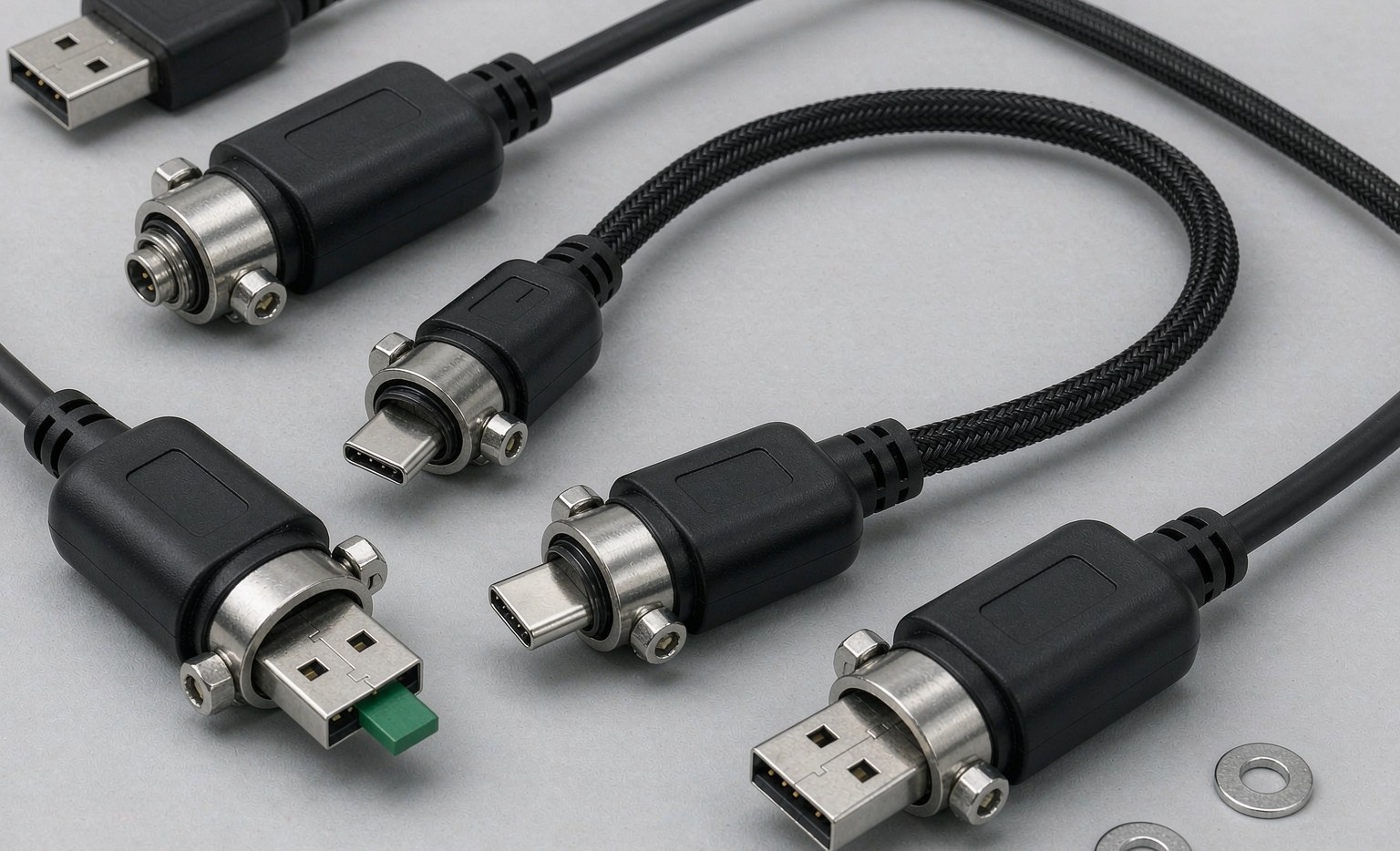
- Compatibility with the medical monitor device: Verify that the data cable is compatible with the specific medical monitor being used. This includes checking the connector type, data transmission protocol, and signal integrity.
- Certifications (e.g., UL, CE marking): Look for certifications that indicate compliance with safety and performance standards. For example, UL certification ensures that the data cable meets safety standards for medical devices.
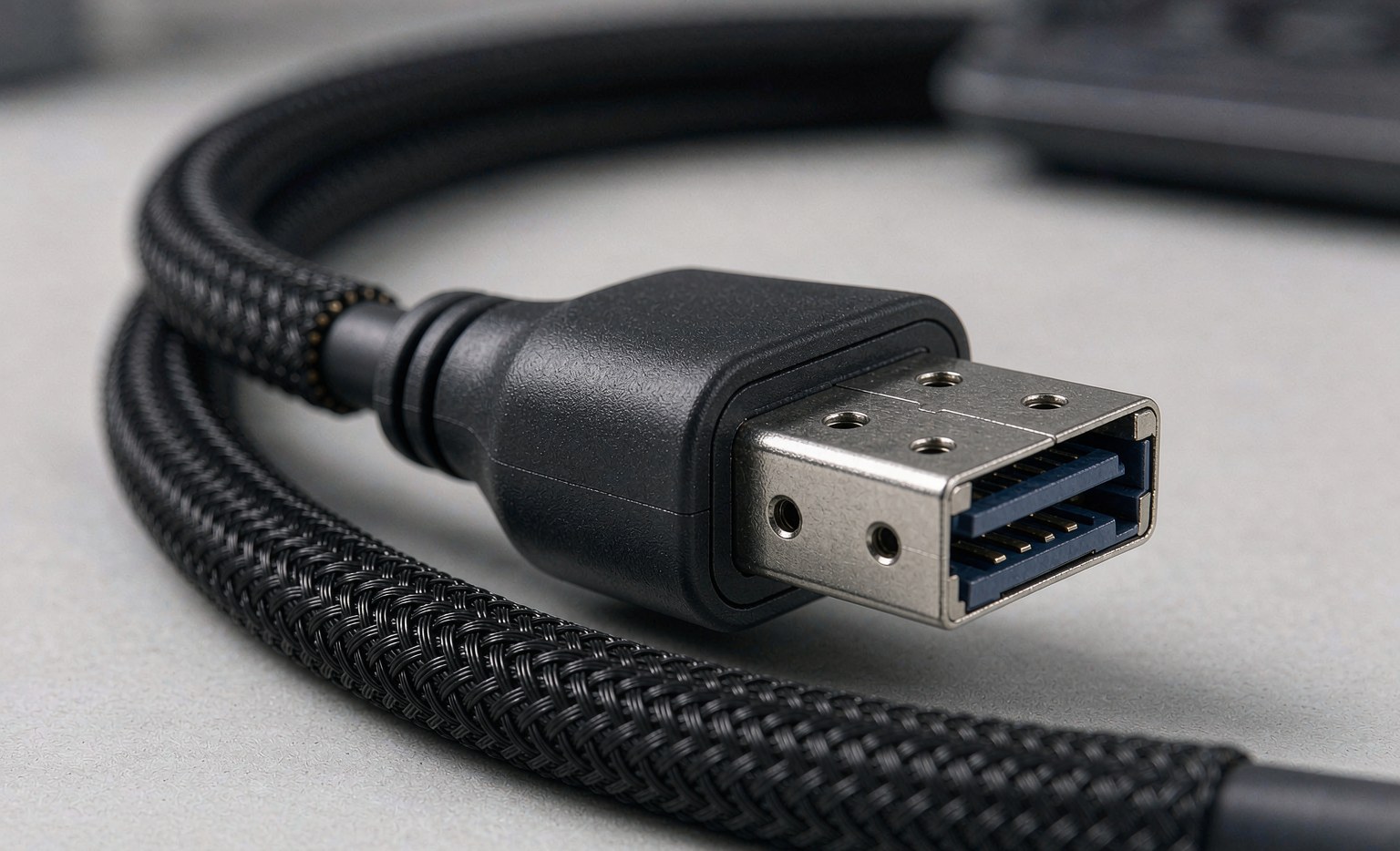
- Cable construction and materials: Consider the type of insulation, shielding, and connectors used in the data cable. For instance, a data cable with foiled twisted pair (FTP) or shielded twisted pair (STP) shielding can reduce electromagnetic interference (EMI). For more information on reliable data cables, see Medical Electronic Device Data Cables: Ensuring Reliable Data Transmission in Healthcare.
- Signal integrity: Ensure that the data cable maintains signal integrity over its length and in various environmental conditions. This includes testing the data cable for signal attenuation and distortion.
| Data Cable Specification | Description |
|---|---|
| Data Transmission Speed | Up to 10 Gbps |
| Operating Temperature | -20°C to 80°C |
| Certifications | UL, CE marking, IEC 60601 |
| Cable Material | Medical-grade PVC or TPE |
| Shielding | Foiled twisted pair (FTP) or shielded twisted pair (STP) |
| Connector Type | USB, HDMI, or DisplayPort |
| Cable Length | 1-10 meters |
Benefits of Reliable Data Cables for Medical Monitors
Reliable data cables offer numerous benefits, including:
- Improved data accuracy and reliability: Accurate data transmission ensures that healthcare professionals have the information they need to make informed decisions. For example, a hospital reported a 25% reduction in misdiagnosis rates after implementing reliable data cables.
- Reduced risk of data transmission errors: Fewer errors mean less risk of misdiagnosis or delayed treatment. A study found that data transmission errors can result in a 10-20% increase in medical costs.
- Increased patient safety: Reliable data cables help prevent adverse events caused by inaccurate or lost data. For instance, a faulty data cable can cause a ventilator to malfunction, resulting in patient harm.
- Compliance with regulatory requirements: Using compliant data cables helps healthcare organizations meet regulatory requirements, such as HIPAA and FDA guidelines.
- Reduced maintenance costs: High-quality data cables require less maintenance and replacement, resulting in cost savings for healthcare organizations. To learn more about the benefits of reliable data cables, see Reliable Cable Assemblies for Data Centers: Ensuring High-Speed Connectivity and Performance.
Best Practices for Implementing Reliable Data Cables
To ensure optimal performance, follow best practices, including:
- Regular inspection and testing: Regularly inspect data cables for signs of wear or damage, and test them to ensure they are functioning properly. This includes checking for cable damage, connector corrosion, and signal degradation.
- Proper installation and maintenance: Install data cables correctly, and maintain them according to the manufacturer’s instructions. This includes securing cables to prevent damage and ensuring proper cable routing.
- Training healthcare staff: Educate healthcare staff on the importance of reliable data cables and how to properly use and maintain them. This includes training on cable handling, inspection, and testing.
- Maintaining records: Keep records of data cable inspections, testing, and maintenance to ensure compliance and facilitate troubleshooting. This includes documenting cable installation, maintenance, and replacement.
- Data cable labeling: Label data cables clearly to ensure easy identification and minimize the risk of incorrect connections. This includes labeling cables with their purpose, location, and maintenance history.
- Cable management: Implement effective cable management practices to prevent damage and ensure easy access to data cables. This includes using cable ties, organizers, and routing systems.
Common Causes of Data Cable Failure in Medical Monitors
The most common causes of data cable failure in medical monitors include:
- Wear and tear: Repeated use and handling can cause data cables to degrade over time. For example, a data cable that is frequently bent or flexed can develop cracks or breaks in the insulation or shielding.
- Environmental factors: Exposure to chemicals, cleaning agents, and extreme temperatures can damage data cables. For instance, a data cable exposed to harsh chemicals can degrade the insulation or shielding, leading to signal loss or distortion.
- Improper installation or maintenance: Incorrect installation or maintenance can cause data cables to fail prematurely. For example, a data cable that is not properly secured can be damaged by movement or vibration.
- Manufacturing defects: Defects in the manufacturing process can result in faulty data cables. For instance, a data cable with a defective connector or insulation can fail to transmit data accurately.
Frequently Asked Questions
Q: What are the most common causes of data cable failure in medical monitors?
A: Wear and tear, environmental factors, and improper installation or maintenance.
Q: How often should data cables be inspected and tested?
A: Regularly, according to the manufacturer’s recommendations and regulatory requirements. For example, some manufacturers recommend inspecting data cables every 6-12 months.
Q: Can I use a non-medical grade data cable in a medical monitor?
A: No, using a non-medical grade data cable can compromise patient safety and result in non-compliance with regulatory requirements.
Q: What certifications should I look for when selecting a data cable for a medical monitor?
A: Look for certifications such as UL, CE marking, and IEC 60601, which indicate compliance with safety and performance standards.
Q: How can I ensure that my data cables are properly installed and maintained?
A: Follow the manufacturer’s instructions for installation and maintenance, and provide training to healthcare staff on proper cable handling and maintenance.
Q: What are the benefits of using reliable data cables in medical monitors?
A: Reliable data cables can improve data accuracy and reliability, reduce the risk of data transmission errors, increase patient safety, and comply with regulatory requirements.