Understanding Cable Harness Manufacturing
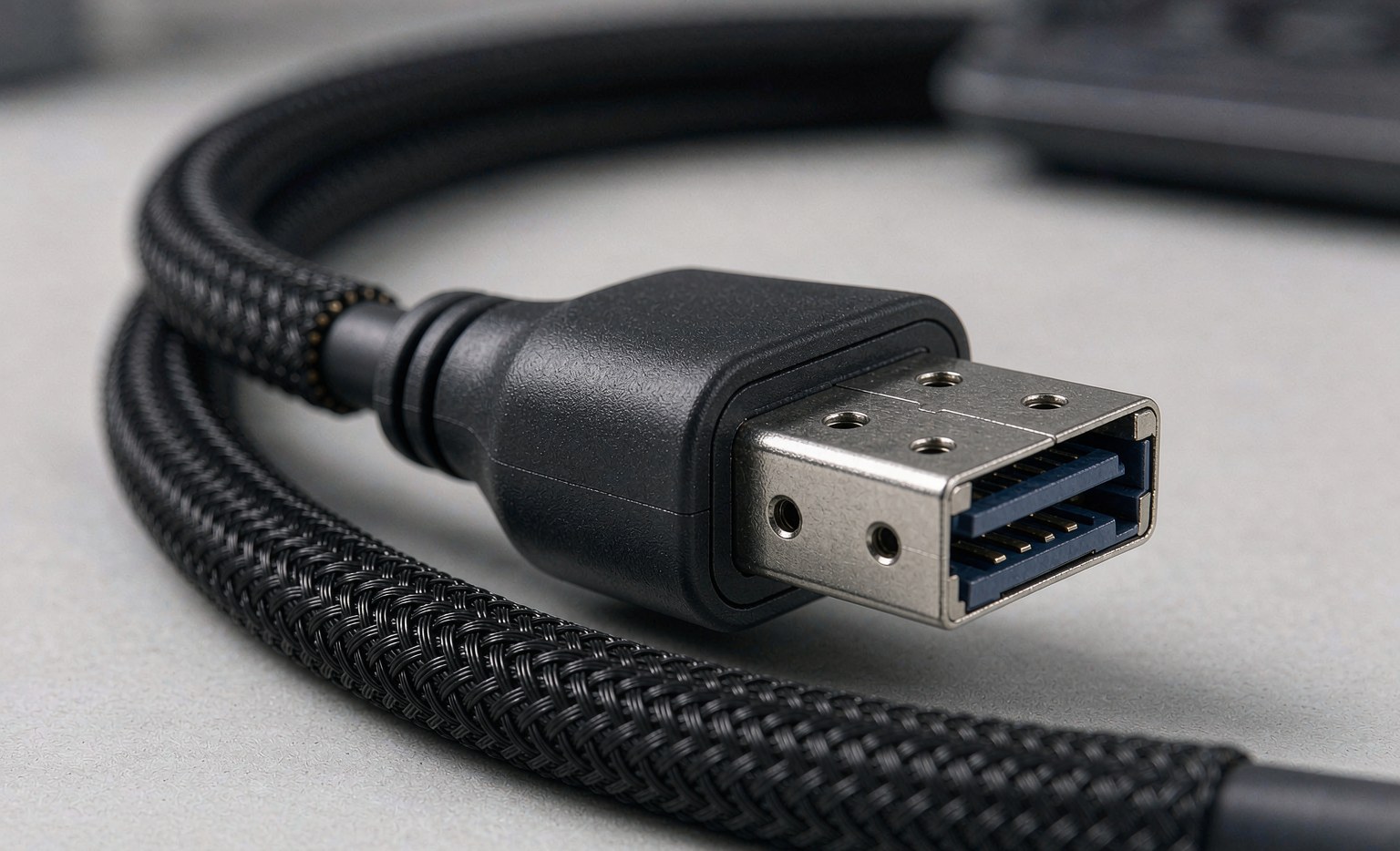
Cable harness manufacturing involves the design, production, and testing of cable assemblies crucial for various applications. A well-designed cable harness simplifies installation, reduces errors, and improves system reliability. For instance, in the automotive industry, a cable harness can connect various electrical components such as sensors, actuators, and control units, ensuring smooth vehicle operation. In the aerospace industry, cable harnesses are used in aircraft systems, requiring high reliability and durability. To learn more about the intricacies of cable harness manufacturing, read The Quality Equation: Inside the High-Stakes World of Precision Cable Manufacturing.
Professional manufacturers adhere to strict quality standards, selecting appropriate materials, designing to meet specific requirements, and testing for environmental conditions like temperature, vibration, and moisture. They also consider factors such as durability, flexibility, and environmental resistance when designing and producing cable harnesses. To achieve this, manufacturers use advanced tools and techniques, such as computer-aided design (CAD) software and simulation tools, to optimize cable harness design and performance.
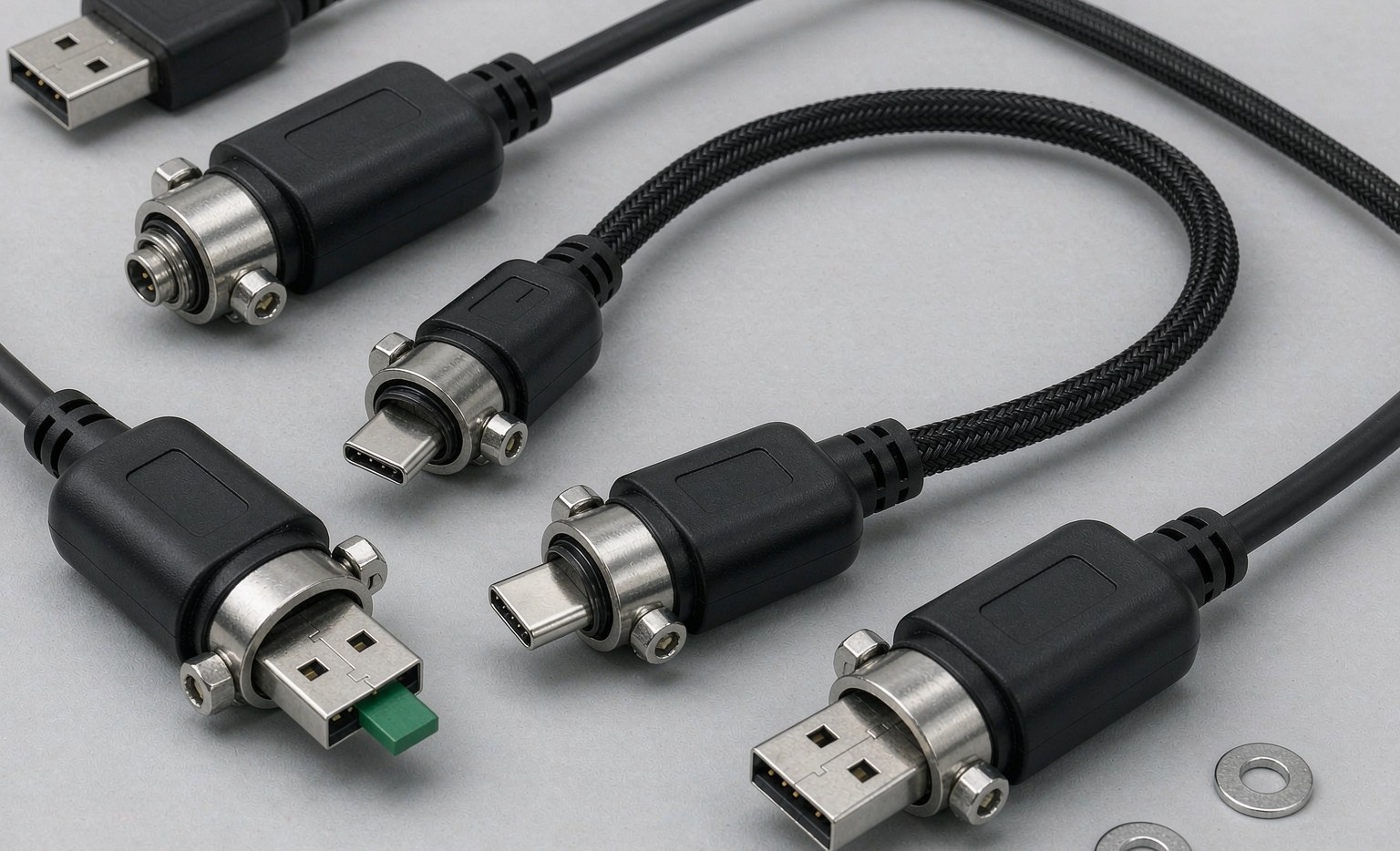
- Designing the cable harness to meet application requirements, including considerations for wire gauge, type, and routing. For example, using shielded cables to minimize electromagnetic interference (EMI) in sensitive applications, such as in the M Series Waterproof Wiring Harness: M8 4P female connector – RJ45 8P4C cable.
- Selecting materials that meet specifications, such as insulation type and connector compatibility. For instance, using Teflon insulation for high-temperature applications.
- Prototyping and testing to validate performance, including environmental testing and simulation. This step ensures that the cable harness can withstand the intended operating environment.
- Conducting environmental testing, such as temperature cycling, vibration testing, and moisture exposure. These tests help identify potential weaknesses in the cable harness design.
- Validating cable harness performance through electrical testing, including continuity and insulation resistance testing. This ensures that the cable harness meets the required electrical specifications.
Key Considerations in Cable Harness Design
- Material selection: durability, flexibility, and environmental resistance, such as using PVC or Teflon insulation. The choice of material depends on the application requirements and environmental conditions.
- Design for manufacturability: optimizing production efficiency by simplifying assembly and reducing labor costs. This involves designing the cable harness with production constraints in mind.
- Compliance with industry standards: safety and environmental impact, such as meeting UL or ISO standards. Manufacturers must ensure that their cable harnesses comply with relevant industry regulations, similar to the D-SUB wiring harness: D-SUB 25P male-to-female connection cable which adheres to specific industry standards.
- Wire gauge and type: based on application requirements, such as using shielded or twisted-pair cables. The wire gauge and type are critical in ensuring reliable signal transmission.
- Cable routing and management: minimizing damage risk through proper cable ties and strain relief. Effective cable management is essential in preventing damage to the cable harness.
- Connector selection: ensuring reliable connectivity through compatible connectors and proper mating. The choice of connector depends on the application requirements and environmental conditions.
- Shielding and grounding: minimizing electromagnetic interference through proper shielding and grounding techniques. Shielding and grounding are critical in ensuring reliable signal transmission.
- Labeling and identification: ensuring easy identification and maintenance through clear labeling and documentation. Proper labeling and documentation facilitate maintenance and troubleshooting.
| Industry | Typical Requirements |
|---|---|
| Automotive | Temperature resistance, vibration resistance, and high-current handling. For example, cable harnesses used in electric vehicles require high-current handling and temperature resistance. |
| Aerospace | High-temperature resistance, radiation resistance, and high-reliability connectors. Aerospace applications require cable harnesses that can withstand extreme temperatures and radiation. |
| Medical Devices | Biocompatibility, sterilizability, and high-reliability connectors. Medical devices require cable harnesses that are biocompatible and can withstand sterilization processes. |
| Industrial Automation | Durability, resistance to chemicals and abrasion, and high-temperature resistance. Industrial automation applications require cable harnesses that can withstand harsh environments. |
| Consumer Electronics | Flexibility, miniaturization, and high-speed data transmission. Consumer electronics require cable harnesses that are compact, flexible, and capable of high-speed data transmission. |
The Manufacturing Process
The manufacturing process involves several key steps, including wire cutting, stripping, crimping, assembly, testing, and quality control. Manufacturers use advanced machinery and equipment, such as automated wire cutting machines and crimping machines, to ensure precision and consistency.
- Wire cutting: using automated machines to precision-cut wires to required lengths. Wire cutting is a critical step in ensuring that the cable harness meets the required specifications.
- Wire stripping: using wire stripping machines to remove insulation and expose conductors. Wire stripping is essential in preparing the wires for crimping or soldering.
- Crimping: using crimping machines to securely attach connectors to wires. Crimping is a critical step in ensuring reliable connectivity.
- Assembly: routing wires and securing with cable ties, strain relief, and other fastening methods. Assembly involves carefully routing the wires and securing them to prevent damage.
- Testing: electrical, environmental, and visual inspections to validate performance and detect defects. Testing is essential in ensuring that the cable harness meets the required specifications.
- Quality control: implementing quality control measures, such as inspection and testing, to ensure high-quality products. Quality control is critical in preventing defects and ensuring customer satisfaction.
Applications of Cable Harnesses
Cable harnesses are used in a wide range of industries, including automotive, aerospace, industrial automation, medical devices, and consumer electronics. Each industry has its unique requirements and challenges, and manufacturers must tailor their designs and manufacturing processes accordingly.
- Automotive: connecting electrical components, such as sensors, actuators, and control units. Automotive applications require cable harnesses that can withstand temperature fluctuations, vibration, and high currents.
- Aerospace: aircraft systems requiring reliability and durability, such as flight control systems and navigation systems. Aerospace applications require cable harnesses that can withstand extreme temperatures, radiation, and vibration.
- Industrial automation: connecting machinery and equipment, such as motors, drives, and control systems. Industrial automation applications require cable harnesses that can withstand harsh environments and heavy use.
- Medical devices: patient monitoring systems, diagnostic equipment, and other medical devices requiring high-reliability connectivity. Medical devices require cable harnesses that are biocompatible and can withstand sterilization processes.
- Consumer electronics: connecting components in devices such as smartphones, laptops, and televisions. Consumer electronics require cable harnesses that are compact, flexible, and capable of high-speed data transmission.
Benefits of Professional Cable Harness Manufacturing
- Reliability: reducing failures and downtime through high-quality design and manufacturing. Professional manufacturers ensure that their cable harnesses meet the required specifications and are reliable in operation.
- Efficiency: improving system efficiency through optimized cable routing and reduced signal degradation. Professional manufacturers optimize cable harness design to minimize signal degradation and improve system performance.
- Compliance: meeting industry standards and regulations, such as UL or ISO standards. Professional manufacturers ensure that their cable harnesses comply with relevant industry regulations.
- Cost savings: minimizing waste and optimizing production through efficient design and manufacturing. Professional manufacturers optimize their manufacturing processes to minimize waste and reduce costs.
- Improved performance: reducing signal degradation and improving system performance through proper shielding and grounding. Professional manufacturers ensure that their cable harnesses are designed to minimize signal degradation and improve system performance.
- Reduced maintenance: minimizing failures and downtime through high-quality design and manufacturing. Professional manufacturers ensure that their cable harnesses are reliable and require minimal maintenance.
- Customization: providing customized solutions to meet specific application requirements. Professional manufacturers work with customers to understand their specific requirements and provide customized solutions.
Frequently Asked Questions
- Q: What is the typical lead time for a custom cable harness?
- A: The lead time varies depending on the complexity of the design and the quantity required, but typically ranges from 2-6 weeks. Factors such as design complexity, material availability, and production capacity can influence lead time.
- Q: What materials are commonly used in cable harness manufacturing?
- A: Common materials include copper, PVC, Teflon, and various connector types. The choice of material depends on the application requirements and environmental conditions.
- Q: Can cable harnesses be designed for high-temperature applications?
- A: Yes, cable harnesses can be designed to withstand high temperatures using specialized materials and design techniques. For example, using Teflon insulation and high-temperature connectors.
- Q: How do I ensure the quality of a cable harness?
- A: Ensure quality by working with a reputable manufacturer, specifying clear requirements, and implementing quality control measures. This includes inspecting the cable harness for defects and testing its performance.
- Q: What is the importance of shielding in cable harnesses?
- A: Shielding is critical in minimizing electromagnetic interference (EMI) and ensuring reliable signal transmission. Proper shielding and grounding techniques are essential in preventing signal degradation.
- Q: Can cable harnesses be customized for specific applications?
- A: Yes, professional manufacturers can provide customized solutions to meet specific application requirements. This includes designing and manufacturing cable harnesses that meet unique customer needs.