Precision Control Cables for Industrial Automation
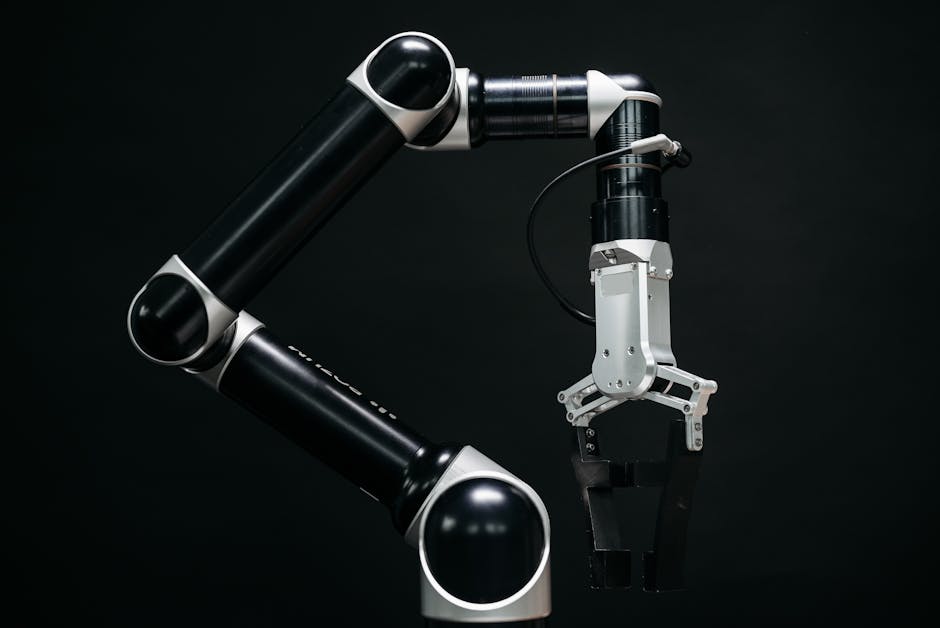
Precision control cables play a crucial role in industrial automation, enabling the efficient and reliable transmission of signals and power between various components and systems. As industrial automation continues to evolve, the demand for high-quality, precision control cables is increasing. With the rise of Industry 4.0 and the growing need for smart manufacturing, precision control cables are becoming increasingly important for ensuring the smooth operation of industrial automation systems. For more information on industrial automation cable solutions, see Industrial Automation Cable Solutions: Enhancing Efficiency and Reliability.
The importance of precision control cables cannot be overstated. They are used in a wide range of applications, including robotics, process control, and machine vision. In these applications, precision control cables must be able to withstand harsh environments, including high temperatures, corrosive chemicals, and mechanical stress. For instance, in the automotive industry, precision control cables are used in robotic assembly lines, where they are subject to high temperatures, vibrations, and mechanical stress.
Design Considerations for Precision Control Cables
The design of precision control cables involves several key considerations:
- Material selection: Choosing materials for conductors, insulation, and jacketing that ensure optimal performance and reliability. For example, copper is often used for conductors due to its high conductivity, while PVC or Teflon may be used for insulation due to their resistance to chemicals and abrasion. Other materials, such as XLPE or TPE, may also be used for their high-temperature resistance or flexibility. The choice of material will depend on the specific application requirements.
- Cable construction: The number and arrangement of conductors impact performance and durability. For instance, twisted pair cables can help reduce electromagnetic interference (EMI), while coaxial cables provide high-bandwidth signal transmission. Multi-conductor cables can also be used to transmit multiple signals or power lines in a single cable. The cable construction should be designed to meet the specific requirements of the application. For more information on cable construction, see Cable Selection for Industrial Automation Systems: Key Considerations and Best Practices.
- Shielding and protection: Measures to minimize electromagnetic interference (EMI) and ensure reliable signal transmission. Shielding types include foil shielding, braided shielding, and combinations of both. The choice of shielding type depends on the application requirements and the level of EMI protection needed. For example, in applications where high-frequency signals are transmitted, braided shielding may be used to provide effective EMI protection.
- Flexibility and bend radius: Critical in applications where cables are subject to frequent bending or twisting. Cables with high flexibility and a small bend radius can help reduce the risk of damage and signal degradation. For example, cables with a small bend radius can be used in robotic applications where cables are subject to frequent bending.
- Environmental factors: Temperature, humidity, and exposure to chemicals or abrasion. Cables must be designed to withstand the environmental conditions of the application, such as high temperatures or corrosive chemicals. For example, cables used in chemical processing plants must be resistant to corrosive chemicals, while cables used in high-temperature applications must be able to withstand extreme temperatures.
| Cable Type | Conductor Material | Shielding Type | Application Example |
|---|---|---|---|
| Twisted Pair | Copper | Foil Shielding | Industrial control systems, robotics |
| Coaxial | Silver-plated Copper | Braided Shielding | High-speed data transmission, video surveillance |
| Multi-conductor | Tinned Copper | Foil and Braided Shielding | Industrial automation, process control |
| Hybrid | Copper and Fiber Optic | Foil and Braided Shielding | Industrial automation, machine vision |
| High-Temperature | Copper | Foil Shielding | High-temperature applications, such as furnace control |
| Chemical-Resistant | Tinned Copper | Braided Shielding | Chemical processing plants, oil and gas industry |
To design precision control cables, follow these steps:
- Define the application requirements, including signal and power transmission needs.
- Select the appropriate materials for conductors, insulation, and jacketing.
- Determine the cable construction, including the number and arrangement of conductors.
- Choose the shielding type and protection measures.
- Test and validate the cable design to ensure it meets the application requirements.
- Consider factors such as cost, manufacturability, and lead time when designing the cable.
- Consult with cable manufacturers or industry experts to ensure the design meets industry standards and best practices.
Some common design mistakes to avoid include:
- Underestimating the environmental conditions of the application.
- Failing to consider the signal and power transmission requirements.
- Not selecting the appropriate materials for the application.
- Not testing and validating the cable design.
- Not considering the long-term reliability and maintenance requirements of the cable.
Selecting the Right Precision Control Cables
Key considerations include application requirements, cable specifications, environmental factors, and certifications.
- Understanding signal and power transmission needs. For example, high-speed data transmission requires cables with high-bandwidth and low signal attenuation.
- Reviewing cable specifications, including conductor size, insulation type, and shielding.
- Considering environmental factors, such as temperature, humidity, and exposure to chemicals or abrasion.
- Ensuring compliance with relevant standards and certifications, such as UL or CE.
- Evaluating the manufacturer’s reputation and experience in producing precision control cables.
- Requesting samples or prototypes to test and validate the cable performance.
When selecting precision control cables, ask the following questions:
- What are the signal and power transmission requirements?
- What are the environmental conditions of the application?
- What are the relevant standards and certifications?
- What is the expected lifespan of the cable?
- What is the manufacturer’s warranty and support?
- Can the cable be customized to meet specific application requirements?
Best Practices for Installation and Maintenance
Proper installation and maintenance are critical for optimal performance and reliability. For more information on optimizing industrial automation cable routing, see Optimizing Industrial Automation Cable Routing for Efficiency and Reliability.
- Cable routing and protection. Cables should be routed to minimize exposure to environmental stressors and protected from damage using cable ties, conduit, or other protective measures.
- Regular inspection and maintenance. Cables should be regularly inspected for signs of damage or wear, and maintained or replaced as needed.
- Labeling and documentation. Cables should be labeled and documented to ensure easy identification and maintenance.
- Training personnel on proper installation and maintenance procedures.
- Using cable management systems to organize and protect cables.


To ensure reliable operation, follow these installation and maintenance best practices:
- Use cable ties or other securing measures to prevent cable movement or vibration.
- Avoid over-bending or twisting cables.
- Keep cables away from sources of heat, moisture, or chemicals.
- Regularly inspect cables for signs of damage or wear.
- Use cable management systems to organize and protect cables.
- Document cable installation and maintenance activities.
Frequently Asked Questions
- Q: What are key factors in selecting precision control cables?
- A: Application requirements, cable specifications, and environmental factors.
- Q: How can I ensure reliability and longevity?
- A: Proper installation, maintenance, and regular inspection.
- Q: What are the benefits of using precision control cables?
- A: Improved signal transmission, increased reliability, and reduced maintenance costs.
- Q: Can precision control cables be used in harsh environments?
- A: Yes, precision control cables can be designed to withstand harsh environments, such as high temperatures or corrosive chemicals.
- Q: How do I determine the correct cable size for my application?
- A: Consider the signal and power transmission requirements, as well as the environmental conditions of the application.
- Q: What is the difference between shielded and unshielded cables?
- A: Shielded cables provide EMI protection, while unshielded cables do not.
- Q: Can precision control cables be customized for specific applications?
- A: Yes, many manufacturers offer custom cable design and manufacturing services.
- Q: What are the most common types of precision control cables?
- A: Twisted pair, coaxial, multi-conductor, and hybrid cables are commonly used in industrial automation applications.
- Q: How do I ensure compliance with industry standards and regulations?
- A: Consult with cable manufacturers or industry experts to ensure compliance with relevant standards and certifications.