Data Center Cabling Solutions: Enhancing Efficiency and Reliability
Understanding Data Center Cabling Solutions
Data center cabling solutions are critical infrastructure components that enable high-speed data transmission and reliable connectivity within data centers. As data centers continue to grow in complexity and scale, the demand for efficient and reliable cabling solutions has never been more pressing. The cabling infrastructure is the backbone of a data center, supporting the flow of data between servers, storage systems, and network equipment.
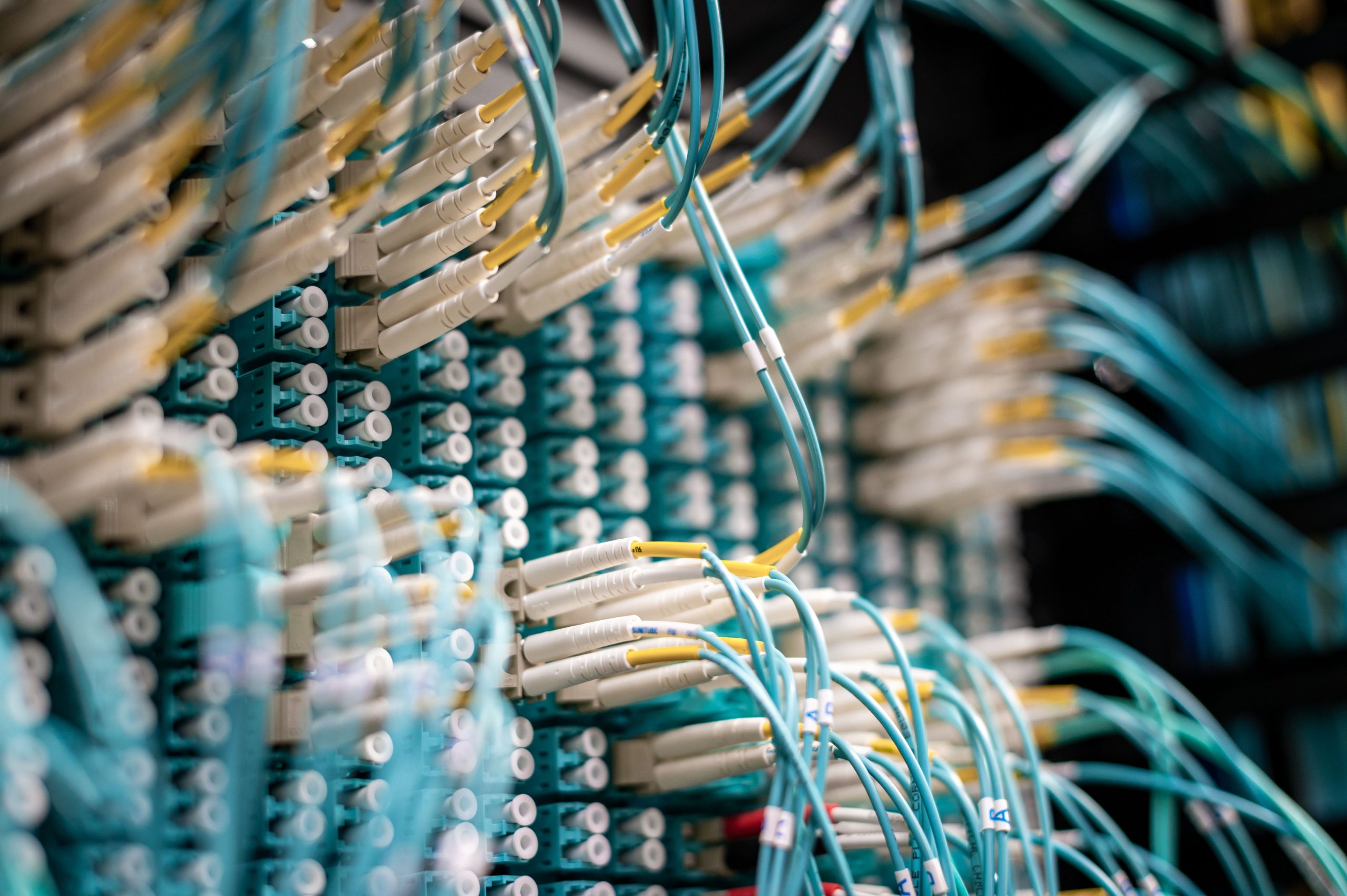
- High-density connectivity solutions that enable efficient use of data center space, such as high-density patch panels and cable management systems. For example, a high-density patch panel can support up to 48 ports in a 1U rack space, making it ideal for data centers with limited rack space. Check out The Data Center’s Dilemma: How High-Density Connectivity is Solving the Ultimate Scaling Challenge for more information.
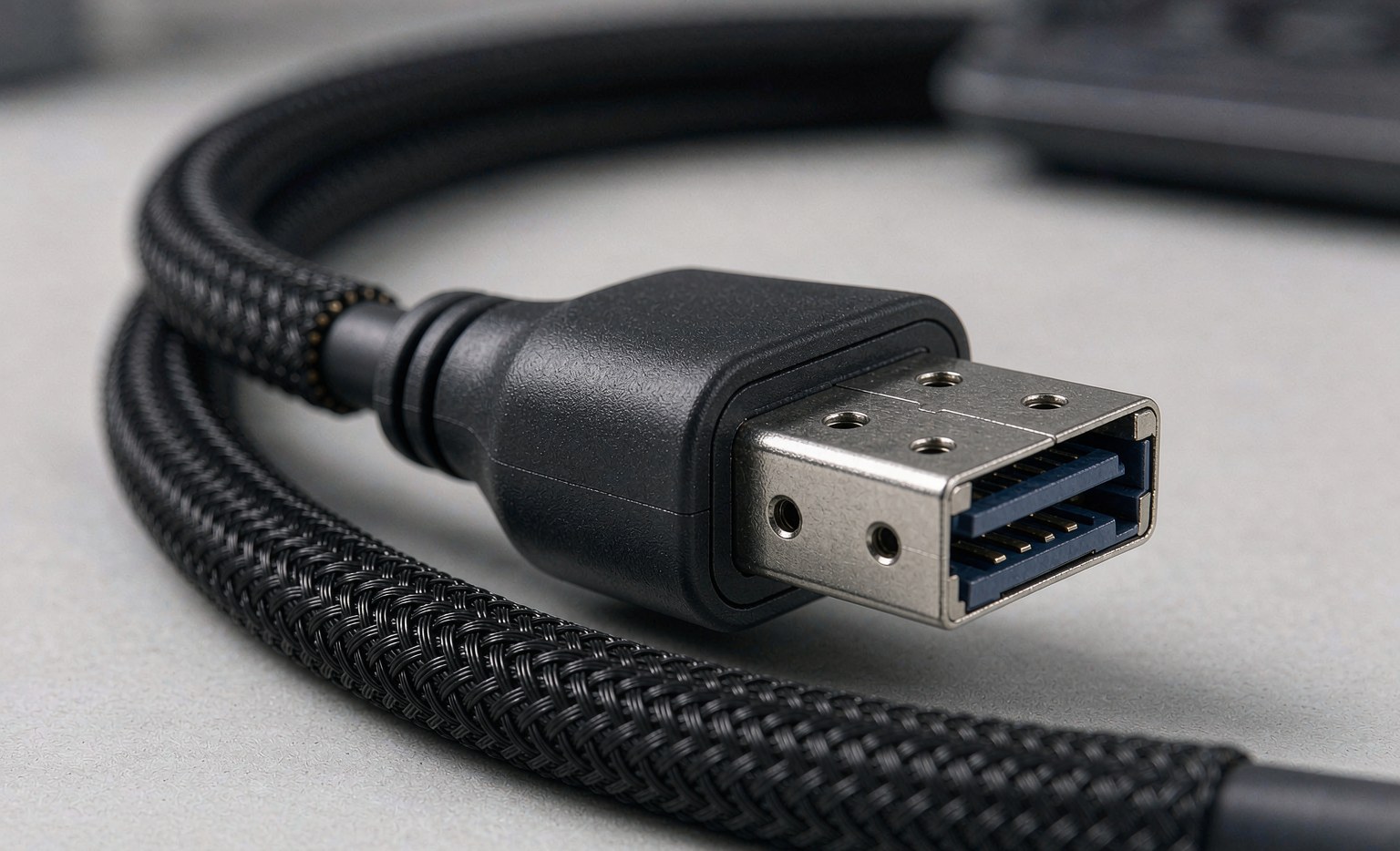
- High-speed cable assemblies that support fast data transfer rates, including fiber optic and copper cables. For instance, a 400 Gbps fiber optic cable assembly can support high-speed data transfer between servers and storage systems. Learn more about Reliable Cable Assemblies for Data Centers: Ensuring High-Speed Connectivity and Performance.
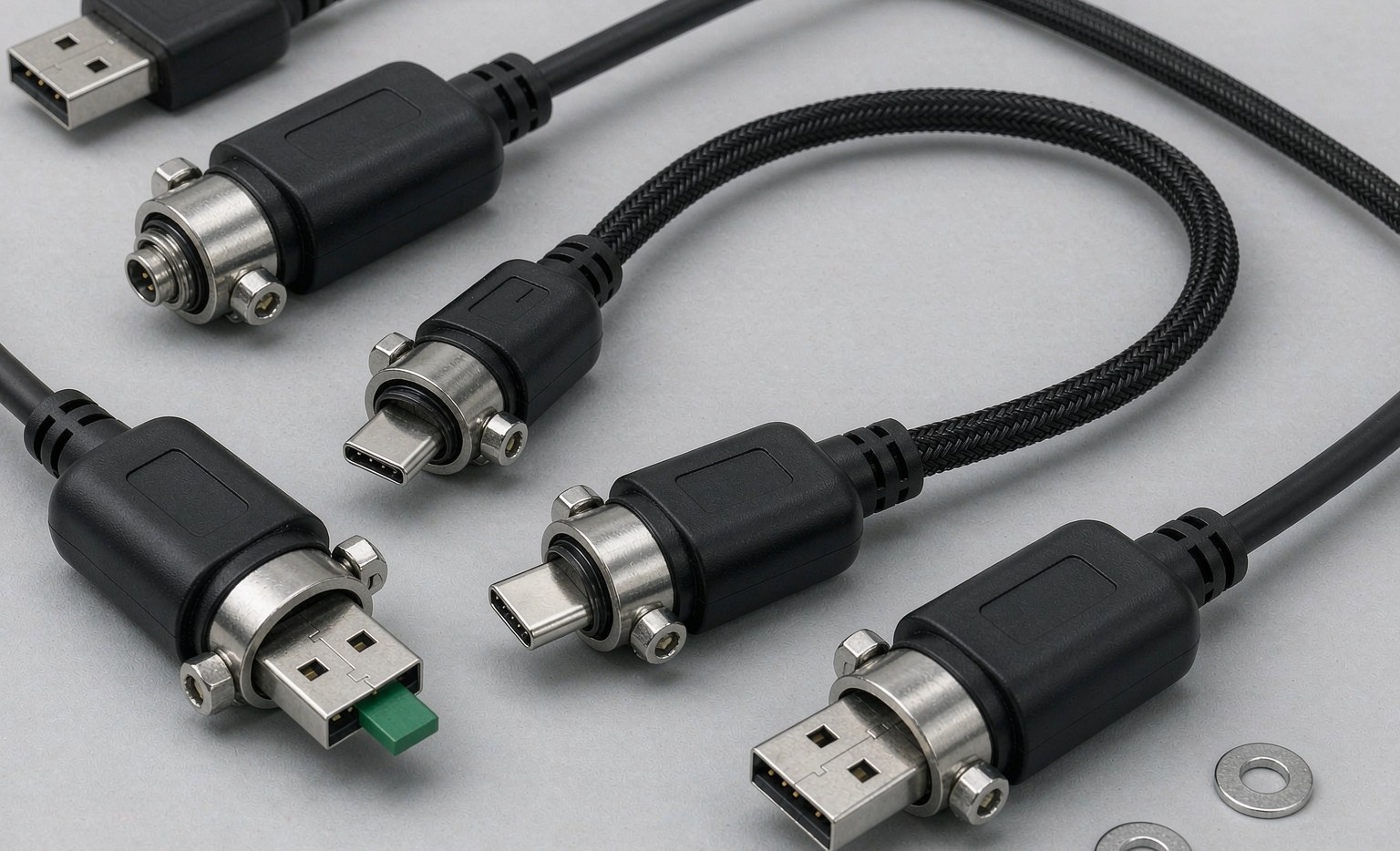
- Customized cable interconnects that meet specific application requirements, such as custom-length cables and specialized connectors. For example, a custom cable assembly with a specialized connector can be used in a high-performance computing application that requires a specific type of connector.
For instance, a data center using high-density connectivity solutions can reduce its cabling footprint by up to 50%, making it easier to manage and maintain the cabling infrastructure. Additionally, high-speed cable assemblies can support data transfer rates of up to 400 Gbps, enabling faster data processing and reduced latency.
A well-designed cabling infrastructure can also improve data center reliability and reduce downtime. By using high-quality cables and connectors, data center operators can minimize the risk of cable failures and signal degradation. Furthermore, a modular cabling system can make it easier to upgrade or replace cables as needed, reducing the risk of downtime and improving overall data center reliability.
Key Considerations for Data Center Cabling Solutions
When designing and implementing data center cabling solutions, several key considerations come into play. These include:
- Cable performance testing to ensure signal integrity and reliability, including testing for insertion loss, return loss, and crosstalk. For example, a data center operator can use a cable tester to verify the performance of a new cable installation. Refer to Cable Performance Testing for Data Centers: Ensuring Reliable High-Speed Connectivity for more details.
- Shielding and interference mitigation to minimize electromagnetic interference (EMI), such as using shielded cables and EMI-absorbing materials. For instance, a data center operator can use shielded cables to reduce EMI and improve signal integrity.
- Scalability and flexibility to support future growth and changing application requirements, including modular cabling systems and easy-to-install connectors. For example, a modular cabling system can be easily upgraded or reconfigured as needed, making it ideal for data centers with evolving cabling needs.
| Cable Type | Data Transfer Rate | Distance |
|---|---|---|
| Fiber Optic | 100 Gbps | 100 km |
| Copper | 10 Gbps | 100 m |
| Multimode Fiber | 40 Gbps | 500 m |
| Single-mode Fiber | 400 Gbps | 10 km |
To ensure optimal performance, it’s essential to select the right cable type for the specific application. For example, fiber optic cables are ideal for long-distance transmissions, while copper cables are better suited for shorter distances. When selecting a cable type, data center operators should consider factors such as data transfer rate, distance, and environmental conditions.
Here are some steps to follow when selecting a cable type:
- Determine the required data transfer rate and distance for the specific application.
- Consider the environmental conditions, such as temperature and humidity.
- Evaluate the cable’s signal integrity and reliability.
- Consult with a cabling expert to determine the best cable type for the specific application.
Innovative Data Center Cabling Solutions
The latest advancements in data center cabling solutions are driven by the need for higher speeds, greater density, and improved reliability. Some of the innovative solutions include:
- High-density SlimSAS cable solutions, which provide high-speed connectivity in a compact form factor. For example, a high-density SlimSAS cable solution can be used in a high-performance computing application that requires high-speed data transfer. Learn more about High-Density SlimSAS Cable Solutions: Navigating PCIe 4.0 Connectivity with a Trusted Supplier.
- High-speed OCuLink cable solutions, which support data transfer rates of up to 32 Gbps. For instance, a high-speed OCuLink cable solution can be used in a storage system that requires high-speed data transfer.
- Custom cable assemblies for industry-specific applications, such as aerospace and defense, medical, and industrial automation. For example, a custom cable assembly with a specialized connector can be used in a medical application that requires a specific type of connector.
For example, high-density SlimSAS cable solutions can be used in high-performance computing applications, such as data analytics and artificial intelligence. High-speed OCuLink cable solutions are ideal for applications that require high-speed data transfer, such as storage systems and network equipment.
In addition to these innovative solutions, data center operators can also consider using cable management systems to keep cables organized and improve airflow and cooling. Cable management systems can include cable ties, cable clips, and cable organizers.
Best Practices for Implementing Data Center Cabling Solutions
To maximize the benefits of data center cabling solutions, it’s essential to follow best practices for implementation. These include:
- Careful planning and design, including assessing current and future cabling needs. For example, a data center operator can conduct a thorough assessment of the data center’s cabling infrastructure to identify areas for improvement.
- Thorough testing and validation, including cable performance testing and signal integrity analysis. For instance, a data center operator can use a cable tester to verify the performance of a new cable installation.
- Ongoing maintenance and monitoring, including regular cable inspections and troubleshooting. For example, a data center operator can conduct regular cable inspections to identify and address any potential issues before they become major problems.
By following these best practices, data center operators can ensure that their cabling infrastructure is optimized for performance, reliability, and scalability. This includes using cable management systems to keep cables organized, labeling cables for easy identification, and documenting the cabling infrastructure for future reference.
Here are some additional best practices to consider:
- Use high-quality cables and connectors to minimize the risk of cable failures and signal degradation.
- Implement a modular cabling system to make it easier to upgrade or replace cables as needed.
- Use cable ties and cable clips to keep cables organized and secure.
- Label cables and connectors for easy identification.
- Document the cabling infrastructure for future reference.
Frequently Asked Questions (FAQs)
Here are some frequently asked questions about data center cabling solutions:
- Q: What is the difference between fiber optic and copper cables? A: Fiber optic cables transmit data as light signals, while copper cables transmit data as electrical signals. Fiber optic cables are ideal for long-distance transmissions, while copper cables are better suited for shorter distances.
- Q: How do I choose the right cable type for my data center? A: The choice of cable type depends on the specific application, including the distance, data transfer rate, and environmental conditions. It’s essential to consult with a cabling expert to determine the best cable type for your data center.
- Q: What are the benefits of high-density cabling solutions? A: High-density cabling solutions enable efficient use of data center space, reduce cabling clutter, and improve airflow and cooling. They also make it easier to manage and maintain the cabling infrastructure.
- Q: How do I ensure the reliability of my data center cabling infrastructure? A: To ensure the reliability of your data center cabling infrastructure, it’s essential to use high-quality cables and connectors, implement a modular cabling system, and conduct regular cable inspections and maintenance.
- Q: What are some common mistakes to avoid when implementing data center cabling solutions? A: Some common mistakes to avoid include using low-quality cables and connectors, failing to properly label and document the cabling infrastructure, and neglecting to conduct regular cable inspections and maintenance.