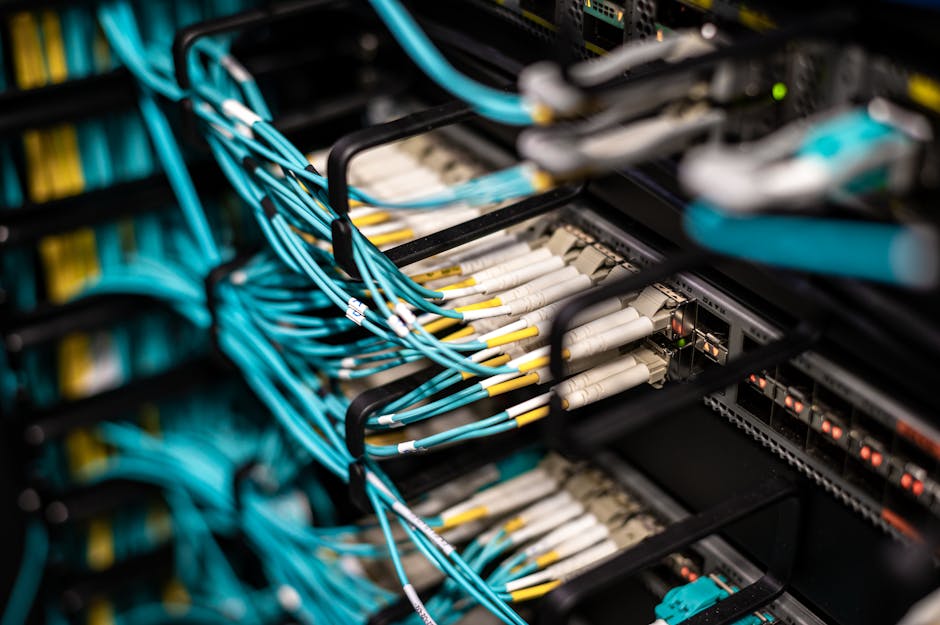
Importance of Cable Performance Testing
Data centers require high-speed connectivity to ensure efficient data transmission and minimize latency. Cable performance testing is critical to ensuring the reliability and performance of data center infrastructure. A well-designed cable infrastructure is essential for supporting the high-bandwidth applications and services that data centers provide. Poor cable performance can lead to signal degradation, data errors, and even complete system failures.
Cable performance testing involves evaluating the quality and performance of cables used in data centers, including testing for parameters such as insertion loss, return loss, and crosstalk. These tests help identify potential issues before they become major problems, ensuring that data center operators can take corrective action to prevent downtime and maintain optimal performance.
For example, a data center operator may perform cable performance testing to identify the source of a signal degradation issue. By using a high-quality cable tester, they may discover that a particular cable is experiencing high insertion loss, which is causing the signal degradation. They can then replace the faulty cable with a USB C to USB C 3.1 Gen 2 Cable, resolving the issue and ensuring reliable connectivity.
In another case, a data center experienced frequent network outages due to cable faults. After conducting cable performance testing, they identified that the issue was caused by poor cable installation and inadequate shielding. They re-installed the cables with proper shielding and grounding, and the network outages ceased.
Cable performance testing can also help data center operators to:
- Identify potential issues before they become major problems
- Reduce downtime and maintain optimal performance
- Improve the overall reliability and performance of their data center infrastructure
- Ensure compliance with industry standards and regulations
Cable Performance Testing Methods
Common testing methods include:
- Insertion loss testing
- Return loss testing
- Crosstalk testing
- Time-domain reflectometry (TDR) testing
- Frequency-domain testing
- Optical power testing for fiber optic cables
- Optical time-domain reflectometry (OTDR) testing for fiber optic cables
| Testing Method | Description |
|---|---|
| Insertion Loss Testing | Measures signal power loss as it travels through a cable |
| Return Loss Testing | Measures signal power reflected back to the source |
| Crosstalk Testing | Measures electromagnetic interference between cables |
| TDR Testing | Measures the reflection of a signal as it travels through a cable, helping to identify faults and discontinuities |
| Frequency-Domain Testing | Measures the frequency response of a cable, helping to identify issues such as signal attenuation and distortion |
| Optical Power Testing | Measures the power of an optical signal transmitted through a fiber optic cable |
| OTDR Testing | Measures the reflection of an optical signal as it travels through a fiber optic cable, helping to identify faults and discontinuities |
To perform these tests, data center operators can follow a step-by-step process:
- Step 1: Prepare the testing equipment and ensure it is calibrated and functioning correctly
- Step 2: Identify the cables to be tested and ensure they are properly terminated and connected
- Step 3: Perform the required tests, following the manufacturer’s instructions and industry standards
- Step 4: Analyze the test results and identify any issues or areas for improvement
- Step 5: Take corrective action to address any issues identified during testing
- Step 6: Document the test results and maintain a record of cable performance over time
When performing cable performance testing, it is essential to follow safety precautions to avoid injury or damage to equipment. This includes wearing protective gear, such as gloves and safety glasses, and ensuring that the testing equipment is properly grounded.
Some common mistakes to avoid during cable performance testing include:
- Failing to calibrate the testing equipment properly
- Not following the manufacturer’s instructions for the testing equipment
- Not properly terminating or connecting the cables to be tested
- Not documenting the test results and maintaining a record of cable performance over time
Best Practices for Cable Performance Testing
To ensure effective cable performance testing, data center operators should:
- Regularly test cables to identify potential issues before they become major problems
- Use high-quality testing equipment that is calibrated and functioning correctly
- Document test results to track performance over time and identify trends
- Use high-performance industrial LAN cables from trusted suppliers to ensure reliable connectivity
- Follow industry standards and best practices for cable performance testing
- Ensure that testing personnel are properly trained and certified
- Use automated testing tools to streamline the testing process and reduce the risk of human error
Some frequently asked questions about cable performance testing include:
- Q: How often should I perform cable performance testing?
- A: The frequency of testing will depend on the specific requirements of your data center, but it is generally recommended to test cables at least once a year.
- Q: What type of testing equipment should I use?
- A: You should use high-quality testing equipment that is specifically designed for cable performance testing, such as a cable tester or a network analyzer.
- Q: How do I interpret the results of cable performance testing?
- A: You should analyze the test results to identify any issues or areas for improvement, and take corrective action to address any problems identified.
- Q: Can I perform cable performance testing myself, or do I need to hire a professional?
- A: While it is possible to perform cable performance testing yourself, it is generally recommended to hire a professional with the necessary training and expertise to ensure accurate and reliable results.
- Q: What are the benefits of using automated testing tools for cable performance testing?
- A: Automated testing tools can help to streamline the testing process, reduce the risk of human error, and improve the accuracy and reliability of test results.
Cable Selection for Data Centers
When selecting cables, data center operators should consider factors such as cable type, length, and environment. High-speed OCuLink cables and OCuLink SFF-8611 cables are popular choices for data centers due to their high bandwidth and low latency.
Some key considerations when selecting cables include:
- Cable type: Choose cables that are designed for high-speed data transmission, such as Category 6A or Category 8 cables.
- Cable length: Ensure that cables are not too long, as this can cause signal degradation and attenuation.
- Environment: Consider the environmental conditions in which the cables will be operating, such as temperature, humidity, and exposure to electromagnetic interference.
- Shielding: Ensure that cables have adequate shielding to protect against electromagnetic interference.
- Certification: Look for cables that are certified to industry standards, such as TIA or ISO.
When installing cables, data center operators should follow best practices to ensure reliable connectivity and optimal performance. This includes:
- Following the manufacturer’s instructions for cable installation
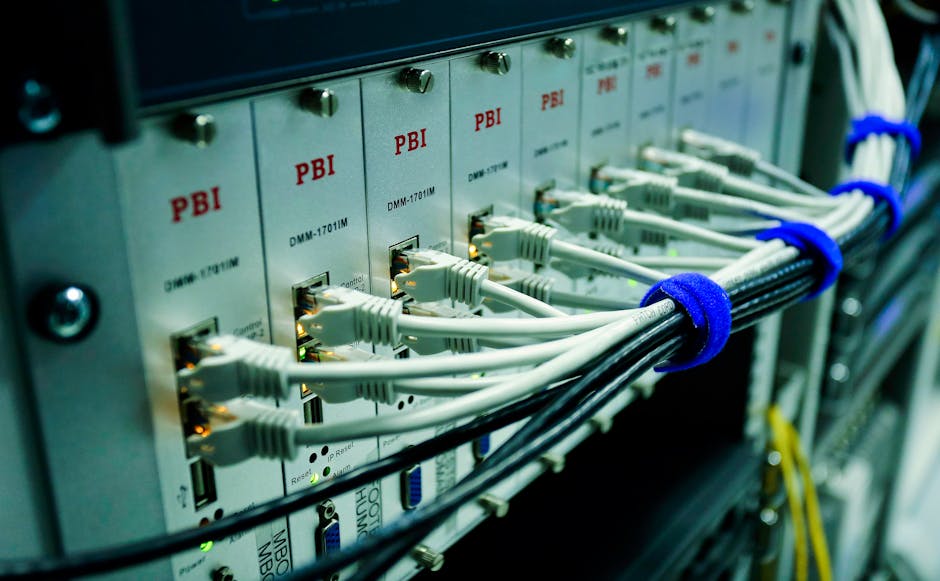
- Using cable management systems to keep cables organized and secure
- Avoiding cable bends and kinks, which can cause signal degradation
- Ensuring that cables are properly grounded and shielded
- Labeling and documenting cables to facilitate maintenance and troubleshooting
By following these best practices and selecting the right cables for their data center, operators can ensure reliable high-speed connectivity and optimal performance.
For example, a data center operator may choose to use high-speed OCuLink cables for their data center due to their high bandwidth and low latency. They may also implement a regular cable testing and maintenance schedule to ensure that their cables continue to perform optimally over time.

Additionally, data center operators can also consider the following:
- Using cable performance testing to validate the performance of new cables before they are put into service
- Using cable performance testing to troubleshoot issues with existing cables
- Using cable performance testing to identify potential issues before they become major problems
- Using high-quality cable testers that are specifically designed for cable performance testing