Data Center Network Cabling Systems: Enhancing Performance and Reliability
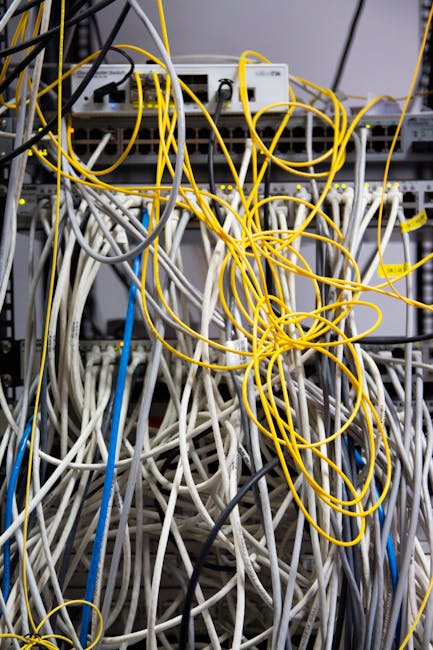
Understanding Data Center Network Cabling Systems
Data center network cabling systems are the backbone of modern data centers, enabling high-speed data transmission and connectivity between various components. A well-designed cabling system is crucial for ensuring the reliability, scalability, and performance of data center operations. For instance, a data center with a poorly designed cabling system may experience signal degradation, electromagnetic interference (EMI), and reduced airflow, ultimately leading to decreased performance and increased downtime. The Data Center’s Dilemma: How High-Density Connectivity is Solving the Ultimate Scaling Challenge
- High-density connectivity solutions to support increasing data center density, such as modular cabling systems and high-density patch panels. These solutions enable data centers to accommodate growing demands and adapt to changing infrastructure needs.
- Fiber optic cabling for high-speed data transfer and future-proofing, including single-mode and multimode fiber options. Fiber optic cabling offers higher bandwidth and longer transmission distances compared to traditional copper cabling.
- Shielded cables for reduced electromagnetic interference (EMI) and improved signal integrity, such as shielded twisted pair (STP) and foil-shielded cables. Shielded cables help minimize the impact of EMI on data transmission.
- Modular cabling systems for flexibility and scalability, allowing for easy upgrades and reconfiguration. Modular cabling systems enable data centers to adapt to changing requirements and expand their infrastructure as needed.
| Cabling Type | Bandwidth | Distance | Applications |
|---|---|---|---|
| Fiber Optic | High | Long | High-speed data transmission, long-distance connections, and future-proofing. For example, fiber optic cabling is ideal for connecting data centers across different locations or for supporting high-bandwidth applications. Reliable Cable Assemblies for Data Centers: Ensuring High-Speed Connectivity and Performance |
| Copper | Low-Medium | Short-Medium | Short-distance connections, lower-speed applications, and cost-effective solutions. Copper cabling is suitable for shorter distances and lower-speed applications, such as within a data center or for connecting devices within a rack. |
When selecting a cabling type, it’s essential to consider factors such as bandwidth requirements, distance, and application. For example, fiber optic cabling is ideal for high-speed data transmission and long-distance connections, while copper cabling is suitable for shorter distances and lower-speed applications. The following steps can help guide the selection process:
- Assess the specific requirements of the data center, including bandwidth needs and distance limitations.
- Evaluate the types of applications and services that will be supported by the cabling system.
- Consider the scalability and flexibility needs of the data center, including the potential for future upgrades or expansions.
- Compare the costs and benefits of different cabling options, including the initial investment and ongoing maintenance costs.
Key Considerations for Data Center Cabling Systems
When designing a data center cabling system, several factors must be considered to ensure optimal performance and reliability. These include:
- Cable selection: Choosing the right type of cable for specific applications, considering factors such as bandwidth, distance, and EMI. For example, selecting fiber optic cabling for high-speed data transmission and copper cabling for shorter distances and lower-speed applications.
- Cable management: Organizing cables to minimize clutter, improve airflow, and reduce the risk of damage or signal degradation. Effective cable management is crucial for maintaining a reliable and efficient cabling system.
- Scalability: Designing the cabling system to accommodate future growth and upgrades, including the use of modular cabling systems and high-density connectivity solutions. A scalable cabling system enables data centers to adapt to changing requirements and expand their infrastructure as needed.
- Reliability: Ensuring the cabling system is designed with redundancy and failover capabilities to minimize downtime and ensure business continuity. A reliable cabling system is essential for maintaining data center operations and supporting critical applications.
- Security: Implementing measures to prevent unauthorized access to the cabling system and protect against data breaches. Secure cabling practices help prevent data theft and maintain the integrity of the data center.
To ensure optimal cable management, it’s recommended to:
- Use cable ties, labels, and other organizational tools to keep cables tidy and easily identifiable.
- Implement a structured cabling system that is modular and scalable.
- Route cables through cable trays, conduits, or other protective pathways to reduce the risk of damage.
- Regularly inspect and maintain the cabling system to identify and resolve issues before they become major problems.
Best Practices for Implementing Data Center Cabling Systems
To ensure the reliability and performance of data center cabling systems, several best practices should be followed:
- Use high-quality cables and connectors that meet or exceed industry standards, such as TIA/EIA and ISO/IEC.
- Implement a structured cabling system that is modular and scalable, allowing for easy upgrades and reconfiguration.
- Regularly test and maintain the cabling system to identify and resolve issues before they become major problems.
- Document the cabling system, including cable routes, connections, and configurations, to facilitate troubleshooting and maintenance.
- Consider implementing a cabling system that is designed for high-density applications, such as data centers with high rack densities. High-Performance Cable Interconnects for Data Centers: Enhancing Efficiency and Reliability
When testing and maintaining the cabling system, it’s essential to:
- Use specialized testing equipment, such as cable testers and OTDRs, to identify issues and diagnose problems.
- Perform regular inspections and maintenance tasks, such as cleaning and replacing cables and connectors.
- Keep records of testing and maintenance activities to track the health and performance of the cabling system.
- Use data center infrastructure management (DCIM) tools to monitor and manage the cabling system, including temperature, humidity, and power usage.
Common Challenges and FAQs
Some common challenges associated with data center cabling systems include signal degradation, electromagnetic interference (EMI), and cable management. To overcome these challenges, it’s essential to:
- Use high-quality cables and connectors that are designed to minimize signal degradation and EMI.
- Implement a structured cabling system that is modular and scalable.
- Use cable management techniques, such as cable ties and labels, to keep cables organized and easily identifiable.
- Regularly test and maintain the cabling system to identify and resolve issues before they become major problems.
Frequently Asked Questions:
- Q: What is the best type of cable to use in a data center?
- A: The best type of cable depends on the specific application and requirements. Fiber optic cabling is ideal for high-speed data transmission and long-distance connections, while copper cabling is suitable for shorter distances and lower-speed applications.
- Q: How often should I test and maintain my data center cabling system?
- A: It’s recommended to test and maintain your data center cabling system regularly, ideally every 6-12 months, to identify and resolve issues before they become major problems.
- Q: What are the benefits of using a modular cabling system in a data center?
- A: Modular cabling systems offer several benefits, including flexibility, scalability, and ease of maintenance. They allow for easy upgrades and reconfiguration, reducing downtime and improving overall performance.
- Q: How can I ensure the security of my data center cabling system?
- A: To ensure the security of your data center cabling system, implement measures such as access controls, surveillance, and secure cable management practices.
Future Trends in Data Center Cabling Systems
As data centers continue to evolve, new trends and technologies are emerging in data center cabling systems. Some of the key trends include:
- Increased adoption of fiber optic cabling for high-speed data transmission and future-proofing.
- Higher density connectivity solutions to support increasing data center density, such as modular cabling systems and high-density patch panels.
- Greater emphasis on cable management and organization, including the use of cable ties, labels, and other organizational tools.
- Development of new cabling technologies, such as wireless cabling and optical interconnects, to improve performance and reduce latency.
- Increased focus on sustainability and energy efficiency in data center cabling systems, including the use of eco-friendly materials and energy-efficient designs.
To stay ahead of the curve, it’s essential to stay informed about the latest trends and technologies in data center cabling systems. This includes attending industry events, reading industry publications, and working with experienced professionals who can provide guidance and support.
- Attend industry conferences and trade shows to stay up-to-date on the latest developments and innovations in data center cabling systems.
- Participate in online forums and discussion groups to share knowledge and best practices with other professionals.
- Collaborate with experienced professionals and vendors to design and implement a cabling system that meets the specific needs of your data center.