Fiber Optic Cables for Data Centers: Enhancing Performance and Reliability
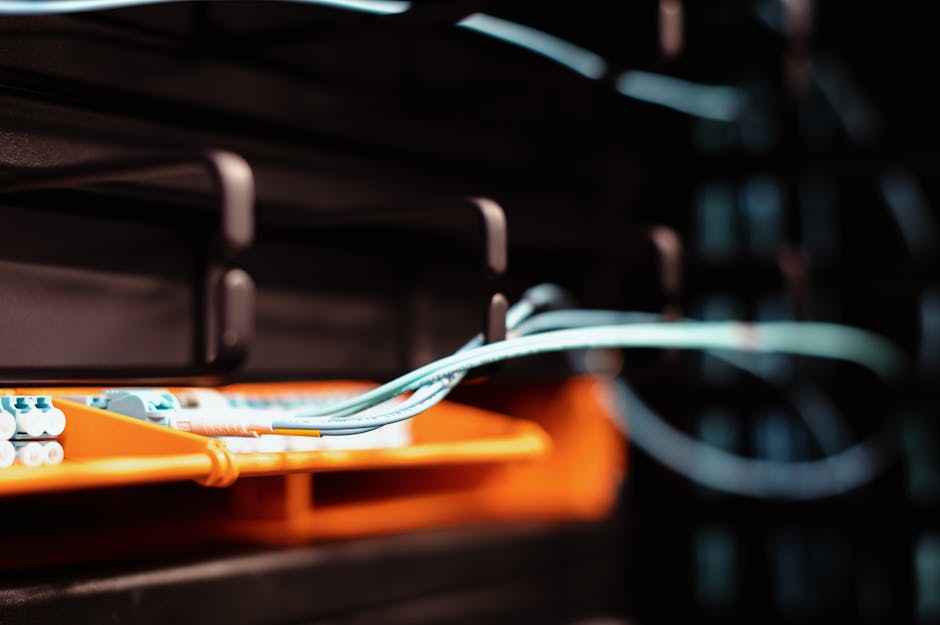
The Role of Fiber Optic Cables in Data Center Infrastructure
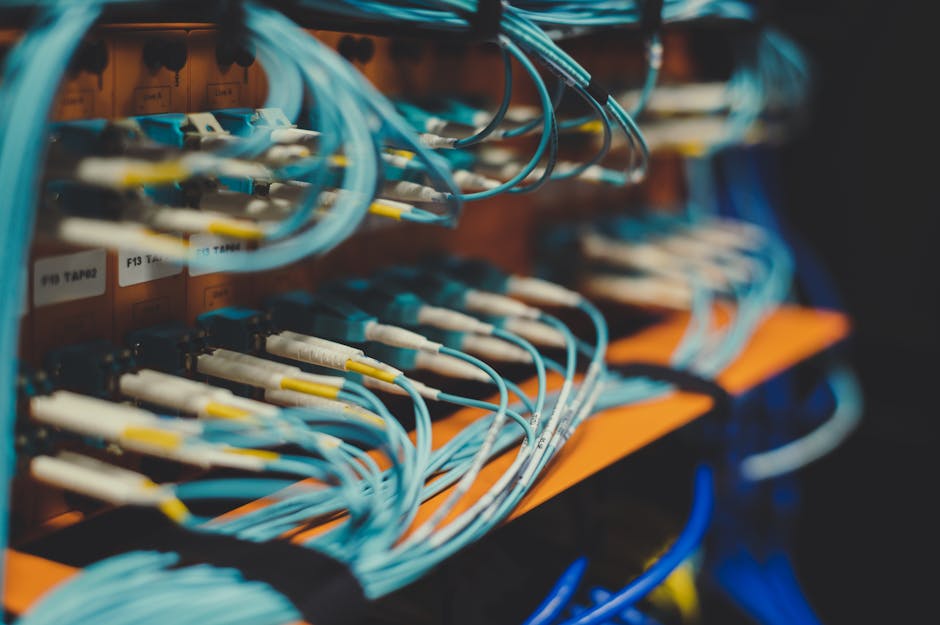
Fiber optic cables are crucial for data centers, enabling high-speed data transmission and reliable connectivity. As data centers grow in complexity and scale, the demand for advanced fiber optic cables increases. The need for faster data transfer rates, lower latency, and higher reliability drives the adoption of fiber optic cables. For instance, a large-scale data center may require fiber optic cables to support the transmission of vast amounts of data between servers, storage systems, and network equipment. In addition, the increasing adoption of cloud computing, big data analytics, and artificial intelligence (AI) is further driving the demand for High-Performance Cable Interconnects for Data Centers: Enhancing Efficiency and Reliability.
- High-bandwidth capacity: Fiber optic cables offer higher bandwidth capacity than traditional copper cables, supporting data transfer rates of up to 400 Gbps or more. For example, a data center using fiber optic cables can support the transmission of large amounts of data between servers and storage systems, enabling faster data processing and analysis.
- Low signal attenuation: Fiber optic cables experience low signal attenuation, ensuring reliable data transmission over long distances without the need for signal repeaters. This is particularly important for data centers that require the transmission of data over long distances, such as between different parts of the data center or between data centers.
- Immunity to electromagnetic interference: Fiber optic cables are immune to electromagnetic interference (EMI), reducing the risk of data corruption and signal degradation. This is particularly important for data centers that are located in areas with high levels of EMI, such as near power transmission lines or other sources of electromagnetic radiation.
- Enhanced security: Fiber optic cables are more secure than traditional copper cables, as they are difficult to tap without being detected. This is particularly important for data centers that handle sensitive data, such as financial or government data.
To further illustrate the benefits of fiber optic cables, consider a data center that requires the transmission of sensitive data between two locations. Fiber optic cables can provide a secure and reliable connection, reducing the risk of data breaches and cyber attacks. For example, a financial institution may use fiber optic cables to transmit sensitive financial data between its data center and a remote office, ensuring the security and integrity of the data.
Types of Fiber Optic Cables for Data Centers
Several types of fiber optic cables are used in data centers, each with its strengths and applications. The choice of fiber optic cable depends on the specific requirements of the data center, including the distance between equipment, the amount of data being transmitted, and the desired level of reliability. For more information on Reliable Cable Assemblies for Data Centers: Ensuring High-Speed Connectivity and Performance, visit our website.
- Multimode fiber optic cables: Used for shorter distances, typically within the same rack or adjacent racks. Multimode fiber optic cables are often used for connections between servers and storage systems. For example, a data center may use multimode fiber optic cables to connect servers to storage systems within the same rack.
- Singlemode fiber optic cables: Used for longer distances, between different parts of the data center or between data centers. Singlemode fiber optic cables are often used for connections between data centers, or between a data center and a wide area network (WAN). For example, a data center may use singlemode fiber optic cables to connect to a remote data center or to a cloud provider.
- OM4 and OM5 fiber optic cables: These are types of multimode fiber optic cables that offer higher bandwidth capacity and faster data transfer rates than traditional multimode cables. OM4 and OM5 fiber optic cables are often used in data centers that require high-speed data transmission between equipment.
- OS2 fiber optic cables: These are types of singlemode fiber optic cables that offer low signal attenuation and high reliability over long distances. OS2 fiber optic cables are often used in data centers that require the transmission of data over long distances, such as between different parts of the data center or between data centers.
| Type | Distance | Bandwidth |
|---|---|---|
| Multimode | Short (up to 300 meters) | Up to 100 Gbps |
| Singlemode | Long (up to 80 km or more) | Up to 400 Gbps or more |
| OM4 | Short (up to 400 meters) | Up to 100 Gbps |
| OM5 | Short (up to 500 meters) | Up to 200 Gbps |
| OS2 | Long (up to 80 km or more) | Up to 400 Gbps or more |
Best Practices for Implementing Fiber Optic Cables
To ensure optimal performance and reliability, follow best practices when implementing fiber optic cables. Proper planning and execution are critical to maximizing the benefits of fiber optic cables, including Cable Performance Testing for Data Centers: Ensuring Reliable High-Speed Connectivity.
- Proper cable management: Critical for correct installation and damage prevention. This includes labeling cables, using cable ties and organizers, and ensuring that cables are not bent or pinched. For example, a data center may use cable management systems to organize and secure fiber optic cables, reducing the risk of damage and improving maintainability.
- Regular cable testing and maintenance: Essential for identifying potential issues before they become major problems. This includes testing for signal attenuation, checking for cable damage, and performing routine cleaning and inspections. For example, a data center may perform regular testing and maintenance on its fiber optic cables to ensure they are functioning correctly and meeting performance standards.
- Compatibility with existing infrastructure: Ensure seamless integration with existing equipment and infrastructure. This includes checking compatibility with existing fiber optic connectors, switches, and routers. For example, a data center may need to ensure that its new fiber optic cables are compatible with its existing network equipment.
- Documentation and labeling: Maintain accurate records of fiber optic cable installations, including documentation of cable routes, connections, and test results. For example, a data center may maintain a database of its fiber optic cable installations, including information on cable type, length, and termination points.
Steps for Implementing Fiber Optic Cables
The following steps outline the process for implementing fiber optic cables in a data center:
- Step 1: Assess the data center’s requirements, including the amount of data being transmitted, the distance between equipment, and the desired level of reliability. For example, a data center may assess its requirements by analyzing its data transmission needs, identifying the equipment that needs to be connected, and determining the required level of reliability.
- Step 2: Choose the appropriate type of fiber optic cable based on the data center’s requirements. For example, a data center may choose multimode fiber optic cables for shorter distances and singlemode fiber optic cables for longer distances.
- Step 3: Plan the cable route, taking into account factors such as cable length, bend radius, and potential sources of interference. For example, a data center may plan its cable route to minimize the risk of damage and interference, using cable management systems to secure and organize the cables.
- Step 4: Install the fiber optic cables, following best practices for cable management and testing. For example, a data center may install its fiber optic cables using a combination of cable ties, organizers, and other cable management tools.
- Step 5: Test the fiber optic cables to ensure they are functioning correctly and meeting the required performance standards. For example, a data center may test its fiber optic cables using specialized testing equipment, such as optical time-domain reflectometers (OTDRs).
- Step 6: Document the installation, including the cable routes, connections, and test results. For example, a data center may maintain a record of its fiber optic cable installations, including information on cable type, length, and termination points.
Frequently Asked Questions (FAQs)
The following FAQs provide additional information on implementing fiber optic cables in data centers:
- Q: What is the difference between multimode and singlemode fiber optic cables?
A: Multimode fiber optic cables are used for shorter distances and have a larger core diameter, while singlemode fiber optic cables are used for longer distances and have a smaller core diameter. For example, a data center may use multimode fiber optic cables for connections within the same rack, and singlemode fiber optic cables for connections between different parts of the data center. - Q: How do I determine the correct type of fiber optic cable for my data center?
A: The choice of fiber optic cable depends on the specific requirements of the data center, including the distance between equipment, the amount of data being transmitted, and the desired level of reliability. For example, a data center may need to assess its data transmission needs, identify the equipment that needs to be connected, and determine the required level of reliability. - Q: What are the benefits of using fiber optic cables in data centers?
A: Fiber optic cables offer higher bandwidth capacity, lower signal attenuation, immunity to electromagnetic interference, and enhanced security compared to traditional copper cables. For example, a data center may use fiber optic cables to support high-speed data transmission, reduce the risk of data corruption and signal degradation, and improve the security of its data. - Q: What are the best practices for implementing fiber optic cables in data centers?
A: Best practices include proper cable management, regular cable testing and maintenance, compatibility with existing infrastructure, and documentation and labeling. For example, a data center may use cable management systems to organize and secure its fiber optic cables, perform regular testing and maintenance to ensure optimal performance, and maintain accurate records of its fiber optic cable installations.