The Importance of Data Center Connectivity
In today’s digital landscape, data centers are crucial for supporting cloud computing, big data, and artificial intelligence demands. Effective data center connectivity ensures high-speed data transfer, reduces latency, and maintains network reliability. A well-connected data center supports rapid cloud service deployment, seamless data migration, and integration of emerging technologies like IoT and 5G. For more information on the challenges and solutions related to data center connectivity, refer to The Data Center’s Dilemma: How High-Density Connectivity is Solving the Ultimate Scaling Challenge.
For instance, a large e-commerce company relying on its data center for transactions and inventory management requires optimized connectivity to ensure fast and reliable data transfer, enabling a seamless customer experience. Moreover, robust connectivity supports growing AI and ML workloads, unlocking new business opportunities and improving operational efficiency. A case in point is Amazon’s data center infrastructure, which is designed to handle the high traffic and transaction volumes during peak shopping seasons, ensuring a smooth customer experience.
To achieve optimal data center connectivity, several factors must be considered, including network architecture, cable infrastructure, and data transfer protocols. Operators must assess their current infrastructure and identify areas for improvement to ensure they can meet the demands of emerging technologies and growing data traffic.
Some key considerations for data center connectivity include:
- Network architecture: A well-designed network architecture is essential for ensuring high-speed data transfer and reducing latency.
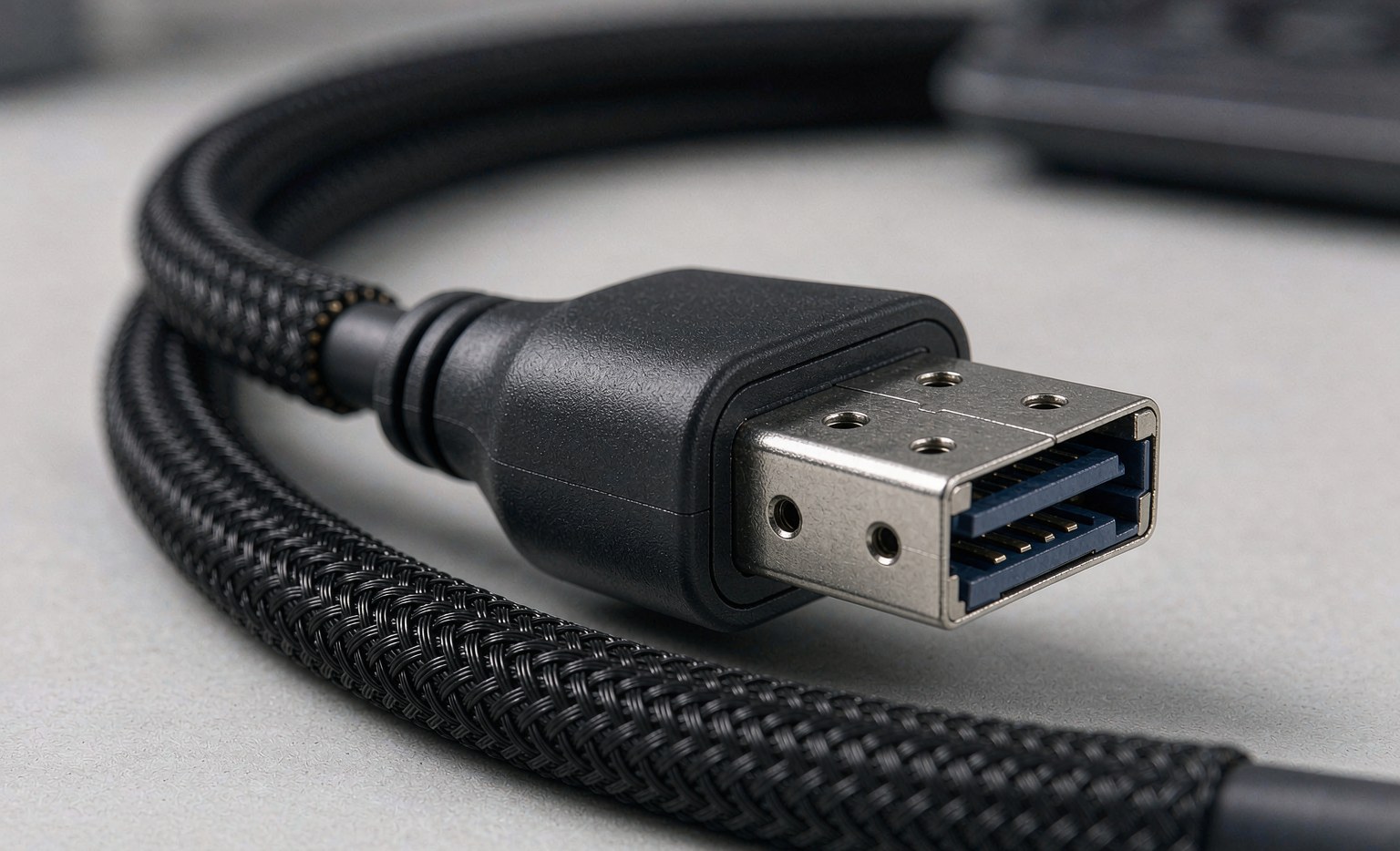
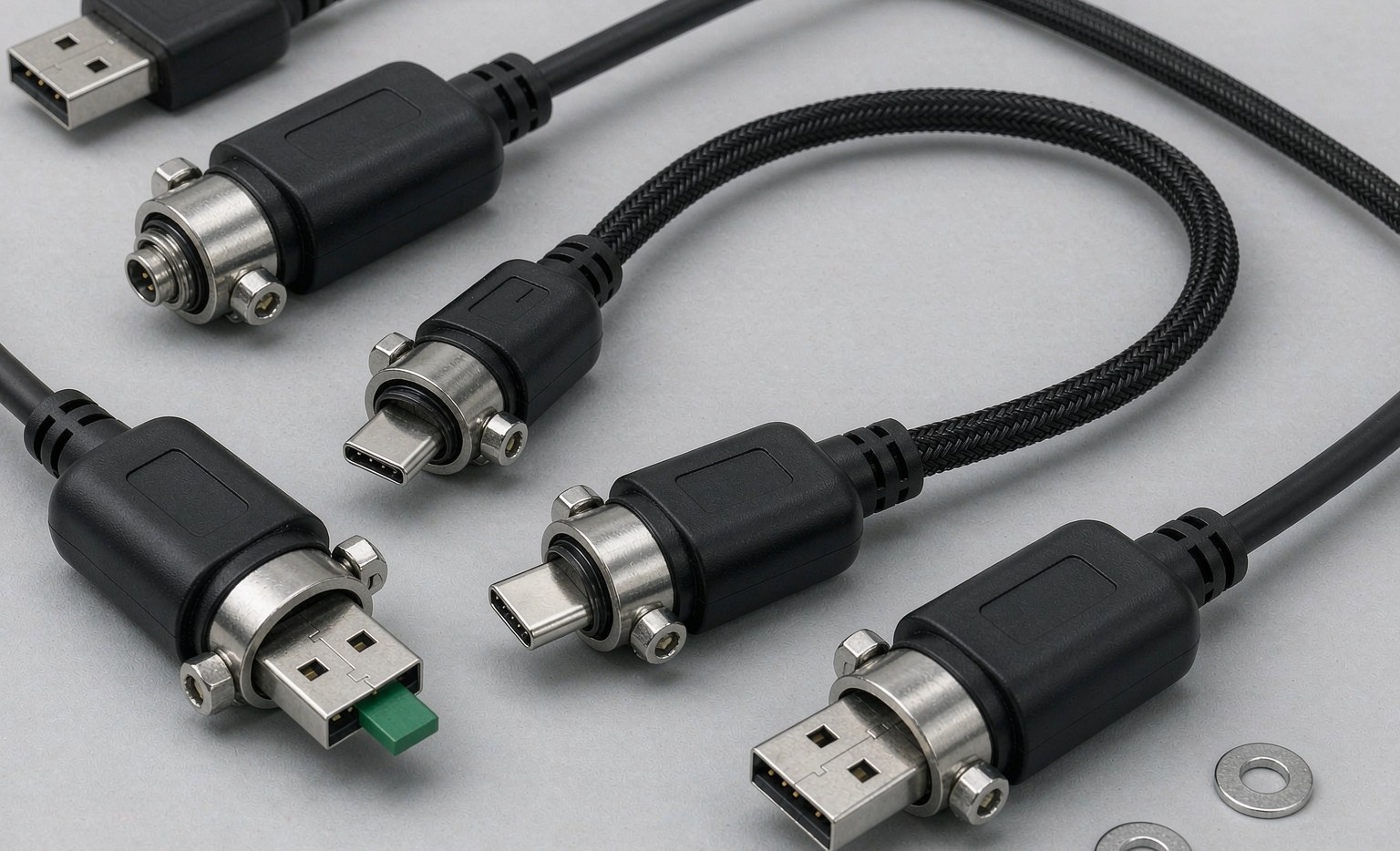
- Cable infrastructure: A robust cable infrastructure is critical for supporting high-speed data transfer and ensuring network reliability. For instance, Reliable Cable Assemblies for Data Centers: Ensuring High-Speed Connectivity and Performance play a crucial role in maintaining the integrity of data transmission.
- Data transfer protocols: Efficient data transfer protocols are necessary for ensuring fast and reliable data transfer.
Challenges in Data Center Connectivity
Data centers face challenges including increasing data traffic, higher density requirements, and the need for scalable solutions. To address these, operators must adopt strategies that enhance connectivity while minimizing costs and maximizing efficiency.
- Managing exponential data traffic growth and ensuring network bandwidth capacity.
- Meeting higher density requirements, which can lead to increased heat generation and reduced airflow.
- Designing scalable connectivity architectures for evolving business needs and technological advancements.
- Ensuring data security and integrity within and between data centers.
- Mitigating the impact of latency on application performance and user experience.
To overcome these challenges, operators can conduct thorough assessments, develop comprehensive connectivity strategies, invest in high-quality connectivity solutions, and implement regular maintenance and testing. For example, Google’s data center infrastructure is designed with scalability in mind, allowing the company to easily expand its capacity as needed. Ensuring the reliability of cable assemblies is also crucial, as highlighted in Cable Performance Testing for Data Centers: Ensuring Reliable High-Speed Connectivity.
Some steps to overcome data center connectivity challenges include:
- Conducting thorough assessments of current infrastructure and identifying areas for improvement.
- Developing comprehensive connectivity strategies aligned with business goals.
- Investing in high-quality connectivity solutions that meet industry standards.
- Implementing regular maintenance and testing to ensure optimal performance.
Strategies for Optimizing Data Center Connectivity
- Implement high-density connectivity solutions to support growing data demands.
- Utilize reliable cable assemblies and high-performance cables for high-speed data transfer.
- Adopt modular and scalable connectivity architectures for future expansion.
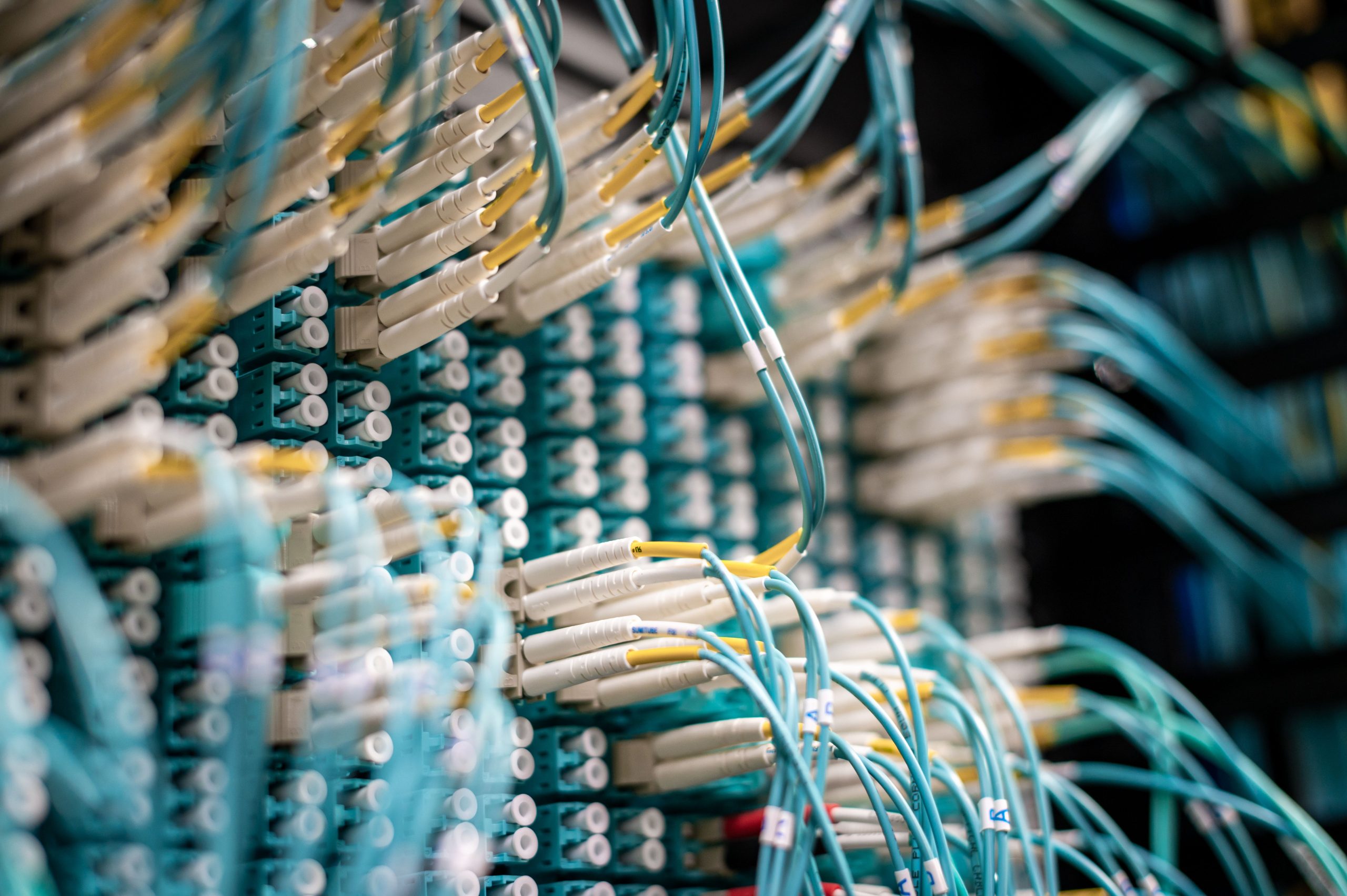
- Implement advanced cable management practices to reduce clutter and improve airflow.
- Consider implementing 400G Ethernet and other emerging technologies to future-proof connectivity infrastructure.
- Leverage software-defined networking (SDN) and network functions virtualization (NFV) to enhance network flexibility and manageability.
| Connectivity Solution | Benefits |
|---|---|
| High-Density Cable Assemblies | Increased connectivity, reduced space requirements |
| Reliable Cable Assemblies | High-speed data transfer, improved signal integrity |
| Modular Cable Management Systems | Simplified maintenance, improved airflow |
| 400G Ethernet | Future-proofed connectivity infrastructure, enhanced performance |
When implementing these strategies, operators should follow a step-by-step approach:
- Assess current infrastructure and identify areas for improvement.
- Develop a comprehensive connectivity strategy aligned with business goals.
- Invest in high-quality connectivity solutions that meet industry standards.
- Implement regular maintenance and testing to ensure optimal performance.
- Monitor and analyze network traffic to identify opportunities for optimization.
Some best practices for optimizing data center connectivity include:
- Staying up-to-date with industry trends and emerging technologies.
- Collaborating with vendors and industry partners to stay informed about the latest developments.
- Investing in advanced testing and validation techniques to ensure infrastructure support for the latest technologies.
Best Practices for Data Center Cable Management
Effective cable management is critical for maintaining an organized and efficient data center.
- Using cable ties and labels to keep cables organized and identifiable.
- Implementing cable management systems to route and secure cables.
- Regularly inspecting and maintaining cables to prevent damage.
- Documenting cable configurations and layouts for simplified maintenance.
- Utilizing cable management software to track and manage cable inventory.
Some frequently asked questions about data center cable management include:
- Q: What are the benefits of effective cable management?
- A: Effective cable management improves airflow, reduces clutter, and simplifies maintenance.
- Q: How often should cables be inspected and maintained?
- A: Cables should be inspected and maintained regularly to prevent damage and ensure optimal performance.
Some additional best practices for data center cable management include:
- Implementing a cable management plan that aligns with business goals.
- Using cable management tools and software to streamline cable management processes.
- Training personnel on cable management best practices.
The Role of Advanced Technologies in Data Center Connectivity
Emerging technologies like 400G Ethernet are pushing data center connectivity boundaries. Operators must adopt cutting-edge solutions that handle higher speeds and densities, leveraging advanced cable testing techniques to ensure infrastructure support for the latest technologies.
Key considerations include ensuring cable infrastructure can support required speeds and densities, selecting solutions that meet industry standards, and investing in advanced testing and validation techniques. For example, the use of 400G Ethernet can provide a significant boost in data transfer speeds, enabling data centers to support the demands of emerging technologies like AI and ML.
Some best practices for implementing advanced technologies in data center connectivity include:
- Staying up-to-date with industry trends and emerging technologies.
- Assessing current infrastructure and identifying areas for upgrade or replacement.
- Investing in advanced testing and validation techniques to ensure infrastructure support for the latest technologies.
- Collaborating with vendors and industry partners to stay informed about the latest developments.
Frequently Asked Questions
- Q: What is the importance of data center connectivity?
- A: Data center connectivity is crucial for supporting cloud computing, big data, and artificial intelligence demands.
- Q: What are the challenges in data center connectivity?
- A: Data centers face challenges including increasing data traffic, higher density requirements, and the need for scalable solutions.
- Q: How can data center operators optimize connectivity?
- A: Operators can optimize connectivity by implementing high-density connectivity solutions, utilizing reliable cable assemblies, and adopting modular and scalable connectivity architectures.
- Q: What are the benefits of effective cable management?
- A: Effective cable management improves airflow, reduces clutter, and simplifies maintenance.
- Q: How often should cables be inspected and maintained?
- A: Cables should be inspected and maintained regularly to prevent damage and ensure optimal performance.
Some additional FAQs about data center connectivity include:
- Q: What is the role of 400G Ethernet in data center connectivity?
- A: 400G Ethernet provides a significant boost in data transfer speeds, enabling data centers to support the demands of emerging technologies like AI and ML.
- Q: How can data center operators ensure infrastructure support for the latest technologies?
- A: Operators can ensure infrastructure support by investing in advanced testing and validation techniques and collaborating with vendors and industry partners.