Medical Grade USB Data Cables in Healthcare Applications
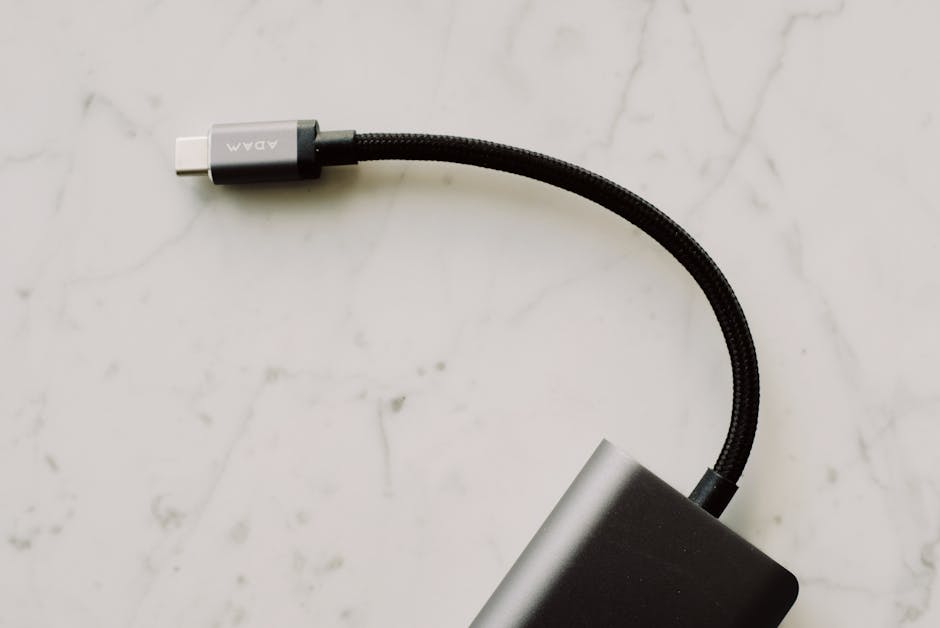
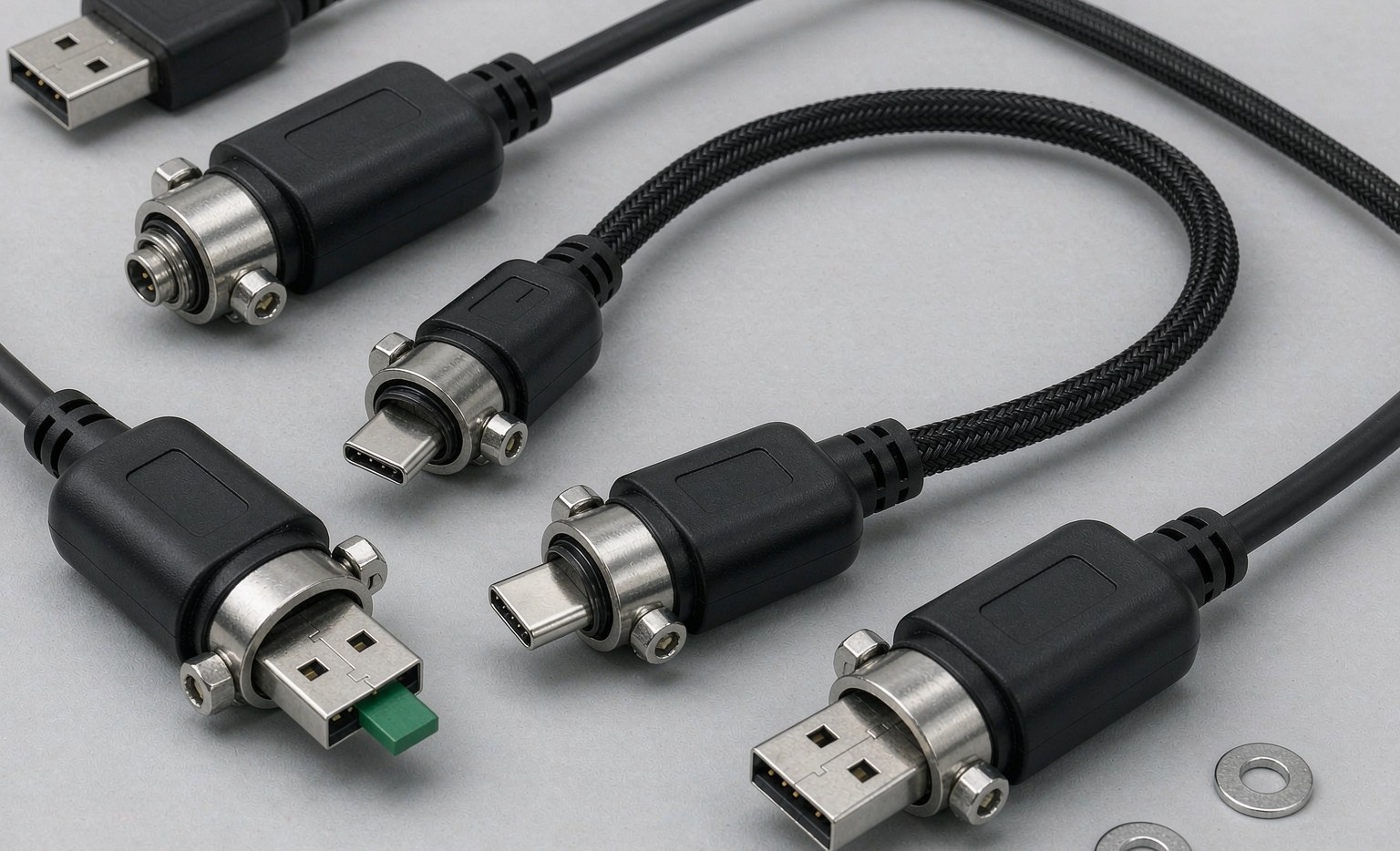
Medical grade USB data cables are engineered to meet the stringent requirements of medical devices and equipment, ensuring reliable data transmission and patient safety. These cables play a crucial role in various healthcare applications, including patient monitoring systems, medical imaging devices, and diagnostic equipment. The use of medical grade USB data cables is essential to prevent data corruption, ensure accurate diagnosis, and reduce the risk of patient harm. For instance, in a hospital setting, medical grade USB data cables can be used to connect patient monitors to central monitoring stations, ensuring that vital signs are transmitted accurately and in real-time. Medical Electronic Device Data Cables: Ensuring Reliable Data Transmission in Healthcare
Characteristics of Medical Grade USB Data Cables
- High-quality materials and construction for durability and reliability, such as PVC or TPE jackets and gold-plated connectors
- Compliance with medical standards, such as IEC 60601-1, FDA guidelines, and ISO 13485, to ensure patient safety and reduce liability
- Shielding to prevent electromagnetic interference (EMI) and ensure signal integrity, such as foil shielding or braided shielding
- Rigid testing and inspection to ensure compliance with medical standards, including environmental testing and electrical testing
- Compatibility with various medical devices, including patient monitors, medical imaging devices, and diagnostic equipment
- Certification by reputable third-party testing organizations, such as UL or ETL, to ensure compliance with medical standards
- Design features such as strain relief, locking mechanisms, and waterproofing to ensure secure and reliable connections
| Application | Requirements |
|---|---|
| Patient Monitoring Systems | High-speed data transfer, low latency, and reliable data transmission to ensure accurate patient monitoring |
| Medical Imaging Devices | High-bandwidth data transfer, EMI shielding, and high-quality image transmission to ensure accurate diagnosis |
| Diagnostic Equipment | High-speed data transfer, low latency, and reliable data transmission to ensure accurate diagnosis and treatment |
| Telemedicine Equipment | High-speed data transfer, low latency, and reliable data transmission to ensure accurate remote diagnosis and treatment |
| Portable Medical Devices | Compact design, low power consumption, and reliable data transmission to ensure accurate diagnosis and treatment |
When selecting medical grade USB data cables, consider the specific requirements of your medical application, including data transfer rate, shielding, and material quality. For example, patient monitoring systems require high-speed data transfer and low latency, while medical imaging devices require high-bandwidth data transfer and EMI shielding. It is also essential to consider the environmental conditions in which the cables will be used, such as temperature, humidity, and exposure to chemicals. Additionally, consider the cable’s durability and resistance to wear and tear, as well as its compatibility with various medical devices. You can refer to Shielded Cables for Industrial Automation: Ensuring Reliable Data Transmission and Power Supply for more information on shielded cables.
Benefits of Medical Grade USB Data Cables
- Reliable data transmission and reduced risk of data corruption or loss, ensuring accurate diagnosis and treatment
- Compliance with medical standards, ensuring patient safety and reducing liability for healthcare organizations
- Durability and resistance to wear and tear, reducing maintenance costs and downtime for medical devices
- Improved patient care and outcomes through reliable and accurate data transmission
- Reduced risk of patient harm due to faulty or unreliable data transmission
- Enhanced security and data protection through features such as encryption and secure authentication
Selection Criteria for Medical Grade USB Data Cables
- Data transfer rate and compatibility with medical devices, such as USB 2.0 or USB 3.0
- Shielding and EMI protection, such as foil shielding or braided shielding
- Material quality and durability, such as PVC or TPE jackets and gold-plated connectors
- Compliance with medical standards and regulations, such as IEC 60601-1 and FDA guidelines
- Certification and testing, such as UL or ETL certification, to ensure compliance with medical standards
- Manufacturer reputation and experience in producing medical grade USB data cables
- Design features such as strain relief, locking mechanisms, and waterproofing to ensure secure and reliable connections
Proper installation and maintenance procedures are crucial to ensure the reliability and safety of medical grade USB data cables. This includes regular inspection and testing of cables, as well as proper handling and storage procedures. It is also essential to ensure that cables are installed and maintained by trained personnel to prevent damage or malfunction. For example, cables should be inspected regularly for signs of wear and tear, and replaced as needed to prevent data corruption or loss. You can use USB 4 Cable, 40Gbps USB C to Type C Data Cord for high-speed data transfer applications.

Best Practices for Medical Grade USB Data Cables
- Develop and implement policies and procedures for cable selection, installation, and maintenance to ensure compliance with medical standards
- Provide training and education to staff on proper cable handling and maintenance to reduce the risk of damage or malfunction
- Regularly inspect and test cables to ensure compliance with medical standards and to identify potential issues before they become major problems
- Use cable management systems to organize and secure cables, reducing the risk of damage or tripping hazards
- Document cable installation, maintenance, and testing to ensure compliance with medical standards and to facilitate troubleshooting
- Consider implementing a cable tracking system to monitor cable usage and maintenance history
Frequently Asked Questions (FAQs)
- Q: What is the difference between medical grade USB data cables and standard USB data cables?
- A: Medical grade USB data cables are designed to meet the stringent requirements of medical devices and equipment, ensuring reliable data transmission and patient safety. They are made with high-quality materials and are compliant with medical standards, such as IEC 60601-1.
- Q: How do I ensure that my medical grade USB data cables are compliant with medical standards?
- A: Look for cables that are certified by reputable third-party testing organizations, such as UL or ETL, and that are compliant with medical standards, such as IEC 60601-1.
- Q: Can I use standard USB data cables in medical applications?
- A: No, standard USB data cables are not designed to meet the stringent requirements of medical devices and equipment and may not ensure reliable data transmission or patient safety.
- Q: What are the consequences of using non-medical grade USB data cables in medical applications?
- A: Using non-medical grade USB data cables in medical applications can result in data corruption, equipment malfunction, and patient harm.
- Q: How often should I inspect and test my medical grade USB data cables?
- A: Medical grade USB data cables should be inspected and tested regularly, ideally every 6-12 months, to ensure compliance with medical standards and to identify potential issues before they become major problems.
Case Studies
A leading hospital implemented medical grade USB data cables in their patient monitoring systems, resulting in a significant reduction in data corruption and loss. The cables were certified to IEC 60601-1 and were designed to meet the high-speed data transfer requirements of the patient monitoring systems.
A medical device manufacturer used medical grade USB data cables in their medical imaging devices, ensuring high-quality image transmission and accurate diagnosis. The cables were designed to meet the high-bandwidth data transfer requirements of the medical imaging devices and were certified to IEC 60601-1.
A telemedicine company implemented medical grade USB data cables in their remote monitoring systems, ensuring reliable data transmission and accurate remote diagnosis. The cables were certified to IEC 60601-1 and were designed to meet the high-speed data transfer requirements of the remote monitoring systems.
A portable medical device manufacturer used medical grade USB data cables in their devices, ensuring reliable data transmission and accurate diagnosis in a variety of environments. The cables were designed to meet the compact design and low power consumption requirements of the portable medical devices.
Steps for Implementing Medical Grade USB Data Cables
- Step 1: Assess your medical application requirements, including data transfer rate, shielding, and material quality.
- Step 2: Select medical grade USB data cables that meet your application requirements and are compliant with medical standards.
- Step 3: Develop and implement policies and procedures for cable selection, installation, and maintenance.
- Step 4: Provide training and education to staff on proper cable handling and maintenance.
- Step 5: Regularly inspect and test cables to ensure compliance with medical standards and to identify potential issues before they become major problems.
- Step 6: Document cable installation, maintenance, and testing to ensure compliance with medical standards and to facilitate troubleshooting.
- Step 7: Consider implementing a cable tracking system to monitor cable usage and maintenance history.
Regulatory Compliance
Medical grade USB data cables must comply with various medical standards and regulations, such as IEC 60601-1, FDA guidelines, and ISO 13485. Compliance with these standards ensures patient safety and reduces liability for healthcare organizations. It is essential to work with manufacturers who have experience in producing medical grade USB data cables and who can provide certification and testing documentation. Additionally, consider the specific regulatory requirements for your region or country, such as CE marking in Europe or FDA clearance in the United States.