

Understanding EMI Shielded Cables
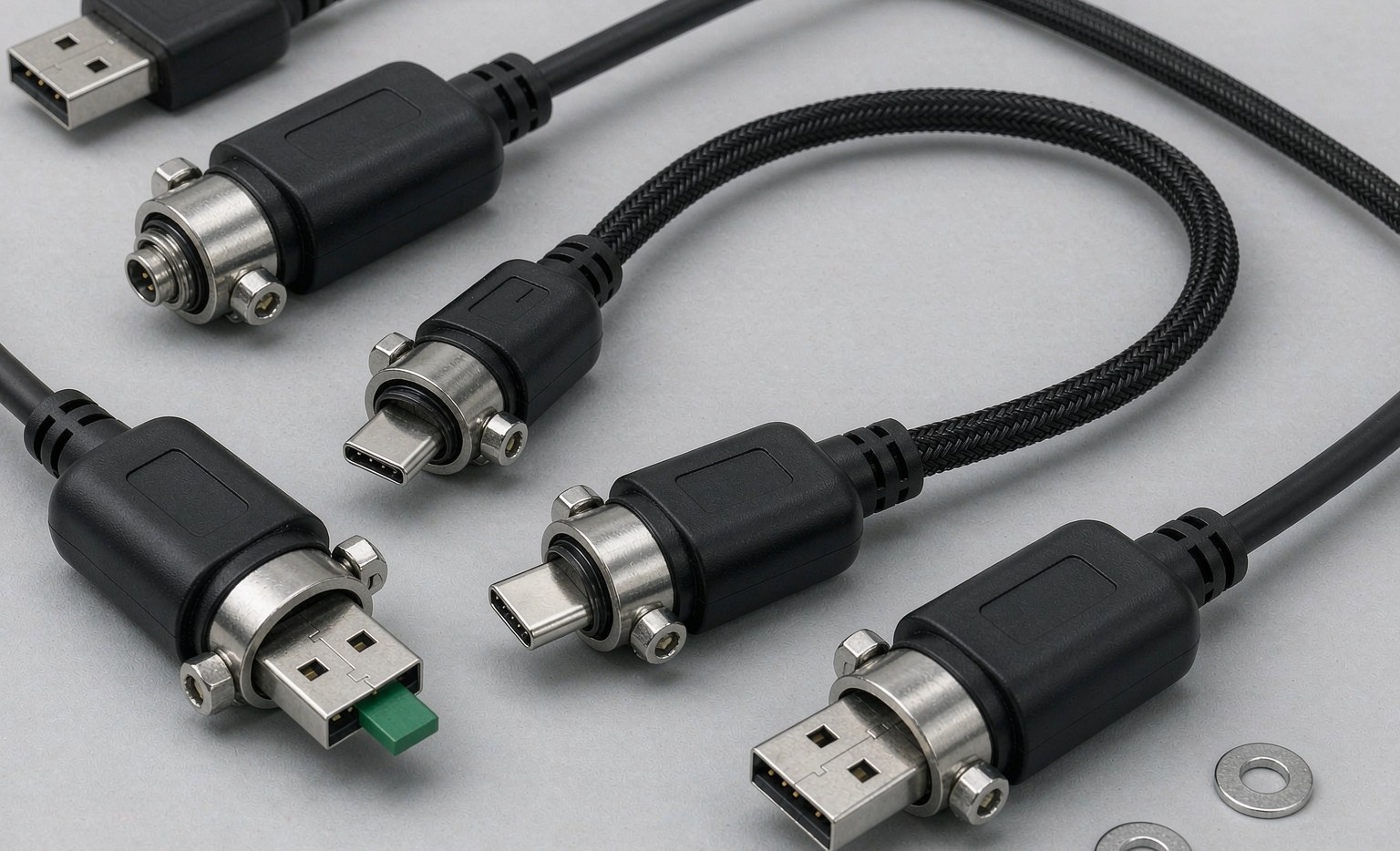
EMI shielded cables are designed to prevent electromagnetic interference (EMI) from compromising signal quality. In industrial environments, where numerous electronic devices generate significant electromagnetic radiation, these cables play a crucial role. Shielding acts as a barrier that absorbs or reflects EMI, protecting the internal conductors and ensuring reliable data transmission. The effectiveness of EMI shielding depends on various factors, including the type of shielding material used, the design of the cable, and the frequency range of the EMI. For more information on the types of cables used in industrial settings, refer to Types of Peripheral Data Cables for Various Applications.
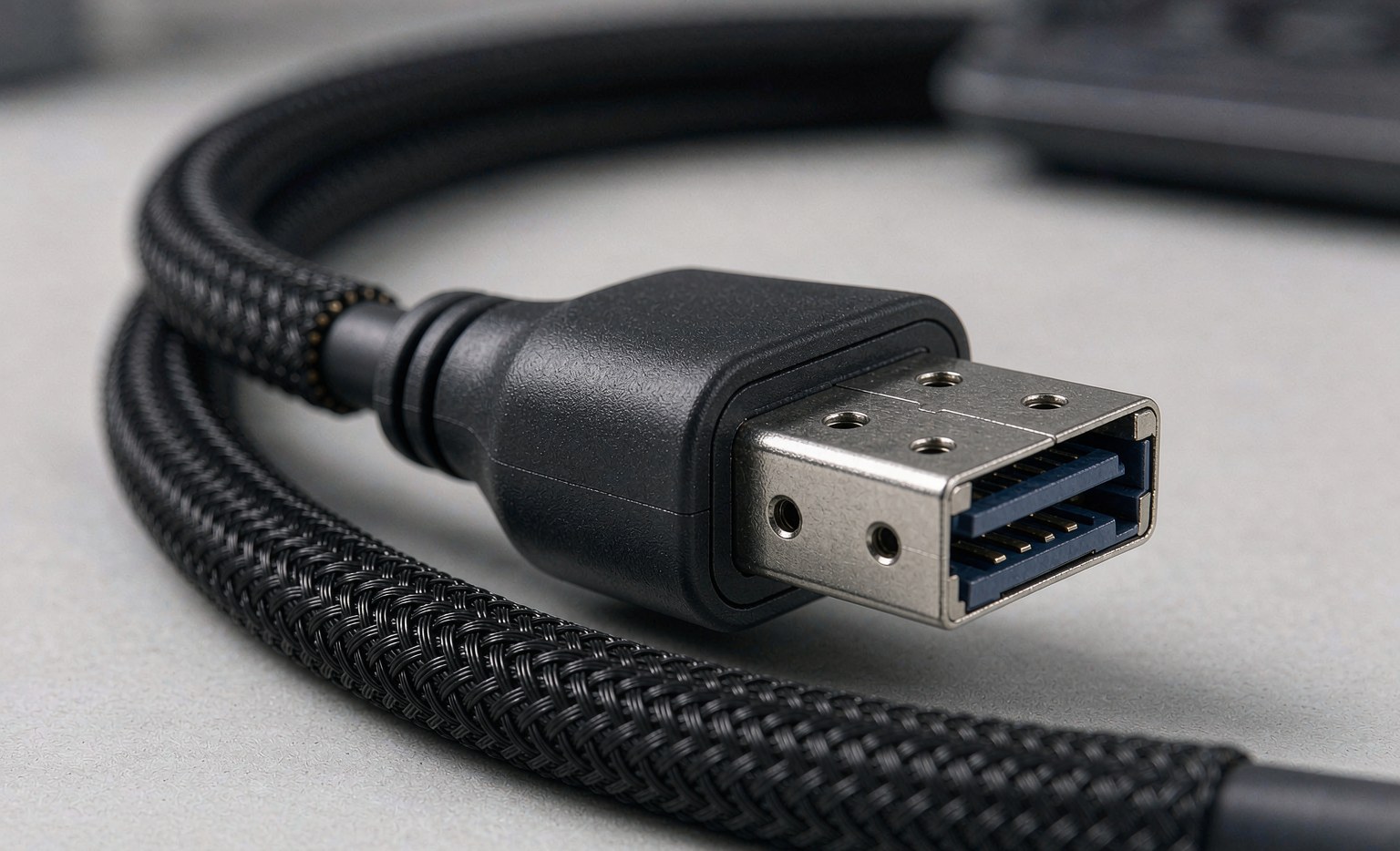
There are several common shielding methods used in EMI shielded cables, including foil shielding, braided shielding, and combinations of both. Foil shielding provides excellent coverage against EMI, while braided shielding offers flexibility and durability. The choice of cable depends on the specific application and the level of EMI protection required. For instance, in industrial automation, foil shielding is often preferred for its high EMI attenuation, whereas in aerospace applications, braided shielding might be chosen for its flexibility and resistance to vibration.
To further illustrate the importance of EMI shielded cables, consider the case of a manufacturing plant where multiple electronic devices are used in close proximity. Without proper shielding, EMI can cause signal degradation, leading to equipment malfunction and production downtime. By using EMI shielded cables, the plant can minimize the risk of EMI-related issues and ensure smooth operation.
Benefits of EMI Shielded Cables
- Improved Signal Integrity: EMI shielded cables ensure that signal transmission remains intact and unaffected by external EMI. In industrial automation, precise control signals are crucial for maintaining production efficiency and quality. For example, in manufacturing lines, EMI shielded cables help in maintaining the accuracy of control signals, thereby reducing the likelihood of production errors.
- Enhanced Reliability: By reducing the impact of EMI, these cables enhance the reliability of equipment and control systems. This, in turn, minimizes downtime and maintenance costs. A study by a leading industrial automation company found that the use of EMI shielded cables reduced system failures by up to 30%, resulting in significant cost savings.
- Increased Safety: EMI shielded cables are critical in safety-critical industries such as medical and aerospace. They prevent interference that could lead to equipment malfunction or failure, thereby ensuring the safety of personnel and equipment. For instance, in medical equipment like MRI and CT scanners, EMI shielded cables are used to prevent EMI from affecting image quality and patient safety. More information on this can be found in Medical Electronic Device Data Cables: Ensuring Reliable Data Transmission in Healthcare.
- Regulatory Compliance: Using EMI shielded cables helps manufacturers comply with electromagnetic compatibility (EMC) standards. Compliance with these standards is mandatory in many industries, and failure to comply can result in fines and reputational damage. For example, in the automotive industry, vehicles must comply with stringent EMC standards to ensure that electronic systems do not interfere with each other.
- Reduced Maintenance Costs: By minimizing the impact of EMI, EMI shielded cables reduce the need for frequent maintenance and repairs, resulting in cost savings.
- Improved System Performance: EMI shielded cables enable equipment to operate at optimal levels, improving overall system performance and efficiency.
| Application | Benefits |
|---|---|
| Industrial Automation | Improved signal integrity, enhanced reliability |
| Medical Equipment | Increased safety, regulatory compliance |
| Aerospace and Defense | Enhanced reliability, increased safety |
| Data Centers | Improved signal integrity, reduced EMI emissions |
| Power Generation | Enhanced reliability, increased safety |
| Telecommunications | Improved signal integrity, reduced EMI emissions |
| Railway Systems | Enhanced reliability, increased safety |
Applications of EMI Shielded Cables
EMI shielded cables are used in a wide range of industrial applications, including industrial automation, medical equipment, aerospace, data centers, power generation, telecommunications, and railway systems. In each of these applications, EMI shielded cables play a critical role in ensuring reliable data transmission and equipment operation. For example, in data centers, the use of high-quality cables such as those discussed in High-Speed Data Center Cables: Enhancing Performance and Reliability is crucial.
- Industrial automation and control systems require precise control and reliable data transmission. EMI shielded cables are used to connect sensors, actuators, and control devices, ensuring that control signals are transmitted accurately.
- Medical equipment and devices, such as MRI and CT scanners, require high signal integrity and safety. EMI shielded cables are used to prevent EMI from affecting image quality and patient safety.
- In aerospace applications, EMI shielded cables are used to ensure the reliability and safety of critical systems, such as navigation and communication systems.
- In data centers, EMI shielded cables are used to reduce EMI emissions and improve signal integrity, ensuring reliable data transmission and storage.
- In power generation, EMI shielded cables are used to ensure the reliability and safety of control systems and equipment.
- In telecommunications, EMI shielded cables are used to improve signal integrity and reduce EMI emissions, ensuring reliable data transmission.
- In railway systems, EMI shielded cables are used to ensure the reliability and safety of signaling and control systems.
Steps to Choose the Right EMI Shielded Cable
Choosing the right EMI shielded cable involves several steps:
- Assess EMI Protection Level: Determine the level of EMI protection required for the application. This involves assessing the sources of EMI and the sensitivity of the equipment.
- Consider Cable Flexibility: Choose a cable that is flexible enough to be routed through the required paths without damage.
- Check Operating Temperature: Ensure that the cable can operate within the temperature range of the application.
- Verify Compatibility: Check that the cable is compatible with existing equipment and systems.
- Evaluate Cable Construction: Consider the construction of the cable, including the type of shielding material used and the number of conductors.
- Check for Certification: Ensure that the cable meets relevant industry standards and certifications, such as UL or CE.
Frequently Asked Questions (FAQs)
- Q: What is the difference between EMI and EMC? A: EMI refers to electromagnetic interference, while EMC is the ability of equipment to operate without being affected by or generating EMI.
- Q: How to choose the right EMI shielded cable? A: Consider EMI protection level, cable flexibility, operating temperature, and compatibility with existing equipment.
- Q: Can EMI shielded cables be used in harsh environments? A: Yes, EMI shielded cables can be designed to operate in harsh environments, including high-temperature and high-vibration applications.
- Q: How to install EMI shielded cables? A: Follow best practices for installation, including routing cables away from EMI sources and securing cables to prevent damage.
- Q: What are the benefits of using EMI shielded cables in data centers? A: EMI shielded cables can improve signal integrity, reduce EMI emissions, and ensure reliable data transmission and storage.
Best Practices for Installing EMI Shielded Cables
Proper installation is crucial for maximizing the benefits of EMI shielded cables.
- Route Cables Away from EMI Sources: Keep EMI shielded cables away from sources of EMI, such as power lines and high-frequency equipment.
- Use Cable Ties and Clamps: Secure cables using cable ties and clamps to prevent damage and maintain cable integrity.
- Avoid Bending or Crushing: Avoid bending or crushing EMI shielded cables, as this can damage the shielding and compromise its effectiveness.
- Grounding: Ensure that EMI shielded cables are properly grounded to maximize their effectiveness.
- Labeling: Label EMI shielded cables to ensure easy identification and maintenance.
- Testing: Test EMI shielded cables to ensure that they meet the required specifications and performance standards.
Case Studies: Successful Implementation of EMI Shielded Cables
Several companies have successfully implemented EMI shielded cables in their operations, resulting in improved performance and reliability.
- A leading automotive manufacturer used EMI shielded cables in their production line, resulting in a 25% reduction in production errors.
- A medical equipment manufacturer used EMI shielded cables in their MRI machines, resulting in improved image quality and patient safety.
- A data center operator used EMI shielded cables to reduce EMI emissions and improve signal integrity, resulting in improved data transmission and storage reliability.
- A railway system operator used EMI shielded cables to ensure the reliability and safety of their signaling and control systems.
- A telecommunications company used EMI shielded cables to improve signal integrity and reduce EMI emissions, resulting in improved network reliability.
Conclusion
EMI shielded cables are vital for maintaining data transmission integrity and reliability in industrial environments. Understanding their benefits and applications enables informed decisions to enhance operations and comply with regulatory standards. By choosing the right EMI shielded cable and following best practices for installation, industries can maximize the benefits of these cables and improve overall performance and reliability.