Durable Peripheral Data Cables for Heavy Use
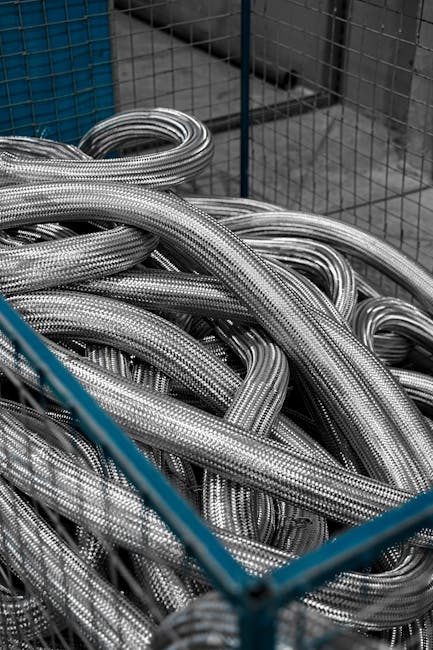
Understanding Durable Peripheral Data Cables
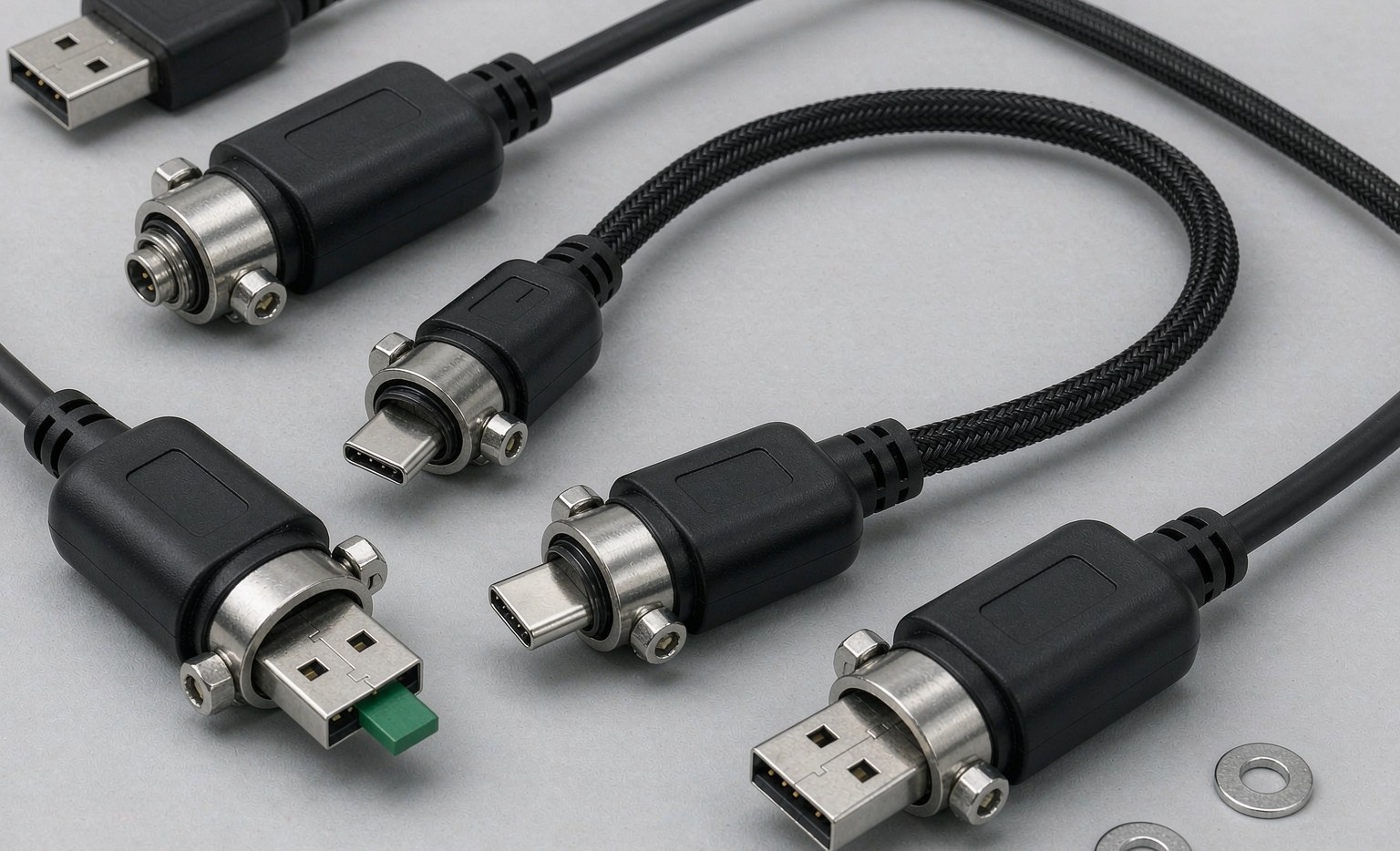
Durable peripheral data cables are engineered to withstand harsh environments and heavy use, ensuring reliable data transmission and connectivity. These cables feature high-quality materials and robust designs to minimize signal degradation and maximize performance. The construction of these cables involves careful selection of materials and design elements to ensure they meet the demands of heavy use. For more information on high-performance cables, see Cable Assemblies for High-Speed Data Transmission: Performance and Reliability Solutions.
- High-strength insulation and jacketing materials, such as PVC, TPE, or PUR, which provide resistance to abrasion, chemicals, and extreme temperatures. For instance, PVC is commonly used for its flexibility and resistance to chemicals, while TPE is valued for its elasticity and durability.
- Reinforced connectors and strain relief, such as molded or over-molded connectors, to prevent damage from bending and flexing. This is particularly important in applications where cables are subject to frequent movement or stress.
- Shielding for EMI/RFI protection, such as foil shielding or braided shielding, to minimize electromagnetic interference. Shielding is crucial in environments with high levels of electromagnetic activity. More details on shielded cables can be found in Shielded Cables for Industrial Automation: Ensuring Reliable Data Transmission and Power Supply.
- High-conductivity conductors for optimal signal transmission, such as copper or silver-plated conductors, to ensure high-speed data transfer. The choice of conductor material significantly impacts the cable’s performance.
Additional protective measures, such as waterproofing and UV resistance, further enhance durability. Cables used in outdoor or harsh environments require specialized coatings to prevent damage. For example, cables with IP67 or IP68 ratings can withstand immersion in water. IP67-rated cables can be submerged in water up to 1 meter deep, while IP68-rated cables can withstand being submerged beyond 1 meter.
| Cable Type | Environmental Rating | Application |
|---|---|---|
| Shielded Cable | IP67 | Industrial Automation |
| Armored Cable | IP68 | Data Centers |
| Flexible Cable | IP65 | Robotics and Machinery |
| Waterproof Cable | IP69K | Outdoor and Marine Applications |
| High-Temperature Cable | UL 2556 | Aerospace and Defense |
| Flexible Shielded Cable | IP67 | Medical Devices |
When selecting durable peripheral data cables, it’s essential to consider the specific requirements of the application, including environmental factors, data transfer rates, and mechanical stress. For example, in industrial automation, cables may be exposed to heavy machinery, chemicals, and extreme temperatures, necessitating cables with high durability and resistance. For more insights on industrial cables, refer to Global Demand for Standard Industrial Cables: Trends and Insights for Industrial Connectivity.
Applications of Durable Peripheral Data Cables
Durable peripheral data cables are used in various applications, including:
- Industrial automation and control systems, where cables are exposed to harsh environments and heavy machinery. These cables must withstand mechanical stress and environmental factors.
- Consumer electronics and gaming consoles, where cables require high-speed data transfer and durability. The demand for high-quality cables in these applications is driven by the need for fast data transfer rates.
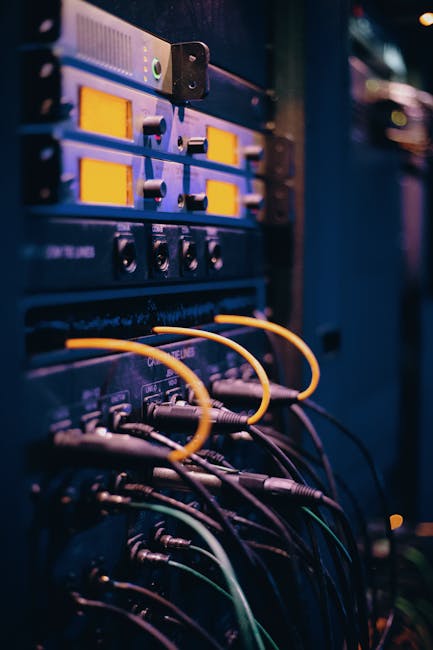
- Data centers and high-speed computing, where cables must support high-bandwidth applications and withstand environmental stressors. Data centers require cables that can handle high data transfer rates without degradation.
- Medical devices and equipment, where cables require high reliability and resistance to chemicals and sterilization processes. Medical applications demand cables that can withstand rigorous cleaning and sterilization protocols.
- Aerospace and defense, where cables must meet stringent environmental and performance requirements. These applications require cables that can withstand extreme temperatures, vibrations, and other harsh conditions.
- Outdoor and marine applications, where cables are exposed to water, UV radiation, and extreme temperatures. Cables used in these environments must have protective coatings and be resistant to water and UV damage.
When selecting cables for industrial applications, consider factors like temperature range, chemical resistance, and mechanical durability. For example, cables used in food processing environments may require resistance to cleaning chemicals and high temperatures. Understanding the specific demands of the application is crucial for selecting the right cable.
Key Features to Consider When Selecting Durable Peripheral Data Cables
When selecting durable peripheral data cables, consider the following key features:
- Cable construction and materials, including insulation, jacketing, and shielding. The materials used significantly impact the cable’s durability and performance.
- Connector type and quality, including mating cycles, contact resistance, and mechanical durability. High-quality connectors ensure reliable connections and minimize the risk of signal degradation.
- Shielding and EMI/RFI protection, including shielding effectiveness and frequency range. Effective shielding is crucial for minimizing electromagnetic interference.
- Data transfer rate and bandwidth, including compatibility with specific protocols and standards. The cable’s data transfer capabilities must meet the application’s requirements.
- Environmental ratings and certifications, including IP ratings, UL ratings, and compliance with industry standards. These ratings and certifications indicate the cable’s ability to withstand various environmental conditions.
- Flexibility and bend radius, as cables with higher flexibility can withstand more bending and flexing without damage. This is particularly important in applications where cables are frequently moved or bent.
Matching the cable’s specifications with the application’s requirements ensures optimal performance. For example, cables used in high-speed data transfer applications may require high-bandwidth conductors and shielding. It’s also important to consider the cable’s compatibility with existing infrastructure and equipment.
Benefits of Using Durable Peripheral Data Cables
Using durable peripheral data cables offers several benefits, including:
- Improved reliability and reduced downtime, resulting from minimized signal degradation and connector failures. Durable cables reduce the need for frequent replacements and repairs.
- Enhanced performance and data transfer rates, resulting from optimized cable design and materials. High-quality cables ensure fast and reliable data transfer.
- Increased durability and lifespan, resulting from robust construction and protective measures. Durable cables can withstand harsh environments and heavy use.
- Better resistance to environmental stressors, including temperature, chemicals, and mechanical stress. Cables designed for harsh environments can withstand a range of stressors.
- Simplified maintenance and troubleshooting, resulting from clear labeling and documentation. Well-documented cables simplify the maintenance and troubleshooting process.
- Cost savings over time, as durable cables reduce the need for frequent replacements and minimize downtime. While durable cables may have a higher upfront cost, they offer long-term savings.
Following proper installation and maintenance procedures maximizes the benefits of durable peripheral data cables. This includes:
- Proper routing and securing of cables to prevent damage and stress. Cables should be routed to minimize bending and flexing.
- Regular inspection and testing to identify potential issues before they become major problems. Regular maintenance helps extend the cable’s lifespan.
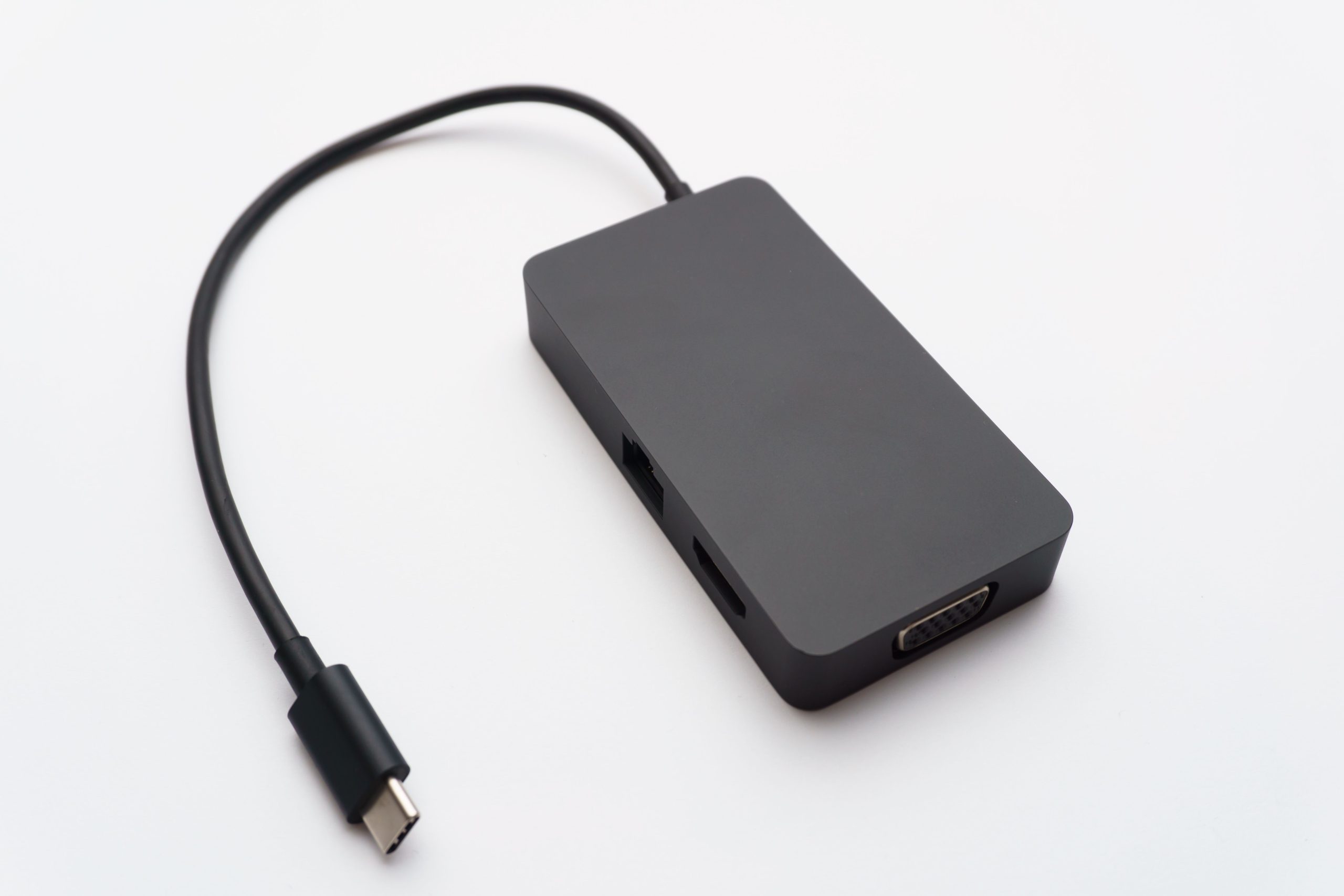
- Use of compatible connectors and adapters to ensure optimal performance. Incompatible connectors can lead to signal degradation and other issues.
- Documentation of cable installations and maintenance records. Keeping detailed records helps with troubleshooting and future maintenance.
Frequently Asked Questions (FAQs)
Q: What is the difference between IP67 and IP68 ratings?
A: IP67 ratings indicate protection against immersion in water up to 1 meter, while IP68 ratings indicate protection against immersion in water beyond 1 meter. The specific depth and duration of submersion for IP68 ratings can vary by manufacturer.
Q: Can durable peripheral data cables be used in high-temperature environments?
A: Yes, some durable peripheral data cables are designed for high-temperature environments, with ratings up to 125°C or higher. These cables are made with materials that can withstand extreme temperatures.
Q: How do I ensure compatibility between cables and connectors?
A: Ensure that cables and connectors are from the same manufacturer or meet the same industry standards, and verify compatibility through documentation or testing. Checking the specifications and compatibility information provided by the manufacturer is crucial.
Q: What are the benefits of using shielded cables?
A: Shielded cables offer improved protection against electromagnetic interference (EMI) and radio-frequency interference (RFI), ensuring more reliable data transmission. Shielding is particularly important in environments with high levels of electromagnetic activity.
Q: How often should I inspect and test my cables?
A: The frequency of inspection and testing depends on the application and environment. In harsh environments or critical applications, more frequent inspection and testing are recommended to ensure cable integrity and performance.