Gold-Plated Connectors in Professional Audio
Introduction to Gold-Plated Connectors
Gold-plated connectors are widely used in professional audio applications due to their excellent conductivity and resistance to corrosion. The gold plating process involves depositing a thin layer of gold onto the connector’s surface, ensuring reliable and high-quality signal transmission. The process of gold plating is crucial in maintaining the integrity of the signal, especially in high-frequency applications. For more information on the importance of high-quality connectors in complex applications, see Professional Cable Harness Manufacturing: Ensuring Quality and Reliability in Complex Applications.
The gold plating process typically involves electroplating, where a thin layer of gold is deposited onto the connector’s surface using an electric current. The thickness of the gold layer can vary depending on the application, typically measured in microns. A thicker gold layer provides greater corrosion resistance and durability, but may increase the cost of the connector.
For instance, in high-end audio equipment, a gold layer thickness of 0.5-1.5 microns is common, providing an optimal balance between performance and cost. In harsh environments, such as outdoor concerts or live performances, a thicker gold layer (1.5-3 microns) may be used to ensure maximum corrosion resistance.
To achieve the desired gold layer thickness, manufacturers may employ various electroplating techniques, such as pulse plating or immersion plating. Pulse plating involves applying an electric current in pulses, allowing for more precise control over the gold layer thickness. Immersion plating, on the other hand, involves immersing the connector in a gold plating solution, resulting in a more uniform gold layer.
Some manufacturers also use other techniques, such as electroplating with a nickel underlayer, to improve the adhesion of the gold layer and enhance corrosion resistance. The choice of electroplating technique depends on the specific application and the desired properties of the gold-plated connector. Understanding the The Quality Equation: Inside the High-Stakes World of Precision Cable Manufacturing is crucial for manufacturers.
Benefits of Gold-Plated Connectors in Professional Audio
- Excellent conductivity: Gold is an excellent conductor, ensuring minimal signal loss or distortion. This is particularly important in high-frequency applications, where signal degradation can be significant.
- Corrosion resistance: The gold plating process protects the connector from corrosion, preventing signal degradation or failure. Corrosion can occur due to exposure to moisture, salt, or other environmental factors.
- Reliability: Gold-plated connectors reduce the risk of signal loss or equipment failure. By ensuring a reliable connection, gold-plated connectors minimize the risk of equipment downtime or signal degradation.
- Durability: Gold-plated connectors withstand repeated use and harsh environments. They are less prone to wear and tear, reducing the need for frequent replacement or maintenance.
- Low contact resistance: Ensuring signals are transmitted with minimal loss or distortion. Low contact resistance is critical in maintaining signal integrity, especially in high-frequency applications.
| Connector Type | Application | Benefits |
|---|---|---|
| XLR | Microphones, mixing consoles | Reliable, high-quality signal transmission |
| TRS | Audio interfaces, mixing consoles | High-quality signal transmission, reliability |
| RCA | CD players, preamplifiers | High-quality signal transmission |
| BNC | Video equipment, digital audio equipment | Reliable, high-quality signal transmission |
| Speakon | Professional loudspeakers, amplifiers | High-current carrying capacity, reliability |
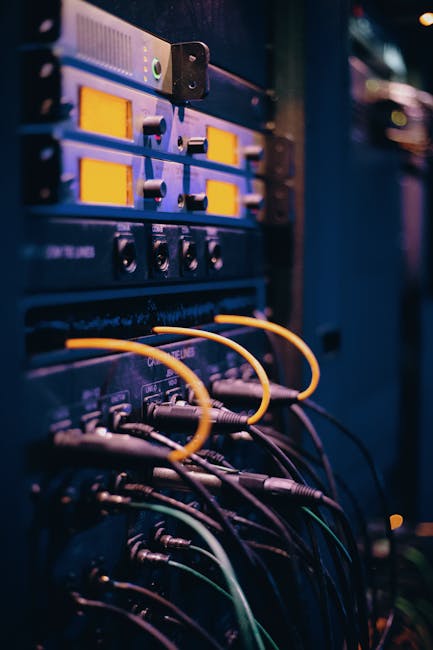
For example, in live sound applications, gold-plated XLR connectors are commonly used to connect microphones to mixing consoles. The gold plating ensures reliable signal transmission and minimizes the risk of signal degradation or equipment failure. The importance of such reliability is highlighted in The Ripple Effect: An Investigation into the True Cost of Connectivity Failure.
In addition to the benefits listed above, gold-plated connectors also offer improved signal-to-noise ratio and reduced crosstalk. This is particularly important in professional audio applications, where high-quality signal transmission is critical.
Best Practices for Using Gold-Plated Connectors
- Proper installation: Securely fasten connectors and properly seat cables. Improper installation can lead to signal degradation or equipment failure.
- Regular maintenance: Inspect and clean connectors to prevent corrosion or signal degradation. Regular cleaning can be done using a soft cloth and a mild cleaning solution.
- Compatibility: Ensure connectors are compatible with other equipment and cables. Incompatible connectors can lead to signal degradation or equipment failure.
- Handling: Handle connectors with care to avoid damage or wear. Avoid bending or twisting connectors, as this can cause mechanical stress.
- Storage: Store connectors in a dry, clean environment to prevent corrosion or damage.
To ensure proper installation, it’s essential to follow the manufacturer’s instructions and guidelines. This may include using the correct tools, such as a torque wrench, to securely fasten connectors.

When cleaning gold-plated connectors, it’s essential to use a mild cleaning solution and a soft cloth to avoid damaging the gold plating. Avoid using harsh chemicals or abrasive materials, as they can damage the gold layer or underlying substrate.
Common Applications of Gold-Plated Connectors
Gold-plated connectors are used in various professional audio equipment, including microphones, audio interfaces, and mixing consoles. They are also used in live sound applications, such as concert venues, theaters, and stadiums.
In addition to professional audio equipment, gold-plated connectors are used in other industries, such as medical devices, aerospace, and defense. Their high reliability and corrosion resistance make them an ideal choice for critical applications. For example, Advantages of Custom Cable Interconnects in Aerospace Systems highlights their use in demanding environments.
For instance, in the medical industry, gold-plated connectors are used in medical imaging equipment, such as MRI and CT scanners. The high reliability and corrosion resistance of gold-plated connectors ensure that these critical devices function properly.
Gold-plated connectors are also used in other applications, such as in the automotive industry, where they are used in infotainment systems and other audio equipment.
Frequently Asked Questions (FAQs)
- Q: What is the difference between gold-plated and gold connectors? A: Gold-plated connectors have a thin layer of gold deposited onto the surface, while gold connectors are made entirely of gold. Gold-plated connectors are more cost-effective while still providing excellent conductivity and corrosion resistance.
- Q: How do I clean gold-plated connectors? A: Use a soft cloth and a mild cleaning solution to clean gold-plated connectors. Avoid using harsh chemicals or abrasive materials, as they can damage the gold plating.
- Q: Can gold-plated connectors be used in harsh environments? A: Yes, gold-plated connectors can be used in harsh environments, such as outdoor concerts or live performances. However, it’s essential to ensure the connectors are properly installed and maintained to prevent corrosion or signal degradation.
- Q: What is the typical lifespan of gold-plated connectors? A: The lifespan of gold-plated connectors depends on various factors, including usage, environment, and maintenance. With proper care and maintenance, gold-plated connectors can last for many years.
- Q: Are gold-plated connectors compatible with other connector types? A: Gold-plated connectors can be compatible with other connector types, but it’s essential to ensure compatibility before use. Incompatible connectors can lead to signal degradation or equipment failure.
- Q: Can gold-plated connectors be used in high-frequency applications? A: Yes, gold-plated connectors are suitable for high-frequency applications due to their excellent conductivity and low contact resistance.
- Q: How do I ensure the gold plating is of high quality? A: Look for manufacturers that use high-quality electroplating techniques and materials. Check for certifications, such as ISO 9001, and read reviews from other customers to ensure the manufacturer produces high-quality gold-plated connectors.
Troubleshooting Common Issues with Gold-Plated Connectors
While gold-plated connectors are designed to provide reliable signal transmission, issues can still arise. Common problems include signal degradation, corrosion, and mechanical damage.
To troubleshoot these issues, it’s essential to inspect the connectors regularly and perform maintenance as needed. This may include cleaning the connectors, checking for signs of corrosion, and ensuring proper installation.
- Signal degradation: Check for signs of wear or corrosion on the connectors. Clean or replace the connectors as needed.
- Corrosion: Inspect the connectors for signs of corrosion. Clean or replace the connectors as needed.
- Mechanical damage: Check for signs of mechanical damage, such as bent or twisted connectors. Replace the connectors as needed.
When troubleshooting issues with gold-plated connectors, it’s essential to use the correct tools and techniques to avoid causing further damage. This may include using a multimeter to test the signal transmission or a microscope to inspect the connectors for signs of corrosion or wear.
Conclusion
Gold-plated connectors play a crucial role in ensuring high-quality signal transmission in professional audio applications. Their excellent conductivity, corrosion resistance, and reliability make them an ideal choice for a wide range of applications. By following best practices for installation, maintenance, and handling, gold-plated connectors can provide years of reliable service.