Benefits of Custom Cable Interconnects in Aerospace
Introduction to Custom Cable Interconnects in Aerospace
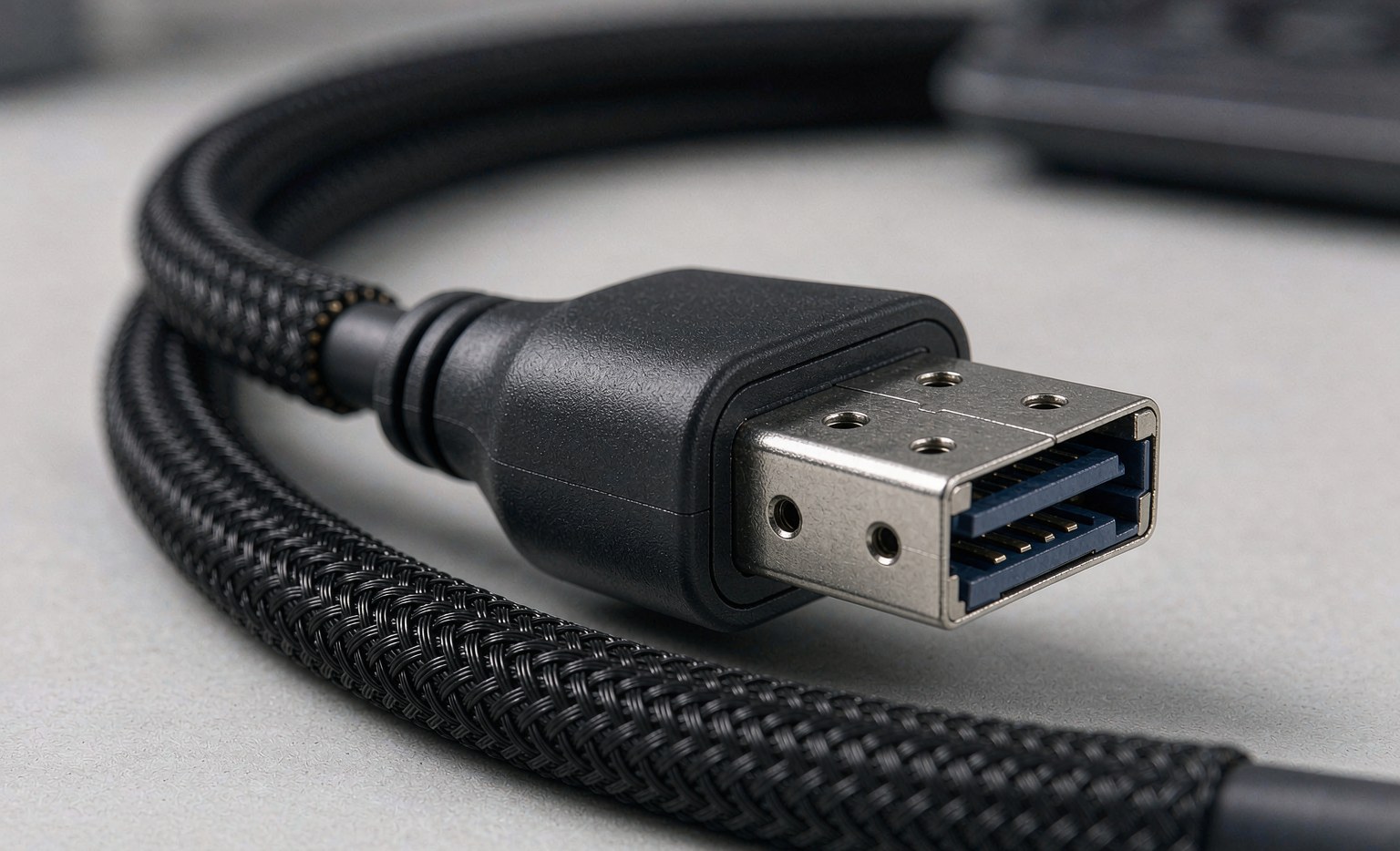
The aerospace industry demands high-performance cable interconnects that can withstand extreme conditions, including temperature fluctuations, radiation, and vibration. Custom cable interconnects are engineered to meet specific needs, providing tailored solutions that standard cables cannot match. For instance, in satellite communications, custom cables are designed to withstand extreme temperatures and radiation, ensuring continuous signal transmission. A notable example is the use of high-temperature cables in jet engines, which can operate above 200°C. Custom cables in spacecraft propulsion systems are also designed to withstand extreme vibration, radiation, and temperature fluctuations. The Critical Role of High-Speed Data Cables in a Connected World highlights the importance of reliable data transmission in various industries.
To illustrate the importance of custom cable interconnects, consider the example of the NASA Mars Curiosity Rover, which relies on custom cables to transmit data and power between its various components. The rover’s custom cables are designed to withstand the harsh Martian environment, including extreme temperatures and radiation. Similarly, in commercial aircraft, custom cables are used in avionics systems to ensure reliable data transmission and power distribution.
Some of the key challenges that custom cable interconnects address in aerospace applications include:
- High-temperature resistance: Custom cables are designed to operate in extreme temperatures, such as those found in jet engines or spacecraft propulsion systems.
- Radiation resistance: Custom cables are designed to withstand radiation, which can damage standard cables and disrupt signal transmission.
- Vibration resistance: Custom cables are designed to withstand vibration, which can cause standard cables to fail or degrade over time.
- Signal integrity: Custom cables are designed to maintain signal integrity, even in high-speed data transmission applications.
Advantages of Custom Cable Interconnects
- Enhanced Performance: Custom cables optimize signal integrity and reduce electromagnetic interference (EMI), ensuring reliable data transmission and power distribution. Off-the-Shelf vs. Custom Engineered: A Strategic Guide to Cable Selection provides insights into the benefits of custom cables.
- Increased Reliability: Custom cables minimize failure risk in harsh aerospace environments, reducing the need for costly repairs and downtime.
- Improved Safety: Custom cable interconnects feature safety features like fire resistance and insulation, protecting against electrical shock and other hazards.
- Space and Weight Savings: Custom cables are designed to be compact and lighter, reducing the overall weight and size of aerospace systems.
- Flexibility and Customizability: Custom cable interconnects meet specific application requirements, allowing aerospace engineers to design and develop complex systems with precision.
| Application | Custom Cable Requirements |
|---|---|
| Avionics | High-speed data transfer, signal integrity, and resistance to vibration and temperature fluctuations |
| Communication Systems | High-speed data transmission, radiation resistance, and minimal signal attenuation |
| Navigation | Accurate signal transmission, minimal signal attenuation, and resistance to electromagnetic interference |
| Propulsion Systems | High-temperature resistance, vibration resistance, and resistance to radiation and extreme environmental conditions |
| Military Aerospace | High-security data transmission, resistance to jamming and electromagnetic interference, and ruggedized design for harsh environments |
| Space Exploration | Resistance to extreme temperatures, radiation, and vacuum conditions, as well as high-reliability and long-lifetime performance |
| Commercial Aircraft | High-reliability, low-maintenance, and compliance with regulatory requirements, such as those related to fire safety and electromagnetic compatibility |
Applications of Custom Cable Interconnects in Aerospace
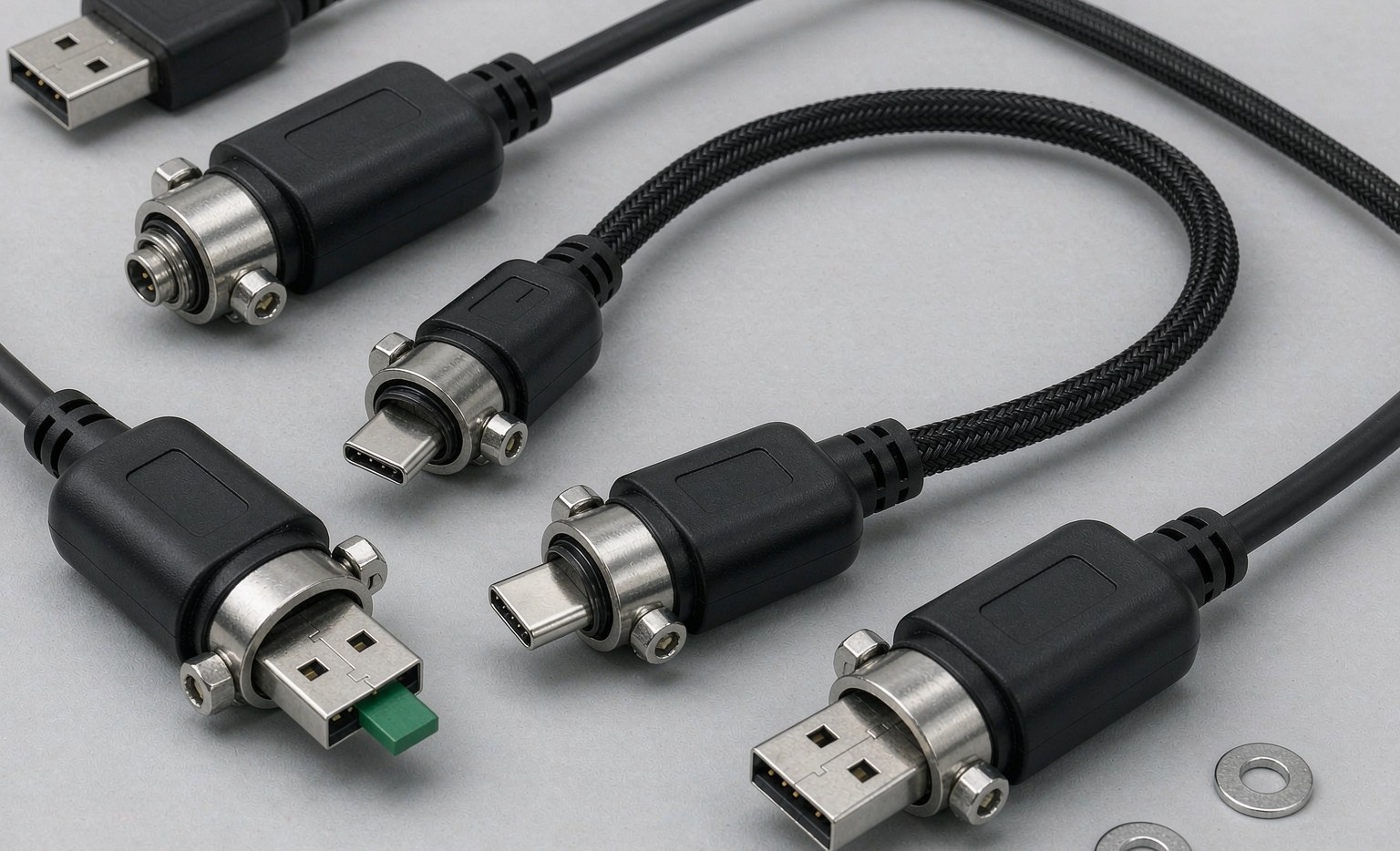
Custom cable interconnects are used in various aerospace applications, including avionics, communication systems, navigation, propulsion systems, and military aerospace. Some specific examples include:
- Avionics: Custom cables are used in flight control systems, navigation, and communication systems to ensure reliable data transmission and power distribution.
- Communication Systems: Custom cables are designed for high-speed data transmission, enabling reliable communication between aircraft and ground stations.
- Navigation: Custom cables ensure accurate signal transmission, enabling precise navigation and control of aircraft and spacecraft.
- Propulsion Systems: Custom cables are used in spacecraft propulsion systems to transmit power and data between components, withstanding extreme environmental conditions.
- Military Aerospace: Custom cables are used in military aircraft and spacecraft to enable high-security data transmission and communication.
- Space Exploration: Custom cables are used in spacecraft and landers to transmit data and power between components, withstanding extreme environmental conditions.
The use of custom cable interconnects in aerospace applications offers several benefits, including:
- Increased reliability and reduced maintenance: Custom cables are designed to withstand harsh environmental conditions, reducing the need for costly repairs and downtime.
- Improved performance: Custom cables optimize signal integrity and reduce electromagnetic interference, ensuring reliable data transmission and power distribution.
- Enhanced safety: Custom cable interconnects feature safety features like fire resistance and insulation, protecting against electrical shock and other hazards.
Design and Manufacturing Considerations
The design and manufacturing of custom cable interconnects involve rigorous testing and validation to ensure reliability and performance. Some key considerations include:
- Material Selection: Critical in aerospace applications due to extreme environmental conditions, including temperature fluctuations, radiation, and vibration.
- Cable Routing: Essential to minimize EMI and ensure reliable system operation, cable routing must be carefully planned and executed.
- Connector Choice: Critical for reliable signal transmission and power distribution, connector choice must be carefully considered to ensure compatibility and performance.
- Testing and Validation: Custom cable interconnects must undergo rigorous testing and validation to ensure compliance with aerospace industry standards and regulations.
- Regulatory Compliance: Custom cable interconnects must comply with relevant aerospace industry standards and regulations, such as those related to fire safety, electromagnetic compatibility, and environmental sustainability.
To ensure the reliability and performance of custom cable interconnects, aerospace engineers must follow a structured design and manufacturing process, including:
- Step 1: Define application requirements and specifications
- Step 2: Select materials and components based on application requirements
- Step 3: Design and simulate custom cable interconnects using specialized software
- Step 4: Prototype and test custom cable interconnects to validate performance and reliability
- Step 5: Manufacture custom cable interconnects using validated designs and processes
- Step 6: Perform quality control and assurance checks to ensure compliance with aerospace industry standards and regulations
Frequently Asked Questions
- Q: What are the benefits of custom cable interconnects in aerospace?
- A: Enhanced performance, increased reliability, improved safety, and space and weight savings.
- Q: How are custom cable interconnects designed and manufactured?
- A: Using rigorous testing and validation procedures, custom cable interconnects are designed and manufactured to meet specific application requirements.
- Q: What are some common applications of custom cable interconnects in aerospace?
- A: Avionics, communication systems, navigation, propulsion systems, and military aerospace.
- Q: What are some key considerations in the design and manufacturing of custom cable interconnects?
- A: Material selection, cable routing, connector choice, testing and validation, and regulatory compliance.
- Q: How do custom cable interconnects improve the reliability and performance of aerospace systems?
- A: By optimizing signal integrity, reducing electromagnetic interference, and withstanding harsh environmental conditions.
- Q: What are some of the challenges associated with designing and manufacturing custom cable interconnects for aerospace applications?
- A: Meeting extreme environmental conditions, ensuring regulatory compliance, and maintaining high-reliability and long-lifetime performance.
Conclusion
Custom cable interconnects are crucial in aerospace, offering enhanced performance, reliability, and safety. Understanding their benefits and design considerations helps aerospace engineers improve their systems. By following a structured design and manufacturing process, aerospace engineers can ensure the reliability and performance of custom cable interconnects, enabling the development of complex and sophisticated aerospace systems.