Introduction: The Critical Choice Between a Standard Product and a Custom Solution
In the world of electronics and system design, the selection of a connecting cable is a decision with far-reaching consequences. For many common applications, an off-the-shelf solution—a standard USB cable or a generic monitor cable—is perfectly adequate. These products are readily available, cost-effective, and designed to meet universal specifications. However, as systems become more complex, specialized, and integrated, the limitations of these one-size-fits-all solutions become apparent. This is where the strategic choice for a custom-engineered cable, developed through an OEM/ODM (Original Equipment Manufacturer/Original Design Manufacturer) partnership, becomes a critical driver of performance, reliability, and innovation.
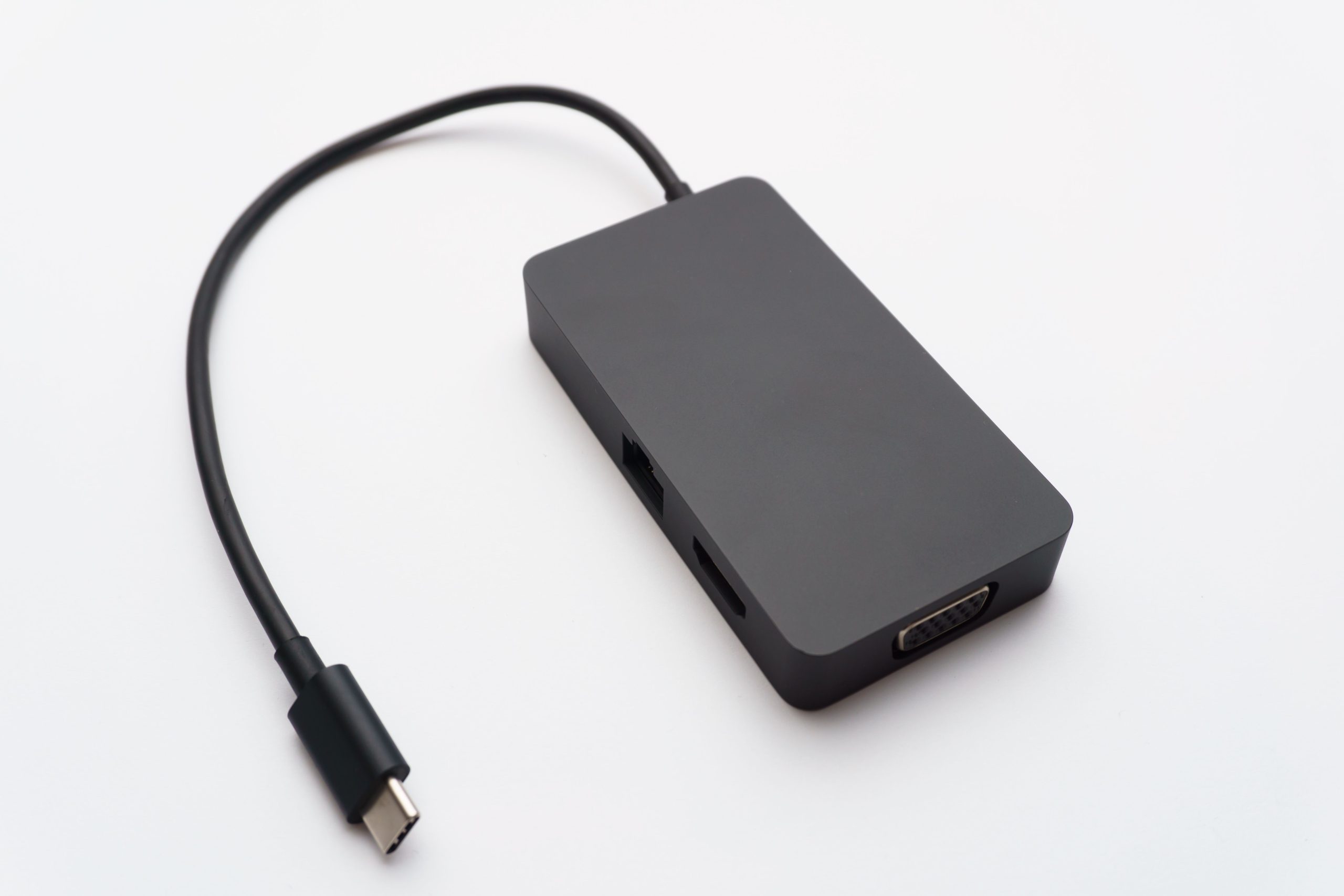
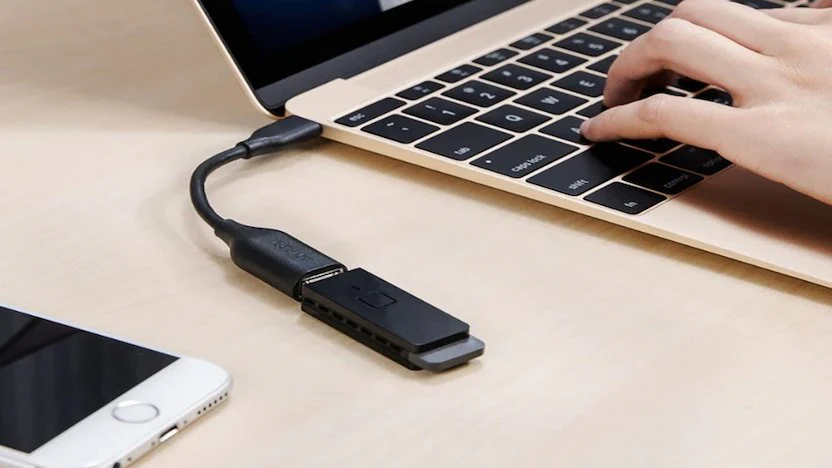
The decision is not merely about finding a connector that fits. It is a comprehensive evaluation of environmental stresses, performance thresholds, physical constraints, and long-term reliability. A standard Type C-Cable might be perfect for charging a consumer device, but it would fail catastrophically in an industrial environment with high vibration and chemical exposure. Similarly, the internal cabling of a high-density server requires a precisely designed Internal Cable to manage airflow and signal integrity—something a generic cable cannot provide.
This guide will provide a clear framework for making this crucial decision. We will explore the scenarios where standard cables excel, delve into the critical indicators that demand a custom solution, and outline the process of partnering with an expert manufacturer. By understanding this strategic landscape, engineers, product designers, and system integrators can ensure their connectivity infrastructure is not just a component, but a competitive advantage. This journey highlights the value of a versatile manufacturing partner like Longkai Electronics, whose capabilities span the full spectrum from high-quality standard products to bespoke, application-specific assemblies.
When Off-the-Shelf Solutions Are the Right Choice
Standard, mass-produced cables are the backbone of the consumer electronics and standard office environments. They are built to conform to widely adopted specifications (like those from the USB-IF or VESA) and offer a reliable, cost-effective solution for a multitude of everyday applications.
An off-the-shelf cable is likely the best choice when:
- The Application is Standardized: Connecting a PC to a monitor, a printer to a computer, or a smartphone to a charger are all standardized tasks. A high-quality, certified DisplayPort Cable or USB3.0 Cable is designed precisely for these scenarios.
- The Environment is Controlled: In a typical home, office, or climate-controlled server room, cables are not exposed to extreme temperatures, moisture, chemicals, or significant physical stress. A standard PVC-jacketed LAN Cable or charging cable will perform reliably for years in these conditions.
- There are No Extreme Space Constraints: Standard cables use conventional connector sizes and bend radiuses. If the device has ample room for standard connections without sharp bends or kinks, a pre-made cable is efficient.
- Cost and Availability are Primary Drivers: For general-purpose use, the economies of scale in producing standard Consumer cable products make them readily available and highly affordable.
However, it is crucial to still prioritize quality. Even within the “off-the-shelf” category, there is a vast difference between a cheaply made, uncertified cable and a high-quality product from a reputable manufacturer. A well-made standard cable will use proper shielding, correct wire gauges, and durable connectors, ensuring it consistently meets the performance specifications it claims.
The Tipping Point: When to Choose a Custom (OEM/ODM) Cable Solution
The need for a custom-engineered cable arises when an application’s requirements exceed the capabilities of a standard product. Opting for an OEM/ODM solution is not a luxury in these cases; it is a necessity for ensuring performance, safety, and long-term reliability.
Key indicators that you need a custom solution include:
1. Harsh and Demanding Environments
Industrial, automotive, medical, and outdoor applications impose stresses that would destroy a consumer-grade cable. A custom Industrial Cable can be designed with specific features:
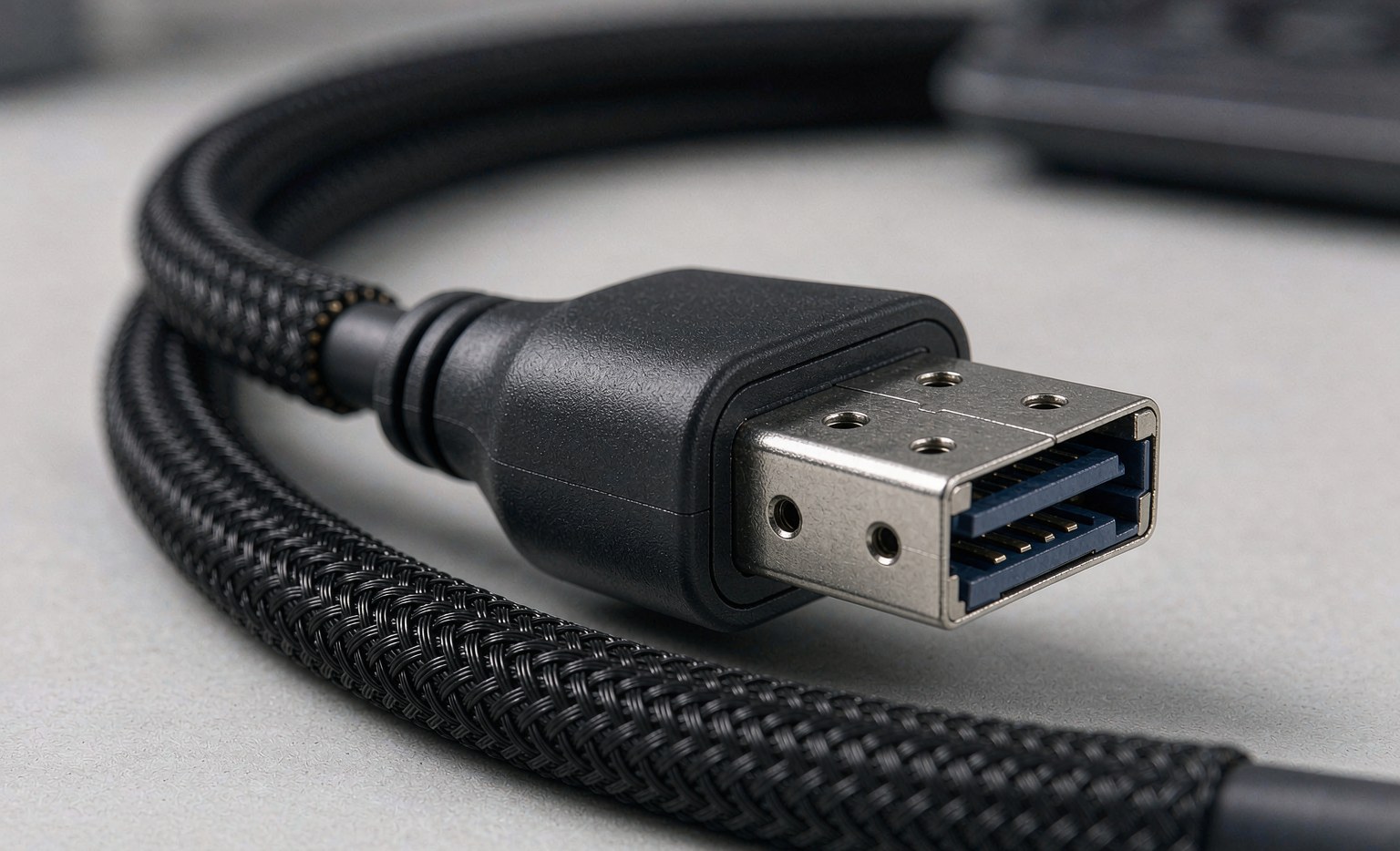
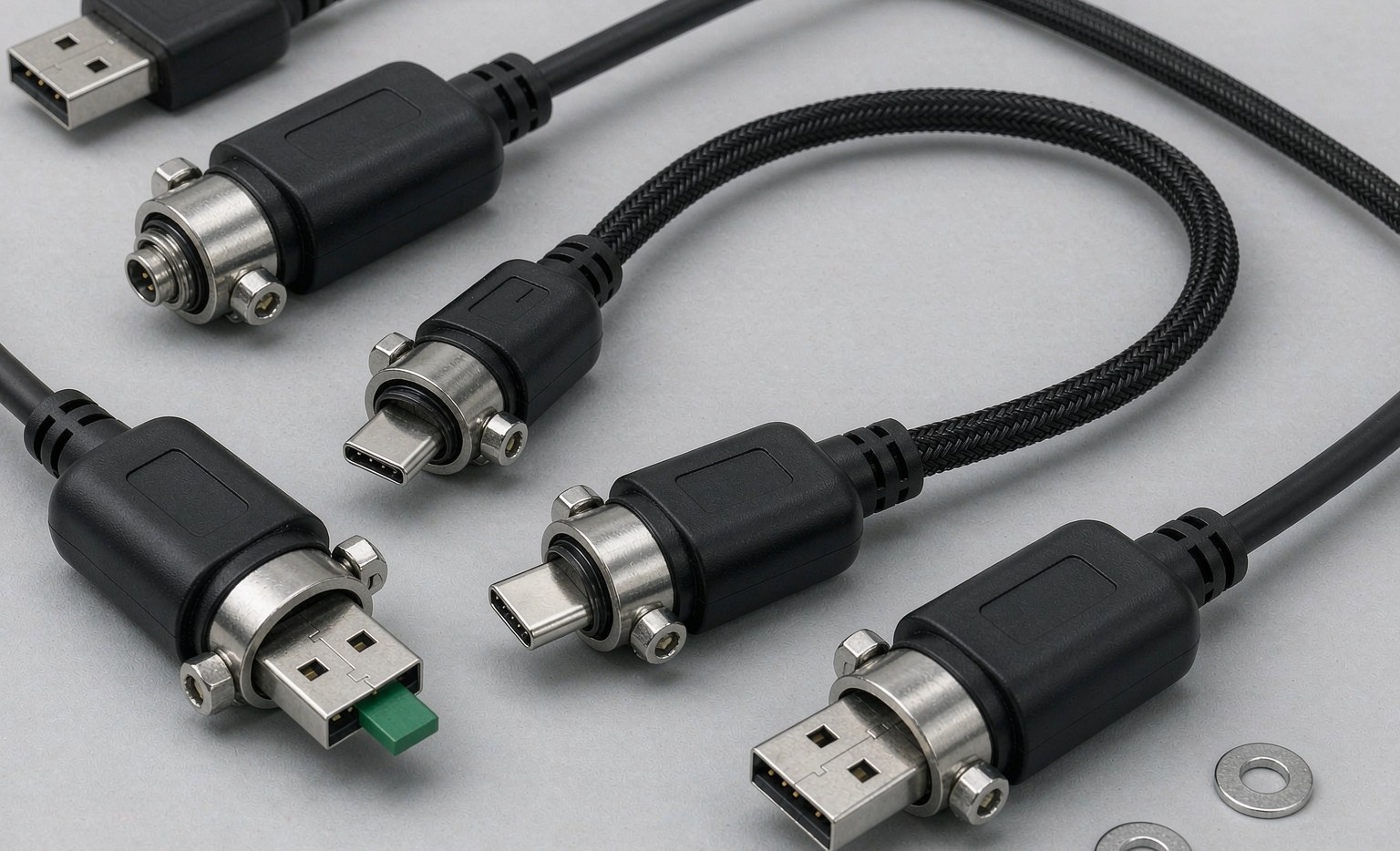
- Mechanical Security: To counteract vibration and prevent accidental disconnection, custom solutions like a USB Cable locking connector with thumbscrews are essential.
- Ingress Protection (IP Rating): For equipment exposed to dust or liquids, a custom-designed D-SUB Waterproof conn or a similar sealed connector is required to prevent shorts and corrosion.
- Material Resistance: The cable’s jacket and connector housing can be specified from materials (like PUR) that are resistant to oils, chemicals, abrasion, or extreme temperatures.
2. Unique Performance and Electrical Requirements
Sometimes, an application’s performance needs fall outside of standard specifications.
- Specific Lengths and Impedance: In high-frequency systems, signal integrity is highly dependent on the cable’s length and impedance. A custom cable can be manufactured to a precise length to minimize signal loss, a critical factor for sensitive Communication cable applications.
- Hybrid Designs: A single custom Cable Assembly can be designed to carry multiple signal types—such as data, power, and coaxial video—within a single, streamlined bundle, simplifying complex installations.
3. Complex Integration and Form Factor Constraints
Modern electronics are constantly shrinking, and the internal space for cabling is at a premium. This is especially true in robotics, medical devices, and high-density servers.
- Custom Routing and Connectors: A custom Wire Harness can be built with pre-formed bends, specific breakout points, and right-angle connectors to fit perfectly within a cramped enclosure, optimizing airflow and simplifying assembly.
- High-Density Interconnects: Technologies like the SlimSAS Cable and OCUlink Cable are used in servers where space is tight and performance is critical. Often, these are part of a larger, custom-designed internal cabling plan.
4. Branding, Aesthetics, and Product Differentiation
For an OEM, the cable is part of the final product experience. A custom cable can be designed with specific colors, materials, and branded logos on the connector mold, reinforcing the product’s quality and brand identity.
The OEM/ODM Partnership: A Collaborative Process
Engaging a manufacturer for a custom cable solution is a collaborative process that goes beyond a simple purchase order. It involves leveraging the manufacturer’s engineering expertise to create the perfect solution.
- Consultation and Discovery: The process begins with a detailed discussion of the application’s requirements—electrical, mechanical, and environmental.
- Design and Engineering: The manufacturer’s engineers create detailed drawings and specifications, selecting the appropriate conductors, shielding, and materials.
- Prototyping and Validation: A prototype is produced for testing and validation. This allows the client to test the fit and function in the actual application before committing to mass production.
- Manufacturing and Quality Assurance: Once approved, the cable is manufactured under strict quality control protocols, with rigorous testing to ensure every unit meets the agreed-upon specifications.
Why Your Manufacturing Partner Matters: The Longkai Electronics Advantage
The success of a custom cable solution is entirely dependent on the capabilities of the manufacturing partner. A partner with deep experience, robust quality systems, and a collaborative approach is essential. With a history of innovation dating back to 2012, Longkai Electronics is uniquely positioned to be that partner.
Our key advantages in both standard and custom manufacturing include:
- Decades of Experience: We have over a decade of specialized expertise in the data cable and connector field. This allows us to provide insightful, professional solutions to even the most complex challenges.
- Certified and Verifiable Quality: Our commitment to quality is not just a promise; it is a system. We operate under ISO9001 and ISO14001 certifications, and our products are certified by FCC and CE, guaranteeing reliability and safety.
- A History of Trusted Partnerships: We have earned the trust of over 100 renowned brands, including global leaders like LG, Samsung, and BAYER. This is a testament to our consistent delivery of superior quality.
- Integrated In-House Capabilities: Our integrated business model combines R&D, production, and sales. This allows us to manage the entire lifecycle of a product, from initial design to final delivery, ensuring a seamless and efficient process for our OEM/ODM clients.
Conclusion: Making the Strategic Connectivity Choice
The choice between an off-the-shelf cable and a custom-engineered solution is a strategic decision that directly impacts a product’s performance, reliability, and overall success. While standard cables provide a cost-effective solution for common applications, the demands of specialized, high-performance, and harsh-environment systems necessitate the precision and durability of a custom design. By carefully evaluating the needs of your application and engaging with an experienced and quality-driven manufacturing partner, you can ensure your connectivity is not just a component, but a core strength of your final product.