Understanding Data Center Infrastructure Cables
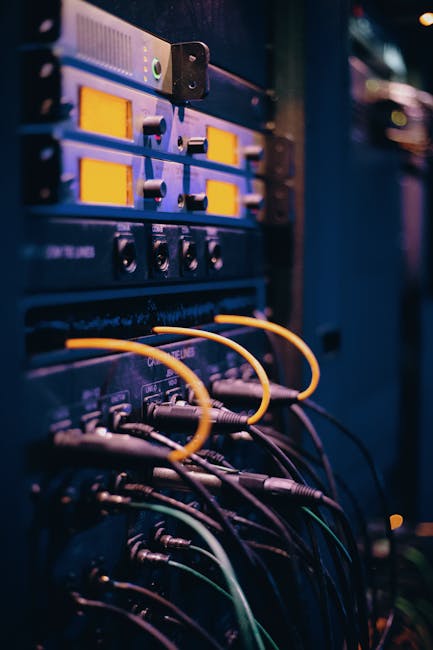
Data center infrastructure cables enable data transmission between servers, storage devices, and network equipment. Their quality and performance significantly impact data center operations’ reliability and efficiency. A well-designed cabling infrastructure is crucial for supporting the high-speed data transmission required by modern data centers. For example, a data center with a high-density server deployment may require a cabling infrastructure that can support high-bandwidth and low-latency connections. The Data Center’s Dilemma: How High-Density Connectivity is Solving the Ultimate Scaling Challenge
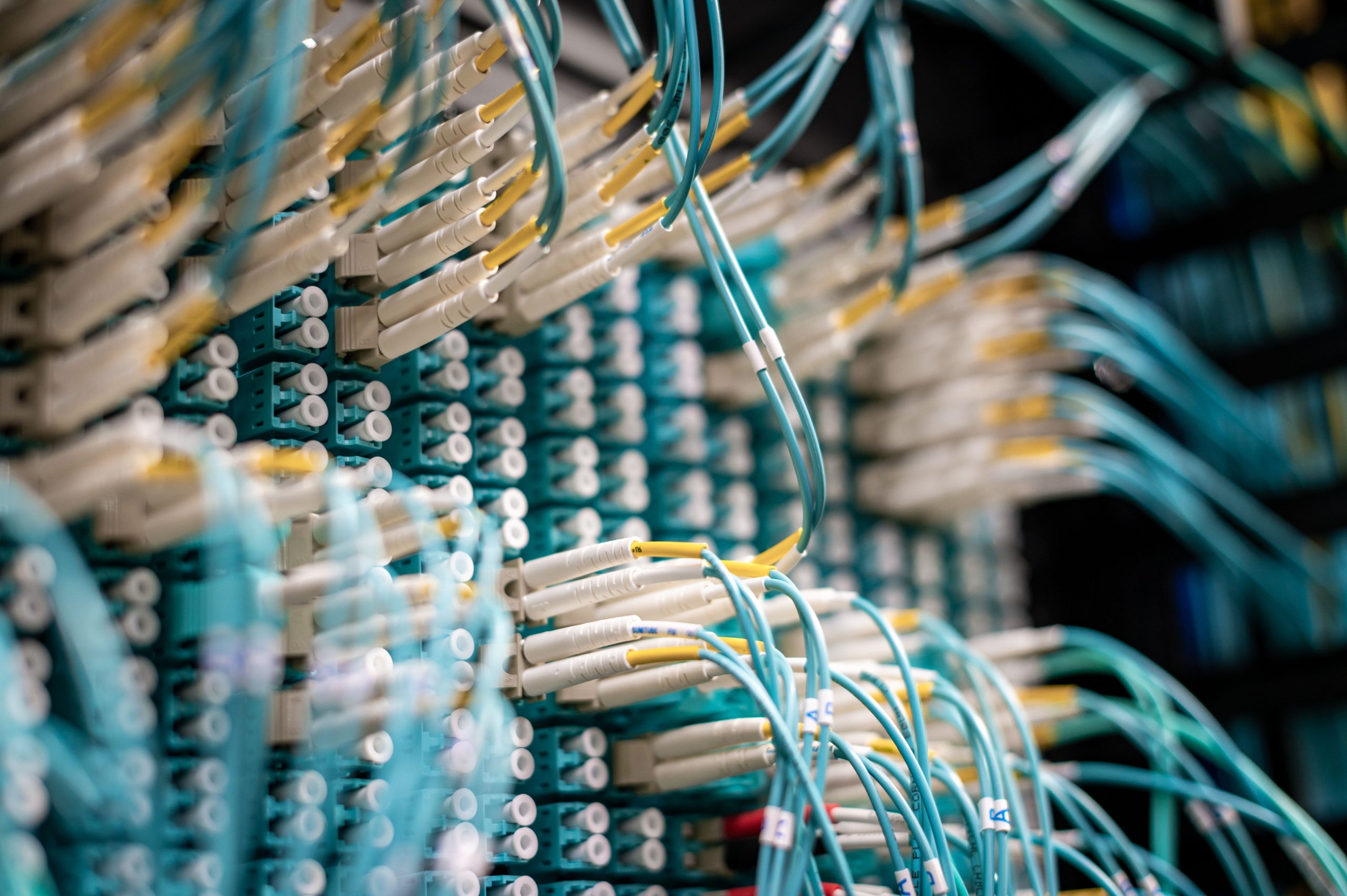
Data center infrastructure cables come in various types, including copper and fiber optic cables. Copper cables are used for shorter distances and lower bandwidth applications, while fiber optic cables are used for longer distances and higher bandwidth applications. For instance, copper cables are often used for connections within a data center, while fiber optic cables are used for connections between data centers. When selecting data center infrastructure cables, it’s essential to consider factors such as cable type, cable length, bandwidth requirements, environmental conditions, scalability, and interference.
- Cable type: Copper, fiber optic, or a combination of both
- Cable length: The distance between devices and the required cable length
- Bandwidth requirements: The amount of data to be transmitted and the required bandwidth
- Environmental conditions: Temperature, humidity, and other environmental factors
- Scalability: Will the cabling infrastructure need to support future growth?
- Interference: Electromagnetic interference (EMI) and radio-frequency interference (RFI)
To ensure the reliability and efficiency of data center infrastructure cables, data center operators should follow a step-by-step process when selecting and installing cables:
- Assess the data center’s cabling requirements
- Plan the cabling infrastructure
- Select the appropriate cables and connectors
- Install the cabling infrastructure
- Test and verify the cabling infrastructure
Additionally, data center operators should consider the following best practices when designing and installing their cabling infrastructure:
- Use a modular design to simplify future upgrades and changes
- Use cable management systems to keep cables organized and reduce clutter
- Label cables and connectors to simplify identification and troubleshooting
- Test cables and connectors to ensure they meet industry standards
Types of Data Center Infrastructure Cables
- Copper cables: Twisted pair cables, coaxial cables
- Fiber optic cables: Single-mode fiber, multimode fiber
| Cable Type | Application |
|---|---|
| Category 6A copper cables | High-speed Ethernet connections |
| Single-mode fiber optic cables | Long-distance connections between data centers |
| Multimode fiber optic cables | High-bandwidth connections within data centers |
| Coaxial cables | High-bandwidth applications, such as video transmission |
Each type of cable has its own advantages and disadvantages. For example, copper cables are generally less expensive than fiber optic cables but have limited bandwidth and distance capabilities. Fiber optic cables, on the other hand, offer higher bandwidth and longer distance capabilities but are more expensive. When choosing between copper and fiber optic cables, data center operators should consider the specific requirements of their data center. High-Performance Cable Interconnects for Data Centers: Enhancing Efficiency and Reliability
In addition to the type of cable, data center operators should also consider the cable’s construction and materials. For example, cables with a higher gauge (thinner diameter) may be more prone to signal attenuation, while cables with a lower gauge (thicker diameter) may be more resistant to signal attenuation. Data center operators should also consider the cable’s shielding and jacketing, as these can impact the cable’s resistance to EMI and RFI.
Importance of Data Center Infrastructure Cables
High-quality cables reduce signal attenuation and distortion, minimize electromagnetic interference (EMI), and ensure high-speed data transmission. Poor-quality cables, on the other hand, can lead to signal degradation, data loss, and downtime. For instance, a data center with high-quality cables can ensure high-speed data transmission and minimize the risk of data loss or corruption. This is particularly important for applications that require high-bandwidth and low-latency, such as financial trading or video streaming.
- Reduce signal attenuation and distortion
- Minimize electromagnetic interference (EMI)
- Ensure high-speed data transmission
- Support scalability and flexibility
- Improve data center reliability and uptime
To illustrate the importance of high-quality cables, consider a data center that uses low-quality cables for its connections. In this scenario, the data center may experience frequent signal degradation, data loss, and downtime, resulting in lost productivity and revenue. On the other hand, a data center that uses high-quality cables can ensure reliable and efficient data transmission, minimizing the risk of data loss or corruption. Cable Performance Testing for Data Centers: Ensuring Reliable High-Speed Connectivity
Best Practices for Data Center Infrastructure Cabling
Data center operators should follow best practices, including using high-quality cables, designing a structured cabling system, and implementing cable management practices. To design a structured cabling system, data center operators should follow a step-by-step process:
- Assess the data center’s cabling requirements
- Plan the cabling infrastructure
- Select the appropriate cables and connectors
- Install the cabling infrastructure
- Test and verify the cabling infrastructure
- Using high-quality cables that meet industry standards
- Designing a structured cabling system
- Implementing cable management practices
- Regularly testing and maintaining cables
- Documenting the cabling infrastructure
Regular testing and maintenance are also crucial for ensuring the reliability and efficiency of the data center infrastructure cables. This includes:
- Regularly inspecting cables for damage or wear
- Testing cables for signal attenuation and distortion
- Performing cable cleaning and maintenance
Data center operators should also consider implementing cable management practices, such as labeling and documenting cables, to ensure that the cabling infrastructure is easily manageable and maintainable.
Frequently Asked Questions (FAQs)
Q: What is the difference between single-mode and multimode fiber optic cables?
A: Single-mode fiber optic cables are designed for long-distance connections and have a smaller core diameter, while multimode fiber optic cables are designed for shorter distances and have a larger core diameter.
Q: How often should data center infrastructure cables be tested and maintained?
A: Data center infrastructure cables should be tested and maintained regularly, ideally every 6-12 months, to ensure their reliability and efficiency.
Q: What are the benefits of using high-quality data center infrastructure cables?
A: High-quality data center infrastructure cables can improve data center reliability and uptime, reduce signal attenuation and distortion, and support scalability and flexibility.
Q: What are the key considerations when selecting data center infrastructure cables?
A: When selecting data center infrastructure cables, data center operators should consider factors such as cable type, cable length, bandwidth requirements, environmental conditions, scalability, and interference.
Q: How can data center operators ensure the reliability and efficiency of their data center infrastructure cables?
A: Data center operators can ensure the reliability and efficiency of their data center infrastructure cables by following best practices, such as using high-quality cables, designing a structured cabling system, and implementing cable management practices.
Q: What are some common mistakes to avoid when designing and installing data center infrastructure cables?
A: Common mistakes to avoid include using low-quality cables, failing to properly label and document cables, and not testing and verifying the cabling infrastructure.
Q: How can data center operators troubleshoot issues with their data center infrastructure cables?
A: Data center operators can troubleshoot issues with their data center infrastructure cables by using tools such as cable testers and network analyzers, and by following a step-by-step troubleshooting process.