Benefits of Using Screw-Locking Connectors
Introduction to Screw-Locking Connectors
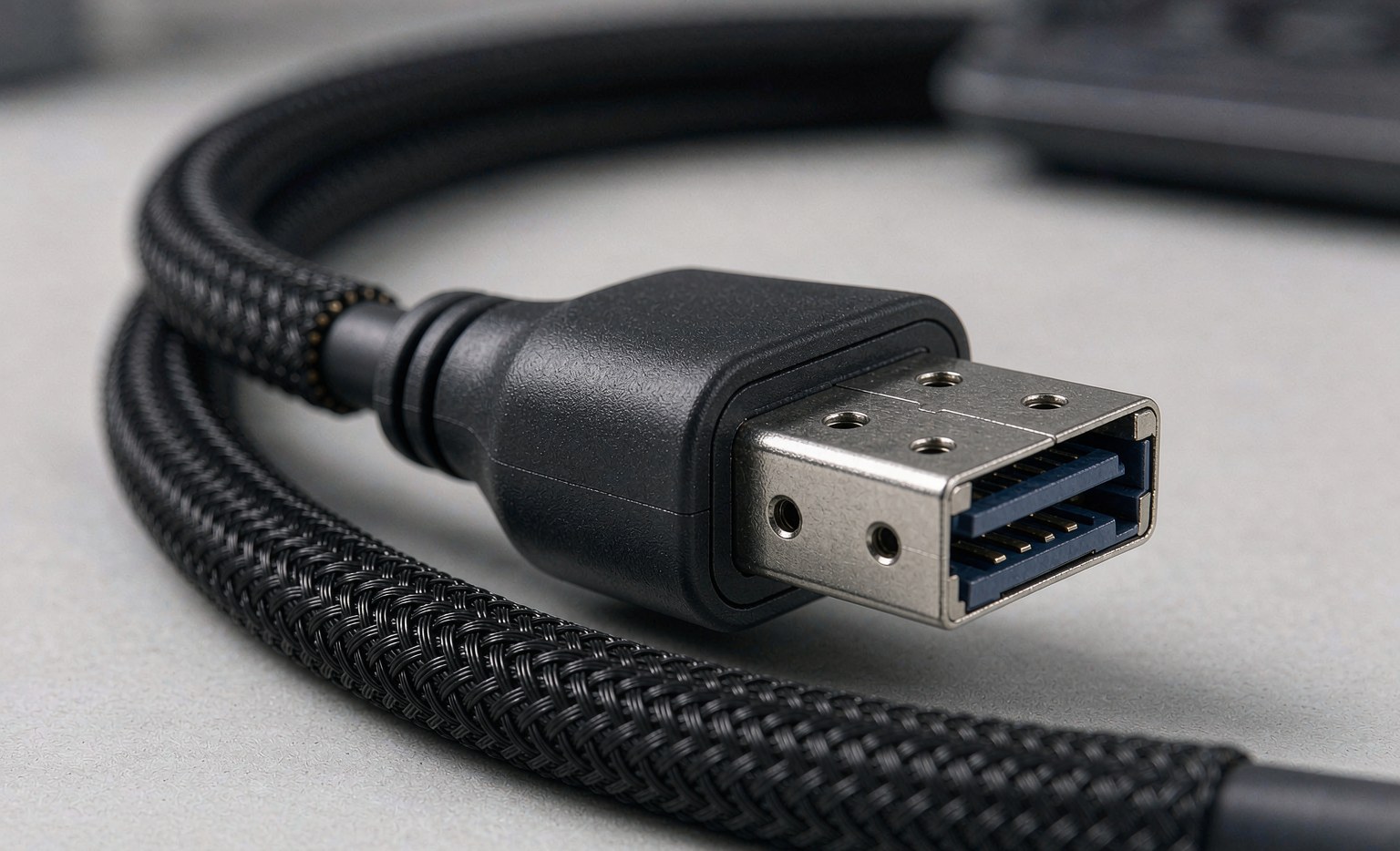
Screw-locking connectors are designed to provide a secure and stable connection between devices, ensuring reliable data transmission and power supply. These connectors are widely used in industrial, commercial, and medical applications where a high level of reliability is crucial. For instance, in manufacturing plants, screw-locking connectors are used to connect machinery and control systems, ensuring continuous operation and minimizing downtime. In addition, they are used in harsh environments such as construction sites, where exposure to the elements and heavy machinery can cause connectors to become loose or damaged. The importance of such connectors is highlighted in industries that require high reliability, such as in Advantages of Custom Cable Interconnects in Aerospace Systems.
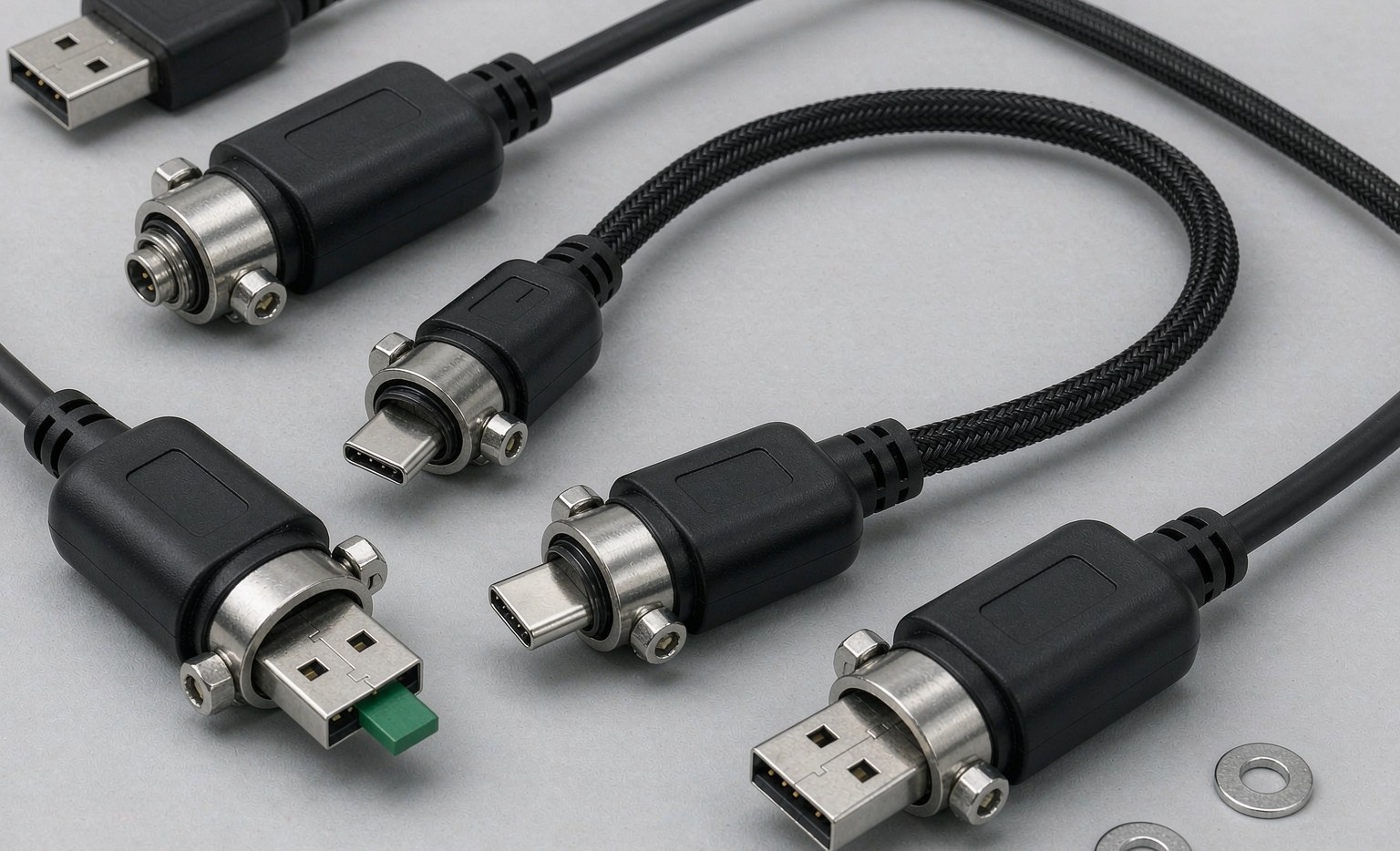
The design of screw-locking connectors involves a simple yet effective mechanism. The connector is secured in place using a screw or a similar fastening device, which prevents it from being accidentally disconnected. This mechanism is particularly useful in applications where vibrations or movements could cause standard connectors to become loose. For example, in the aerospace industry, screw-locking connectors are used to connect critical systems, such as navigation and communication equipment, to ensure reliable operation even in turbulent environments.
To further illustrate the importance of screw-locking connectors, consider the case of a manufacturing plant that experienced frequent downtime due to loose connections between machinery and control systems. After switching to screw-locking connectors, the plant saw a significant reduction in downtime and an increase in overall productivity. This example highlights the potential benefits of using screw-locking connectors in industrial applications, similar to those discussed in Impact of Wiring Harnesses on Automotive Safety: Ensuring Reliability and Performance.
Key Benefits of Screw-Locking Connectors
- Secure Connection: Screw-locking connectors provide a secure connection that prevents accidental disconnections, ensuring continuous operation. This is particularly important in applications where a disconnection could result in significant losses or safety risks.
- Vibration Resistance: The screw-locking mechanism ensures that the connector remains in place even in environments with high levels of vibration. This makes them ideal for use in industries such as manufacturing, where machinery can cause significant vibrations.
- Improved Signal Integrity: By providing a secure connection, screw-locking connectors help maintain signal integrity, reducing the risk of data corruption or loss. This is critical in applications where data accuracy is paramount, such as in medical devices or financial transaction processing systems.
- Enhanced Durability: Screw-locking connectors are designed to withstand harsh environments and are often used in applications where connectors are subject to heavy use or exposure to the elements. They are typically made with high-quality materials that resist corrosion and wear.
- Easy Installation: Despite their secure connection mechanism, screw-locking connectors are relatively easy to install. They often come with simple instructions and do not require specialized tools.
- Flexibility: Screw-locking connectors are available in a variety of configurations to suit different applications. They can be used for a range of signal and power transmission needs, similar to the variety seen in Types of Peripheral Data Cables for Various Applications.
- Reduced Maintenance Costs: By minimizing the risk of accidental disconnections and reducing the need for frequent repairs, screw-locking connectors can help reduce maintenance costs over time.
- Improved Safety: Screw-locking connectors can also improve safety by preventing electrical shock or other hazards that can occur when connectors become loose or damaged.
| Application | Benefits |
|---|---|
| Industrial Automation | Reliable connections between devices and control systems, minimizing downtime and increasing productivity. |
| Medical Devices | Secure connection critical for patient safety and device reliability, ensuring accurate diagnosis and treatment. |
| Commercial Equipment | Reliable connection for audio-visual systems and data transmission equipment, ensuring high-quality output and minimizing data loss. |
| Aerospace | Critical connections for navigation, communication, and control systems, ensuring reliable operation in turbulent environments. |
| Construction Equipment | Secure connections for control systems and sensors, withstanding harsh environments and heavy use. |
| Telecommunications | Reliable connections for data transmission equipment, ensuring high-quality signal transmission and minimizing data loss. |
| Automotive | Secure connections for control systems and sensors, withstanding harsh environments and heavy use. |
Applications of Screw-Locking Connectors
Screw-locking connectors are used in a wide range of applications, including industrial automation, medical devices, commercial equipment, aerospace, construction equipment, telecommunications, and automotive.
- Industrial Automation: Screw-locking connectors are used to ensure reliable connections between devices and control systems, such as in manufacturing plants and processing facilities.
- Medical Devices: Screw-locking connectors provide a secure connection that is critical for patient safety and device reliability, such as in diagnostic equipment and patient monitoring systems.
- Commercial Equipment: Commercial equipment, such as audio-visual systems and data transmission equipment, also benefit from the use of screw-locking connectors, ensuring high-quality output and minimizing data loss.
- Aerospace: Screw-locking connectors are used in critical applications such as navigation, communication, and control systems, where reliability is paramount.
- Construction Equipment: Screw-locking connectors are used in construction equipment, such as cranes and excavators, to provide secure connections for control systems and sensors.
- Telecommunications: Screw-locking connectors are used in telecommunications equipment, such as data transmission equipment, to ensure reliable connections and high-quality signal transmission.
- Automotive: Screw-locking connectors are used in automotive applications, such as control systems and sensors, to provide secure connections and withstand harsh environments.
Installation and Maintenance of Screw-Locking Connectors
Proper installation and maintenance of screw-locking connectors are crucial to ensure their reliability and performance.
- Installation: When installing screw-locking connectors, ensure that they are securely fastened to prevent accidental disconnections. Follow the manufacturer’s instructions for specific installation requirements.
- Inspection: Regularly inspect the connectors for signs of wear or damage, such as corrosion or fraying. Check for any looseness or movement in the connector.
- Maintenance: Perform routine maintenance tasks, such as cleaning and tightening the connectors, to ensure they remain secure and functional. Use recommended cleaning materials and avoid using harsh chemicals.
- Replacement: Replace screw-locking connectors if they show signs of significant wear or damage. Use connectors that meet or exceed the original specifications.
- Training: Provide training to personnel on the proper installation, inspection, and maintenance of screw-locking connectors to ensure their reliability and performance.
Frequently Asked Questions (FAQs)
- Q: What are the main benefits of using screw-locking connectors?
- A: The main benefits include secure connections, vibration resistance, improved signal integrity, and enhanced durability.
- Q: Are screw-locking connectors difficult to install?
- A: No, screw-locking connectors are relatively easy to install, and they often come with simple instructions.
- Q: Can screw-locking connectors be used in harsh environments?
- A: Yes, screw-locking connectors are designed to withstand harsh environments and are often used in applications where connectors are subject to heavy use or exposure to the elements.
- Q: How often should screw-locking connectors be inspected and maintained?
- A: Regular inspection and maintenance are recommended to ensure the reliability and performance of screw-locking connectors. The frequency of inspection and maintenance depends on the specific application and environment.
- Q: Can screw-locking connectors be used in high-vibration environments?
- A: Yes, screw-locking connectors are designed to resist vibrations and are suitable for use in high-vibration environments.
- Q: Are screw-locking connectors compatible with different types of devices?
- A: Yes, screw-locking connectors are available in a variety of configurations to suit different applications and devices.
Case Studies
Several case studies demonstrate the benefits of using screw-locking connectors in various applications.
- A manufacturing plant reduced downtime by 30% after switching to screw-locking connectors.
- A medical device manufacturer improved patient safety by using screw-locking connectors in their diagnostic equipment.
- A telecommunications company ensured high-quality signal transmission by using screw-locking connectors in their data transmission equipment.
Conclusion
Screw-locking connectors offer numerous benefits in terms of security, reliability, and durability, making them a preferred choice for many industrial and commercial applications. By providing a secure connection, resisting vibrations, and maintaining signal integrity, screw-locking connectors ensure continuous operation and minimize downtime. Proper installation, inspection, and maintenance are crucial to ensure their reliability and performance.